
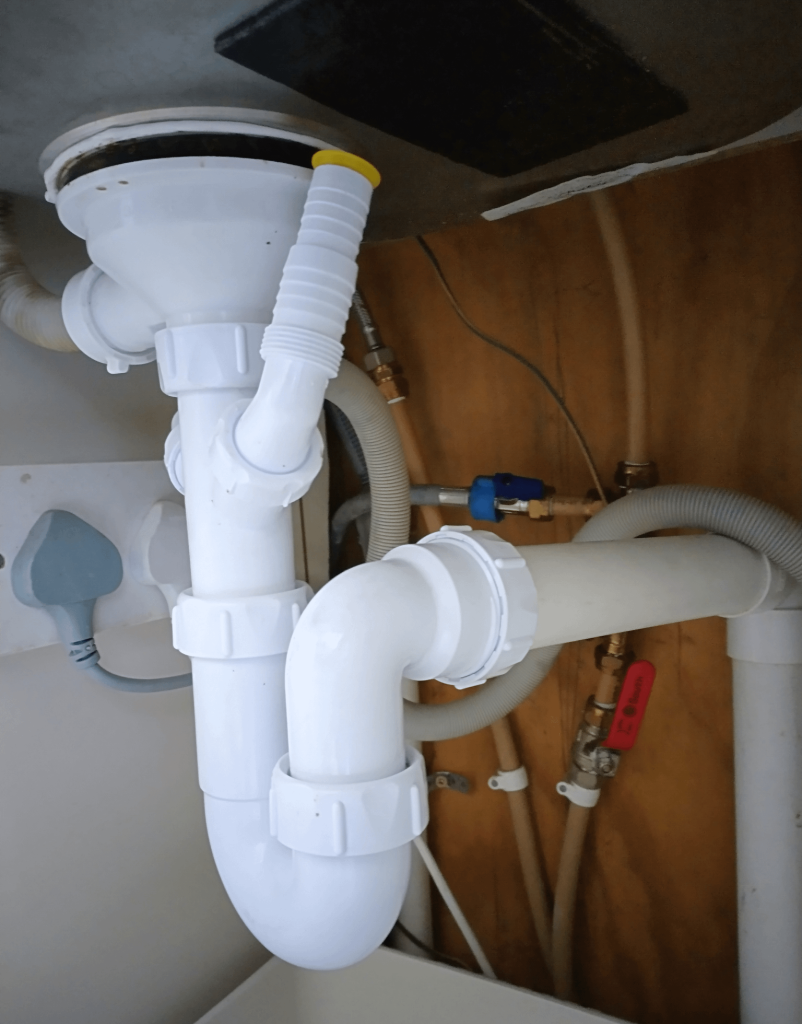
Is your kitchen sink leaking? That drip or puddle under your sink is more than just annoying—it can cause serious damage if you don’t fix it quickly.
You might be wondering where the leak is coming from or how to stop it before it gets worse. You’ll discover simple ways to find the source of the leak, easy steps to repair it, and tips to prevent future problems.
Don’t let a small leak turn into a costly mess—keep reading to protect your kitchen and save money.

Credit: www.youtube.com
Common Causes Of Kitchen Sink Leaks
Leaks under your kitchen sink can be more than just a nuisance—they can cause water damage and increase your water bill. Understanding what causes these leaks is the first step to fixing them yourself or explaining the problem clearly to a plumber. Let’s look at some common reasons why pipes under your kitchen sink might start leaking.
Worn Out Seals And Gaskets
Seals and gaskets prevent water from escaping the joints in your plumbing. Over time, these rubber or silicone parts dry out, crack, or get flattened, losing their ability to hold water tight.
If you notice water pooling under the sink but can’t see a crack in the pipes, worn seals are often the culprit. Replacing these small components can stop leaks quickly and cheaply.
Corroded Pipes
Metal pipes under your sink can corrode due to constant exposure to water and moisture. Rust weakens the pipe walls, creating tiny holes or cracks that cause leaks.
Have you checked your pipes for rust spots or discoloration? If corrosion is visible, the affected pipes usually need to be replaced to prevent further damage.
Loose Connections
Pipes and fittings under the sink are held together by nuts and connectors. Over time, vibrations or shifting can loosen these connections, allowing water to seep out.
Try gently tightening the connections with a wrench. If leaks stop, you’ve found the problem. But be careful not to overtighten, which can cause new damage.
Clogged Drains
Drain clogs can cause water to back up and put pressure on your pipes. This pressure might force water out through weak spots or joints, leading to leaks under the sink.
Think about the last time your sink drained slowly or gurgled. Clearing clogs promptly helps reduce strain on your plumbing and prevents leaks from developing.
Tools Needed For Quick Fixes
Fixing leaking pipes under your kitchen sink doesn’t always require a professional plumber. Having the right tools at hand can make a quick repair possible and save you from water damage. Knowing what to gather before you start helps you work confidently and efficiently.
Basic Plumbing Tools
Start with a few essential tools that tackle most leaks. A pipe wrench or adjustable wrench helps you loosen and tighten fittings without causing damage. Slip-joint pliers give you a firm grip on pipes and connectors that are hard to reach.
Don’t forget a bucket to catch drips and a flashlight to see clearly under the sink. A utility knife can come in handy for cutting tape or trimming pipe sealants. Having these tools ready means you can jump into the repair without delays.
Safety Gear
Protect yourself while working in tight, damp spaces. Rubber gloves keep your hands safe from sharp edges and dirty water. Safety goggles shield your eyes from unexpected splashes or debris.
Consider wearing knee pads if you’ll spend time crouched under the sink. Good lighting is also part of safety — a headlamp can free your hands and improve visibility. Are you prepared to protect yourself as you fix the leak?
Leak Repair Kits
Leak repair kits are a quick fix for small drips and cracks. These kits often include waterproof tape, epoxy putty, and pipe clamps. They allow you to seal leaks temporarily until a permanent fix is possible.
Choose a kit designed for kitchen plumbing to ensure durability around water and heat. Keep one in your home toolkit so you can stop leaks immediately. What would happen if you had a leak repair kit ready before the drip started?
Temporary Solutions For Leaks
Dealing with leaking pipes under your kitchen sink can be frustrating, especially when you need a quick fix before calling a professional. Temporary solutions can help you stop the drip and prevent water damage while you arrange a permanent repair. These fixes are simple and use materials you might already have at home.
Using Plumber’s Tape
Plumber’s tape, also known as Teflon tape, is a handy tool for sealing minor leaks around threaded pipe joints. Wrap the tape tightly around the threads of the leaking pipe in a clockwise direction. This creates a watertight seal that can hold off leaks for a while.
Make sure to clean the threads before applying the tape to ensure better adhesion. Have you ever noticed how a little tape can save you from a big mess?
Applying Pipe Sealant
Pipe sealant is a paste-like substance that works well on small cracks and joints. Apply it evenly over the leaking area using a brush or your finger. The sealant hardens and fills gaps, stopping water from escaping temporarily.
It’s important to choose a sealant suitable for the type of pipe material you have. Sealants are especially useful when plumber’s tape alone doesn’t do the trick.
Tightening Loose Connections
Sometimes, leaks happen simply because connections have loosened over time. Use a wrench to gently tighten all the nuts and fittings under your sink. Be careful not to overtighten, as this can cause damage or create new leaks.
Check each joint carefully—could a loose connection be the sneaky cause of your drip? Tightening these might be the quickest fix you need.
Step-by-step Guide To Fixing Leaks
Fixing leaks under the kitchen sink can save water and prevent damage. This guide walks through simple tasks anyone can do. Follow each part carefully for the best results.
Identifying The Leak Source
Look under the sink with a flashlight. Check all pipes and joints for water drops or wet spots. Pay close attention to connections and seals. Run water to see if leaks appear. Pinpoint the exact place where water escapes.
Cleaning And Preparing The Area
Turn off the water supply before starting. Use a towel to dry the area around the leak. Remove any dirt, grime, or old sealant from pipes and fittings. Clean surfaces help new fixes stick better. Prepare tools and materials needed for repair.
Applying Fixes And Testing
Use pipe tape or sealant on leaking joints. Tighten loose connections gently with a wrench. For small cracks, apply waterproof epoxy putty. Let any sealant dry as instructed on the package. Turn the water back on and watch for leaks. Repeat steps if water still drips.
When To Call A Professional Plumber
Knowing when to call a professional plumber can save you time, money, and a lot of frustration. Not every leak under the kitchen sink requires expert help, but some situations demand immediate attention. Understanding the warning signs helps you avoid bigger problems down the line.
Signs Of Major Damage
Have you noticed water pooling that doesn’t go away or visible cracks in your pipes? These are clear signs of serious damage that you shouldn’t ignore. Major damage can weaken your home’s structure and lead to costly repairs if left untreated.
Also, watch out for mold growth or a persistent musty smell under the sink. These symptoms indicate hidden leaks that may have been causing damage for a while. At this point, a professional plumber’s expertise is crucial to properly assess and fix the issue.
Persistent Leaks
If you’ve tried tightening connections or replacing washers but the leak persists, it’s time to call in a pro. Persistent leaks suggest a deeper problem like corroded pipes or worn-out joints that need specialized tools and skills.
Ignoring ongoing drips can lead to higher water bills and even damage your cabinets or flooring. Would you rather risk a small leak turning into a flood or get it fixed once and for all?
Complex Pipe Configurations
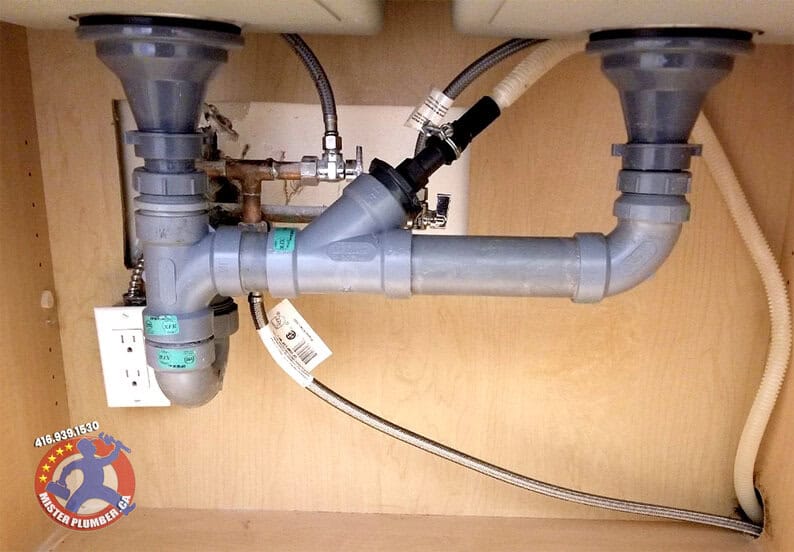
Sometimes, the pipes under your sink are part of a complicated system with multiple joints and valves. DIY fixes in such setups can cause more harm than good, especially if you’re unsure which pipe controls what.
A professional plumber can quickly identify the source of the leak and the best way to repair it without disrupting your plumbing system. Don’t gamble with your home’s plumbing just because the pipes look confusing—you deserve a clear solution.

Credit: www.reddit.com
Preventing Future Leaks
Preventing future leaks under your kitchen sink is not just about fixing the problem once it appears. It’s about taking steps that keep your pipes strong and your home dry. Small, regular actions can save you from costly repairs and the frustration of water damage.
Regular Maintenance Tips
Check your pipes often for any signs of moisture or rust. A quick glance every few weeks can catch tiny leaks before they grow. Tighten loose fittings and clean out any debris that might clog your drains.
Remember, a little effort now can prevent a big mess later. Have you noticed any drips that only show up when the water is running? That’s a sign to take a closer look immediately.
Upgrading Old Pipes
Old pipes are more likely to crack and leak. If your kitchen pipes are decades old, think about replacing them with modern materials like PVC or PEX. These options resist corrosion and last longer.
Switching pipes might seem expensive upfront, but it reduces the risk of emergency repairs. Have you ever had to call a plumber late at night because of a burst pipe? Upgrading can help you avoid that stress.
Monitoring Water Pressure
High water pressure puts a lot of strain on your pipes. If your pipes are leaking frequently, check your home’s water pressure with a gauge. Ideal pressure is usually between 40-60 psi.
If your pressure is too high, installing a pressure regulator can protect your pipes from damage. Ask yourself, how often do you notice sudden bursts or noisy pipes? That might be your pressure telling you it’s time for adjustment.
Credit: www.misterplumber.ca
Frequently Asked Questions
Why Are Pipes Under Kitchen Sink Leaking?
Pipes under the kitchen sink leak due to loose connections, worn-out washers, or damaged seals. Corrosion and clogs also cause leaks. Regular inspection and maintenance can help spot issues early and prevent water damage.
How Can I Stop Kitchen Sink Pipe Leaks Quickly?
To stop leaks fast, tighten pipe connections using a wrench. Apply plumber’s tape to threaded joints. If the leak persists, replace faulty washers or damaged pipes. Always turn off the water supply before repairs.
What Tools Fix Leaking Pipes Under Kitchen Sinks?
Common tools include an adjustable wrench, plumber’s tape, pipe wrench, and bucket. A flashlight helps spot leaks. Replacement washers and pipe sealant are also useful. These tools allow quick, effective repairs without professional help.
Can Leaking Kitchen Sink Pipes Cause Mold?
Yes, leaking pipes create moisture that promotes mold growth. Mold damages cabinets and walls and poses health risks. Fix leaks promptly to prevent mold and maintain a safe kitchen environment.
Conclusion
Leaks under the kitchen sink cause stress and damage. Fixing them soon saves water and money. Check pipes often for cracks or loose joints. Tighten connections or replace parts when needed. Small leaks can turn into big problems fast. Keep your kitchen dry and safe every day.
Simple steps help avoid costly repairs later. A dry sink area means a happy home. Don’t ignore drips; act quickly for best results.

Hi, I’m Daniel Harper, a senior editor here at KitchenBucks.com. For over 10 years, I’ve been exploring kitchen gadgets and appliances to help people find tools that truly add value without breaking the bank. I love simplifying product choices so you can focus more on cooking and less on worrying about what to buy. When I’m not reviewing the latest gadgets, you’ll usually find me experimenting with coffee brewing or firing up the grill for a weekend barbecue.