
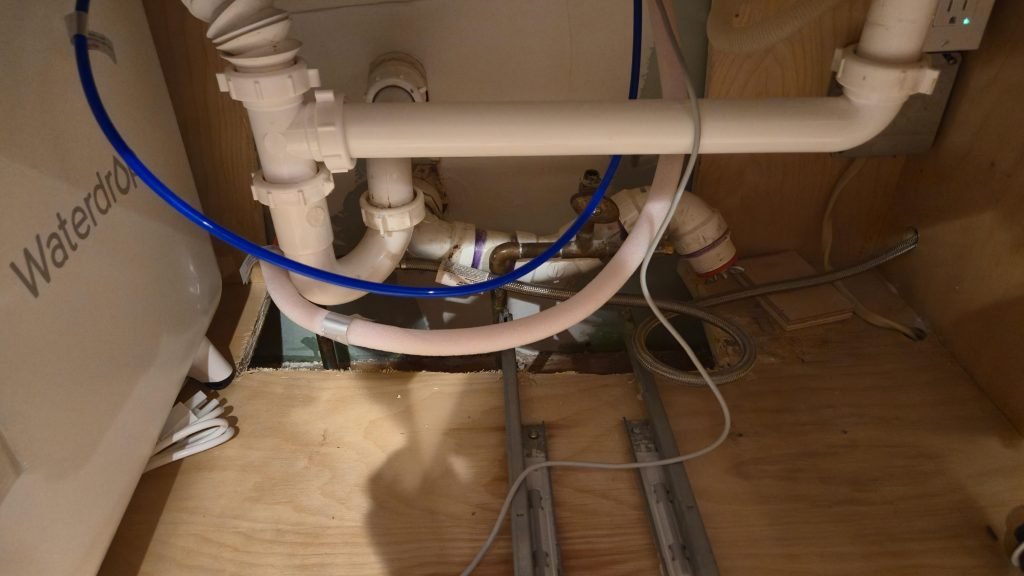
Have you ever opened the cabinet under your kitchen sink and felt completely lost? The pipes, valves, and fittings can look confusing, but understanding plumbing under a kitchen sink is easier than you think.
Whether you’re dealing with a leak, planning an upgrade, or just want to know how it works, this guide will give you clear, simple answers. By the end, you’ll feel confident tackling common problems and saving time and money on repairs.
Ready to uncover the secrets hiding beneath your sink? Let’s dive in.

Credit: www.facebook.com
Common Plumbing Problems
Plumbing under a kitchen sink often faces problems that disrupt daily chores. These issues can cause water damage, bad smells, and frustration. Knowing common problems helps spot them early and fix them faster.
Leaks And Drips
Leaks and drips are the most frequent plumbing problems under the sink. Pipes, joints, and connections may loosen over time. Water can slowly drip or form puddles below the sink. These leaks waste water and can cause mold growth or damage to cabinets.
Clogs And Blockages
Clogs happen when food, grease, or debris block pipes. Slow draining or water backup often signals a clog. Blockages create pressure that can lead to leaks or pipe bursts. Regular cleaning and avoiding pouring grease down the drain reduce clogs.
Low Water Pressure
Low water pressure makes washing dishes or filling pots harder. Mineral buildup or pipe damage can reduce pressure under the sink. Sometimes, valves or faucet aerators cause the problem. Checking and cleaning these parts often restores normal water flow.
Tools And Materials Needed
Getting under your kitchen sink to handle plumbing tasks can feel daunting without the right tools and materials. Having everything you need on hand makes the job smoother and helps you avoid frustrating trips to the hardware store. Let’s look at what you should gather before starting your project.
Basic Plumbing Tools
Start with a set of reliable hand tools designed for plumbing. These are your best friends when working in tight spaces under the sink.
- Adjustable wrench:Essential for tightening and loosening nuts and bolts of various sizes.
- Pipe wrench:Offers extra grip on round pipes that are hard to turn by hand.
- Slip-joint pliers:Great for gripping and twisting small parts or removing washers.
- Basin wrench:Specifically designed to reach nuts in cramped spots behind the sink basin.
- Plumber’s tape (Teflon tape):Used to create a watertight seal on threaded pipe joints.
- Hacksaw:Useful if you need to cut through metal or plastic pipes to size.
I once tried fixing a leak without a basin wrench and ended up spending twice the time awkwardly twisting with pliers. Having the right tool like the basin wrench made the difference in minutes.
Essential Materials
Besides tools, you’ll need specific materials to ensure a solid, leak-free plumbing job.
- Replacement pipes and fittings:PVC, copper, or PEX pipes depending on your existing plumbing type.
- Pipe connectors and couplings:To join sections of pipe securely.
- Plumber’s putty:Helps seal drains and fixtures to prevent leaks.
- Compression nuts and rings:Used to fasten pipes without soldering.
- Bucket and rags:To catch water spills and keep your workspace clean.
Have you ever started a repair only to find you lack a crucial part? Double-checking your materials list saves time and stress. If you’re unsure about pipe types or fittings, take a photo of your existing setup to your local hardware store for advice.
Step-by-step Repair Guide
Fixing plumbing under a kitchen sink can seem hard. This guide breaks down the repair process into simple steps. Each step focuses on key actions to solve common problems. Clear instructions help you handle leaks, clogs, or broken parts with confidence.
Identifying The Issue
First, find the source of the problem. Check for leaks, water stains, or strange noises under the sink. Look at pipes, joints, and the drain. Use a flashlight to see hidden spots. Tighten loose connections to see if the leak stops. Smell for foul odors, which may signal a clog or drain issue.
Removing And Replacing Parts
Turn off the water supply before starting any repair. Use a bucket to catch water from pipes when disconnecting them. Unscrew the faulty part carefully, such as a trap or pipe segment. Replace old washers, seals, or pipes with new ones. Use plumber’s tape on threads to prevent leaks. Make sure all parts fit tightly together.
Testing The Repair
Turn the water back on slowly to check your work. Watch for leaks around the replaced parts. Run water through the sink to ensure proper flow. Listen for dripping sounds or see if water pools. Tighten connections again if needed. A dry and clear sink area means the repair worked.

Credit: www.reddit.com
Preventative Maintenance Tips
Maintaining the plumbing under your kitchen sink keeps your pipes working well. Small efforts can prevent big problems. Regular checks help you spot issues early. This saves time and money. Follow these simple tips to keep your plumbing in good shape.
Regular Cleaning
Clean the pipes and drains often. Remove food scraps and grease buildup. Use a natural cleaner or baking soda with vinegar. Avoid harsh chemicals that can damage pipes. Regular cleaning stops clogs and bad smells.
Checking For Leaks
Look under the sink for water drops or wet spots. Check around joints and pipe connections. Even small leaks waste water and cause damage. Fix leaks quickly to avoid mold and wood rot. Use a dry cloth or paper towel to detect moisture.
Ensuring Proper Connections
Make sure all pipes fit tightly and securely. Loose connections cause leaks and water loss. Use a wrench to gently tighten joints if needed. Avoid overtightening as it may crack pipes. Replace worn or damaged washers and seals on time.
When To Call A Professional
Knowing when to call a professional for plumbing under your kitchen sink can save you time, money, and stress. Some issues are simple enough to fix on your own, but others require expert attention to prevent bigger problems. Recognizing the right moment to seek help is essential to keep your kitchen functioning smoothly.
Signs Of Major Issues
Is your kitchen sink leaking water continuously, even after tightening connections? Persistent leaks often indicate worn-out pipes or faulty seals that need professional repair.
Do you notice foul odors coming from the drain or slow drainage despite regular cleaning? These can be signs of deep clogs or pipe damage that only a plumber can properly diagnose and fix.
Another red flag is water pooling under the cabinet or visible water damage. This often means a hidden leak or broken pipe requiring immediate professional intervention to avoid mold growth or structural damage.
Avoiding Diy Mistakes
Trying to fix plumbing issues without enough knowledge can make things worse. For example, using the wrong tools or applying too much force might damage delicate pipes under your sink.
It’s tempting to use chemical drain cleaners for clogs, but these can corrode pipes and create bigger problems over time. Professionals use safe and effective techniques that protect your plumbing system.
Remember, a small fix today can turn into a costly repair later if done incorrectly. Asking for help not only ensures the job is done right but also protects your home’s plumbing in the long run.

Credit: www.reddit.com
Frequently Asked Questions
What Are The Common Plumbing Parts Under A Kitchen Sink?
Under a kitchen sink, you’ll find the drainpipe, P-trap, water supply lines, shutoff valves, and sometimes a dishwasher connection. These components work together to manage water flow and waste drainage efficiently.
How To Fix A Leaking Pipe Under The Kitchen Sink?
First, turn off the water supply. Then, identify the leak source. Tighten connections or replace damaged pipes or washers. If unsure, consult a plumber to avoid further damage.
Why Is My Kitchen Sink Drain Slow Or Clogged?
Slow drainage often results from food debris, grease buildup, or soap scum blocking the pipes. Use a plunger, drain snake, or a mild drain cleaner to clear the clog safely.
When Should I Replace Plumbing Under My Kitchen Sink?
Replace plumbing if you notice frequent leaks, corrosion, persistent clogs, or damaged pipes. Upgrading old parts improves efficiency and prevents water damage or costly repairs later.
Conclusion
Plumbing under a kitchen sink plays a key role in home comfort. Knowing the parts helps spot problems early and fix them fast. Simple tools and some care can keep water flowing well. Regular checks stop leaks and bad smells from starting.
Taking small steps saves money and stress later. Everyone can learn to handle basic sink plumbing tasks. Keep your kitchen working smoothly with these easy tips. Plumbing does not have to be hard or confusing. Just stay aware and act when something seems wrong.
Your sink will thank you for the care.
Hi, I’m Daniel Harper, a senior editor here at KitchenBucks.com. For over 10 years, I’ve been exploring kitchen gadgets and appliances to help people find tools that truly add value without breaking the bank. I love simplifying product choices so you can focus more on cooking and less on worrying about what to buy. When I’m not reviewing the latest gadgets, you’ll usually find me experimenting with coffee brewing or firing up the grill for a weekend barbecue.