
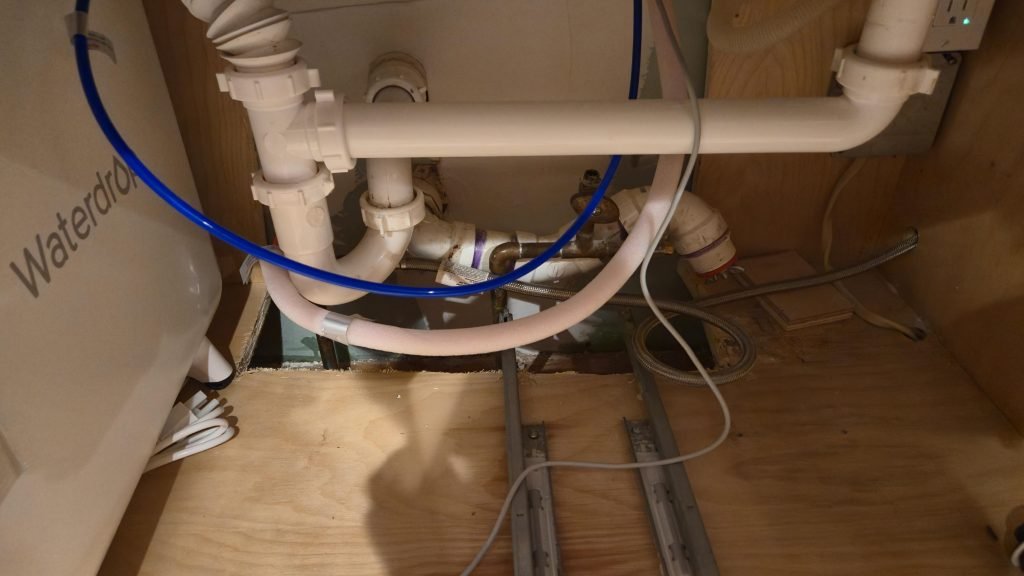
Have you ever opened the cabinet under your kitchen sink and felt confused by all the pipes and connections? Understanding the plumbing under your kitchen sink can save you time, money, and a lot of stress.
Whether you’re dealing with a drip, a clog, or just want to know how everything works, getting to know these hidden parts is easier than you think. You’ll discover simple tips and clear explanations that help you take control of your kitchen plumbing.
Keep reading to unlock the secrets beneath your sink and become more confident in handling common plumbing issues.

Credit: www.reddit.com
Common Issues
Plumbing issues under the kitchen sink are common and can disrupt daily chores. These problems often arise from worn parts, blockages, or improper use. Understanding typical issues helps keep your kitchen running smoothly and avoids costly repairs.
Leaky Faucets: Causes And Solutions
Leaky faucets waste water and increase bills. The usual causes include worn-out washers, loose parts, or corrosion. Tightening connections or replacing washers often stops leaks. Persistent drips might need a new faucet cartridge or valve seat repair. Regular checks prevent leaks from worsening.
Clogged Garbage Disposal: Troubleshooting Techniques
A clogged garbage disposal stops food waste from grinding properly. Common causes are stuck utensils, fibrous foods, or grease buildup. Turn off power before clearing jams. Use a hex wrench to manually rotate the blades if stuck. Avoid putting bones, coffee grounds, or grease down the disposal to prevent clogs.
Slow Draining Sinks: Identifying And Fixing Blockages
Slow drainage signals partial blockages in pipes or traps. Hair, soap, and food scraps often cause buildup. Use a plunger or a drain snake to remove clogs. Baking soda and vinegar can help dissolve mild blockages. Regular cleaning of the drain keeps water flowing freely.
Preventative Maintenance
Preventative maintenance under the kitchen sink helps avoid costly repairs. It keeps pipes, valves, and fixtures working smoothly. Regular care extends the life of your plumbing system. Small efforts now save big headaches later.
Regular Inspection: How To Check For Potential Problems
Look under the sink at least once a month. Check for leaks around pipes and joints. Notice any water stains or damp spots. Listen for dripping sounds. Tighten loose connections carefully. Watch for corrosion or rust on metal parts. Early detection stops damage from spreading.
Maintenance Tasks: Cleaning And Lubricating Moving Parts
Remove debris from drain strainers and traps. Use a brush to clean buildup inside pipes. Clear slow drains with baking soda and vinegar. Apply lubricant to faucet handles and valves. This keeps them turning smoothly. Avoid harsh chemicals that damage pipes. Regular cleaning prevents clogs and keeps water flowing.
Upgrading To Durable Components: When To Replace Old Fixtures
Old pipes can crack or corrode easily. Replace worn-out washers and seals to stop leaks. Upgrade plastic parts to metal for better strength. Choose corrosion-resistant materials like brass or stainless steel. New fixtures reduce future problems and save water. Know the signs: constant leaks, rust, or weak water flow. Investing in quality parts improves kitchen plumbing reliability.
Diy Repairs And Upgrades
Handling plumbing under your kitchen sink can feel intimidating, but many repairs and upgrades are doable on your own with the right guidance. You can save money, learn valuable skills, and customize your kitchen to suit your needs. Ready to tackle some projects that improve both function and style?
Replacing A Kitchen Sink: Step-by-step Guide
Start by turning off the water supply to avoid any messy surprises. Next, disconnect the plumbing pipes carefully and remove the old sink by loosening mounting clips or screws underneath.
Clean the countertop surface thoroughly before placing the new sink. Apply plumber’s putty or silicone sealant around the edge to prevent leaks. Finally, reconnect the plumbing, turn the water back on, and check for any drips.
Does your sink have unusual dimensions or an odd shape? Measure precisely and choose a model that fits perfectly to avoid frustration during installation.
Installing A New Faucet: Tips And Tricks For A Smooth Fit
Before installing, remove the old faucet and clean the area thoroughly. Make sure you have all necessary tools like a basin wrench and plumber’s tape ready.
- Check the faucet’s compatibility with your sink’s mounting holes.
- Attach supply lines to the new faucet before mounting it to the sink.
- Use plumber’s tape on threaded connections to ensure a tight seal.
Have you ever struggled with tight spaces under the sink? Try using a flexible hose or an extension to make connections easier and avoid strain on the pipes.
Upgrading To A Garbage Disposal With A Built-in Grinder
Adding a garbage disposal can make kitchen cleanup faster and reduce food waste. Pick a model with a built-in grinder for better efficiency and quieter operation.
Unplug the old unit and disconnect the drain pipes before removing it. Attach the new disposal’s mounting ring and secure it tightly to the sink flange.
Connect the dishwasher hose if applicable, then wire the disposal following the manufacturer’s instructions. Test the unit by running water and turning it on to ensure smooth grinding.
Thinking about how much time you spend scraping plates? This upgrade can free up your time and keep your sink area cleaner.

Credit: www.facebook.com
When To Call A Professional
Knowing when to call a professional for plumbing under your kitchen sink saves time and stress. Some plumbing problems need expert tools and skills. Trying to fix complex issues alone can cause more damage. Understanding the signs and benefits of hiring a plumber helps you make the right choice quickly.
Recognizing Complex Issues: Signs You Need Expert Help
- Water leaks that continue after basic fixes
- Slow or clogged drains despite using a plunger
- Unusual noises like banging or gurgling sounds
- Foul odors coming from the pipes or drains
- Water pooling under the sink without a clear cause
- Visible corrosion or rust on pipes and fittings
These signs usually mean the problem is deeper or more serious. A professional plumber has the right tools and knowledge to diagnose and fix these issues safely.
Benefits Of Hiring A Plumber: Time And Cost Savings
Hiring a plumber saves time spent on trial and error repairs. Plumbers fix problems faster with proper equipment and experience. They help avoid costly damage caused by improper repairs. A professional ensures your plumbing meets safety standards and lasts longer. This prevents repeated repairs and extra expenses.
Emergency Situations: How To Handle A Burst Pipe Under The Sink
Turn off the main water supply immediately. Use a bucket or towels to catch leaking water. Avoid touching electrical outlets near the leak to prevent shocks. Call a plumber right away to fix the burst pipe. Do not try to repair a burst pipe without proper tools. Acting fast limits water damage and costly repairs.
Kitchen Sink Plumbing Essentials
Understanding kitchen sink plumbing essentials helps keep your kitchen running smoothly. Proper plumbing prevents leaks, clogs, and water damage. It also ensures clean water flow and effective drainage. Knowing key factors makes repairs and upgrades easier.
Choosing The Right Materials: Copper, Pex, Or Pvc Pipes
Choosing the right pipe material affects durability and water quality. Copper pipes last long and resist corrosion. They handle high temperatures well but cost more. PEX pipes are flexible and easy to install. They resist freezing and are budget-friendly. PVC pipes work well for drain lines. They are lightweight and affordable but not for hot water.
- Copper:Strong, durable, expensive, best for hot water.
- PEX:Flexible, easy to install, good for cold and hot water.
- PVC:Cheap, good for drains, not heat-resistant.
Water Pressure And Flow Rate: How To Optimize Your Plumbing System
Water pressure affects sink performance and appliance function. Low pressure causes slow flow and poor drainage. High pressure risks pipe damage and leaks. Test pressure with a gauge for accuracy. Ideal pressure ranges between 40 and 60 psi. Use pressure regulators to maintain balance. Keep pipes clean to avoid blockages. Regular checks help spot problems early.
Sustainable Plumbing Options: Eco-friendly Fixtures And Materials
Eco-friendly plumbing saves water and reduces bills. Low-flow faucets cut water use without losing pressure. Water-efficient aerators mix air to reduce flow. Choose recycled or sustainable pipe materials. Bamboo and recycled plastic offer green alternatives. Installing dual-flush systems lowers water waste. Solar water heaters cut energy use. Small changes make a big environmental impact.

Credit: www.reddit.com
Frequently Asked Questions
What Are Common Plumbing Issues Under Kitchen Sinks?
Common issues include leaks, clogs, and worn-out pipes. These problems cause water damage and bad odors. Regular inspection helps catch problems early and prevents costly repairs.
How Do I Fix A Leaking Pipe Under My Kitchen Sink?
First, turn off the water supply. Tighten loose connections or replace damaged washers. If leaks persist, replace the faulty pipe or call a professional plumber for help.
What Materials Are Used For Kitchen Sink Plumbing?
PVC, PEX, and copper pipes are common. PVC is affordable and easy to install. Copper is durable and resistant to corrosion. Choose materials based on budget and durability needs.
How Often Should I Check Plumbing Under My Kitchen Sink?
Inspect plumbing every 3 to 6 months. Look for leaks, corrosion, or blockages. Regular checks prevent major issues and maintain a healthy plumbing system.
Conclusion
Proper plumbing under the kitchen sink keeps your home safe and clean. Check pipes often for leaks or blockages to avoid big problems. Simple fixes can save time and money. Knowing basic parts helps you understand how everything works. Call a plumber only when needed to prevent damage.
Small care makes your kitchen run smoothly every day. Plumbing care is part of good home maintenance. Keep your kitchen sink plumbing in good shape for peace of mind.

Hi, I’m Daniel Harper, a senior editor here at KitchenBucks.com. For over 10 years, I’ve been exploring kitchen gadgets and appliances to help people find tools that truly add value without breaking the bank. I love simplifying product choices so you can focus more on cooking and less on worrying about what to buy. When I’m not reviewing the latest gadgets, you’ll usually find me experimenting with coffee brewing or firing up the grill for a weekend barbecue.