

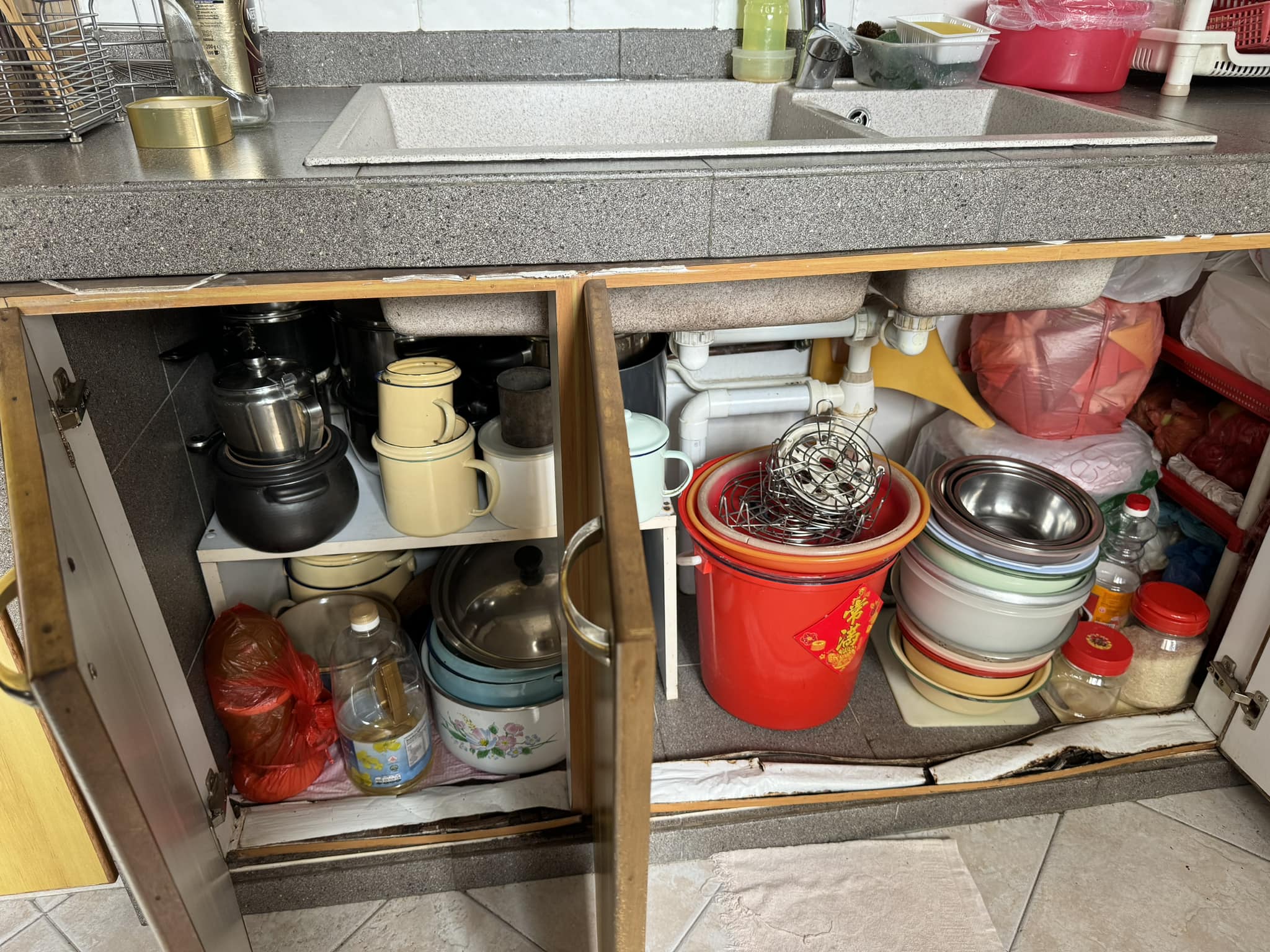
Is the wood under your kitchen sink looking worn out, soft, or even moldy? If you’ve noticed water stains or a musty smell every time you open that cabinet, it’s a clear sign that you need to replace the wood.
Ignoring this problem can lead to bigger issues like bad odors, pests, or even costly water damage. But don’t worry—you don’t have to be a pro to fix it. You’ll discover simple, step-by-step tips to replace the wood under your kitchen sink quickly and safely.
Keep reading to protect your kitchen and bring back that fresh, clean space you deserve.

Credit: www.youtube.com
Assessing Damage
Assessing damage under your kitchen sink is the crucial first step before deciding to replace the wood. It helps you understand the extent of the problem and prevents unnecessary repairs or missed issues. Taking a close look will save you both time and money in the long run.
Identifying Signs Of Rot
Look for discoloration or dark spots on the wood, which often indicate moisture damage. Soft or crumbly wood is another clear sign that rot has set in. Sometimes, you might notice a musty smell—this can be a hidden clue pointing to mold or mildew growth.
Have you ever pushed down on the wood and felt it give way? That’s a strong signal that the wood’s structural integrity is compromised. Also, check for peeling or bubbling paint around the area, as this often means water is trapped underneath. Don’t overlook any swelling or warping, which shows the wood has absorbed water over time.
Tools Needed For Inspection
Gathering the right tools makes your inspection easier and more accurate. A simple flashlight helps you see into dark corners under the sink. Use a screwdriver or awl to gently prod the wood and test its firmness.
- Flashlight:Reveals hidden areas and spots with poor lighting.
- Screwdriver or Awl:Tests wood softness or hollow spots.
- Moisture Meter:Measures the moisture level inside the wood for precise readings.
- Gloves:Protect your hands from mold or sharp edges.
Have you considered using a moisture meter? It’s an inexpensive tool that can confirm if wood feels damp but looks dry to the eye. Small investments like this can prevent costly mistakes later on.
Preparing The Area
Preparing the area before replacing the wood under your kitchen sink is a crucial step that sets the stage for a smooth repair process. Taking time to organize and secure the space helps avoid unexpected problems and makes the job safer and faster. Let’s look at how to get your workspace ready.
Clearing The Sink Cabinet
Start by removing everything stored inside the cabinet under your sink. This includes cleaning supplies, trash bins, and any other items that might be in the way. Clearing the space gives you full access to the damaged wood and prevents accidental spills or damage to your belongings.
Next, wipe down the cabinet interior to remove dust and moisture. This helps you see the extent of the damage clearly and prepares the surface for any treatment or replacement. You might be surprised how much debris collects under there over time—have you checked yours recently?
Safety Precautions
Working under the sink often means dealing with plumbing and electrical components, so safety is key. Before you begin, turn off the water supply valves to avoid leaks or flooding during your work. Also, unplug any electrical devices nearby to prevent shocks.
Wear protective gloves and safety glasses to guard against sharp edges, splinters, and mold exposure. I once underestimated this step and ended up with a nasty scratch that could have been avoided. Trust me, proper protection is worth it.
Ensure good ventilation if you plan to use chemical cleaners or sealants. This keeps your workspace comfortable and reduces inhalation risks. Have you set up a fan or opened a window before tackling similar projects?
Removing Damaged Wood
Removing damaged wood under the kitchen sink is crucial for a strong, lasting repair. This wood often gets wet and weak over time. Removing it carefully prevents further damage and prepares the area for new wood installation.
The process requires the right tools and a clear approach. Safety is important since old wood may have mold or mildew. Take your time to remove all damaged parts thoroughly. This ensures the new wood fits well and lasts longer.
Tools Required For Removal
- Gloves to protect your hands
- Safety goggles to shield your eyes
- Hammer for prying out nails and wood pieces
- Pry bar to lift damaged wood
- Utility knife to cut through caulk or sealant
- Saw for cutting out larger sections
- Screwdriver to remove screws holding wood
- Trash bags to dispose of old wood
- Dust mask to avoid breathing dust or mold
Step-by-step Removal Process
- Clear out the cabinet under the sink.
- Wear gloves, goggles, and dust mask for safety.
- Use a utility knife to cut any caulk or sealant.
- Remove screws or nails holding the damaged wood.
- Gently pry the damaged wood with a pry bar or hammer.
- Cut larger wood sections with a saw if needed.
- Dispose of all damaged wood in trash bags.
- Clean the area, removing dust and debris.
- Check for any remaining moisture or mold before installing new wood.
Choosing Replacement Materials
Choosing the right materials to replace wood under your kitchen sink is crucial. This area faces moisture, heat, and daily wear. Selecting durable, moisture-resistant wood ensures long-lasting support and prevents damage. Understanding wood types and their resistance helps make the best choice for your kitchen.
Types Of Wood Suitable For Kitchens
Not all wood types work well under kitchen sinks. Solid hardwoods are strong and last long. Plywood offers good stability and resists warping. Marine plywood is specially made for wet areas and resists water damage better than regular plywood. Avoid softwoods like pine, which can absorb moisture easily and weaken over time.
- Oak: Durable and strong, resists wear
- Maple: Hard, smooth surface, easy to clean
- Birch: Stable and affordable hardwood
- Marine plywood: Built for moisture resistance
- Exterior-grade plywood: Treated for damp conditions
Considerations For Moisture Resistance
Moisture is the biggest challenge under kitchen sinks. Choose wood that can handle dampness without swelling or rotting. Seal the wood with waterproof paint or sealant. This adds a barrier against water. Look for woods with natural oils or tight grain patterns. These features help block water from soaking in. Proper ventilation also reduces moisture buildup and extends wood life.
Installing New Wood
Installing new wood under the kitchen sink restores stability and prevents water damage. Choose strong, water-resistant wood for lasting support. Proper installation keeps your cabinet safe and secure.
Measuring And Cutting Wood
Measure the space carefully before cutting any wood. Use a tape measure to get exact length and width. Write down the dimensions clearly.
Mark the wood with a pencil using the measurements. A straight edge helps to draw clean, straight lines. Use a saw to cut along the marked lines slowly and steadily.
Check the cut piece fits the space perfectly before moving on. Trim small edges if needed for a snug fit.
Securing Wood In Place
Place the cut wood in the cabinet space under the sink. Make sure it sits flat and level.
Use screws or nails to hold the wood firmly. Drill pilot holes first to avoid splitting the wood. Drive screws in carefully without over-tightening.
For extra strength, add wood glue on the edges before screwing. Wipe away any excess glue to keep the area clean.
Double-check that the wood feels stable and secure. A solid base prevents future damage and supports heavy items.
Sealing And Protecting
Sealing and protecting the wood under your kitchen sink is key to preventing water damage. Proper sealing extends the life of the wood and keeps mold away. This step creates a strong barrier against moisture, especially in damp areas.
Applying Sealant
Choose a high-quality waterproof sealant made for wood. Clean the surface thoroughly before applying. Use a brush or roller to spread the sealant evenly. Cover all edges and corners where water might seep in. Let the sealant dry completely according to the product instructions. Apply a second coat for extra protection if needed.
Additional Waterproofing Tips
- Use a waterproof paint over the sealant for added durability.
- Install a plastic or metal tray under the sink to catch leaks.
- Keep the area dry by fixing leaks quickly.
- Check the sealant regularly and reapply when it starts to wear off.
- Consider using moisture-resistant plywood instead of regular wood.
Final Touches
After replacing the wood under your kitchen sink, finishing touches make a big difference. These steps ensure your work looks clean and functions well. Taking time to tidy up and inspect prevents future problems.
Cleaning Up The Work Area
Clear all tools and debris from the space. Use a vacuum or broom to remove dust and wood chips. Wipe down surfaces with a damp cloth to get rid of any dirt. Proper cleanup keeps your kitchen safe and neat.
Dispose of old wood and scraps properly. Check for any leftover nails or screws on the floor. Organize your tools to avoid losing anything for future projects.
Checking For Completeness
Look closely at the replaced wood for gaps or uneven edges. Make sure the wood fits tightly and is secured with screws or nails. Test the area by pressing gently to check stability.
Inspect nearby plumbing for any leaks or loose fittings. Turn on the water to ensure everything works well. Confirm the cabinet doors open and close without hitting the new wood.

Credit: www.reddit.com
Credit: www.facebook.com
Frequently Asked Questions
How Do I Know If Wood Under My Sink Needs Replacing?
Check for signs like soft spots, mold, or water damage under the sink. These indicate wood rot or decay, signaling a need for replacement to prevent further damage and maintain cabinet integrity.
What Materials Are Best For Replacing Wood Under Kitchen Sinks?
Use moisture-resistant materials like marine plywood or treated plywood. These materials resist water damage and last longer in damp environments, making them ideal for kitchen sink areas.
Can I Replace The Wood Under My Sink Myself?
Yes, with basic tools and careful measurement, you can replace the wood yourself. Ensure you turn off water, remove damaged wood, and install new, treated wood securely.
How Long Does It Take To Replace Wood Under A Kitchen Sink?
Replacing wood typically takes 2 to 4 hours. Time varies based on damage extent, skill level, and drying time for any sealants used.
Conclusion
Replacing wood under your kitchen sink protects your home from damage. Wet or rotted wood can cause leaks and mold growth. Acting quickly keeps your kitchen safe and clean. Use durable, water-resistant materials for a longer-lasting fix. Simple tools and steps make the task doable.
Regular checks help catch problems early. A dry, strong base supports your sink properly. Small repairs now save big costs later. Take care of your kitchen space with smart maintenance. Your home will thank you.
Hi, I’m Daniel Harper, a senior editor here at KitchenBucks.com. For over 10 years, I’ve been exploring kitchen gadgets and appliances to help people find tools that truly add value without breaking the bank. I love simplifying product choices so you can focus more on cooking and less on worrying about what to buy. When I’m not reviewing the latest gadgets, you’ll usually find me experimenting with coffee brewing or firing up the grill for a weekend barbecue.