
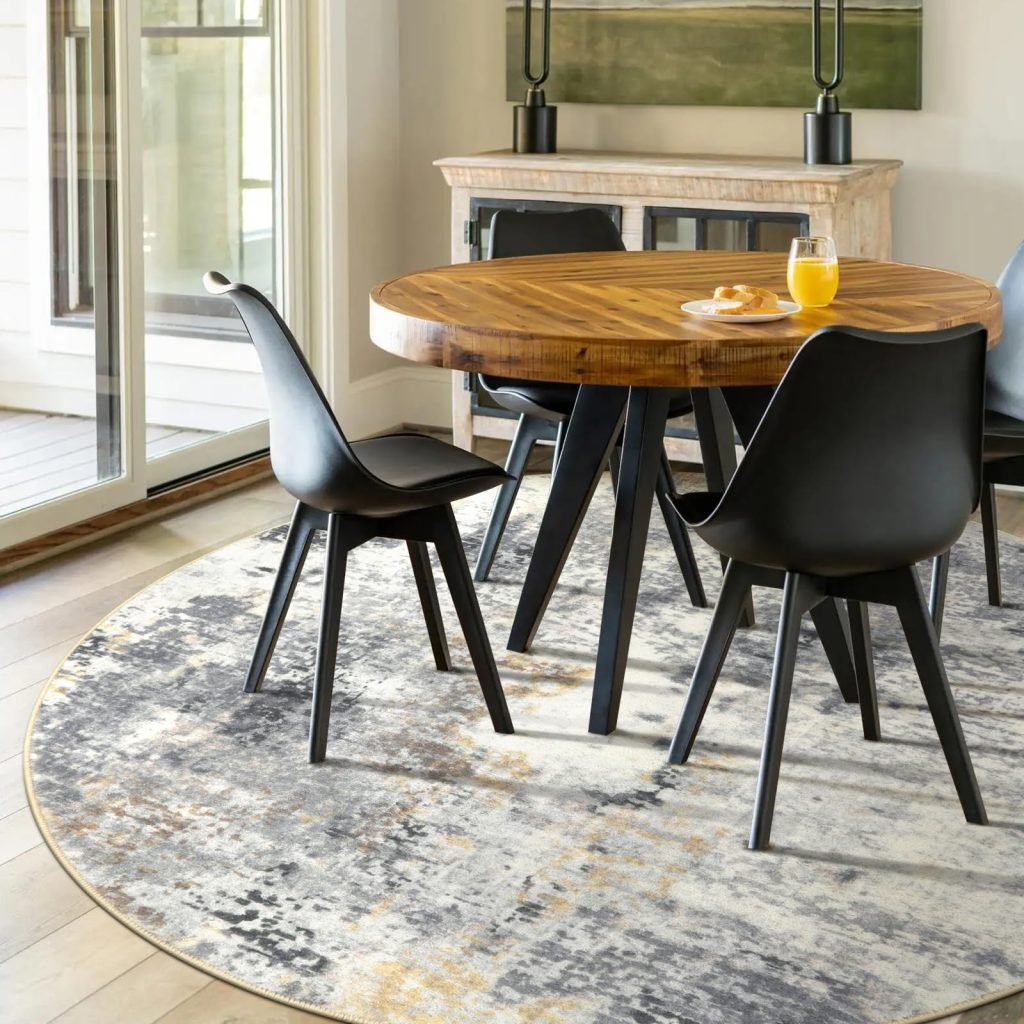
Choosing the right rug for under your kitchen table can change the whole look and feel of your space. You want something that adds comfort and style but also stands up to spills and heavy foot traffic.
Finding that perfect balance might seem tricky, but don’t worry—you’re about to discover simple tips and ideas that will make your kitchen both cozy and practical. Keep reading to find out how to pick a rug that fits your lifestyle and makes every meal feel special.
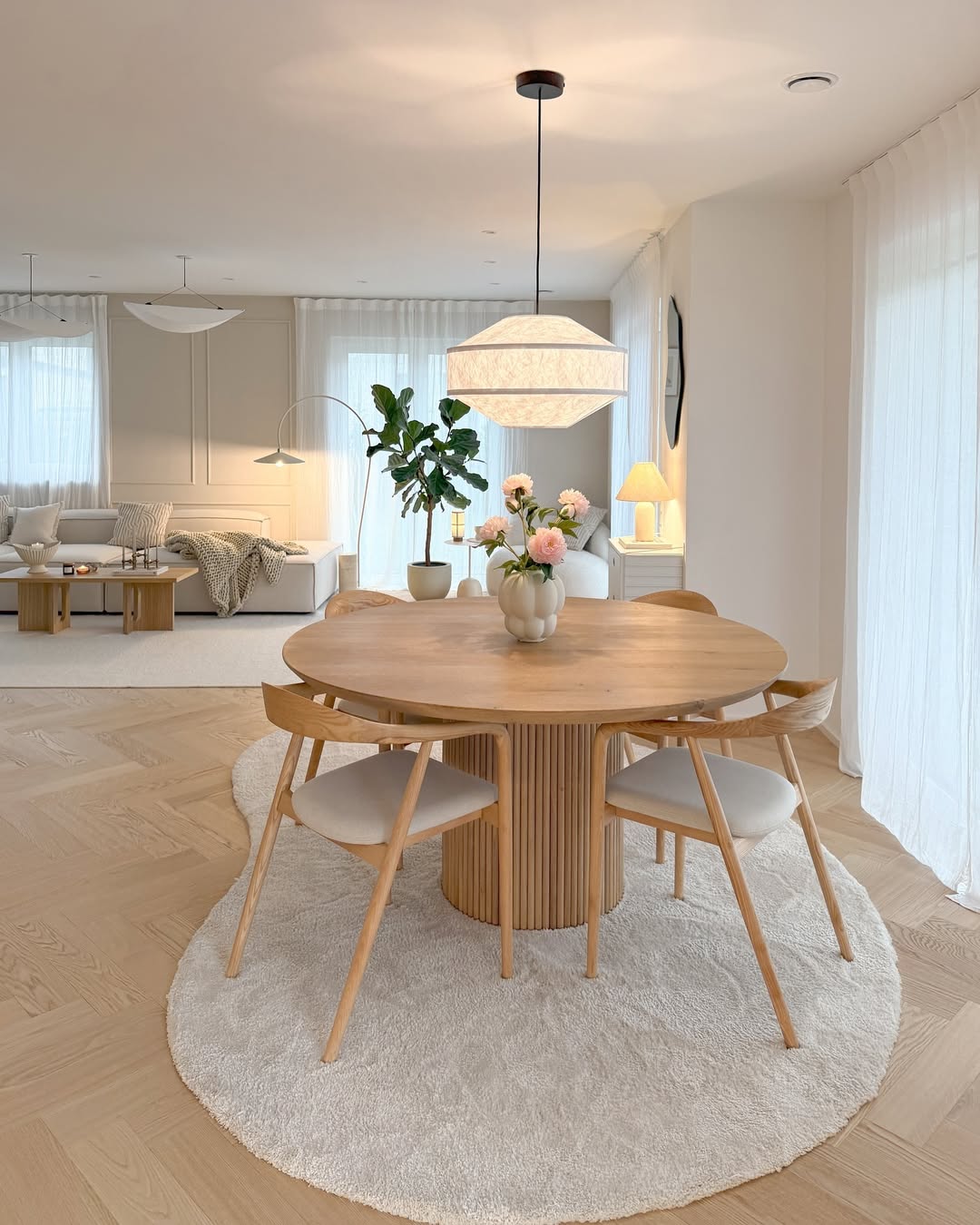
Credit: dressmycrib.com
Choosing The Right Rug Size
Choosing the right rug size for under a kitchen table creates balance and comfort. It protects your floor and adds style. The rug should fit the table and chairs perfectly. Too small or too big rugs cause discomfort or look odd. Measuring carefully helps find the best size.
Measuring Your Kitchen Table Area
Start by measuring the table’s length and width. Use a tape measure and write down the numbers. Check the space around the table too. This helps to understand how much floor the rug must cover. Make sure to measure in inches or centimeters, whichever you prefer.
Allowing Space For Chairs
Chairs need extra room to move back and forth. Add at least 24 inches (60 cm) around the table for chair space. This space keeps the chairs on the rug, even when pulled out. Without this, chairs can catch the rug edges or fall off the rug.
Common Rug Sizes For Kitchens
Most kitchen rugs under tables come in standard sizes. These sizes fit different table shapes and seating numbers. Here is a quick guide:
| Table Size | Recommended Rug Size | Seating Capacity |
|---|---|---|
| 4 feet by 2.5 feet | 6 feet by 9 feet | 4 chairs |
| 5 feet by 3 feet | 8 feet by 10 feet | 6 chairs |
| 6 feet by 4 feet | 9 feet by 12 feet | 6-8 chairs |
Choose a rug size that matches your table and chair space. This keeps your kitchen both stylish and practical.
Best Rug Materials For Kitchens
Choosing the right rug material for under a kitchen table is important. The kitchen is a busy place. Spills, stains, and heavy foot traffic happen often. Rugs in this area need to handle mess and wear. Comfort matters too. The right material can add warmth and style. Some materials clean easily, saving time and effort. Others resist water to prevent damage. Finding a balance between durability, ease of cleaning, and comfort is key.
Durable And Easy-to-clean Options
Strong materials last longer in kitchens. Nylon and polypropylene are popular choices. They resist stains and wear well. These synthetic fibers clean up quickly. A simple vacuum or wipe often works. Wool is also durable and naturally stain-resistant. It can hide dirt and spills. Wool rugs may need gentle cleaning. Avoid harsh chemicals that can damage fibers.
Water-resistant Fabrics
Kitchens often have water spills and splashes. Water-resistant rugs prevent damage and mold. Vinyl and polyester rugs dry quickly. They do not absorb moisture easily. Some rugs have a waterproof backing. This keeps floors dry and safe. Easy-to-dry rugs reduce odors and mildew. Choose low-pile rugs to avoid trapping water inside.
Comfort And Style Balance
Comfort is important for standing and sitting areas. Cotton rugs feel soft underfoot. They add a cozy touch to kitchens. However, cotton can stain and wear faster. Blended fabrics mix softness with durability. Patterns and colors can hide stains well. Choose rugs that fit your kitchen style. A good rug complements cabinets and flooring. Soft padding under the rug adds extra comfort.
Rug Styles That Complement Dining Spaces
Choosing the right rug style for under your kitchen table can transform your dining area into a welcoming, stylish space. The right rug not only adds comfort but also enhances the overall look and feel of your kitchen. Let’s look at some rug styles that work well in dining spaces and how they can suit your daily needs and aesthetic preferences.
Patterns To Hide Stains
Dining areas are prone to spills and stains, so choosing a rug with patterns can help keep your space looking clean longer. Busy patterns like florals, geometric shapes, or abstract designs effectively mask minor spills and crumbs.
Consider a rug with multi-colored patterns instead of solid colors. This way, any accidental stains blend in rather than stand out. Have you noticed how some patterned rugs make cleaning less stressful? This practical choice saves you time and worry.
Colors That Brighten The Room
Light and bright colors can instantly make your dining space feel more inviting and open. Shades like soft yellows, pastel blues, or even a crisp white can reflect light and lift the mood of the room.
If your kitchen tends to be dim or lacks natural light, a bright rug can counteract that gloom. You can also pair these colors with neutral furniture to keep the balance fresh and vibrant. What colors make you feel happiest while sharing meals?
Matching Rugs With Kitchen Decor
Your rug should complement the existing kitchen decor, tying the space together visually. Look at the colors, materials, and style of your cabinets, countertops, and chairs before selecting a rug.
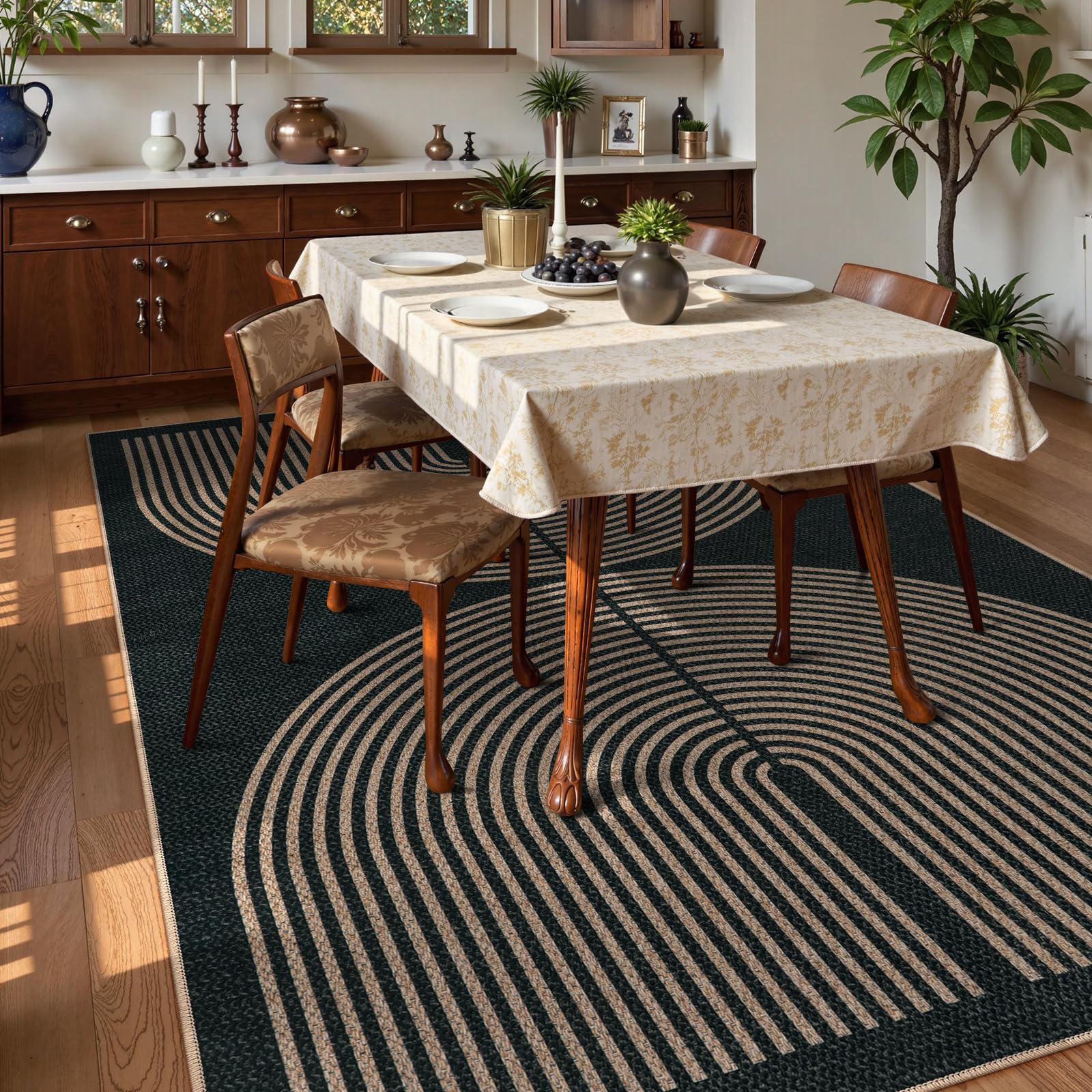
For example, a rustic kitchen with wooden cabinets pairs well with natural fiber rugs like jute or sisal. Meanwhile, a modern kitchen with sleek surfaces benefits from low-pile, solid-colored rugs that don’t compete with the decor. How can your rug enhance the story your kitchen is already telling?

Credit: www.amazon.com
Placement Tips For Kitchen Table Rugs
Choosing the right rug for under your kitchen table is only half the battle. How you place it can make a huge difference in both style and function. Thoughtful placement can protect your floors, add comfort, and enhance the look of your dining area.
Centering The Rug Properly
Start by positioning the rug so it’s perfectly centered under your kitchen table. Make sure the rug extends at least 24 inches beyond all sides of the table. This allows chairs to move back without slipping off the rug.
If your rug is too small or off-center, it can look awkward and feel unstable. Take a few steps back and check from different angles—does it feel balanced? Adjust as needed until it feels just right.
Securing The Rug To Prevent Slips
A rug that slips underfoot is frustrating and unsafe, especially in a busy kitchen. Use a non-slip rug pad underneath to keep the rug firmly in place. These pads also protect your floors from scratches and add extra cushioning.
If your rug is on a slick surface like tile or hardwood, consider double-sided carpet tape for extra grip. You don’t want to worry about your rug sliding every time someone pulls out a chair.
Layering Rugs For Texture
Layering rugs can add depth and style to your kitchen space, but it requires careful placement. Start with a large, neutral base rug that covers the entire dining area. Then, add a smaller, patterned rug directly under the table for visual interest.
Make sure the top rug doesn’t slip by anchoring it with a rug pad or tape. This technique works well if you want to define the dining area within an open floor plan or bring in a pop of color without overwhelming the room.
Maintenance And Cleaning Advice
Keeping a rug under your kitchen table clean and well-maintained can truly extend its life and keep your dining area looking fresh. Rugs in kitchens face spills, crumbs, and foot traffic daily, so a solid routine helps you stay ahead of wear and tear. Let’s look at some simple, practical ways to care for your rug.
Regular Vacuuming Techniques
Vacuum your kitchen rug at least twice a week to remove dust and crumbs before they settle deep into the fibers. Use a vacuum with adjustable height settings to avoid damaging delicate weaves. If your vacuum has a beater bar, switch it off to prevent pulling threads, especially on flatweave or natural fiber rugs.
Don’t forget to vacuum both sides occasionally; dirt often hides underneath. This can make a noticeable difference in freshness. Have you noticed how regular vacuuming keeps your rug looking almost new longer?
Spot Cleaning Stains Quickly
Stains happen fast in the kitchen. Act immediately by blotting spills with a clean cloth—never rub, as it spreads the stain. Use a mild detergent mixed with water for most stains, but always test in a small area first to avoid discoloration.
For tougher spots like wine or tomato sauce, apply a bit of white vinegar mixed with water and blot gently. If you have pets, keep a pet-safe cleaner handy for unexpected accidents. How often do you find yourself rushing to clean spills before guests arrive?
Deep Cleaning Frequency
Even with regular vacuuming and spot cleaning, your kitchen rug needs a deep clean every 6 to 12 months. You can hire professional cleaners or do it yourself with a carpet shampooer suitable for your rug type. Make sure the rug dries completely before placing it back to prevent mold and odors.
Some natural fiber rugs benefit from gentle hand washing outdoors, but check care labels carefully. Deep cleaning restores vibrancy and removes embedded dirt you can’t see. When was the last time your kitchen rug got a thorough clean?
Credit: www.amazon.com
Budget-friendly Rug Options
Rugs under a kitchen table bring warmth and style without costing too much. Budget-friendly options offer durability and charm without breaking the bank. Choosing the right material, finding good deals, or making your own rug can save money and add a personal touch to your kitchen space.
Affordable Rug Materials
Natural fibers like jute and sisal are strong and affordable. They hold up well in busy kitchen areas and add a rustic look. Synthetic materials like polypropylene resist stains and clean easily. These rugs often cost less and last longer in homes with kids or pets.
Where To Find Deals
- Online marketplaces offer a wide range of budget rugs with discounts.
- Local discount stores often carry durable rugs at low prices.
- Seasonal sales and clearance events provide excellent opportunities to save.
- Secondhand shops or thrift stores can surprise you with unique finds.
Diy Rug Ideas
Simple projects use materials like drop cloths or old fabric. You can paint patterns or add trim for a custom look. Braiding or weaving strips of fabric creates colorful, washable rugs. These options reduce costs and allow creativity in your kitchen decor.
Frequently Asked Questions
What Size Rug Works Best Under A Kitchen Table?
Choose a rug that extends 24 inches beyond all table sides. This allows chairs to move comfortably without slipping off the rug. Measure your table and add this extra space for a balanced look and practical use.
Which Rug Material Suits Kitchen Areas Under Tables?
Opt for durable, stain-resistant materials like polypropylene, nylon, or cotton blends. These materials handle spills well and are easy to clean, making them ideal for kitchen environments.
How To Prevent Rugs From Slipping Under Kitchen Tables?
Use a high-quality rug pad designed for hard floors. It adds grip, prevents slipping, and protects your floor from scratches, ensuring safety and stability.
Can Rugs Protect Kitchen Floors From Damage?
Yes, rugs act as a barrier against scratches, spills, and wear. They help maintain your floor’s appearance and reduce noise, making them both functional and decorative.
Conclusion
Choosing the right rug under your kitchen table adds comfort and style. It protects your floor and makes cleaning easier. Soft textures invite everyone to sit and stay longer. Size matters—pick one that fits well without crowding the space. Patterns and colors can brighten up your kitchen’s look.
A good rug blends function with beauty. Enjoy meals on a cozy, attractive surface every day. Rugs bring warmth and charm to your kitchen space. Small changes make a big difference in your home’s feel.
Hi, I’m Daniel Harper, a senior editor here at KitchenBucks.com. For over 10 years, I’ve been exploring kitchen gadgets and appliances to help people find tools that truly add value without breaking the bank. I love simplifying product choices so you can focus more on cooking and less on worrying about what to buy. When I’m not reviewing the latest gadgets, you’ll usually find me experimenting with coffee brewing or firing up the grill for a weekend barbecue.