
Have you ever noticed a strange, unpleasant smell coming from under your kitchen sink? That sewer smell can be more than just annoying—it might signal a problem that needs your immediate attention.
You might wonder what’s causing it and how to get rid of it quickly. You’ll discover simple, effective ways to identify the source of that smell and keep your kitchen fresh and safe. Keep reading, because solving this issue is easier than you think.
Common Causes
Noticing a sewer smell under your kitchen sink can be unsettling. Understanding the common causes helps you fix the problem quickly and avoid future headaches. Let’s explore the typical reasons behind that unpleasant odor and what you can do about them.
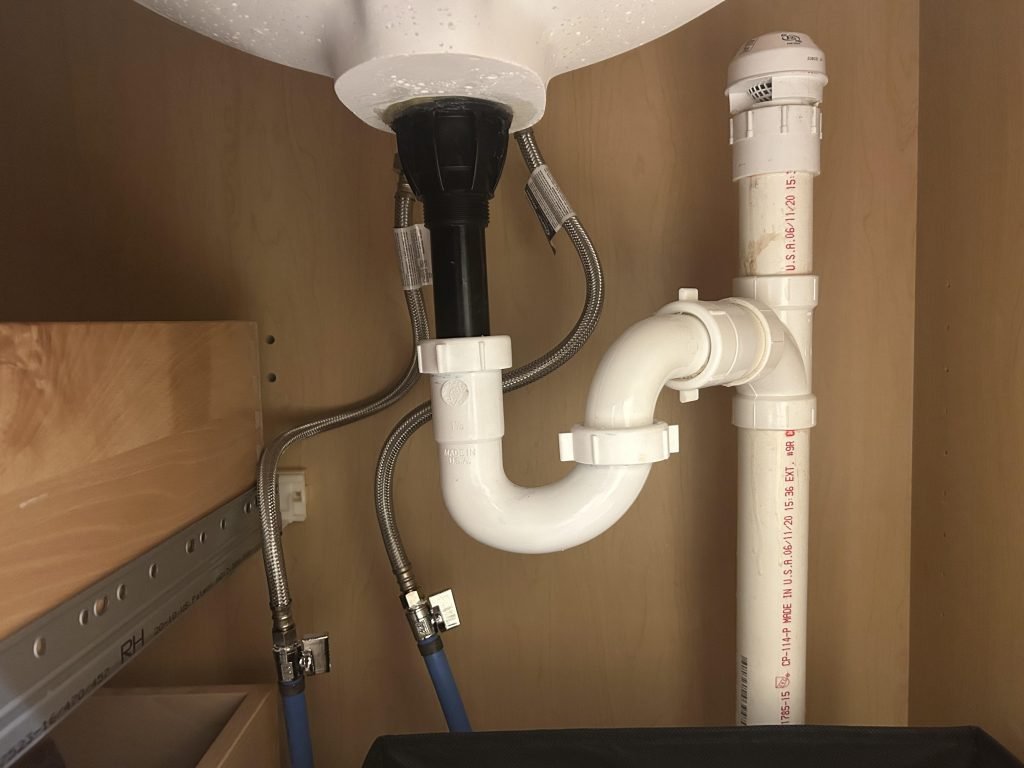
Dry P-trap
The P-trap under your sink holds water that blocks sewer gases from entering your home. If this water dries out, those gases can escape and cause a foul smell. This often happens if the sink hasn’t been used for a while, such as in a guest house or vacation home.
Try running water down the drain for a few seconds to refill the trap. It’s a simple fix that many overlook, but it can instantly eliminate the smell.
Clogged Drain
Food scraps, grease, and soap can build up inside the drain and cause blockages. This not only slows drainage but also traps decaying material that creates bad odors. Sometimes, you might notice slow draining or gurgling sounds before the smell starts.
Regularly cleaning your drain with a mixture of baking soda and vinegar or a gentle drain cleaner can help. Avoid harsh chemicals that might damage your pipes.
Ventilation Issues
Your plumbing system has vents to let sewer gases escape safely outside. If these vents are blocked by debris, leaves, or even bird nests, the gases can be forced back into your kitchen. This problem is less obvious but just as serious.
Check the vent pipes on your roof for blockages or hire a professional to inspect them. Proper ventilation keeps your plumbing system balanced and odor-free.
Pipe Damage
Cracked or broken pipes can leak sewer gases into your kitchen area. Damage may occur due to shifting foundations, corrosion, or accidental impacts during renovations. If you smell sewage consistently and can’t find other causes, damaged pipes might be the culprit.
Look for damp spots, mold, or visible cracks under the sink. Fixing or replacing damaged pipes quickly prevents health risks and costly repairs.

Credit: www.reddit.com
Immediate Fixes
Dealing with a sewer smell under your kitchen sink can be frustrating, especially when you want a quick solution. Immediate fixes can often clear up the odor without calling a plumber. These simple steps can make a noticeable difference fast, letting you breathe easier in your own kitchen.
Pour Water In The Trap
The trap under your sink holds water to block sewer gases from coming up. If it dries out, the smell can escape into your kitchen. Pour a few cups of water down the drain to refill the trap and seal the pathway for odors.
Have you checked recently if the trap is dry? Even a quick splash of water might solve the problem instantly.
Use Baking Soda And Vinegar
This classic duo can clean your drain and neutralize odors. Pour half a cup of baking soda down the drain, followed by half a cup of vinegar. Let it fizz for 15 minutes, then flush with hot water.
The bubbling action breaks down buildup and clears away smelly residue. It’s a natural and inexpensive trick you can try right now.
Clean The Drain
Food scraps and grease can stick inside the drain and cause persistent odors. Remove the drain cover and use a brush or wire to clear out any debris. Wiping the drain area regularly prevents buildup that leads to smells.
Think about when you last cleaned your drain. Could a bit of grime be the culprit behind the stench?
Check For Leaks
Leaks under your sink can create damp spots that encourage mold and bacteria, adding to the smell. Inspect the pipes and connections carefully for any signs of moisture or drips. Tighten loose fittings or replace worn-out washers to stop leaks.
Sometimes, a small leak hidden in the shadows is the root of your problem. Have you looked closely enough to spot it?
Preventive Measures
Dealing with a sewer smell under your kitchen sink can be frustrating, but you don’t always have to call a plumber immediately. Many odors are preventable with simple habits and checks. Taking action before the smell starts can save you time, money, and a lot of discomfort.
Regular Cleaning
Cleaning your sink drain regularly helps stop buildup that causes odors. Use a mixture of baking soda and vinegar followed by hot water to break down grease and food particles. This natural method is safe and effective, and you can do it once a week to keep smells away.
Don’t forget to wipe the area under the sink, as spills can add to the smell problem. Have you checked your drain traps lately? They often collect debris that leads to bad odors.
Proper Venting
Proper venting ensures sewer gases escape outside instead of lingering under your sink. If your vent pipes are blocked or poorly installed, smells can back up into your kitchen. Make it a habit to inspect vents, especially after heavy storms or renovations.
If you notice persistent smells even after cleaning, poor venting might be the cause. Have you ever wondered why some sinks never smell, no matter what? Their ventilation is usually spot on.
Avoiding Grease Disposal
Pouring grease down your kitchen sink is a common cause of sewer smells. Grease solidifies and clogs pipes, creating a perfect place for bacteria to grow. Instead, collect grease in a container and throw it in the trash.
Think about the last time you poured leftover cooking oil down the drain. Could this be contributing to your smell problem? Changing this habit can make a big difference.
Routine Inspections
Schedule regular checks of your plumbing system to catch issues early. Look for leaks, loose pipe connections, or damaged seals under the sink. Even a small crack can let sewer gases escape and cause odors.
Try to inspect your sink area every few months or after any unusual smell appears. Keeping an eye on these details helps you stay ahead of costly repairs and keeps your kitchen fresh.

Credit: www.reddit.com
When To Call A Professional
Knowing when to call a professional for a sewer smell under your kitchen sink can save you from bigger problems and costly repairs. Some issues might seem minor but can quickly escalate if not handled properly. Let’s look at clear signs that show it’s time to bring in an expert.
Persistent Odors
If the sewer smell won’t go away even after cleaning and airing out the area, it’s a red flag. Temporary fixes like baking soda or vinegar might mask the odor but won’t solve the underlying problem. Persistent odors often mean there’s a deeper issue in your plumbing system that needs professional inspection.
Frequent Clogs
Do you find yourself constantly plunging the sink or using drain cleaners? Frequent clogs can indicate a blockage beyond simple debris, like tree roots or pipe damage. Professionals have the right tools to diagnose and clear tough blockages without harming your pipes.
Visible Pipe Damage
Check under your sink for any cracks, rust, or corrosion on the pipes. Damaged pipes can leak sewer gases and cause that unpleasant smell. If you notice any visible damage, calling a plumber immediately can prevent leaks from worsening and contaminating your home.
Unusual Noises
Strange gurgling or bubbling sounds coming from your sink drain often signal trapped air or blockages in your pipes. These noises shouldn’t be ignored as they can lead to sewer gas buildup. A professional can pinpoint the exact cause and fix it before it affects your home’s air quality.

Credit: www.angi.com
Frequently Asked Questions
Why Is There A Sewer Smell Under My Kitchen Sink?
A sewer smell under your kitchen sink usually indicates a dry or broken P-trap. It can also mean a clogged drain or vent issue. These problems let sewer gases escape, causing the foul odor.
How Can I Fix Sewer Odor Under Kitchen Sink?
To fix sewer odor, first check and refill the P-trap with water. Clean the drain to remove clogs and debris. If the smell persists, inspect vent pipes or call a plumber for professional help.
Can A Clogged Drain Cause Sewer Smell Under Sink?
Yes, a clogged drain can trap food and waste, causing bacteria growth. This leads to unpleasant sewer smells under the sink. Regular drain cleaning helps prevent odors and maintain proper drainage.
Is A Dry P-trap Responsible For Sewer Smell?
A dry P-trap loses its water seal, allowing sewer gases to escape. This often happens if a sink is unused for a long time. Pouring water down the drain regularly keeps the trap sealed and odor-free.
Conclusion
Sewer smell under the kitchen sink signals a problem that needs quick action. Check for leaks, clogs, or dry traps to stop the odor. Regular cleaning helps keep your kitchen fresh and safe. Ignoring the smell may lead to bigger plumbing issues later.
Keep your kitchen healthy by fixing sewer smells as soon as you notice them. Taking small steps today prevents bigger problems tomorrow. Stay alert and maintain your pipes for a cleaner home.
