
Have you ever noticed a strange smell or slow drainage under your kitchen sink? The problem might be with the trap beneath it.
This small, often overlooked part plays a big role in keeping your kitchen fresh and free from clogs. Understanding how the trap under your kitchen sink works can save you time, money, and a lot of frustration. Keep reading to discover why this simple device matters and how you can spot and fix common issues before they become a headache.
Credit: www.walmart.com
The Hidden Dangers Of A Neglected Trap
Neglecting the trap under your kitchen sink might seem harmless at first. Yet, ignoring this small but crucial part can lead to serious problems. You might not notice until there’s a foul smell or water damage, but the risks are real and often costly.
What Is A Trap Under The Kitchen Sink?
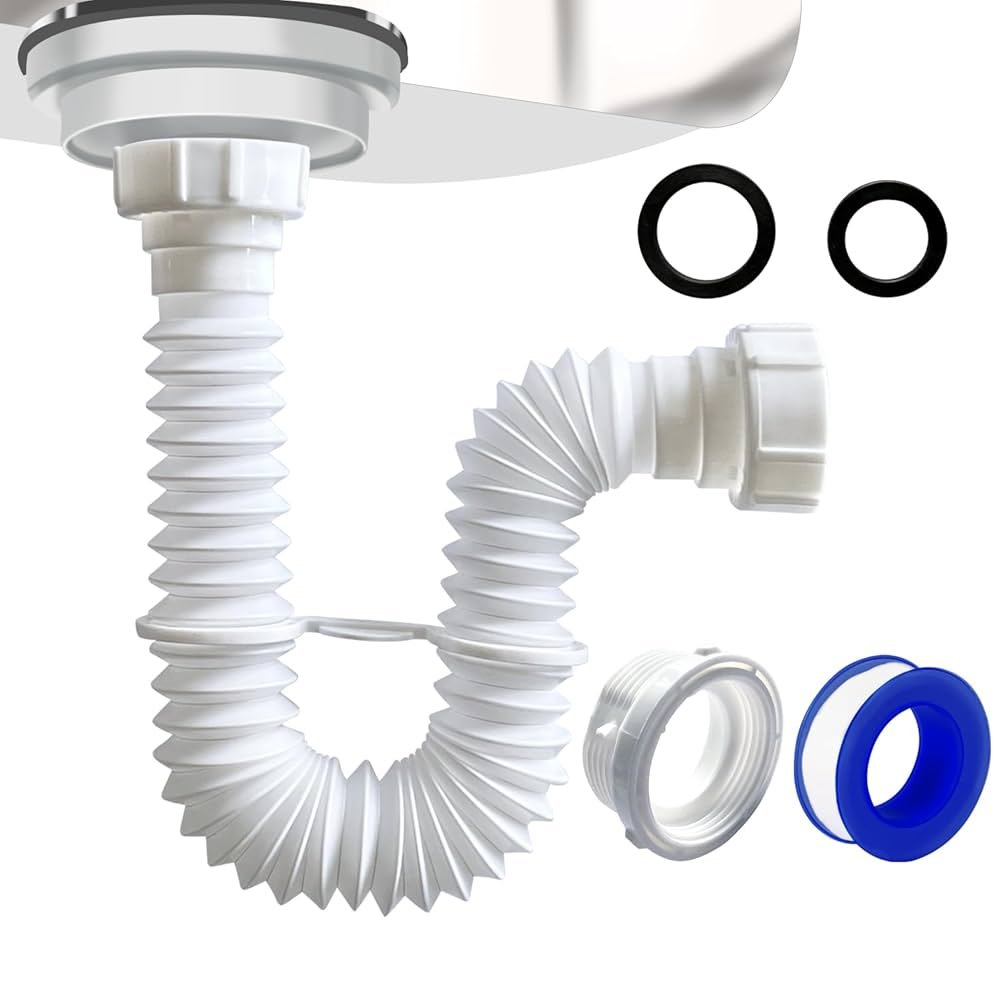
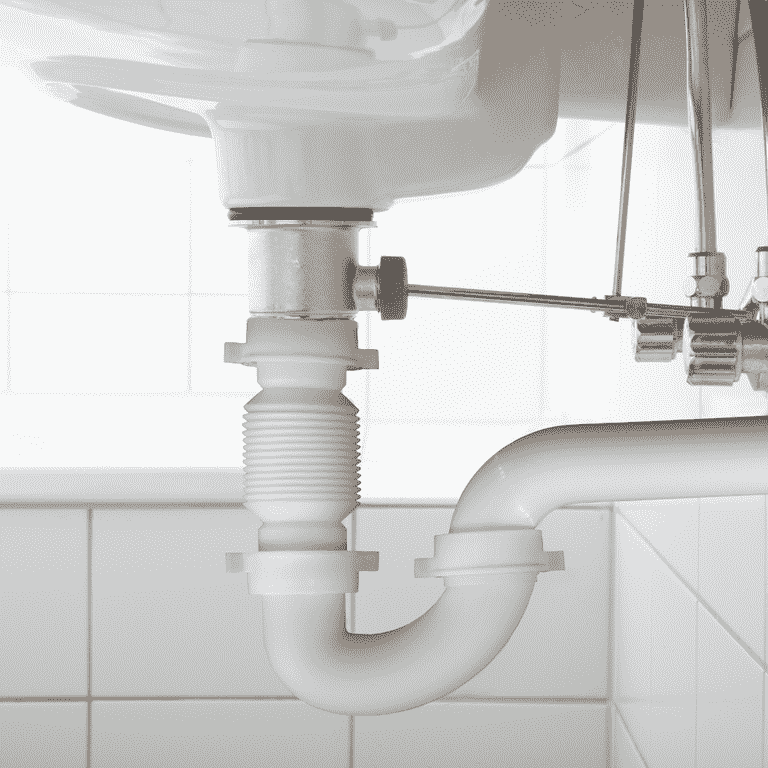
The trap is a curved pipe located just below your kitchen sink drain. Its main job is to hold water, which blocks sewer gases from coming back into your home. Without this water barrier, unpleasant odors and harmful gases could enter your living space.
Besides preventing smells, the trap also catches debris like food particles and grease. This stops them from clogging the wider plumbing system. Understanding this simple function helps you see why the trap needs regular attention.
The Risks Of A Clogged Or Leaking Trap
A clogged trap can cause water to drain slowly or back up completely. This creates a breeding ground for bacteria and mold, which can affect your health. Have you ever noticed a stubborn sink drain or a strange smell that just won’t go away?
Leaks around the trap can lead to water damage under your sink. This often goes unnoticed until it causes wood rot or mold growth inside your cabinets. Such damage can be expensive to fix and may require replacing parts of your kitchen.
- Health risks:Mold and bacteria from trapped water.
- Structural damage:Water leaks weaken cabinets and flooring.
- Costly repairs:Fixing leaks or replacing damaged parts.
Regularly checking and cleaning your trap can help you avoid these issues. Don’t wait until you see water pooling or smell something unpleasant—act early to protect your home.

Credit: www.amazon.com
Maintenance Is Key
Maintaining the trap under your kitchen sink ensures smooth drainage and avoids costly repairs. This small plumbing part stops sewer gases from entering your home. Regular care keeps it working well and prevents leaks or clogs. Simple upkeep can extend the life of your plumbing system.
Regular Checks For Signs Of Wear And Tear
Inspect the trap often for cracks or rust. Look for water leaks or damp spots under the sink. Tighten loose connections to stop drips. Early detection of damage saves money on major repairs.
Clearing Hair And Debris Accumulation
Hair and food particles block the trap and slow drainage. Remove the trap carefully and clean out the debris. Use a small brush or a cloth for thorough cleaning. Doing this regularly keeps water flowing freely.
Preventing Grease And Soap Scum Buildup
Grease and soap form sticky layers inside the trap. These layers trap dirt and cause clogs. Avoid pouring grease down the drain. Use hot water and mild detergent to flush the trap monthly. This practice reduces buildup and maintains flow.
Diy Maintenance And Repair
Taking care of the trap under your kitchen sink is easier than you might think. Regular DIY maintenance can prevent costly plumber visits and keep your sink draining smoothly. You don’t need to be a professional; a few simple tools and clear steps can help you fix common issues quickly.
Tools And Materials Needed For Basic Repairs
Before you start, gather these essentials:
- Adjustable wrench or channel-lock pliers
- Bucket or bowl to catch water
- Plumber’s tape (Teflon tape)
- Replacement trap or trap parts (if needed)
- Old toothbrush or small cleaning brush
- Rags or paper towels
- Rubber gloves
Having everything ready saves time and reduces frustration. You’ll avoid unnecessary trips to the store if you prepare your workspace well.
Replacing A Clogged Or Faulty Trap
If your sink is draining slowly or smells bad, the trap might be clogged or damaged. Place a bucket underneath to catch any water before loosening the slip nuts by hand or with pliers.
Remove the trap carefully and check for blockages like food debris or grease buildup. Clean it thoroughly or replace it if cracked or corroded. Reassemble the trap, making sure the connections are snug but not overtightened.
Have you noticed any recurring clogs? Sometimes, replacing the trap with a new one made of durable material can save time and hassle in the long run.
Sealing Leaks And Cracks
Leaks often happen at the joints or where the trap connects to pipes. Inspect these areas closely for drips or moisture.
Wrap plumber’s tape around threaded connections before reassembling to create a better seal. Use a wrench to tighten nuts just enough to stop leaks—too much force can crack the fittings.
If cracks appear on the trap itself, replacement is usually the best option. Temporary fixes like sealants can work, but they rarely last long and can cause bigger problems later.
Have you ever ignored a small leak, only to find a bigger issue later? Catching leaks early protects your cabinets and floors from water damage.

Credit: www.walmart.com
When To Call A Professional
Knowing when to call a professional for issues with the trap under your kitchen sink can save you time, money, and stress. Some problems might seem small but can quickly escalate if not handled properly. Understanding the signs that require expert help ensures your plumbing stays in good shape.
Recognizing The Need For Expert Assistance
Is your sink draining slowly despite your efforts to clear the trap? Persistent clogs or unusual odors coming from the drain are clear signs you might need a pro. If you notice water leaking under the sink or damage to the pipes, don’t wait—these issues often worsen without the right tools and knowledge.
Sometimes, the trap might be incorrectly installed or have parts that are corroded or cracked. Attempting repairs without experience can lead to bigger problems like water damage or mold. Ask yourself: Have you tried multiple fixes with no success? That’s a good indicator it’s time to call a licensed plumber.
Benefits Of Hiring A Licensed Plumber
Hiring a licensed plumber ensures you get skilled and reliable service. They bring the right tools and expertise to identify the root cause quickly and fix it properly the first time. This saves you the hassle of repeated repairs and potential damage.
A professional can also spot hidden issues that you might miss, such as faulty pipe connections or outdated components. They follow safety codes and standards, protecting your home and family from hazards. Plus, many licensed plumbers offer warranties on their work, giving you peace of mind.
Would you rather spend hours fiddling with a stubborn trap or have a pro fix it efficiently? Investing in expert help often ends up cheaper in the long run by avoiding costly damage and emergency calls.
Tips For A Long-lasting Trap
Ensuring your kitchen sink trap lasts long saves you from constant repairs and unpleasant odors. A durable trap keeps your drain system running smoothly and protects your home’s plumbing. Here are practical tips you can apply to extend the life of your trap and avoid common issues.
Using A Trap With A Built-in Grease Trap
Choosing a trap that includes a built-in grease trap can make a big difference. It captures grease before it enters your pipes, reducing clogs and buildup. This simple feature helps maintain water flow and prevents costly blockages.
Think about how often grease from cooking enters your sink. By trapping it early, you reduce the chance of hardened deposits forming inside the plumbing. This also means less frequent cleaning and fewer plumbing calls.
Installing A P-trap With A Vent Pipe
A P-trap alone isn’t enough; pairing it with a vent pipe is crucial for proper drainage. The vent pipe allows air to flow, preventing pressure buildup that can disrupt the trap’s water seal. This keeps sewer gases from escaping into your kitchen.
Improper venting might cause slow drains or gurgling sounds in your pipes. Installing the vent correctly ensures your sink drains efficiently and your trap functions as intended. Have you checked if your sink’s vent pipe is clear and functional lately?
Regularly Inspecting And Maintaining Your Drain System
Routine inspection is key to a long-lasting trap. Look under your sink every few months for leaks, corrosion, or unusual smells. Early detection helps you fix small issues before they turn into expensive repairs.
Cleaning your trap regularly also keeps it in good condition. Remove debris and buildup with safe, non-corrosive cleaners or simply flush with hot water. Regular maintenance might seem like extra work, but it prevents nasty surprises and keeps your kitchen fresh.
Frequently Asked Questions
What Is A Trap Under The Kitchen Sink?
A trap under the kitchen sink is a curved pipe that prevents sewer gases from entering your home. It holds water to block odors and debris. This plumbing part helps maintain hygiene and ensures proper drainage.
Why Does The Kitchen Sink Trap Smell Bad?
A kitchen sink trap smells bad due to trapped food debris or stagnant water. Bacteria grow in this environment, causing foul odors. Regular cleaning and flushing with hot water can eliminate the smell and keep the trap fresh.
How Do I Clean The Trap Under My Kitchen Sink?
To clean the trap, place a bucket underneath, unscrew the trap carefully, and remove debris inside. Rinse it thoroughly with water, then reinstall securely. Regular cleaning prevents clogs and maintains smooth drainage.
Can A Clogged Sink Trap Cause Slow Drainage?
Yes, a clogged sink trap often causes slow drainage. Food particles, grease, and debris block water flow in the trap. Cleaning or replacing the trap usually resolves slow drainage issues effectively.
Conclusion
A trap under the kitchen sink keeps your home safe from bad smells. It stops sewer gases from entering your kitchen. Regular checks help avoid clogs and leaks. Fixing problems early saves money and stress later. Knowing how a sink trap works makes home care easier.
Keep it clean and watch for signs of trouble. A small effort goes a long way in maintaining a healthy kitchen. Simple steps protect your home’s comfort and hygiene every day.
