
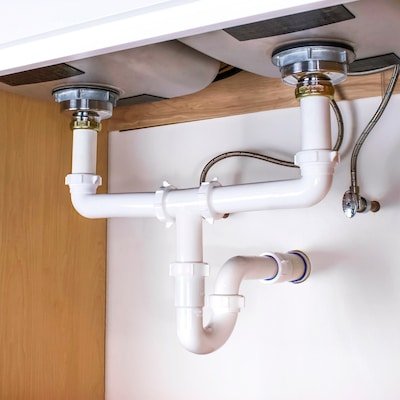
Have you ever opened the cabinet under your kitchen sink and felt unsure about what’s going on back there? Under kitchen sink plumbing might seem confusing, but understanding it can save you time, money, and stress.
Whether you’re dealing with a slow drain, a leak, or just want to know how everything works, this guide is made for you. By the end, you’ll feel confident handling common plumbing issues and keeping your kitchen running smoothly. Ready to take control of your under sink plumbing?
Let’s dive in.

Credit: www.lowes.com
Common Plumbing Issues
Under kitchen sink plumbing often faces common issues that disrupt daily use. These problems can affect water flow, cause damage, and increase water bills. Knowing the usual issues helps in quick detection and repair.
Leaks And Drips
Leaks and drips are frequent under sink problems. They happen due to loose connections, worn-out washers, or cracked pipes. Even small leaks waste water and can cause mold or damage to cabinets. Regular checks prevent bigger issues.
Clogs And Blockages
Clogs occur from food scraps, grease, or soap buildup in pipes. Blockages slow drainage and may cause water to back up. Using strainers and avoiding pouring grease down the drain helps reduce clogs. Sometimes, a plumber’s snake clears tough blockages.
Low Water Pressure
Low water pressure under the sink can result from clogged aerators or pipes. Sediment buildup or pipe corrosion also reduces flow. Cleaning aerators and checking pipes restore proper water pressure for smooth sink use.
Essential Tools And Materials
Having the right tools and materials ready makes under kitchen sink plumbing much smoother and less stressful. Without them, you might find yourself stuck halfway through a job or causing more damage than fixing it. Let’s look at what essentials you should keep close by to handle most common plumbing tasks under your kitchen sink.
Basic Plumbing Tools
Start with a solid set of basic plumbing tools. These will help you tighten, loosen, and adjust fittings easily.
- Adjustable wrench:Perfect for gripping nuts and bolts of various sizes.
- Pipe wrench:Offers a strong grip on larger pipes and fittings.
- Slip-joint pliers:Great for turning and holding pipes and valves.
- Plumber’s tape (Teflon tape):Helps seal threaded connections to prevent leaks.
- Bucket:Essential for catching water during repairs.
Do you have these tools in your toolbox already? If not, consider investing in them before tackling any plumbing project.
Sealants And Tape
Sealants and tape are your best friends when it comes to stopping leaks. They ensure tight connections and prevent water damage.
- Plumber’s putty:Used to create watertight seals around drains and faucets.
- Silicone sealant:Provides flexible, waterproof sealing for joints and gaps.
- Teflon tape:Wrap it around threaded pipe ends to avoid leaks and make screwing fittings easier.
Have you ever had a leak that wouldn’t stop no matter how tight you made the connection? The right sealant or tape often solves that problem quickly.
Replacement Parts
Knowing which parts to keep on hand saves time and frustration during repairs. These parts wear out or get damaged more often than you might expect.
- Washers and O-rings:Small but crucial components that prevent leaks in faucets and valves.
- Pipe connectors:Useful for replacing damaged sections of pipe or joining new pieces.
- Drain traps (P-traps):These curved pipes under the sink often need replacement due to clogs or cracks.
Have you ever replaced a washer and stopped a drip that had been driving you crazy? That quick fix shows the power of having the right parts ready.
Step-by-step Fixes
Under kitchen sink plumbing issues can disrupt your daily routine, but many problems you face are fixable with clear, straightforward steps. Tackling these repairs yourself saves time and money, and gives you a sense of control over your home’s functionality. Let’s walk through some practical fixes that you can handle with basic tools and confidence.
Fixing Leaky Pipes
Leaky pipes often cause water damage and increase your utility bills. Start by turning off the water supply to avoid a bigger mess. Inspect the pipes carefully to identify the leak’s exact spot—sometimes it’s a loose connection, other times a crack or hole.
Use plumber’s tape to seal threaded joints or apply pipe sealant for a more secure fix. For small holes, a pipe repair clamp or epoxy putty can work wonders. Don’t ignore slow drips; even minor leaks can worsen if left unattended. Have you noticed that most leaks happen at joints? Tightening fittings might solve your problem immediately.
Clearing Clogs
Clogs under your kitchen sink can be frustrating, but clearing them doesn’t always require a plumber. First, remove the trap—the curved pipe under the sink—using a bucket to catch trapped water. Clean out any gunk or debris inside; this often solves the clog.
If the blockage is deeper, try using a plumber’s snake or a hand auger to reach further down the drain. Avoid chemical drain cleaners—they can damage your pipes over time. Have you checked for buildup around the sink strainer? Cleaning this regularly prevents clogs from forming in the first place.
Replacing Faucets And Valves
Replacing a faucet or valve might sound intimidating, but it’s doable with some patience and the right tools. Begin by shutting off the water supply valves under the sink. Disconnect the water lines and remove the old faucet carefully.
Match your new faucet to the old one’s mounting holes to simplify installation. Attach the new faucet, reconnect water lines, and test for leaks by turning the valves back on slowly. If a valve is faulty, replacing it can improve water flow and prevent leaks. Have you ever tried replacing a valve only to find it fixed the leak completely? It’s a satisfying DIY win.
Preventive Maintenance Tips
Preventive maintenance keeps under kitchen sink plumbing working smoothly. It stops leaks, clogs, and costly repairs. Small efforts now save time and money later. Follow these simple tips to care for your plumbing system and avoid common troubles.
Regular Inspections
Check pipes and connections under the sink every few months. Look for signs of leaks, moisture, or corrosion. Tighten loose fittings carefully to avoid water damage. Early detection helps fix problems before they get worse.
Proper Waste Disposal
Never pour grease, oil, or food scraps down the drain. These substances cause clogs and slow drainage. Use a strainer to catch debris and empty it in the trash. Dispose of chemicals and cleaning products safely, not in the sink.
Avoiding Common Mistakes
Do not use harsh chemicals to clear blockages. They can damage pipes and harm the environment. Avoid forcing the garbage disposal with hard objects. Keep the sink area dry and clean to prevent mold and odor. Regular care protects your plumbing and home.
When To Call A Professional
Knowing when to call a professional for under kitchen sink plumbing can save you time, money, and stress. Some issues might seem small but could signal bigger problems underneath. It’s important to recognize the signs that require expert help rather than attempting a DIY fix that might make things worse.
Signs Of Major Problems
Persistent leaks that don’t stop after tightening connections are a red flag. You might notice water pooling under the sink or a sudden drop in water pressure. Strange odors or mold growth around the cabinet often point to hidden water damage you can’t see.
If your drains frequently clog or make gurgling noises, it could mean there’s a blockage deep in the pipes. These symptoms indicate that the plumbing system needs a thorough inspection by a professional plumber.
Complex Repairs
Replacing or rerouting pipes under the sink is not always straightforward. If your plumbing involves outdated materials like galvanized pipes or complicated layouts, the risk of mistakes increases. Professionals have the right tools and knowledge to handle these jobs safely and efficiently.
Projects involving garbage disposal installation, water filtration systems, or dishwasher hookups demand precise connections. Attempting these without experience might lead to leaks or damage to your appliances.
Safety Considerations
Water and electricity often run close together under the kitchen sink. If you see exposed wiring or suspect an electrical issue, stop immediately and call a professional. Handling electrical components without proper training can be dangerous.
Also, if you detect gas odors near your plumbing, it’s critical to evacuate and contact experts right away. Your safety depends on quick and knowledgeable intervention to prevent serious hazards.

Credit: www.lowes.com

Credit: www.reddit.com
Frequently Asked Questions
What Materials Are Used In Under Kitchen Sink Plumbing?
Under kitchen sink plumbing typically uses PVC, PEX, or copper pipes. PVC is common for drain lines, while PEX and copper are popular for water supply lines. These materials are durable, easy to install, and resistant to corrosion, ensuring long-lasting plumbing performance.
How To Fix Common Leaks Under Kitchen Sink?
To fix leaks, first identify the source—usually pipe joints or faucet connections. Tighten loose fittings or replace damaged washers. For persistent leaks, consider replacing corroded pipes or seals. Always turn off the water supply before starting repairs to avoid water damage.
What Causes Clogs In Under Sink Drains?
Clogs often result from food scraps, grease buildup, or soap residue. These substances accumulate in pipes, slowing drainage. Regular cleaning and using a drain strainer can prevent blockages. Avoid pouring grease or large particles down the drain to maintain smooth flow.
How To Prevent Odors From Under Sink Plumbing?
Odors come from trapped food and stagnant water in traps. Clean the P-trap regularly and flush drains with hot water or baking soda and vinegar. Proper ventilation and sealing leaks also help keep unpleasant smells away from your kitchen.
Conclusion
Proper under kitchen sink plumbing keeps your home safe and dry. It stops leaks and water damage before they start. Regular checks help find small problems early. Knowing basic plumbing can save time and money. Use the right tools and parts for repairs.
Don’t ignore strange noises or slow drains. Good plumbing makes your kitchen work better every day. Keep your pipes clean and tight. Simple steps protect your home and improve comfort. Small efforts now prevent big troubles later.
