
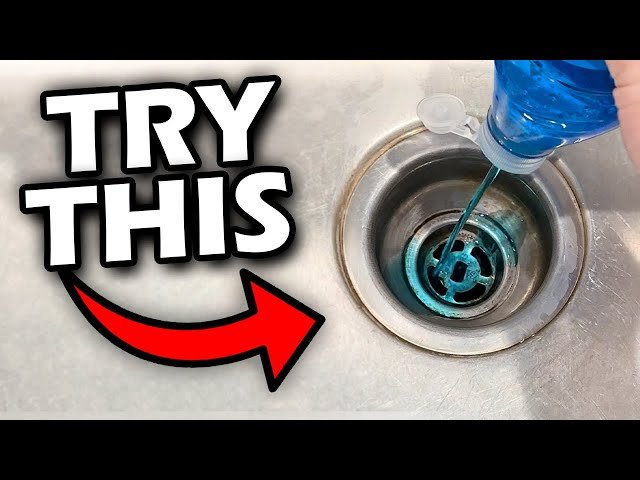
Is your kitchen sink area giving off an unpleasant odor that just won’t go away? That bad smell under your kitchen sink can be frustrating and embarrassing, especially when guests are around.
You might wonder what’s causing it and, more importantly, how to get rid of it quickly and for good. You’ll discover simple and effective ways to identify the source of the smell and practical tips to keep your kitchen fresh.
Keep reading—your nose will thank you!

Credit: www.reddit.com
Identifying The Source
Bad smells under your kitchen sink can be frustrating and embarrassing. Before you grab air fresheners or cleaners, pinpointing the exact source is key to fixing the problem for good. Identifying where the odor comes from helps you avoid temporary fixes and tackle the root cause effectively.
Common Causes Of Odors
Several factors can cause unpleasant smells under your kitchen sink. Often, food scraps get trapped in the drain or garbage disposal, starting to rot and emit odors.
Leaky pipes or slow drains can create damp environments where bacteria thrive. Sometimes, the issue is as simple as a clogged P-trap that holds stagnant water and smells bad.
- Food debris stuck in the drain or disposal
- Leaking or damaged plumbing
- Clogged or dry P-trap
- Improper venting causing sewer gas buildup
Have you checked if your garbage disposal needs a deep clean? It might smell worse than you think.
Signs Of Mold And Mildew
Mold and mildew thrive in the dark, moist space under your sink. You might notice a musty or damp smell, which is a strong hint that mold is growing.
Look for visible signs such as black, green, or white fuzzy patches on cabinet surfaces or pipes. Also, watch for peeling or bubbling paint and warped wood, which indicate moisture damage.
Sometimes, you might feel a slight irritation in your nose or throat when near the sink area. That’s your body telling you something isn’t right with the air quality.
- Musty or damp odor lingering under the sink
- Visible mold spots on surfaces or pipes
- Peeling paint or warped wood around the cabinet
- Physical irritation when near the sink area
Have you inspected your cabinet closely for these signs? Sometimes mold hides in plain sight but goes unnoticed until the smell gets too strong.
Quick Cleaning Solutions
Bad smells under the kitchen sink need fast action. Quick cleaning solutions clear odors and keep the space fresh. These methods use simple, common items. They help remove grime and kill bacteria effectively. Use these tips to clean and deodorize under your sink with ease.
Using Baking Soda And Vinegar
Baking soda and vinegar are natural cleaners. They break down dirt and neutralize bad smells. Start by removing items from under the sink. Sprinkle a generous amount of baking soda on all surfaces.
Next, pour white vinegar over the baking soda. The mixture will fizz and lift grime. Let it sit for 10 to 15 minutes. Then, scrub the area with a sponge or brush. Wipe everything clean with a damp cloth. This combination also helps unclog slow drains.
Effective Disinfectant Sprays
Disinfectant sprays kill germs and freshen the space quickly. Choose a spray safe for kitchen use. Clear away any items and spray all surfaces under the sink. Pay attention to corners and pipe areas where moisture gathers.
Allow the spray to sit as the instructions say. Wipe the area dry with a clean cloth. Using disinfectant sprays regularly stops odors before they start. Keep one handy for quick cleanups and odor control.
Natural Deodorizers
Bad smells under the kitchen sink can be frustrating, but natural deodorizers offer a safe and effective way to freshen the space. These options avoid harsh chemicals, making them perfect for homes with kids and pets. You might be surprised how a few simple ingredients can transform that smelly cupboard into a pleasant-smelling area.
Essential Oils For Freshness
Essential oils are a powerful and natural way to combat odors. You can add a few drops of oils like lemon, eucalyptus, or tea tree onto a cotton ball and place it under the sink. These oils not only mask unpleasant smells but can also kill bacteria that cause odors.
Try mixing essential oils with baking soda in a small open container to absorb smells and release a fresh scent over time. Have you ever noticed how a tiny amount of peppermint oil instantly freshens a room? That same effect works wonders in your kitchen cabinet.
Activated Charcoal Benefits
Activated charcoal is another excellent natural deodorizer that you can easily use under your kitchen sink. It works by trapping moisture and odor molecules, keeping the air dry and fresh. Just place a small bag or bowl of activated charcoal inside the cabinet and replace it every few months.
This odor absorber is odorless itself, so it won’t add any artificial scent to your space. Think about how often you’ve opened that cabinet only to be hit by a bad smell—activated charcoal can stop that before it starts.
Maintenance Tips
Maintaining a fresh smell under your kitchen sink requires simple, regular care. Bad odors often come from trapped food, grease, and moisture. Proper upkeep stops smells before they start.
Regular Drain Cleaning
Clean the drain often to remove buildup. Use a mixture of baking soda and vinegar. Pour baking soda down the drain, then add vinegar. Let it sit for 15 minutes. Flush with hot water to clear debris.
Check the drain trap for clogs. Remove and rinse it under warm water. This prevents buildup of food scraps and soap residue. A clean drain stops odors and keeps water flowing well.
Proper Waste Disposal Practices
Do not pour grease or oil down the sink. These substances harden and block pipes. Instead, collect grease in a container and throw it in the trash.
Scrape food scraps into the trash before washing dishes. Avoid using the garbage disposal for fibrous or starchy foods. These can clog pipes and cause smells.
Use sink strainers to catch small food particles. Empty the strainers often to prevent decay and odors. Keeping waste out of pipes keeps the area fresh and clean.
Preventative Measures
Preventing bad smells under the kitchen sink keeps your home fresh. Taking simple steps stops odors before they start. Regular care and smart tools make a big difference. Small efforts save time and money later.
Installing Odor Filters
Odor filters block bad smells from escaping the sink area. They trap gases that build up in pipes and drains. Filters fit easily under most kitchen sinks. Choose models designed for kitchen plumbing systems.
Replace filters often to keep them working well. Some filters use activated charcoal to absorb odors. Others use mesh screens to catch debris. Both types improve air quality under your sink.
Routine Checks And Repairs
Check pipes and drains regularly for leaks or clogs. Even small leaks create dampness and bad smells. Clear slow drains to prevent buildup of food and grease. Use a flashlight to spot mold or mildew early.
Fix problems quickly to avoid bigger issues. Tighten loose pipes and replace worn washers. Clean traps and vents to maintain smooth water flow. Regular maintenance stops odors and protects your plumbing.

Credit: www.drano.com

Credit: www.drano.com
Frequently Asked Questions
Why Does My Under Kitchen Sink Smell Bad?
Bad smells under the kitchen sink usually come from trapped food debris or mold. Leaks can cause moisture buildup, encouraging bacteria growth. Regular cleaning and fixing leaks can prevent odors.
How Can I Quickly Remove Under Sink Odors?
Use a mixture of baking soda and vinegar to clean the drain. Let it sit for 15 minutes, then flush with hot water. This natural method neutralizes odors and cleans buildup effectively.
What Causes Persistent Odors Under Kitchen Sinks?
Persistent odors often result from clogged pipes, mold, or garbage disposal issues. Standing water or slow drainage can trap food particles, causing bad smells. Regular maintenance helps avoid these problems.
Can Mold Under The Sink Cause Bad Smells?
Yes, mold thrives in damp areas under sinks and emits musty odors. It can grow on wood, drywall, or pipes if leaks exist. Cleaning and fixing leaks prevent mold and associated smells.
Conclusion
Bad smells under the kitchen sink can cause real discomfort. Regular cleaning helps keep odors away. Check for leaks and remove old food or trash. Use natural cleaners like baking soda or vinegar. Good ventilation also stops smells from staying.
Small steps make a big difference in your kitchen. Stay consistent and enjoy a fresh-smelling space every day. No need to ignore those odors anymore. You can fix the problem easily and quickly.
Hi, I’m Daniel Harper, a senior editor here at KitchenBucks.com. For over 10 years, I’ve been exploring kitchen gadgets and appliances to help people find tools that truly add value without breaking the bank. I love simplifying product choices so you can focus more on cooking and less on worrying about what to buy. When I’m not reviewing the latest gadgets, you’ll usually find me experimenting with coffee brewing or firing up the grill for a weekend barbecue.