
Is your kitchen sink area smelling musty and unpleasant? That stubborn odor can make your whole kitchen feel less fresh and inviting.
You might be wondering where the smell is coming from and how to get rid of it quickly. Don’t worry—you’re not alone, and the solution is often simpler than you think. You’ll discover the common causes behind that musty smell under your kitchen sink and easy steps you can take to freshen up your space for good.
Keep reading to reclaim the clean, fresh kitchen you deserve.
Common Causes Of Musty Odors
Musty odors under the kitchen sink often point to common household problems. These smells usually come from hidden moisture, trapped food, or plumbing issues. Understanding the causes helps in fixing the problem quickly. Below are the main reasons you might notice that damp, stale smell.
Moisture And Mold Growth
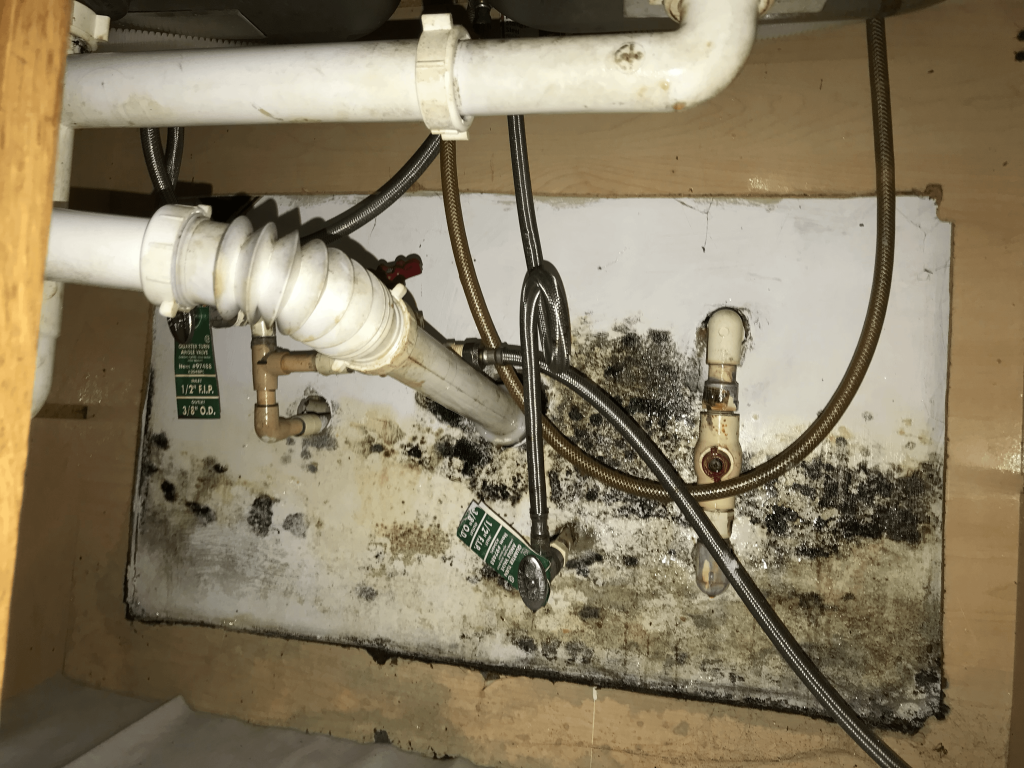
Moisture under the sink creates a perfect home for mold and mildew. Leaks or condensation often cause dampness. Mold spores spread fast in dark, wet areas. This leads to a persistent musty smell that can affect your kitchen air.
Clogged Drains And P-trap Issues
Drain clogs slow water flow and trap debris. Food particles stuck in pipes start to rot. The P-trap, designed to block sewer gases, can dry out. Without water, odors escape into the cabinet space, causing bad smells.
Leaky Pipes And Water Damage
Slow leaks from pipes cause water to pool unseen. This water soaks wood and drywall under the sink. Over time, this leads to damage and a damp, musty odor. Small leaks often go unnoticed until the smell becomes strong.
Food Residue And Garbage Disposal
Leftover food bits under the sink rot quickly. Garbage disposals can trap food scraps in blades and pipes. These leftovers decompose and cause foul smells. Regular cleaning is needed to keep the area fresh and odor-free.

Credit: www.reddit.com
Quick Fixes To Remove Odors
Dealing with a musty smell under your kitchen sink can be frustrating, especially when it lingers despite your best efforts. Quick fixes can help you tackle odors fast and keep your space fresh. These practical steps focus on cleaning, natural deodorizing agents, ventilation, and garbage disposal care.
Cleaning And Disinfecting The Area
Start by clearing out everything under the sink. Wipe down all surfaces with a mixture of warm water and mild detergent to remove dirt and grime.
Next, use a disinfectant to kill mold, mildew, and bacteria that cause odors. Make sure to clean corners and crevices where moisture tends to build up.
Using Baking Soda And Vinegar
Baking soda is a natural deodorizer that absorbs unpleasant smells effectively. Sprinkle a generous amount under the sink and let it sit overnight for the best results.
Vinegar works as a powerful natural cleaner and odor neutralizer. Spray a solution of equal parts vinegar and water on surfaces, then wipe clean after 15 minutes. Have you tried this combo in your kitchen before?
Improving Ventilation
Stale air contributes heavily to musty odors. Leave the cabinet doors open for a few hours to allow fresh air to circulate and dry out moisture.
If your kitchen lacks airflow, consider placing a small fan nearby or installing a vent. These simple changes can reduce dampness and prevent smells from returning.
Emptying And Maintaining Garbage Disposal
Garbage disposals often trap food particles that rot and smell. Regularly run cold water and grind citrus peels like lemon or orange to freshen the unit.
Also, avoid putting fibrous or starchy waste in the disposal as it can clog and cause odors. Do you check your disposal for trapped debris regularly?
Preventing Future Musty Smells
Preventing musty smells under the kitchen sink keeps your space fresh and clean. These odors often come from moisture, mold, or trapped debris. Taking steps to stop these problems saves time and effort later. Simple habits and small fixes make a big difference in keeping the area odor-free.
Regular Drain Maintenance
Clean the drain regularly to avoid buildup. Use a mixture of baking soda and vinegar to clear clogs. Flush with hot water afterward to remove residues. Avoid pouring grease or food scraps down the drain. These can cause blockages and bad smells.
Fixing Leaks Promptly
Check pipes and connections under the sink often. Even small leaks create dampness that leads to mold. Tighten loose fittings and replace worn-out parts quickly. A dry cabinet means fewer chances for musty odors to develop.
Keeping The Area Dry
Wipe spills immediately and keep the cabinet well ventilated. Place a small fan or moisture absorber if needed. Avoid storing wet items under the sink. Dry conditions stop mold growth and reduce unpleasant smells.
Using Odor Absorbers And Deodorizers
Use natural odor absorbers like activated charcoal or baking soda. Place them in an open container under the sink. Replace regularly to keep them effective. Commercial deodorizers designed for kitchen use also work well. These products help trap and neutralize bad smells fast.

Credit: www.advantaclean.com
When To Call A Professional
Knowing when to call a professional for under kitchen sink smells can save you time, money, and stress. Sometimes, the issue is more than just a simple cleaning job. Recognizing the signs that require expert help ensures your kitchen stays safe and odor-free.
Persistent Odors Despite Cleaning
If you’ve cleaned thoroughly but the musty smell keeps coming back, it’s a red flag. Regular cleaning usually solves minor odors caused by food scraps or moisture. When the smell lingers, it could mean hidden problems like trapped debris or drainage issues.
Have you tried vinegar, baking soda, or commercial cleaners without success? If yes, calling a plumber or a specialist can help identify and fix the root cause before the smell worsens.
Signs Of Plumbing Damage
Leaks, puddles, or water stains under the sink aren’t just annoying; they can cause musty odors. Damaged pipes or loose connections often lead to water accumulation, creating a perfect environment for smells to develop.
Listen for dripping sounds or check for warped cabinet surfaces. These signs suggest plumbing damage that you should not ignore. A professional can inspect and repair the plumbing to prevent further damage and lingering odors.
Mold Infestation Concerns
Mold thrives in damp, dark places like under your kitchen sink. If you spot black or green spots or notice allergy-like symptoms when near the area, mold could be the source of the musty smell.
Ignoring mold is risky for your health and your home’s structure. Professionals have the right tools and knowledge to safely remove mold and address moisture problems to prevent its return.

Credit: www.reddit.com
Frequently Asked Questions
Why Does Under Kitchen Sink Smell Musty?
A musty smell under the kitchen sink often comes from moisture buildup. Leaks, poor ventilation, or mold growth can cause this odor. Regular cleaning and fixing leaks help prevent musty smells.
How To Remove Musty Smell Under Kitchen Sink?
To remove the musty smell, clean the area with vinegar or baking soda. Ensure the sink is dry and fix any leaks. Ventilate the space well to prevent moisture buildup.
Can Mold Cause Musty Odor Under Kitchen Sink?
Yes, mold thrives in damp, dark places like under the sink. Mold produces a musty smell and can affect air quality. Removing mold and controlling moisture stops the odor.
How To Prevent Musty Smell Under Kitchen Sink?
Prevent musty smells by keeping the area dry and clean. Fix leaks promptly and use moisture absorbers or ventilation. Regular checks reduce mold and odor issues.
Conclusion
Musty smells under the kitchen sink can be annoying and unhealthy. Clean the area regularly and keep it dry. Check for leaks and fix them quickly. Use natural deodorizers like baking soda or vinegar. Good airflow helps prevent bad odors.
Small steps make a big difference in freshness. Keep your kitchen sink area clean and odor-free. Enjoy a fresher, healthier home every day.

Hi, I’m Daniel Harper, a senior editor here at KitchenBucks.com. For over 10 years, I’ve been exploring kitchen gadgets and appliances to help people find tools that truly add value without breaking the bank. I love simplifying product choices so you can focus more on cooking and less on worrying about what to buy. When I’m not reviewing the latest gadgets, you’ll usually find me experimenting with coffee brewing or firing up the grill for a weekend barbecue.