
Have you ever wondered what’s really going on under your kitchen sink? Understanding your kitchen sink plumbing can save you time, money, and stress when problems arise.
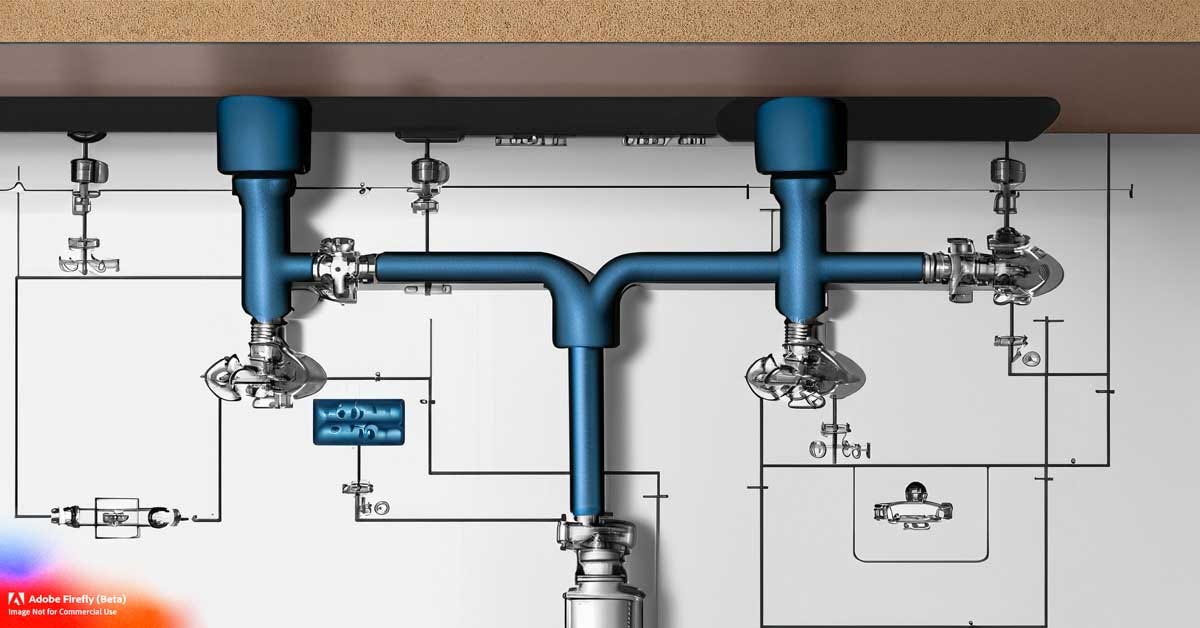
This simple plumbing diagram will help you see exactly how everything connects—from the pipes to the traps and valves. By knowing what’s under your sink, you’ll feel more confident handling minor repairs or explaining issues to a plumber. Keep reading, and you’ll soon have a clear picture of your kitchen’s hidden plumbing system.
Credit: medium.com
Common Plumbing Components
Under the kitchen sink, several plumbing parts work together to manage water flow and drainage. Knowing these common components helps you understand how your plumbing system functions. This knowledge can assist in simple repairs and maintenance tasks.
Pipes And Fittings
Pipes carry water to and from your sink. They come in materials like PVC, copper, and PEX. Fittings connect pipes and change the water flow direction. Common fittings include elbows, tees, and couplings. Proper connections prevent leaks and ensure smooth water movement.
Shut-off Valves
Shut-off valves control water supply under the sink. They allow you to stop water flow during repairs or emergencies. Usually, there are two valves: one for hot water and one for cold water. Turning these valves clockwise shuts off the water.
Traps And Drains
The trap is a curved pipe section beneath the sink. It holds water to block sewer gases from entering your home. Drains carry wastewater away from the sink to the main plumbing system. Keeping traps clear prevents clogs and odors.

Credit: www.facebook.com
Identifying Issues
Identifying issues under your kitchen sink is the first step to preventing costly repairs and inconvenient messes. Knowing how to spot early warning signs can save you time and stress. Pay close attention to what’s happening beneath the sink—it often reveals more than you might expect.
Leaky Pipes
Leaky pipes often cause damp spots or puddles under the sink. Check the pipe joints and connections for any drips or moisture. Even a small leak can lead to mold growth or water damage if left unattended.
Have you ever noticed a musty smell near your cabinets? That’s a common sign of a slow leak. Tightening loose fittings or replacing worn washers can often fix minor leaks without calling a plumber.
Slow Draining Sink
If water drains slowly, it usually means there’s a clog somewhere in the pipes. Food particles, grease, and soap buildup often cause blockages under the kitchen sink. Don’t ignore slow drainage—it can worsen and cause backups.
You can try using a plunger or a drain snake to clear minor clogs. However, persistent slow drainage might mean the trap or vent pipe needs inspection. Have you checked your P-trap recently? Sometimes simply cleaning it out makes a big difference.
Strange Noises
Odd noises like gurgling or banging sounds often indicate trapped air or water flow issues in your plumbing. These sounds may signal venting problems or partial blockages. Listening carefully can help you pinpoint the problem before it escalates.
Next time your sink makes a strange noise, try running water at different speeds and note any changes. This can help identify if the issue is related to your pipes or the drainage system. Are you paying enough attention to these subtle clues?
Essential Tools
Having the right tools is key for any plumbing job under the kitchen sink. These tools make the work easier and faster. They help fix leaks, tighten fittings, and clear clogs. Without them, small problems can turn into big headaches.
Wrenches And Pliers
Wrenches and pliers are basic but powerful tools. Adjustable wrenches fit different sizes of nuts and bolts. Slip-joint pliers grip pipes and tighten fittings securely. They provide the force needed to loosen stuck parts. Always choose tools with comfortable handles for better control.
Plumber’s Tape
Plumber’s tape, also called Teflon tape, seals pipe threads tightly. It prevents water leaks at connections. Wrap the tape around threaded ends before joining pipes. This simple step ensures a watertight seal. Plumber’s tape is cheap but very effective for leak prevention.
Drain Snake
A drain snake clears blockages inside pipes. It is a long, flexible metal coil. Insert it into the drain and twist to break clogs. Drain snakes reach places where plungers cannot. They save time and avoid calling a plumber for small clogs.

Credit: www.facebook.com
Step-by-step Repair Guide
Dealing with plumbing issues under your kitchen sink can feel overwhelming, but understanding a clear repair process can save you time and money. This guide breaks down common fixes into manageable tasks so you can tackle problems confidently. Ready to get your hands a little dirty and learn how to keep your kitchen plumbing in top shape?
Fixing Leaks
Leaks often start as small drips but can quickly cause water damage if ignored. Begin by turning off the water supply valves under your sink to avoid a mess. Use a flashlight to locate the exact source of the leak—check around pipe joints, the faucet base, and the drain trap.
Once found, tighten loose connections with a wrench. If the leak persists, replacing worn-out washers or pipe tape can seal the issue. Remember, not all leaks require a plumber; many can be fixed with basic tools you probably have at home.
Clearing Clogs
Clogs under the kitchen sink are usually caused by grease buildup or food scraps. Before reaching for harsh chemicals, try removing the trap (the curved pipe) carefully—place a bucket underneath to catch any water.
Clean out any debris manually or with a wire brush. If the clog is deeper, a plunger or a plumber’s snake can help push through the blockage. Have you ever noticed how much gunk accumulates just out of sight? Regular cleaning here can prevent future backups.
Replacing Valves
Faulty valves can cause leaks or prevent water from shutting off properly. Start by turning off the main water supply to your home. Use an adjustable wrench to remove the old valve, being cautious not to damage surrounding pipes.
Match the replacement valve to your existing plumbing for a perfect fit. Wrap pipe threads with plumber’s tape before installing the new valve to ensure a tight seal. Testing the valve after installation by turning your water supply back on helps confirm the repair was successful.
Preventive Maintenance
Preventive maintenance keeps your plumbing system working smoothly. It helps avoid leaks, clogs, and costly repairs. Checking and caring for parts under the kitchen sink saves time and money.
Regular Cleaning
Clean the pipes and drain regularly. Remove debris and food scraps that block water flow. Use a gentle brush or a cloth to wipe the pipes. Avoid harsh chemicals that can damage pipes.
Checking For Wear
Inspect pipes and connections for cracks or rust. Look for signs of leaks or water stains. Tighten loose fittings to prevent drips. Replace worn-out washers and seals to keep joints secure.
Water Pressure Management
Check the water pressure to protect pipes and fixtures. High pressure can cause leaks and bursts. Use a pressure gauge to measure it. Adjust the pressure regulator if needed to keep it safe.
Safety Tips
Working with plumbing under the kitchen sink involves many risks. Safety should always come first. Knowing safety tips helps prevent injuries and accidents during repairs or installations. Simple precautions keep you safe and protect your home.
Handling Tools Safely
Use the right tool for every job. Check tools before use for damage or wear. Hold tools firmly and keep your hands dry. Store tools in a safe place after use. Avoid rushing to reduce mistakes and accidents.
Avoiding Chemical Hazards
Many plumbing tasks require chemicals like drain cleaners. Use only products recommended for plumbing work. Read labels carefully and follow instructions exactly. Never mix different chemicals; this can cause harmful fumes. Keep chemicals away from children and pets.
Protective Gear
Wear gloves to protect your hands from sharp edges and chemicals. Use safety goggles to shield your eyes from splashes. Wear old clothes or a protective apron to avoid stains. Use a mask if working with strong fumes or dust.
Frequently Asked Questions
What Is An Under The Kitchen Sink Plumbing Diagram?
An under the kitchen sink plumbing diagram shows the layout of pipes and connections. It helps understand water flow and drainage. This diagram is useful for repairs and installations. It highlights parts like supply lines, drainpipes, and traps for easy identification.
How Do I Read An Under The Sink Plumbing Diagram?
To read the diagram, identify key components like water supply lines, drainpipes, and traps. Follow the flow from the faucet to the drain. Look for symbols indicating valves and connections. Understanding the diagram helps diagnose issues and guides plumbing work accurately.
Why Is An Under The Kitchen Sink Plumbing Diagram Important?
This diagram helps homeowners and plumbers visualize pipe connections and water flow. It simplifies troubleshooting leaks or clogs. It also assists in planning modifications or replacements. Having a clear diagram saves time and prevents costly plumbing mistakes.
What Are Common Parts Shown In The Diagram?
Common parts include hot and cold water supply lines, P-trap, drainpipes, and shutoff valves. The diagram may also show dishwasher connections and vent pipes. Knowing these parts helps in maintaining and repairing kitchen plumbing effectively.
Conclusion
Understanding the under the kitchen sink plumbing diagram helps with quick fixes. It shows how pipes connect and where water flows. This knowledge saves time and money on repairs. Simple steps can prevent leaks and clogs. Keep the diagram handy for easy reference.
A little care keeps your kitchen running smoothly. Plumbing doesn’t have to be confusing or hard. With this guide, you can handle small problems yourself. Stay informed and confident in managing your kitchen plumbing.
Hi, I’m Daniel Harper, a senior editor here at KitchenBucks.com. For over 10 years, I’ve been exploring kitchen gadgets and appliances to help people find tools that truly add value without breaking the bank. I love simplifying product choices so you can focus more on cooking and less on worrying about what to buy. When I’m not reviewing the latest gadgets, you’ll usually find me experimenting with coffee brewing or firing up the grill for a weekend barbecue.