
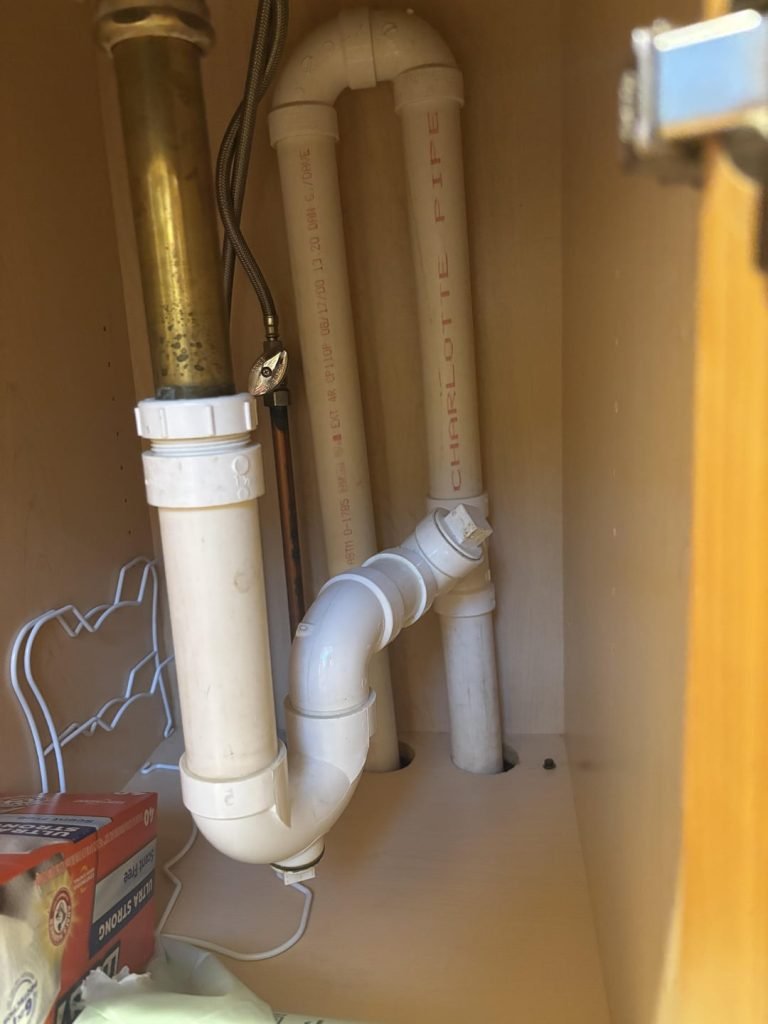
Have you ever noticed a strange gurgling sound or slow drainage under your kitchen sink? The culprit might be the vent pipe beneath it.
This small but important part keeps your plumbing running smoothly and prevents unpleasant odors from creeping into your kitchen. Understanding how the vent pipe works can save you from costly repairs and headaches down the line. You’ll discover exactly what a vent pipe under your kitchen sink does, why it matters, and how to spot common problems before they get worse.
Keep reading to protect your home and keep your kitchen fresh and functional.
Vent Pipe Basics
The vent pipe under a kitchen sink plays a key role in your home’s plumbing. It helps keep water flowing smoothly and stops bad odors from entering your kitchen. Knowing the basics about vent pipes helps you understand how your sink works. This knowledge can also help spot problems early.
Purpose Of Vent Pipes
Vent pipes let air enter the plumbing system. This air stops water from getting stuck in the pipes. Without vents, water drains slowly and can cause clogs. They also stop sewer gases from coming up through the sink drain. Vents keep your kitchen smelling fresh and safe.
Common Materials Used
Vent pipes come in different materials. The most common are:
- PVC (Polyvinyl Chloride):Lightweight, easy to install, and resistant to chemicals.
- ABS (Acrylonitrile Butadiene Styrene):Durable and black in color, often used in drain-waste-vent systems.
- Cast Iron:Heavy and strong, used in older homes for long-lasting durability.
- Copper:Less common but very durable and resistant to corrosion.
Each material suits different plumbing needs and budgets.

Credit: www.amazon.ca
Planning The Installation
Planning the installation of a vent pipe under the kitchen sink is essential for smooth plumbing performance. Proper preparation avoids leaks, odors, and drainage issues. Careful thought about the kitchen layout and rules helps ensure a successful setup.
Assessing Kitchen Layout
Start by examining the kitchen layout around the sink area. Measure available space under the sink for the vent pipe. Identify where existing pipes run and check for obstacles. Consider cabinet design and storage needs. Make sure the vent pipe won’t block access or reduce storage.
Note the distance to the main vent stack or outside wall. Shorter pipe runs improve airflow and reduce clogs. Look for easy pipe routes that avoid electrical wiring or other hazards. Planning the layout helps avoid costly changes later.
Compliance With Plumbing Codes
Follow local plumbing codes to ensure safety and legality. Codes dictate vent pipe size, placement, and materials. Using the right size pipe prevents pressure problems in drains. Proper height and slope prevent sewer gases from entering the home.
Check if permits are needed before starting work. Inspectors verify that installations meet code standards. Non-compliance can cause fines or require redoing the work. Study code manuals or consult a licensed plumber for guidance.
Tools And Materials Needed
Before you start working on the vent pipe under your kitchen sink, gathering the right tools and materials is crucial. Having everything on hand saves time and prevents frustration during the job. You’ll find that being well-prepared makes the process smoother and more efficient.
Essential Tools
- Adjustable wrench:Ideal for loosening and tightening fittings of various sizes.
- Pipe wrench:Provides extra grip for stubborn pipes that won’t budge easily.
- Hacksaw:Useful for cutting through metal or plastic pipes cleanly.
- Pipe cutter:Offers a precise way to cut copper or PVC pipes without creating rough edges.
- Screwdriver set:Both flathead and Phillips types help remove clamps or screws securing the vent pipe.
- Plumber’s tape (Teflon tape):Ensures a watertight seal on threaded connections.
- Bucket:To catch any water that might spill while disconnecting pipes.
- Flashlight or work light:Helps you see clearly under the sink, especially in tight spaces.
Have you ever started a home project only to realize you’re missing a key tool halfway through? That’s why it pays to double-check your tool kit before digging in.
Materials Checklist
- Vent pipe:Usually PVC or ABS plastic pipe designed for venting air from your plumbing system.
- Pipe fittings:Elbows, couplings, or tees to connect sections of vent pipe properly.
- Pipe straps or clamps:To secure the vent pipe firmly under the sink or inside cabinets.
- Pipe joint compound or PVC primer and cement:Depending on your pipe type, these help create leak-proof joints.
- Replacement washers and gaskets:To ensure tight seals at pipe connections.
- Safety gloves and goggles:Protect your hands and eyes during cutting and fitting.
Do you know the exact type of vent pipe your kitchen sink uses? Picking the right material avoids compatibility issues that can waste your time and money. Double-checking these items before you begin helps you avoid those mid-project headaches.
Step-by-step Installation Guide
Installing a vent pipe under the kitchen sink helps prevent slow drainage and sewer gas buildup. Follow clear steps to ensure a safe and efficient setup. This guide explains measuring, connecting, and ventilating the vent pipe correctly.
Measuring And Cutting Pipes
Measure the distance from the sink drain to the vent connection point. Use a tape measure for accuracy. Mark the pipe where you need to cut. Use a pipe cutter or saw for clean cuts. Smooth rough edges with sandpaper to avoid leaks.
Connecting To Existing Plumbing
Identify the existing drain or vent pipe to connect with. Use appropriate fittings such as T-joints or couplings. Apply plumber’s tape or sealant to threaded connections. Tighten all joints firmly but avoid overtightening. Check for alignment to ensure a proper fit.
Ensuring Proper Ventilation
Make sure the vent pipe rises vertically without dips. The pipe should extend above the roofline or connect to the main vent stack. Avoid sharp bends that can trap air or debris. Secure the pipe with brackets to keep it stable. Test airflow by running water through the sink.
Troubleshooting Common Issues
Troubleshooting common issues with the vent pipe under the kitchen sink helps keep your plumbing working smoothly. Problems like leaks or blockages can cause bad smells and slow drainage. Understanding vent pipe issues saves time and prevents bigger repairs.
Leaks And Blockages
Leaks in the vent pipe often come from loose connections or cracks. Check all joints for water or damp spots. Blockages happen when debris or grease builds up inside the pipe. This stops air flow and causes water to drain slowly. Use a flashlight to look inside the pipe. Clear blockages with a plumber’s snake or mild drain cleaner. Avoid harsh chemicals that can damage pipes.
Improper Vent Function
Improper vent function causes gurgling sounds and slow draining. The vent pipe helps air flow into the drain system. Without proper venting, water drains poorly and traps odors. Make sure the vent pipe is not blocked or crushed. Confirm it extends above the roofline for proper air intake. Adjust or replace vent pipes that do not meet local plumbing codes.

Credit: www.facebook.com
Maintenance Tips
Maintaining the vent pipe under your kitchen sink is crucial for smooth plumbing. Proper care prevents bad smells and drainage problems. Simple steps keep your vent pipe working well and last longer.
Regular Inspection Routines
Check the vent pipe every few months. Look for cracks, leaks, or blockages. Use a flashlight to see inside the pipe. Listen for unusual gurgling sounds when water drains. These sounds can signal air flow issues. Tighten loose connections to stop leaks. Clear any debris around the pipe opening.
Preventive Measures For Longevity
- Keep the area under the sink dry and clean.
- Use strainers to catch food and prevent clogs.
- Avoid pouring grease or oil down the drain.
- Flush the drain with hot water weekly to clear buildup.
- Apply pipe sealant on joints to avoid leaks.
- Schedule professional checkups every year for thorough inspection.

Credit: www.reddit.com
Frequently Asked Questions
What Is The Purpose Of A Vent Pipe Under Kitchen Sink?
A vent pipe prevents sewer gases from entering your home. It also maintains proper air pressure in plumbing, allowing water to flow smoothly.
Can A Kitchen Sink Vent Pipe Be Installed Incorrectly?
Yes, improper installation can cause slow drainage or sewer odors. Correct slope and connection to the main vent stack are essential.
How Do I Know If My Kitchen Sink Vent Pipe Is Blocked?
Signs include slow draining water, gurgling sounds, and bad odors. These indicate trapped air or sewer gases due to blockage.
Is A Vent Pipe Necessary For Kitchen Sink Drainage?
Yes, it prevents vacuum formation in pipes. Without venting, water flow slows and traps sewer gases inside your home.
Conclusion
A vent pipe under the kitchen sink helps air flow and prevents bad smells. It keeps water draining smoothly and stops pressure problems. Checking the vent pipe regularly can avoid clogs and leaks. Fixing any issues early saves time and money.
Understanding its role makes kitchen plumbing easier to manage. A working vent pipe means a healthier, fresher kitchen space. Simple care can keep your sink working well for years. Remember, good plumbing starts with proper venting.
Hi, I’m Daniel Harper, a senior editor here at KitchenBucks.com. For over 10 years, I’ve been exploring kitchen gadgets and appliances to help people find tools that truly add value without breaking the bank. I love simplifying product choices so you can focus more on cooking and less on worrying about what to buy. When I’m not reviewing the latest gadgets, you’ll usually find me experimenting with coffee brewing or firing up the grill for a weekend barbecue.