
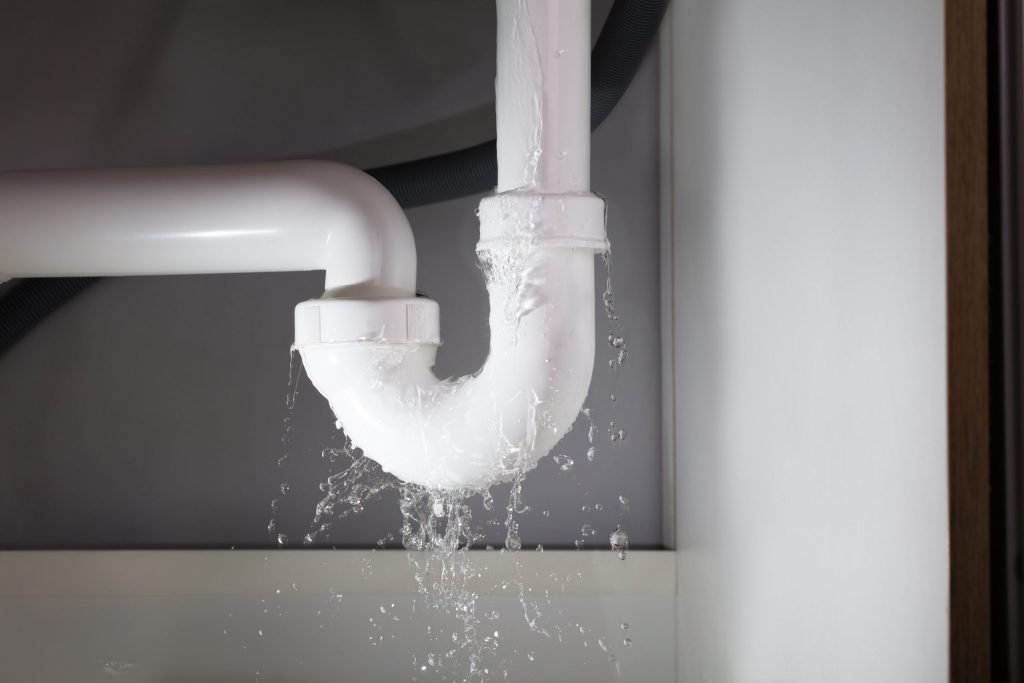
Have you ever opened the cabinet under your kitchen sink and noticed water pooling there? That small puddle might seem harmless at first, but it can lead to bigger problems if you don’t act quickly.
Whether it’s a slow drip or a sudden leak, water under your kitchen sink can cause damage to your cabinets, create mold, and even affect your health. You’ll discover why this happens, how to spot the signs early, and simple steps you can take to fix the issue before it gets worse.
Keep reading to protect your home and save yourself from costly repairs.

Credit: www.youtube.com
Common Causes Of Leaks
Discovering water under your kitchen sink can be frustrating and puzzling. Leaks don’t always come from dramatic bursts; often, they sneak in slowly from simple issues. Understanding the common causes of leaks helps you spot the problem early and saves you from costly repairs.
Worn Out Seals And Washers
Seals and washers act like tiny guards stopping water from escaping joints and connections. Over time, these rubber or silicone parts dry out, crack, or get compressed. When that happens, water can seep through unnoticed until the leak becomes obvious.
Have you ever tightened a faucet only to find water still dripping? It’s likely those seals or washers need replacing. Keeping spares handy can make fixing this quick and painless.
Loose Connections
Connections under the sink link pipes, hoses, and fixtures. If one of these isn’t tight enough, water will find its way out. Vibrations from everyday use or minor shifts in the plumbing can loosen these joints gradually.
Check your connections regularly by gently tugging and tightening with a wrench if needed. A simple twist might stop a small leak from turning into a bigger problem.
Corroded Pipes
Metal pipes under your sink face constant moisture and sometimes harsh chemicals from cleaning products. Over time, this exposure can cause corrosion—thin spots or holes that drip water. Corroded pipes often show discoloration or rough patches.
If you notice rust or greenish stains, consider replacing the affected pipes promptly. Ignoring corrosion can lead to sudden pipe failure and water damage to your kitchen cabinets and floor.
Identifying The Source
Water under the kitchen sink can cause damage and lead to mold. Finding the source quickly helps stop leaks and saves money. Identifying the source involves checking visible signs and using tools to detect hidden moisture. This section explains easy ways to find where the water comes from.
Visual Inspection Tips
Start by clearing out the cabinet under the sink. Look for water stains, puddles, or damp spots on surfaces. Check pipes and connections for drips or corrosion. Examine the drain pipe for cracks or loose fittings. Inspect the faucet base for water pooling. Notice any unusual smells, like mildew or mold. Use a flashlight to see dark corners and behind pipes.
Using Moisture Detectors
Moisture detectors help find hidden leaks behind walls or under cabinets. These devices beep or light up when they sense water. Slowly move the detector along surfaces around the sink area. Focus on corners, seams, and pipe joints. Some detectors can measure moisture levels for better accuracy. Using a moisture detector reveals leaks that are not visible to the eye. This tool saves time and prevents future damage.
Diy Solutions For Small Leaks
Small leaks under your kitchen sink can be annoying and wasteful, but you don’t always need to call a plumber right away. Many minor drips are fixable with simple tools and a bit of patience. These DIY solutions can save you time and money while preventing bigger water damage issues.
Tightening And Replacing Parts
Loose connections are often the root of small leaks. Start by checking all visible nuts and bolts under the sink. Use a wrench to gently tighten slip nuts on drain pipes or water supply lines—you might be surprised how often this stops the drip.
If tightening doesn’t work, inspect rubber washers and gaskets. These parts wear out over time and cause leaks. Replacing them is straightforward: turn off the water, remove the faulty part, and swap it with a new one from your local hardware store.
Have you ever ignored a small drip only to find a puddle later? Addressing these issues early can prevent that scenario. Keep an adjustable wrench and spare washers handy for quick fixes.
Applying Sealants
Sealants are excellent for stopping leaks around joints and cracks that tightening alone can’t fix. Use plumber’s putty or silicone caulk to create a waterproof barrier where pipes meet.
Before applying, dry the area completely. This ensures the sealant adheres properly and lasts longer. Apply a thin, even layer and allow it to cure as directed on the product label.
Remember, sealants are best for small, slow leaks. If water is gushing out, it’s time to replace the damaged part instead. Have you tried sealing a leak only to find it returns? This might mean the root cause needs a different fix.

Credit: www.amazon.ca
Preventive Measures
Water under the kitchen sink can cause serious damage if left unchecked. Taking preventive measures helps you avoid costly repairs and maintain a dry, safe space. Small efforts today can save you from big headaches tomorrow.
Regular Maintenance Routine
Checking under your kitchen sink regularly is essential. Look for signs of moisture, mold, or corrosion on pipes. Tighten any loose connections and replace worn-out washers promptly.
Make it a habit to clean the area every few weeks. Remove clutter to improve airflow and spot leaks early. You might be surprised how a quick inspection can catch problems before they grow.
Installing Leak Detectors
Leak detectors are simple devices that alert you when water appears where it shouldn’t. Place them under your sink to catch leaks immediately. Some models even connect to your phone for instant notifications.
These detectors can save you money by stopping leaks early. Think about how much damage a slow drip can cause if unnoticed for weeks. Wouldn’t you want to know about a problem before it ruins your cabinets or flooring?
When To Call A Professional
Not all water leaks under your kitchen sink require immediate professional help, but knowing when to call an expert can save you from costly repairs and headaches. Small drips might seem harmless, but they can quickly turn into bigger problems. Recognizing the warning signs and understanding the benefits of getting a professional assessment will help you decide the right moment to pick up the phone.
Signs Of Major Damage
Is the leak steady or growing worse? Persistent water pooling or dampness under the sink often signals a serious issue. You might notice warped cabinet wood, peeling paint, or a musty smell—these are clear signs that water has been sitting for some time.
Another red flag is visible mold or mildew, which poses health risks and indicates a long-term moisture problem. If you hear dripping sounds when no tap is running, or see water stains spreading, it’s time to act fast. These signs usually mean the leak involves the plumbing system itself, not just a loose connection.
Benefits Of Expert Assessment
Calling a professional means you get a thorough check beyond what the eye can see. Plumbers use specialized tools to detect hidden leaks and assess pipe integrity. They also identify potential issues that might cause future problems, offering you peace of mind.
A professional can fix the root cause, not just the symptom. You avoid recurring leaks, water damage, and costly replacements later on. Plus, many experts provide warranties on their work, so you’re protected if anything goes wrong after the repair.
Have you ever fixed a leak yourself only to find it came back? Professional help can save you time, money, and stress by getting it right the first time.
Credit: www.zipwater.com
Protecting Cabinets And Flooring
Water under the kitchen sink can cause serious damage to cabinets and flooring. Protecting these areas helps avoid costly repairs. Moisture leads to warping, mold, and rotting wood. Taking steps to keep water away preserves your kitchen’s look and structure.
Waterproofing Techniques
Apply waterproof sealants inside cabinets to block moisture. Use waterproof mats or liners on cabinet floors. Install drip trays under pipes to catch leaks early. Ensure all plumbing connections are tight and checked regularly. Ventilate the area to reduce humidity and prevent mold growth.
Choosing Durable Materials
Select cabinet materials resistant to water damage. Options include marine plywood, PVC, or metal cabinets. Use water-resistant flooring like tile, vinyl, or sealed hardwood. Avoid untreated wood or particleboard near water sources. Durable materials extend the life of your kitchen surfaces.
Cost-effective Strategies
Water leaks under the kitchen sink can cause damage and increase water bills. Fixing these leaks doesn’t have to be expensive. Cost-effective strategies help save money and prevent bigger problems. Simple actions and smart choices keep your kitchen dry and safe.
Budget-friendly Repairs
Small leaks often need simple fixes. Tighten loose pipes with a wrench. Replace worn-out washers or seals. Use plumber’s tape to seal threads on fittings. Clean clogged drains to avoid pressure buildup. These repairs use basic tools and parts. They cost little and take little time. Doing them early stops water damage and mold growth.
Long-term Solutions
Investing in long-term fixes reduces future repair costs. Replace old pipes with durable materials like PVC or copper. Install water leak detectors to alert you early. Use high-quality fittings to prevent leaks. Regularly inspect pipes and connections under the sink. Schedule maintenance to catch issues before they worsen. Long-term care saves money and gives peace of mind.
Frequently Asked Questions
Why Is There Water Under My Kitchen Sink?
Water under the sink usually indicates a leak. Common causes include damaged pipes, loose connections, or a faulty faucet. Inspect the plumbing and clean the area to identify the source. Early detection prevents mold growth and water damage to your cabinets and flooring.
How Can I Fix Water Leaking Under The Sink?
First, turn off the water supply. Tighten any loose connections and replace damaged pipes or washers. For persistent leaks, call a professional plumber. Regular maintenance helps avoid leaks and costly repairs, ensuring your kitchen stays dry and functional.
Is Water Under The Sink Dangerous?
Yes, standing water can cause mold growth and structural damage. It also attracts pests and creates slip hazards. Address leaks promptly to protect your health and home. Proper ventilation and quick repairs minimize risks associated with water under the sink.
What Tools Do I Need To Check Sink Leaks?
You’ll need a wrench, plumber’s tape, a bucket, and a flashlight. These help you inspect and tighten connections or catch leaking water. Having basic tools on hand makes leak detection and minor repairs easier and faster.
Conclusion
Water under the kitchen sink can cause many problems. It may lead to bad smells and damage to cabinets. Catching leaks early saves money and stress. Regular checks help keep your kitchen dry and safe. Quick action stops small issues from growing big.
Clean and dry areas prevent mold and pests. Keep an eye on pipes and fittings often. A dry sink area means a healthier home. Simple care makes your kitchen last longer. Don’t ignore water under the sink—it matters.
Hi, I’m Daniel Harper, a senior editor here at KitchenBucks.com. For over 10 years, I’ve been exploring kitchen gadgets and appliances to help people find tools that truly add value without breaking the bank. I love simplifying product choices so you can focus more on cooking and less on worrying about what to buy. When I’m not reviewing the latest gadgets, you’ll usually find me experimenting with coffee brewing or firing up the grill for a weekend barbecue.