
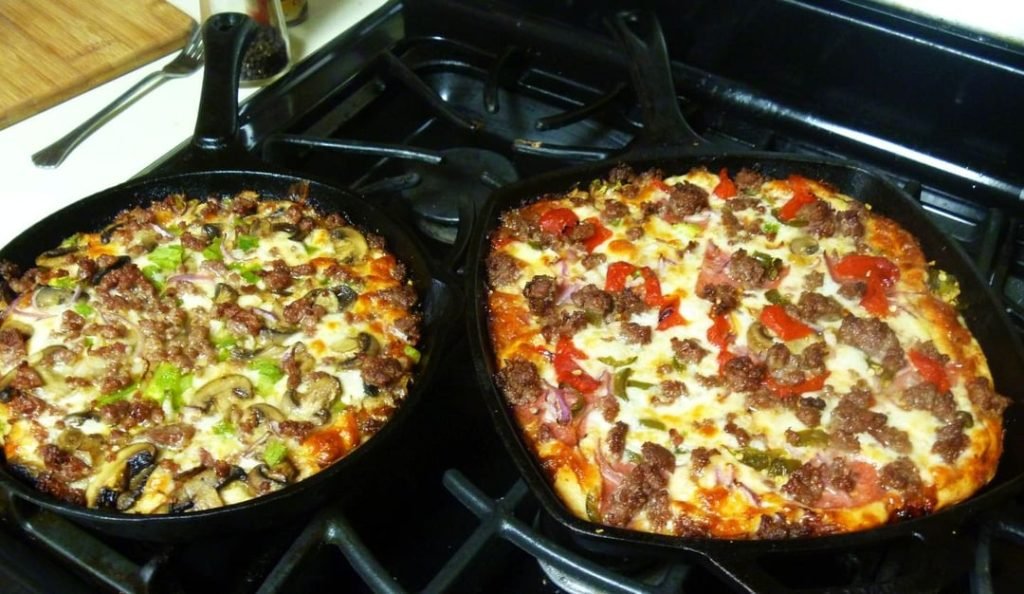
Imagine sinking your teeth into a slice of perfectly baked pan pizza, where the crust is crispy and golden on the outside but soft and chewy on the inside. The gooey cheese stretches as you pull away, and the toppings are a burst of delightful flavors.
This isn’t just a dream—it’s something you can achieve in your own kitchen. Whether you’re a seasoned home cook or a curious novice, making the perfect pan pizza is within your reach. You’re about to discover simple tips that will transform your homemade pizza into a masterpiece, making every bite an unforgettable experience.
Ready to elevate your pizza game? Let’s dive into the secrets of creating the perfect pan pizza that will wow your taste buds and impress your friends!
Credit: www.reddit.com
Choosing The Right Ingredients
Choosing the right ingredients is crucial for making a perfect pan pizza. Quality ingredients make a significant difference in flavor and texture. Each component plays its part in crafting a delicious pizza. Let’s explore what makes each ingredient vital.
Selecting The Best Flour
Flour forms the backbone of your pizza crust. Opt for high-protein flour like bread flour. It gives the crust a chewy texture. All-purpose flour works but lacks elasticity. Whole wheat flour offers a nutty flavor. Blend it with bread flour for balance.
Importance Of Fresh Yeast
Yeast breathes life into the dough. Fresh yeast ensures the dough rises well. Active dry yeast is a popular choice. Instant yeast speeds up the process. Fresh yeast provides a unique taste. It requires careful handling and storage.
Choosing Quality Cheese
Cheese crowns your pizza with creamy goodness. Mozzarella is classic for its meltability. Fresh mozzarella adds moisture and flavor. Cheddar offers sharpness and color. Avoid pre-shredded cheese. It contains anti-caking agents that affect melting.

Credit: www.foodiewithfamily.com
Mastering The Dough
Mastering the dough is the heart of crafting the perfect pan pizza. It’s where the magic begins, setting the stage for what could be a culinary masterpiece or a kitchen disaster. If you’ve ever wondered why your pizza doesn’t quite match up to your favorite pizzeria, the answer often lies in the dough.
Kneading Techniques
Have you ever tried kneading dough and wondered if you were doing it right? Kneading is crucial as it develops gluten, giving your dough the elasticity it needs. Use the heel of your hand to push the dough away from you, fold it over, and give it a quarter turn. Repeat this for about 10 minutes.
Don’t rush this step. Pay attention to the dough’s texture and response. It should feel smooth and elastic, not sticky or dry.
Ideal Dough Rising Time
Timing is everything, even in dough rising. Letting your dough rise for the right amount of time is key to achieving that perfect crust. Usually, one to two hours is sufficient for a first rise at room temperature.
But here’s a secret: for more flavor, consider a slow rise in the fridge for 24 hours. This gives your dough a deeper, richer taste that’s hard to beat.
Tips For Perfect Dough Texture
Achieving the perfect dough texture can sometimes feel like a mystery. But it’s all about balance. Use the right amount of water to flour ratio; too much water makes it sticky, too little makes it dry.
Also, consider the type of flour you use. Bread flour is great for a chewier texture, whereas all-purpose flour gives a more tender crust.
Finally, don’t forget the salt. It not only enhances flavor but also strengthens the dough structure. Have you ever tried adding a touch of olive oil to your dough? It can make your crust delightfully crispy and flavorful.
Mastering the dough for your pan pizza is a journey worth taking. With the right techniques and a bit of practice, you’ll be amazed at how much better your homemade pizza will taste. What’s your favorite dough-making tip? Share in the comments below!
Perfecting The Sauce
Creating the perfect sauce involves balancing flavors. Start with a mix of fresh tomatoes, garlic, and herbs. Experiment with spices to find your ideal taste for a delicious pan pizza.
Creating the perfect pan pizza goes beyond just mastering the crust or getting the cheese right. The sauce plays a crucial role in enhancing the overall flavor and texture of your pizza. A well-crafted sauce can elevate your pizza from good to unforgettable. So, how do you perfect this essential component? Let’s dive into some practical tips that will help you achieve sauce perfection.Balancing Flavors
To create a sauce that sings, balancing flavors is key. You want a hint of sweetness from ripe tomatoes, a touch of acidity from a splash of vinegar, and a subtle kick from freshly ground pepper. Consider adding a pinch of sugar if your tomatoes are too tart, or a sprinkle of salt to bring everything together. Experiment with different types of tomatoes. Some might be sweeter, while others are more tangy. Canned tomatoes can work wonders if fresh ones aren’t in season. Taste as you go, and adjust accordingly. Ask yourself: does your sauce make you want to dip your spoon back in for more? If yes, you’re on the right track.Using Fresh Herbs
Fresh herbs can transform your sauce from mundane to magnificent. Basil and oregano are classic choices that pair beautifully with tomatoes. Chop them finely and add them toward the end of cooking to preserve their vibrant flavor. If you have a herb garden, now is the time to use it. Fresh herbs pack more flavor than their dried counterparts, which can sometimes taste dusty. You might even consider experimenting with rosemary or thyme for a unique twist. Remember, a little goes a long way. Overpowering your sauce with herbs can mask the natural tomato flavor.Achieving The Right Consistency
Consistency matters just as much as flavor. A watery sauce can ruin your pizza, making the crust soggy. Conversely, a sauce that’s too thick might not spread evenly and can be overpowering in taste. Aim for a sauce that lightly coats the back of a spoon. You can achieve this by simmering your sauce slowly, allowing it to reduce and thicken naturally. Keep stirring to prevent it from sticking to the pan. If you’re in a hurry, a little tomato paste can help thicken things up quickly. Just be cautious not to overdo it, as it can make your sauce overly rich. Perfecting the sauce is an art worth mastering. Have you ever thought about how your favorite pizzeria gets it just right? Maybe it’s time to experiment in your kitchen and find out!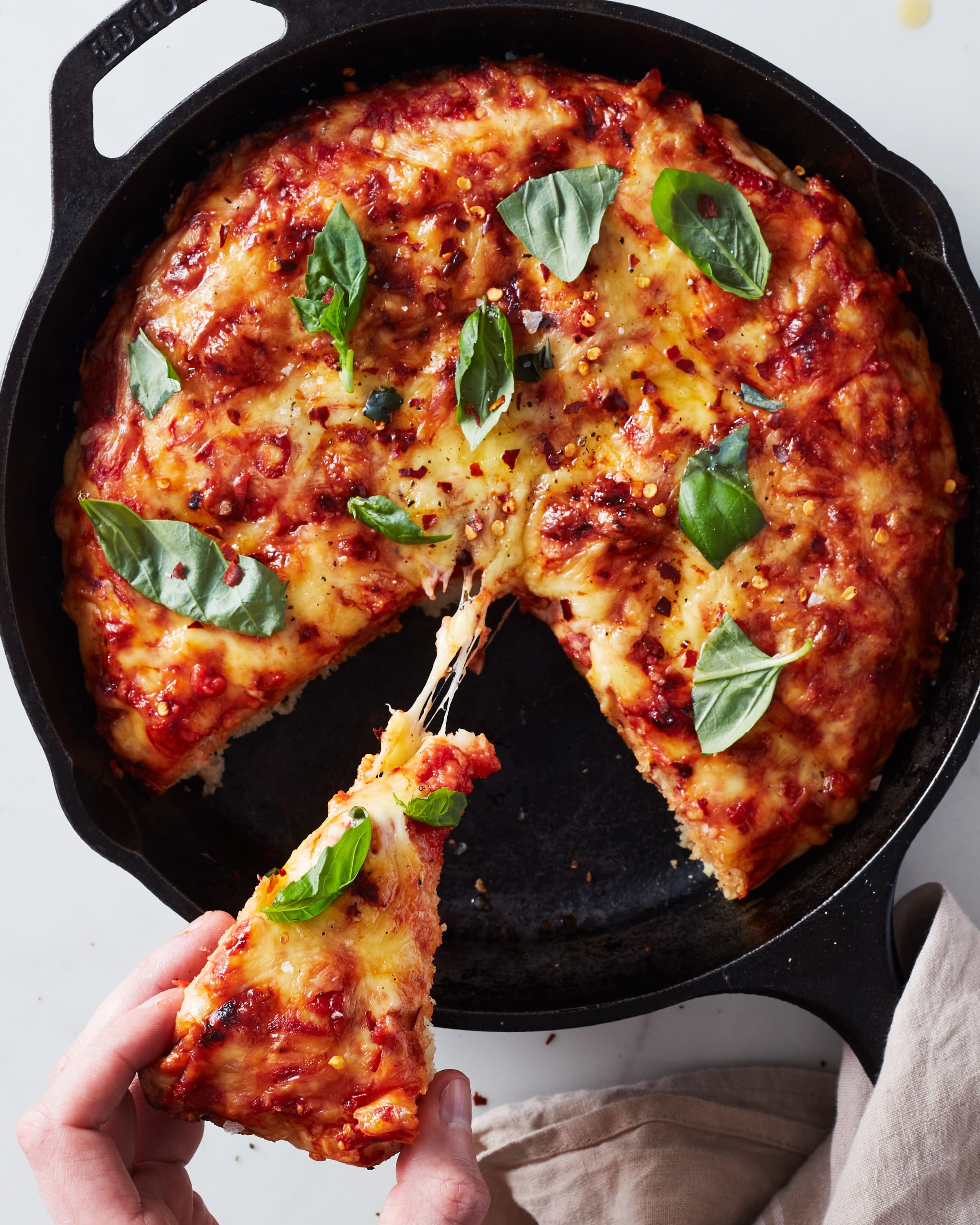
Credit: www.thekitchn.com
Layering Techniques
Create a crispy pan pizza by layering ingredients properly. Start with dough, add sauce, then sprinkle cheese. Distribute toppings evenly to ensure every bite is flavorful and delicious.
Creating the perfect pan pizza can be a fun and rewarding experience. One of the secrets to a great pizza lies in how you layer your ingredients. This can make the difference between a pizza that’s simply good and one that’s absolutely unforgettable.Order Of Toppings
The sequence in which you add your toppings can significantly affect your pizza’s texture and taste. Always start with a thin layer of sauce; too much can overwhelm the other flavors and make the crust soggy. Then, add your cheese before other toppings. This helps to lock in moisture and allows the cheese to melt evenly, giving you that delightful cheesy stretch with every bite. Think about the toppings that need more heat to cook properly, like raw meats or certain vegetables. Place them directly on top of the cheese so they have enough exposure to the heat. Delicate toppings like herbs or already-cooked meats can go on last to prevent them from burning.Avoiding Soggy Crust
A soggy crust can ruin even the most well-flavored pizza. One simple trick is to pre-bake your crust for a few minutes before adding any toppings. This gives the crust a head start and a little extra crispiness. Be mindful of the moisture content in your toppings. For instance, watery vegetables like tomatoes or mushrooms can release liquid as they cook. Consider sautéing them briefly before adding them to your pizza, or simply pat them dry with a paper towel.Creating Flavorful Combinations
Mixing and matching toppings is where your creativity can truly shine. Think about flavors that complement each other and create a harmonious blend. For example, the sweetness of caramelized onions pairs beautifully with the saltiness of prosciutto. Experiment with unexpected combinations to keep things exciting. Have you ever tried adding a sprinkle of blue cheese alongside mozzarella for a tangy twist? Or maybe a touch of honey drizzled over spicy pepperoni? These little additions can elevate your pizza to new heights. Consider what flavors you love in other dishes and see if they can be translated onto your pizza. It’s all about finding that perfect balance that makes you eagerly anticipate the next bite. What combinations will you try to make your pan pizza stand out?Cooking Methods
Cooking methods play a crucial role in achieving the perfect pan pizza. The right techniques ensure a crispy crust and delightful toppings. Let’s explore these essential elements.
Choosing The Right Pan
The pan is vital for a great pizza. A cast iron pan is excellent for even heat distribution. Non-stick pans are also popular. They prevent sticking and help with easy removal.
Ensure the pan is large enough. It should accommodate the dough without crowding. A roomy pan allows the dough to rise properly.
Optimal Oven Temperature
Temperature affects the crust and toppings. Preheat the oven to 475°F for best results. This high heat creates a crispy crust. It also cooks the toppings evenly.
A thermometer helps monitor the temperature. This ensures accuracy and consistency.
Ensuring Even Cooking
Even cooking is crucial for texture. Rotate the pan halfway through baking. This prevents uneven browning and ensures consistent heat.
Place the pan on the middle rack. This position allows balanced heat distribution. Avoid placing it too close to the top or bottom.
Use a pizza stone for added crispiness. It absorbs moisture and enhances crust texture.
Final Touches
The final touches can elevate your pan pizza from good to great. These small additions can make a big difference in flavor and texture. Let’s explore some tips to perfect your homemade pan pizza.
Adding Fresh Herbs Post-bake
Fresh herbs add bright flavors to your pizza. Sprinkle fresh basil, parsley, or oregano after baking. This keeps the herbs vibrant and aromatic. The heat from the pizza releases their essential oils. This enhances the overall taste.
Using Oil For Extra Crispiness
Oil can make your pizza crust extra crispy. Brush olive oil on the crust edges after baking. It adds shine and a rich flavor. You can also try flavored oils for a unique twist. Garlic or chili-infused oils work well.
Serving Suggestions
Presentation matters when serving your pizza. Slice it into even pieces for easy sharing. Add a small bowl of dipping sauce on the side. Marinara or ranch are popular choices. Serve with a simple salad to balance flavors.
Frequently Asked Questions
What Is The Best Flour For Pan Pizza?
The best flour for pan pizza is all-purpose or bread flour. Both provide a good balance of chewiness and crispiness. All-purpose flour is versatile and readily available. Bread flour contains more gluten, resulting in a chewier crust. Choose based on your texture preference for the perfect pan pizza.
How Do I Achieve A Crispy Crust?
To achieve a crispy crust, use a hot oven, preferably at 475°F (245°C). Preheat your pan to create a sizzling base. Brush the crust edges with olive oil for added crispiness. Avoid overloading with toppings, as excess moisture can prevent crispiness.
Follow these tips for a perfect crispy crust.
How Long Should Pan Pizza Dough Rise?
Pan pizza dough should rise for at least 1 to 2 hours. This allows the yeast to develop flavor and texture. For even better results, let it rise in the fridge overnight. This slow fermentation enhances the taste and makes the dough easier to handle.
Can I Use A Cast Iron Skillet For Pan Pizza?
Yes, you can use a cast iron skillet for pan pizza. It helps achieve a crispy crust due to its excellent heat retention. Preheat the skillet before adding the dough. This ensures even cooking and a golden-brown base. A cast iron skillet is a great choice for homemade pan pizzas.
Conclusion
Creating the perfect pan pizza is all about balance. Use fresh ingredients for a tasty bite. Don’t rush the dough; let it rise properly. A hot oven ensures a crispy crust. Choose the right cheese for the best melt. Experiment with toppings until you find your favorite mix.
Practice makes perfect, so keep trying. Enjoy the process, and share your pizza with friends. Remember, the joy is in the making, as much as the eating. With these tips, your homemade pizza will delight every time. Happy cooking!
