
Have you ever wondered why some cakes turn out perfectly while others fall flat? The secret isn’t just in the recipe—it’s in the pan you use.
If you’ve ever baked a cake only to find it sticking, unevenly cooked, or lacking that professional finish, you’re not alone. The choice of cake pan can make or break your baking efforts, and professional bakers know this all too well.
By understanding what cake pans they choose and why, you can elevate your baking game to new heights. Imagine pulling a flawless, Instagram-worthy cake out of the oven every single time. Intrigued? Let’s dive into the world of cake pans and discover what the pros use to ensure every cake is a masterpiece.
Credit: www.bakerssecret.com
Types Of Cake Pans
Choosing the right cake pan is crucial for baking success. Different types of cake pans serve various purposes. Each pan shape affects the texture and appearance of the cake. Let’s explore the most common types of cake pans used by bakers.
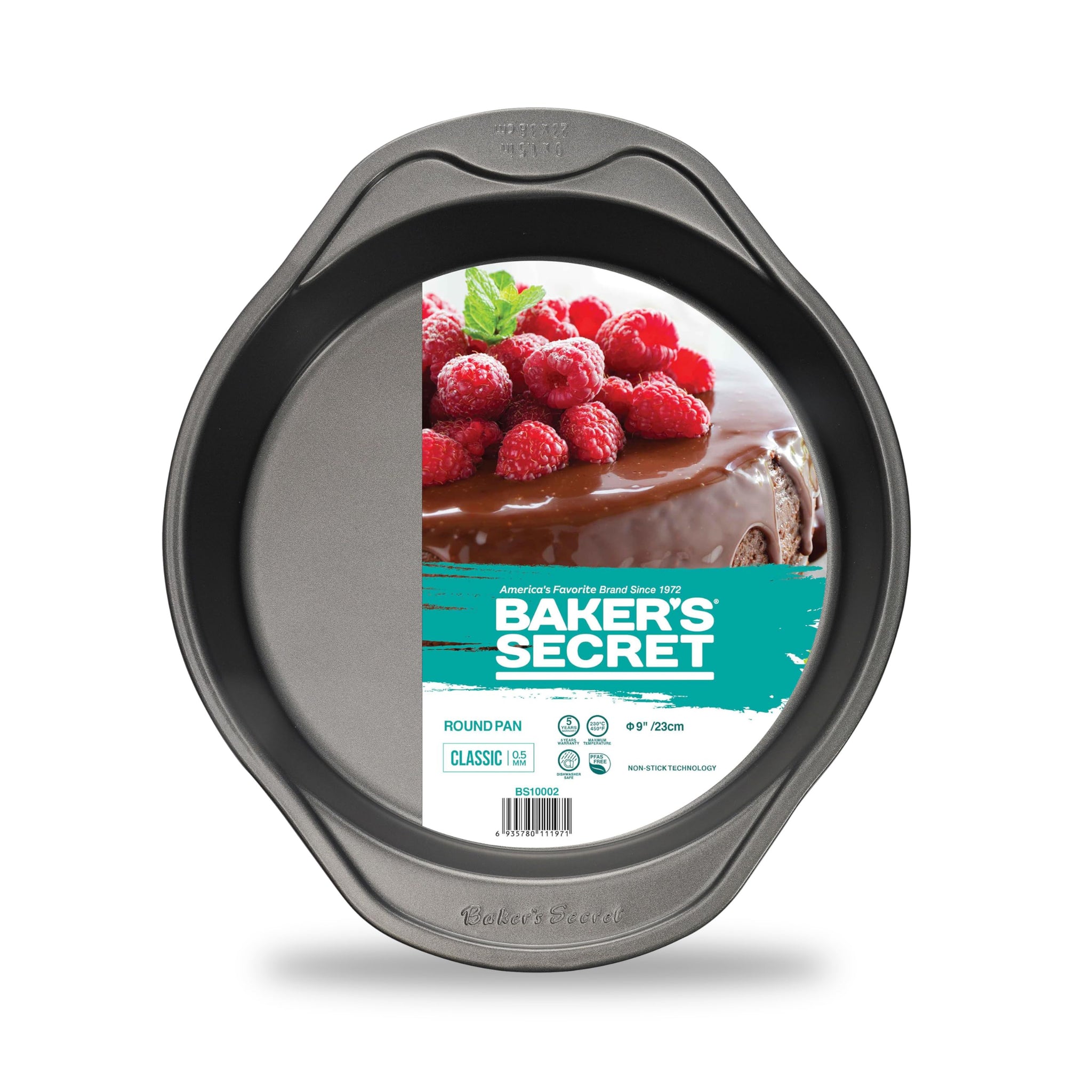
Round Pans
Round pans are a staple in baking. They are perfect for making layer cakes. Bakers often use them for tiered cakes too. Available in various sizes, they offer great versatility.
Square Pans
Square pans create cakes with clean, sharp edges. They are ideal for brownies and bar cookies. The even sides help in easy slicing. Perfect for casual and formal events alike.
Rectangular Pans
Rectangular pans are great for sheet cakes. They are often used for birthday cakes. Their large surface area allows for creative decorations. Suitable for large gatherings and parties.
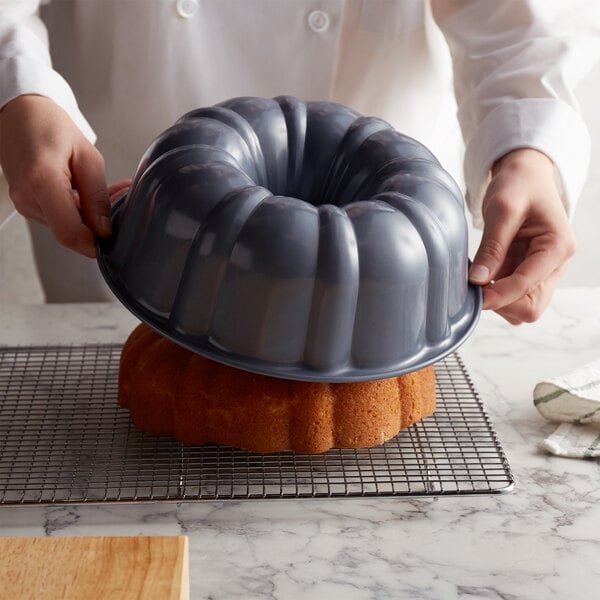
Bundt Pans
Bundt pans have intricate designs. They give cakes a beautiful shape without much effort. These pans have a central tube that helps even baking. Ideal for pound cakes and coffee cakes.
Springform Pans
Springform pans are unique and practical. They have removable sides, making them perfect for cheesecakes. No need to invert the cake to remove it. This pan ensures easy and mess-free release.
Tube Pans
Tube pans are essential for angel food cakes. They have a hollow tube in the center. This allows the batter to rise evenly. The result is a light, airy texture.

Credit: www.usapan.com
Materials Of Cake Pans
Choosing the right material for your cake pans can make all the difference in your baking results. Each material has its unique properties that affect how cakes bake, rise, and release. Understanding these differences can help you make informed decisions and elevate your baking skills.
Aluminum
Aluminum is a popular choice among bakers because it heats evenly and cools quickly. This means your cakes bake uniformly and are less likely to over-bake. I once switched to aluminum pans for a birthday cake and noticed a significant difference in the cake’s texture and color.
Stainless Steel
Stainless steel pans are known for their durability and resistance to rust. They might not conduct heat as well as aluminum, but they are fantastic for recipes requiring consistent temperatures. Have you ever tried baking cheesecakes? Stainless steel pans can be ideal for water bath methods.
Silicone
Silicone pans are flexible, making them perfect for intricate designs. They are non-stick by nature, which means your cakes will pop out with minimal effort. I once used a silicone pan for cupcakes, and the ease of removal was a game-changer for me.
Glass
Glass pans offer the advantage of seeing the baking process, which can be useful for ensuring an even bake. They retain heat longer, which can keep your cake warm for serving. However, they’re more suited to recipes that bake at lower temperatures to prevent browning.
Non-stick Coatings
Non-stick coatings are beloved for their convenience in cake release and cleaning. However, they require gentle care to avoid scratches. Have you considered the impact of using metal utensils on non-stick pans? Switching to silicone or wooden tools can extend the lifespan of these pans.
Which material aligns with your baking goals? Experimenting with different materials can open up a new world of textures and flavors in your baking. Choose wisely and enjoy the process!
Choosing The Right Size
Bakers often select cake pans based on recipe requirements and desired cake size. Round pans are popular for layered cakes, while square or rectangular pans suit sheet cakes. Using the right size ensures even baking and perfect texture.
Choosing the right size cake pan can make or break your baking experience. It’s not just about what fits in your oven; it’s about how your cake will rise and bake evenly. Ever baked a cake that turned out undercooked in the middle but crispy on the edges? The wrong pan size could be the culprit. Let’s dive into understanding which sizes are best for your baking needs.Standard Sizes
Bakers often rely on standard sizes for their versatility and ease of use. An 8-inch or 9-inch round pan is a staple in most kitchens. These sizes are perfect for making classic layer cakes. A 9×13-inch rectangular pan is another must-have. It’s ideal for sheet cakes, brownies, and even lasagnas. If you’re just starting out, these sizes should be your go-to.Specialty Sizes
Sometimes a recipe calls for something a bit different. Specialty sizes can elevate your baking game. Mini pans, bundt pans, or loaf pans can bring a unique flair to your creations. Consider investing in a springform pan for cheesecakes. They make removing the cake a breeze without damaging it. Specialty sizes open up new possibilities for creativity in the kitchen.Adjusting Recipes For Size
What if your recipe calls for a 9-inch pan, but all you have is an 8-inch one? Adjusting your recipe is key to success. Simply changing the pan size affects baking time and texture. If you use a smaller pan, your cake will be thicker, potentially requiring more baking time. Conversely, a larger pan results in a thinner cake, which bakes faster. Always keep an eye on your cake and use a toothpick to test doneness. Have you ever considered the impact of pan size on your baking? Next time, take a moment to think about how the size could change your dessert’s outcome. It might just make your next baking adventure a whole lot sweeter.Specialty Cake Pans
Specialty cake pans are the secret weapons in a baker’s kitchen. They allow you to create cakes that are not just delicious but also visually stunning. Whether you’re crafting a child’s birthday cake or preparing for a fancy wedding, these pans can transform your baking game. Let’s dive into some of the fascinating types of specialty cake pans and see how they can elevate your baking experience.
Novelty Shapes
Novelty shape pans are perfect for adding a touch of whimsy to your cakes. These pans come in a variety of shapes such as hearts, stars, and even characters from popular movies. Imagine the joy on a child’s face when you present a cake shaped like their favorite superhero.
These pans can turn an ordinary cake into a memorable experience. You’ll often find them at specialty baking stores or online. They can also be a great conversation starter at parties.
Miniature Pans
Miniature pans are ideal for creating single-serving cakes or cupcakes. These pans are great for parties or events where you want to offer a variety of flavors without committing to a full-sized cake. They allow you to experiment with different recipes on a smaller scale.
Using miniature pans can also make portion control easier. Have you ever tried to cut a cake into equal slices for a group? Miniature pans solve that problem beautifully. Plus, they’re perfect for gifts or party favors.
Tiered Cake Pans
Tiered cake pans are essential for creating multi-layered cakes. They come in sets, each pan slightly smaller than the last, allowing you to stack them easily. These are the pans you’ll reach for when making wedding or anniversary cakes.
Creating a tiered cake can seem daunting, but with the right pans, it becomes manageable. The key is to ensure each layer is baked evenly. Have you ever admired a tiered cake at a wedding and wondered how it was done? The secret often lies in the quality of the pans used.
What specialty cake pans are you considering for your next baking project? Whether it’s novelty, miniature, or tiered pans, each has its unique charm. They can transform your baking from good to unforgettable. Happy baking!
Caring For Cake Pans
Cake pans are essential tools for bakers. Proper care ensures their longevity and performance. Learn how to clean, store, and extend the life of your cake pans below.
Cleaning Tips
Start by using warm, soapy water. This removes grease and residue easily. Avoid using abrasive sponges. They can scratch the surface of your pans. Dry your pans immediately. This prevents rust and water spots.
For stubborn stains, try baking soda and water. Make a paste and apply it gently. Let it sit for a few minutes before rinsing. This method is safe and effective. Avoid using harsh chemicals. They can damage your pans and affect your baking.
Storage Solutions
Store pans in a dry location. Moisture can lead to rust. Use pan protectors between stacked pans. This prevents scratches and dents. Hanging pans is a great option. It saves space and keeps them safe.
Consider using a dedicated shelf or cupboard. This keeps pans organized and accessible. Avoid stacking heavy items on pans. It can warp them and affect baking results.
Extending Pan Life
Use parchment paper when baking. It reduces direct contact with food. This prevents sticking and prolongs pan life. Avoid cutting directly in the pan. It can scratch and damage the surface.
Regularly inspect your pans for damage. Replace them if they show signs of wear. Proper maintenance ensures consistent baking results. Treat your pans with care for long-lasting use.
Common Baking Issues
Baking a cake seems simple, but issues can arise. Bakers often face problems that affect the cake’s quality. These issues can leave bakers scratching their heads. Understanding common baking problems helps create perfect cakes.
Sticking Cakes
Cakes sticking to pans frustrate many bakers. A cake can break apart when removed. Properly greasing the pan can prevent this. Use parchment paper to line the bottom. Non-stick pans are also helpful. They reduce the risk of sticking. Avoid skipping this step for a smooth cake release.
Uneven Baking
Uneven baking can ruin a cake’s texture. Some parts may be undercooked or overdone. This often happens with dark or light pans. Dark pans absorb more heat, cooking the cake faster. Light pans do the opposite. Choose pans with even heat distribution. Rotate the pan halfway through baking. This helps cook the cake evenly.
Overbrowning
Overbrowning occurs when the cake’s edges cook too quickly. It leaves the cake center uncooked. This often happens with dark pans. They absorb heat faster than light pans. Consider lowering the oven temperature. Cover the cake with foil if needed. This slows down the browning process.
Baker’s Favorite Brands
Choosing the right cake pan can impact baking success. Bakers often rely on trusted brands for quality and durability. The right pan can make a difference in texture and presentation. Let’s explore some of the favorite brands bakers swear by.
Professional Recommendations
For professional bakers, brands like Wilton and Nordic Ware stand out. Wilton offers a range of pans with non-stick surfaces. These pans ensure even baking and easy release of cakes. Nordic Ware is known for its sturdy aluminum pans. They provide excellent heat distribution for consistent baking results. Both brands are highly recommended by baking experts.
Budget-friendly Options
For those on a budget, there are reliable choices too. USA Pan offers affordable options without compromising quality. Their pans come with a non-stick coating, making cleanup easy. Fat Daddio’s also provides cost-effective pans with durable construction. These budget-friendly brands maintain quality, making them popular among home bakers.

Credit: www.usapan.com
Frequently Asked Questions
What Are The Most Common Cake Pan Types?
Bakers commonly use round, square, and rectangular cake pans. These shapes are versatile for various recipes. Round pans are popular for layered cakes. Square and rectangular pans are ideal for sheet cakes and brownies. Different sizes allow bakers to create cakes for any occasion.
Why Do Bakers Prefer Non-stick Cake Pans?
Non-stick cake pans are preferred because they ensure easy cake release. This feature helps maintain the cake’s shape and reduces the risk of sticking. Non-stick surfaces also make cleanup easier and quicker. Bakers save time and effort, making them a favorite choice in busy kitchens.
How Does Pan Material Affect Baking?
Pan material impacts heat distribution and baking time. Aluminum pans conduct heat well, ensuring even baking. Stainless steel pans are durable but may require adjustments. Silicone pans are flexible and non-stick, ideal for delicate cakes. Choosing the right material ensures better results.
What Size Cake Pan Do Bakers Use Most?
Bakers often use an 8 or 9-inch round pan. This size is versatile for many cake recipes. It suits both single-layer and layered cakes. These pans fit well in standard ovens, making them convenient. Adjustments might be needed for different cake recipes.
Conclusion
Bakers choose cake pans for many reasons. Size matters. Shape counts too. Material influences baking results. Non-stick pans help with easy release. Aluminum pans offer even heat distribution. Silicone pans make cleaning simple. Glass pans suit certain recipes. Each type has its unique benefits.
Knowing your needs aids selection. Experiment with different pans. Find what suits your baking style. Remember, good cake pans are an investment. They improve baking experiences. Try various pans to discover favorites. Happy baking!
