
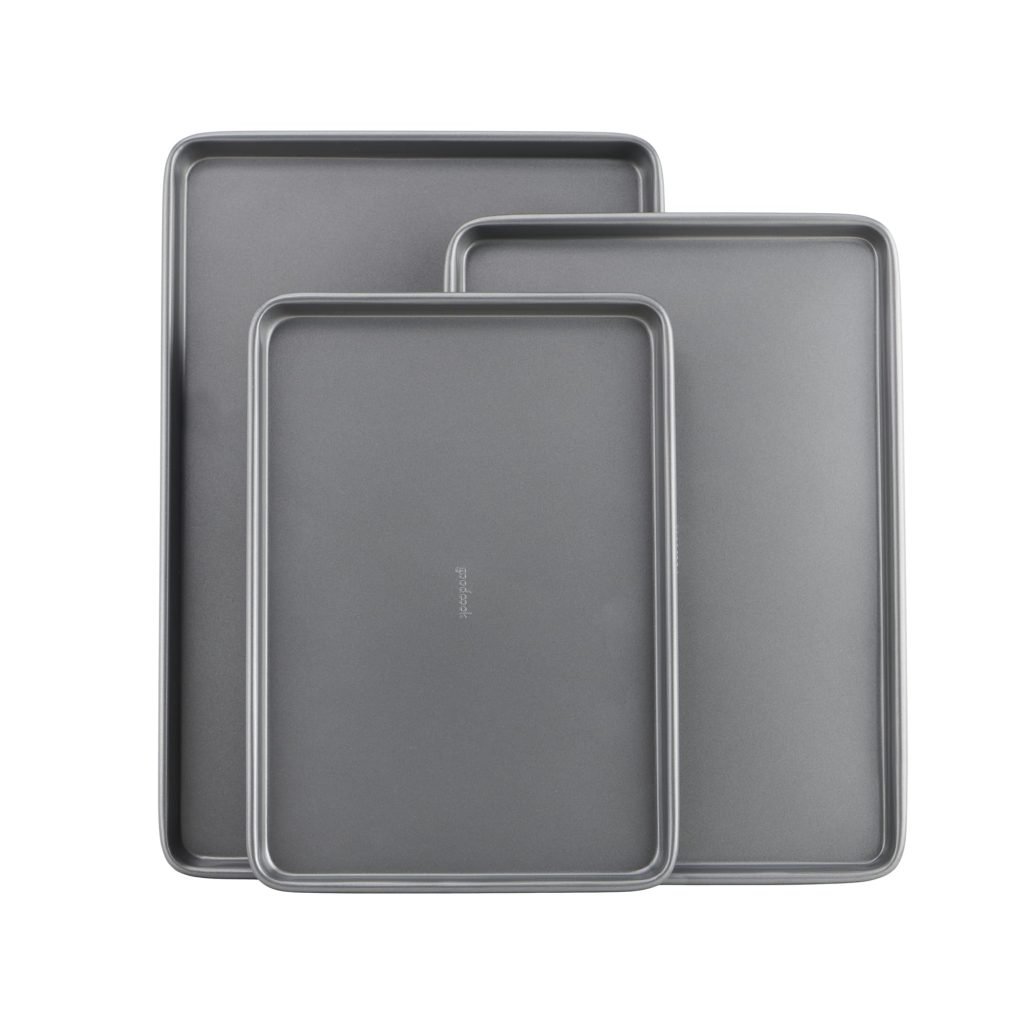
Are you tired of your cookies sticking to the baking sheet or not baking evenly? Choosing the right cookie sheet material can transform your baking experience from frustrating to delightful.
You might be wondering, with so many options available, which one truly stands out? The answer to this question can make all the difference in achieving that perfect golden-brown finish on your cookies. Imagine the smell of freshly baked treats filling your kitchen, and the satisfaction of seeing each cookie come out just right.
This article will guide you through the best materials for cookie sheets, helping you make an informed decision that will elevate your baking game. Stick around to discover which material will turn your baking sessions into a sweet success.
Factors To Consider
Choosing the best cookie sheet material involves several key factors. Each aspect plays a crucial role in baking efficiency and results. Understanding these factors helps in selecting the right cookie sheet for your needs.
Heat Conductivity
Heat conductivity affects how evenly cookies bake. Materials like aluminum and copper are great conductors. They ensure cookies bake uniformly, avoiding undercooked centers. Steel sheets offer moderate conductivity. This might result in uneven baking if not monitored closely.
Durability And Maintenance
Durability matters for long-term use. Stainless steel is highly durable, resisting warping. It lasts longer with proper care. Aluminum sheets are lightweight but prone to dents. Maintenance varies; some materials need more care to retain their quality.
Non-stick Properties
Non-stick properties simplify baking and cleaning. Non-stick coatings prevent cookies from sticking. This reduces the need for greasing, saving time. Silicone mats also provide excellent non-stick surfaces. Be cautious, as coatings can wear off over time.
Cost Effectiveness
Cost effectiveness balances budget with quality. Aluminum sheets are affordable and perform well. Stainless steel costs more but offers durability. Non-stick options might be pricier due to coatings. Choose based on your baking frequency and budget.
Aluminum Cookie Sheets
Aluminum cookie sheets offer even heat distribution, making them a popular choice for baking. They are lightweight and resistant to rust, ensuring durability. Ideal for achieving perfectly baked cookies every time.
When it comes to baking, the choice of cookie sheet material can significantly impact your results. Aluminum cookie sheets are a popular choice for many home bakers and professionals alike. They are often praised for their ability to conduct heat evenly, making them a staple in many kitchens. But is this the right choice for you? Let’s explore the advantages and disadvantages of aluminum cookie sheets to help you decide.Advantages
Aluminum cookie sheets are known for their excellent heat conductivity. This means your cookies bake evenly, with fewer hotspots that can cause uneven browning. As someone who loves baking, you know how frustrating it can be to have cookies come out with burnt edges and raw centers. An aluminum sheet can help mitigate this issue. They are also lightweight, which makes them easy to handle and store. If you’ve ever juggled a heavy tray out of the oven, you’ll appreciate the ease of maneuvering an aluminum sheet. Plus, their affordability is a significant advantage, making them accessible for bakers on a budget. Cleaning aluminum cookie sheets is typically straightforward. Most are non-stick, so you won’t spend much time scrubbing baked-on residue. Just a quick wash, and they’re ready for your next baking adventure.Disadvantages
Despite their benefits, aluminum cookie sheets have some downsides. They can warp at high temperatures, especially if they’re thin. Imagine pulling out a warped sheet and watching your carefully placed cookies slide into each other. Aluminum is also a reactive metal. It can sometimes give a metallic taste to acidic foods. While cookies aren’t usually acidic, it’s something to consider if you plan to use the sheet for other types of baking. Lastly, aluminum cookie sheets can discolor over time. While this doesn’t affect their performance, it can be disappointing if you like your bakeware to look pristine. If aesthetics matter to you, this might be a factor. Considering these points, do aluminum cookie sheets align with your baking needs? Your choice will depend on your priorities in the kitchen. Whether it’s even baking, easy handling, or long-term durability, the right cookie sheet can make all the difference.Stainless Steel Sheets
Stainless steel sheets are a popular choice for baking enthusiasts. They are known for their durability and sleek appearance. Many bakers choose stainless steel because it offers consistent results. It is a reliable option for various baking tasks. This material can handle high temperatures without warping. Stainless steel sheets are often easy to clean, which is a big plus for busy kitchens. Their non-reactive nature makes them safe for all types of food. Let’s explore their pros and cons and ideal baking uses.
Pros And Cons
Stainless steel sheets have several advantages. They are resistant to rust and corrosion. This means they last longer than some other materials. They do not react with acidic foods. This ensures your baked goods taste just right. These sheets distribute heat evenly. This helps in achieving consistent baking results.
However, there are some downsides. Stainless steel can be more expensive. It often lacks the non-stick surface some bakers prefer. This might require using baking spray or parchment paper.
Ideal Baking Uses
Stainless steel sheets excel in roasting and baking. They are perfect for cookies and pastries. Their even heat distribution ensures uniform browning. Use them for roasting vegetables or meats. Their durability handles high temperatures well. This makes them versatile in the kitchen.
For bakers who value durability, they are a great choice. They are also ideal for those who bake often. With proper care, these sheets last for years. A reliable and long-lasting option for any baking enthusiast.

Credit: www.amazon.com
Non-stick Coated Sheets
Non-stick coated sheets help cookies slide off easily without sticking. They offer a smooth baking surface and easy cleanup. Ideal for even heat distribution, these sheets ensure perfectly baked treats every time.
When it comes to baking, choosing the right cookie sheet can make all the difference in your culinary adventures. Non-stick coated sheets have become increasingly popular among home bakers and professionals alike. Their main appeal lies in their ability to prevent cookies from sticking, ensuring a smooth baking experience and pristine results every time.Features
Non-stick coated sheets often come with a layer that helps food release effortlessly. This coating is designed to minimize the amount of oil or butter you need for greasing, making it a healthier option for baking enthusiasts. They typically have an even heat distribution, which means your cookies bake uniformly. You won’t have to worry about one side being more cooked than the other. These sheets are also easy to clean. A quick wipe with a damp cloth or rinse under water can get rid of most residues. This saves time and effort, especially after long baking sessions.Common Issues
Despite their advantages, non-stick coated sheets can have some drawbacks. The coating can wear off over time, especially if you use metal utensils or scourers. This can result in uneven baking and sticking issues. Some users may find that the coating affects the flavor of the cookies. If the sheet is overheated, it might emit a peculiar smell, altering the taste of your baked goods. Durability can be a concern. While they are convenient, non-stick coatings can scratch easily, reducing their lifespan. Have you noticed any scratches on your sheet recently? Using non-stick sheets might require you to adjust baking times and temperatures. Have you ever had to experiment with your recipes when using these sheets? Choosing the right cookie sheet material is crucial for achieving perfect cookies. Whether you opt for non-stick coated sheets or another type, understanding their features and common issues can help you make informed decisions. What experiences have you had with non-stick sheets? Would you recommend them to fellow bakers?Silicone Baking Mats
Silicone baking mats offer a durable option for cookie sheets. They ensure even heat distribution and easy cleanup. Ideal for non-stick baking, these mats prevent cookies from sticking and promote a golden finish.
Silicone baking mats are gaining popularity among baking enthusiasts. They provide a non-stick surface for baking cookies and other treats. These mats are made from food-grade silicone, ensuring safety and durability.Benefits
Silicone baking mats offer excellent non-stick properties. You won’t need extra grease or parchment paper. This feature makes cleaning a breeze. Simply wipe or rinse after use. They are reusable, which saves money and reduces waste. The mats distribute heat evenly, ensuring perfectly baked cookies. They are versatile and can withstand high temperatures. Silicone mats can be used for various baking tasks.Limitations
Silicone baking mats may not fit all cookie sheets. Their sizes can vary, causing inconvenience. They require careful handling to avoid damage. Sharp objects can tear or puncture the mat. Silicone mats can retain odors from strong-smelling foods. This might affect the taste of delicate baked goods. While durable, they need proper care to maintain longevity. Some users find them less effective for crispy textures.
Credit: www.ebay.com
Copper Baking Sheets
Copper baking sheets are a popular choice among baking enthusiasts. Their attractive appearance and excellent heat conductivity make them ideal for baking. These sheets offer even heat distribution, reducing hot spots that can cause uneven baking.
Many bakers appreciate copper for its responsiveness to temperature changes. This quality ensures precise control over the baking process. Copper sheets also cool down quickly, which is helpful during fast-paced baking tasks.
Performance
Copper baking sheets conduct heat quickly and evenly. This ensures that baked goods cook uniformly. No more burnt edges or undercooked centers. The heat retention of copper is also impressive. It keeps your pastries warm long after they are out of the oven.
These sheets are great for recipes requiring precise temperature control. Their quick response to oven temperature changes helps avoid overcooking. Copper’s even heat distribution is perfect for cookies, pastries, and other delicate items.
Care Instructions
Caring for copper baking sheets is essential for maintaining their quality. Always hand wash them with mild soap and water. Avoid using harsh abrasives or dishwashers. These can damage the copper surface.
To remove stains, use a mixture of salt and lemon juice. Gently rub this mixture onto the stained areas. Rinse thoroughly and dry with a soft cloth. Regularly polish your copper sheets to maintain their shine. Use a copper-specific polish or make a paste of baking soda and water.
Ceramic Coated Options
Ceramic coated cookie sheets offer a smooth, non-stick surface, making baking easy and cleanup simple. These sheets resist staining and scratching, ensuring durability. Ideal for even heat distribution, they help achieve perfectly baked cookies every time.
When it comes to baking, the type of cookie sheet you choose can make a huge difference in your results. One option gaining popularity is ceramic coated cookie sheets. These sheets promise a non-stick surface and a sleek, modern look. But are they right for you? Let’s dive into the benefits and potential drawbacks of ceramic coated options.Why Choose Ceramic
Ceramic coated cookie sheets offer a non-stick surface that makes baking and cleaning a breeze. You won’t have to worry about your cookies sticking or falling apart when you try to remove them. This feature can be a lifesaver, especially if you love baking delicate cookies. These sheets are also known for their even heat distribution. This means your cookies can bake uniformly, avoiding those frustrating burnt edges or undercooked centers. Plus, ceramic coatings are generally free of harmful chemicals like PFOA and PTFE, offering a safer option for health-conscious bakers.Potential Drawbacks
However, ceramic coated cookie sheets aren’t without their downsides. One issue to consider is their durability. Over time, the ceramic coating may chip or wear off, especially if you frequently use metal utensils. These sheets can also be on the pricier side. If you’re on a tight budget, you might find other materials like aluminum or stainless steel more affordable. Additionally, while ceramic coatings offer non-stick benefits, they still require gentle care to maintain their quality. You may need to hand wash them and avoid abrasive sponges or harsh detergents. Ultimately, whether ceramic coated cookie sheets are the best choice for you depends on your baking habits and priorities. Are you looking for easy cleanup and a chemical-free surface? Or do you prioritize durability and cost-effectiveness? Consider these factors as you make your decision.Comparing Sheet Materials
Choosing the right cookie sheet material is crucial for perfect baking results. Different materials offer unique benefits and can affect your baking style. Whether starting out or baking professionally, understanding these materials helps make an informed choice.
Best For Beginners
Aluminum sheets are great for beginners. They heat evenly and are lightweight. Ideal for cookies, they prevent uneven baking. Easy to clean and maintain, aluminum sheets last for years with proper care.
Professional Baking Needs
Stainless steel sheets suit professional baking. They provide durability and resist warping. Offering consistent heat distribution, they ensure perfect browning. Though heavier, they withstand frequent use.
Versatility
Silicone baking mats add versatility. They can be used on any sheet material. Non-stick and easy to clean, they reduce the need for added fats. Their flexibility allows easy removal of baked goods.
Tips For Selecting The Right Sheet
Choosing the right cookie sheet material can make a significant difference in your baking results. With various materials available, each offering unique benefits, it might be challenging to decide which one is best for you. Here are some tips to help you select the perfect sheet for your baking needs.
Personal Baking Style
Your baking style plays a crucial role in selecting the right cookie sheet. Do you love baking crispy cookies that have a golden-brown edge? Consider using an aluminum sheet for even heat distribution. If you prefer soft, chewy cookies, a steel sheet might be your best bet. Reflect on your past baking experiences and think about the texture and finish you aim to achieve.
Budget Considerations
Your budget is another important factor when selecting a cookie sheet. High-quality materials like stainless steel might be more expensive, but they can last longer and provide consistent results. On the other hand, aluminum sheets are generally more affordable and still offer great performance for many bakers. Think about how often you bake and whether investing in a more durable option could be worthwhile for your kitchen.
Maintenance Preferences
Consider how much time and effort you’re willing to dedicate to maintaining your cookie sheets. Non-stick sheets can be a breeze to clean but may require special care to maintain their coating. Stainless steel or aluminum sheets may require a little more elbow grease but tend to be more forgiving with different cleaning methods. Decide what level of maintenance you’re comfortable with to ensure your sheets stay in top condition.
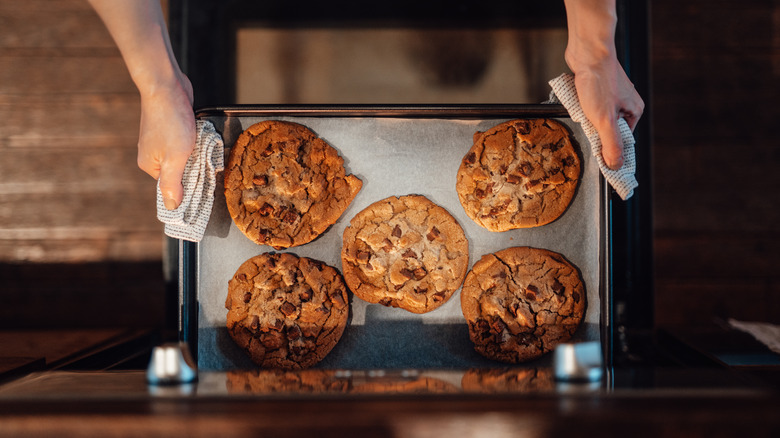
Choosing a cookie sheet is more than just picking a material; it’s about finding what fits your lifestyle. Think about your baking goals, budget, and how much care you’re willing to give. What’s your perfect match? Experiment with different materials and see how they transform your baking adventures!
Credit: www.chowhound.com
Frequently Asked Questions
What Is The Best Material For Cookie Sheets?
Aluminum is often considered the best material for cookie sheets. It heats evenly and resists rust, ensuring long-lasting performance. Stainless steel and non-stick options are also popular for their durability and easy cleanup. Choose based on your baking needs and preferences.
Why Choose Aluminum For Cookie Sheets?
Aluminum is lightweight, affordable, and distributes heat evenly. This ensures cookies bake consistently, reducing the risk of burning or undercooking. It’s also rust-resistant, making it a durable choice. Aluminum’s affordability and effectiveness make it a favorite among bakers.
Are Non-stick Cookie Sheets Good For Baking?
Non-stick cookie sheets are great for easy release and cleanup. They require less or no greasing, which can result in healthier baking. However, they may not brown cookies as well as other materials. Use them for delicate cookies that might stick to traditional surfaces.
How Do Stainless Steel Cookie Sheets Perform?
Stainless steel cookie sheets are durable and resistant to warping. They offer a shiny, attractive appearance and are easy to clean. However, they may heat unevenly compared to aluminum. Opt for stainless steel if durability and aesthetics are your priorities.
Conclusion
Choosing the right cookie sheet makes baking easier and more fun. Each material has its strengths. Aluminum heats evenly. Stainless steel lasts long. Non-stick surfaces simplify clean-up. Consider what matters most to you. Durability? Even baking? Easy cleaning? Think about your baking needs.
It helps you decide. Your cookies will thank you. Experiment with different materials. Discover what works best for you. Baking should be enjoyable. The right tools make a difference. Happy baking!
