
Have you ever wondered why some cupcakes turn out fluffy and light while others are dense and heavy? The secret often lies in the type of flour you choose.
Whether you’re a seasoned baker or just starting out, understanding the role of flour in your cupcake recipe can make all the difference. We’ll dive into the world of flours, revealing which type can elevate your cupcakes from good to irresistible.
So, if you’re ready to take your baking skills to the next level and impress everyone with your cupcake creations, keep reading. You might be surprised to learn how a simple ingredient swap can transform your sweet treats!

Credit: www.tiktok.com
All-purpose Flour
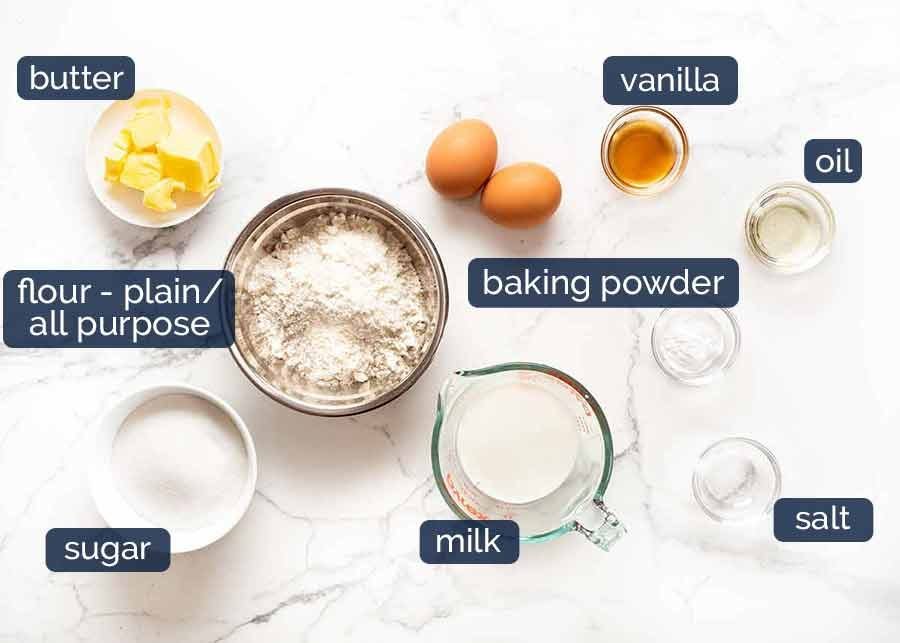
When it comes to baking cupcakes, selecting the right flour can make all the difference. One popular choice among bakers is all-purpose flour. Known for its adaptability, all-purpose flour serves as a reliable option for creating the perfect cupcake. It provides a balance between protein content and texture, making it suitable for a variety of baked goods, not just cupcakes. But what makes all-purpose flour the go-to choice for many?
Versatility
All-purpose flour is precisely what its name suggests—versatile. You can use it for cupcakes, cookies, cakes, and even bread. This adaptability means you don’t need to stock multiple types of flour in your pantry. When you’re in the mood to bake, all-purpose flour is a dependable staple that won’t let you down. It seamlessly blends with other ingredients, providing a consistent base for your baking adventures.
Have you ever started a baking project only to realize you’re missing a crucial ingredient? With all-purpose flour on hand, those moments of panic are minimized. It’s a universal option that fits into nearly any recipe you find online or in cookbooks.
Texture And Taste
The texture of your cupcakes is crucial. All-purpose flour strikes a balance between lightness and density, resulting in a cupcake that is moist and tender. It’s what gives cupcakes their soft bite without making them overly crumbly or heavy.
Think about the last time you baked cupcakes. Did they have that melt-in-your-mouth quality? If so, all-purpose flour likely played a role. Its neutral flavor allows your additional ingredients—like vanilla or chocolate—to shine without interference. This means you get to enjoy the full taste of your carefully selected flavors.
When you have guests over, impress them with cupcakes that have the perfect texture and taste. All-purpose flour makes achieving that easier, even if you’re not a professional baker.
So, next time you’re deciding on which flour to use for your cupcakes, consider the versatility and texture that all-purpose flour brings. It’s more than just a baking ingredient; it’s a key player in creating memorable treats. What’s your favorite cupcake flavor to bake with all-purpose flour? Share your thoughts and experiences in the comments!
Cake Flour
Cake flour is the secret ingredient for perfect cupcakes. It gives cupcakes their soft and tender crumb. This type of flour has a unique texture that makes baked goods light and airy. Let’s dive into why cake flour is the preferred choice for cupcake enthusiasts.
Light And Fluffy Cupcakes
Everyone loves a cupcake that’s light and fluffy. Cake flour helps create this texture. The fine texture of cake flour allows it to blend easily with other ingredients. This results in cupcakes that are delicate and melt in your mouth. Cake flour also absorbs more liquid, ensuring moist cupcakes.
Protein Content
Cake flour has lower protein content than all-purpose flour. This is key to its unique properties. Lower protein means less gluten formation. Less gluten makes cupcakes softer. The protein content in cake flour is around 7-9%. This is perfect for delicate baked goods like cupcakes.
Self-rising Flour
Choosing the right flour is crucial for baking cupcakes. Self-rising flour simplifies the process by including baking powder. This makes cupcakes fluffy and light without needing extra ingredients.
When baking cupcakes, choosing the right flour can make a world of difference. Enter self-rising flour, a handy option that can simplify your baking process. Self-rising flour is essentially all-purpose flour with added leavening agents and a pinch of salt. This means you get a flour that’s already primed to help your cupcakes rise beautifully, without needing to measure and mix additional ingredients. Let’s explore why self-rising flour could be your new best friend in the kitchen.Convenience
Self-rising flour is a game-changer for those who value simplicity. You save time by not having to add baking powder or salt separately. Imagine the ease of just scooping flour directly from the bag into your mixing bowl. This convenience can be especially helpful when you’re in a rush or baking with kids. Moreover, using self-rising flour reduces the chances of forgetting a crucial ingredient. Have you ever realized you missed the baking powder only after your cupcakes failed to rise? With self-rising flour, those mishaps are less likely to occur. Your cupcakes get a consistent lift every time.Leavening Agents
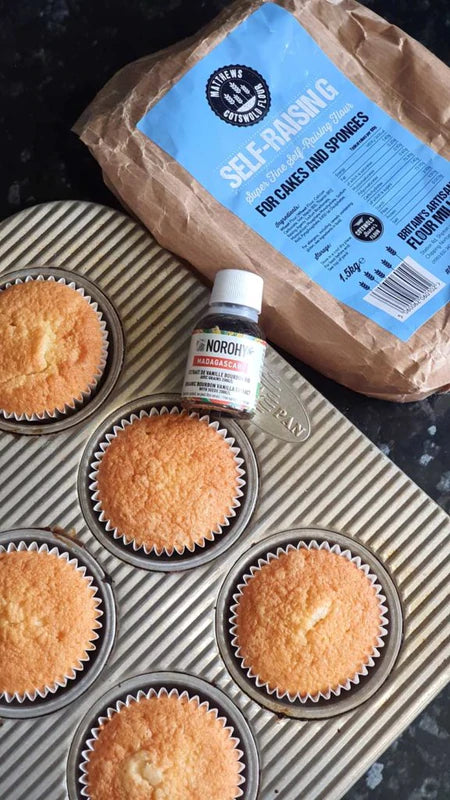
The secret behind self-rising flour’s power lies in its leavening agents. Baking powder is pre-mixed into the flour, ensuring even distribution throughout your batter. This results in a uniform rise, giving your cupcakes that perfect dome shape. Consistency is key in baking. By using self-rising flour, you maintain a reliable ratio of leavening agent to flour. Have you ever wondered why some cupcakes rise better than others? It often boils down to the precision of your leavening agents. Self-rising flour takes the guesswork out, making your baking more foolproof. Choosing the right flour is more than just following a recipe. It’s about understanding how each ingredient impacts your final product. Would you trade a bit of control for convenience and consistency? If so, self-rising flour might just be the perfect fit for your cupcake adventures.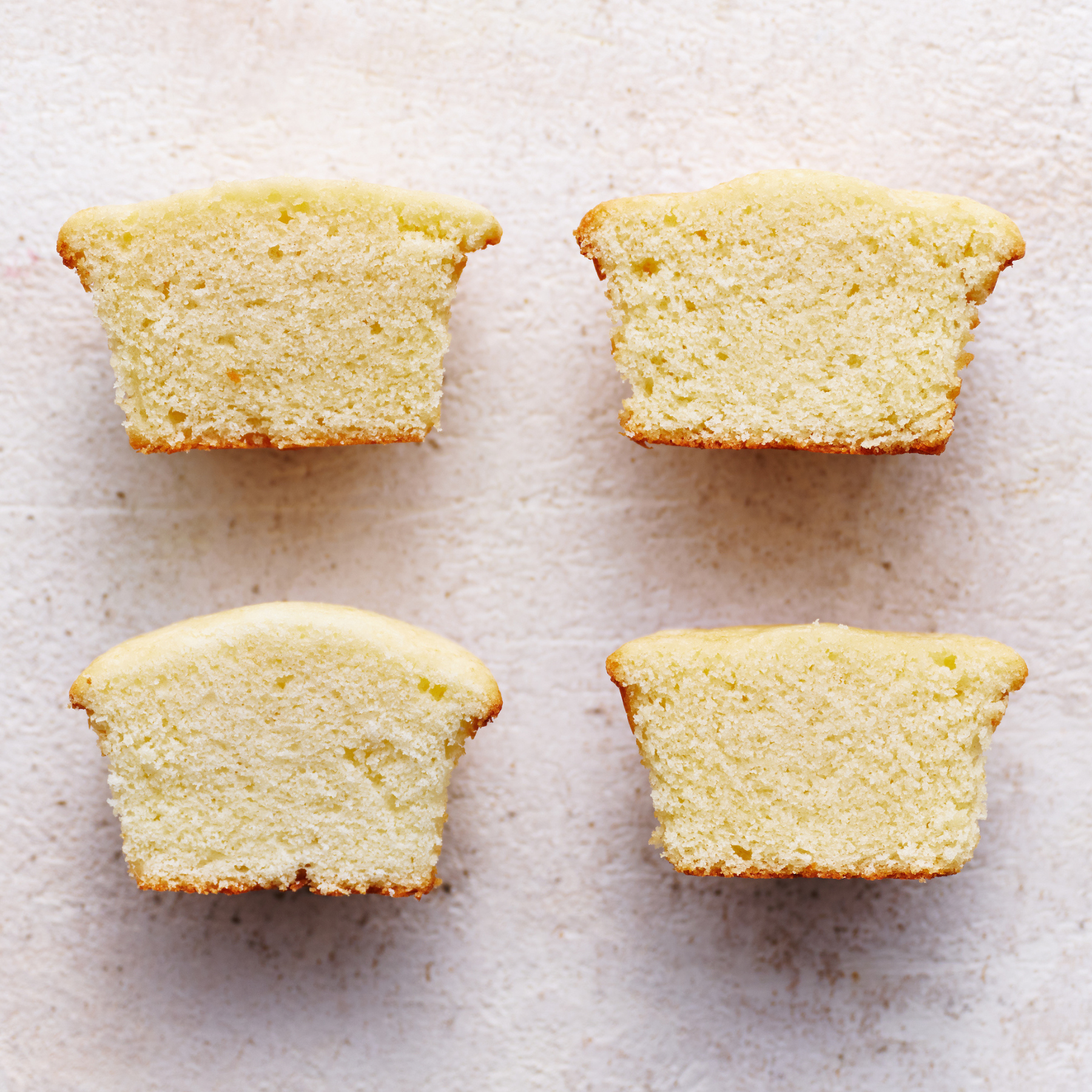
Credit: handletheheat.com
Whole Wheat Flour
Whole wheat flour adds a hearty texture to cupcakes, offering a healthier alternative. It provides more fiber than all-purpose flour. This choice creates a denser cupcake with a rich, nutty flavor.
Whole wheat flour offers a nutritious twist to traditional cupcake recipes. It’s a great choice for health-conscious bakers. This flour contains the entire grain, making it rich in nutrients. Using whole wheat flour can add a hearty texture to cupcakes. It might slightly change the flavor, but many enjoy this wholesome taste. Let’s explore why you might consider using whole wheat flour in your cupcakes.Nutritional Benefits
Whole wheat flour is packed with fiber. This fiber aids in digestion and keeps you full longer. It also contains more vitamins and minerals than white flour. You’ll find iron, magnesium, and vitamins B1, B3, and B5. These nutrients support energy levels and overall health. Using whole wheat flour can make your cupcakes a healthier treat.Flavor Profile
Whole wheat flour gives cupcakes a nutty flavor. It adds a mild, earthy taste that some find delightful. The texture is denser compared to cupcakes with white flour. This denser texture can make the cupcakes feel more substantial. Some people enjoy the richer, more complex flavor. Whole wheat flour pairs well with spices like cinnamon and nutmeg. You can also enhance the flavor with vanilla or chocolate.Gluten-free Flour
Switching to gluten-free flour for cupcakes opens up a world of delightful possibilities. As someone who had to make this transition due to gluten sensitivity, I found it both challenging and rewarding. Whether you’re baking for dietary needs or experimenting with new flavors, gluten-free flour offers a unique twist to your cupcakes.
Options For Gluten Sensitivity
Are you overwhelmed by the variety of gluten-free flours available? You’re not alone. From almond flour to coconut flour, each option brings its own taste and texture to the table.
Consider almond flour if you want a nutty flavor and moist texture. It’s also packed with nutrients, making your cupcakes a bit healthier.
Coconut flour, on the other hand, is known for its subtle sweetness and light texture. It’s perfect for those who love tropical flavors.
Don’t forget about rice flour. It’s versatile and offers a neutral taste, allowing other ingredients to shine. Have you tried experimenting with these options?
Texture Considerations
Using gluten-free flour can alter the texture of your cupcakes. It’s vital to understand how each flour behaves during baking.
Almond flour creates dense, moist cupcakes. If you prefer a lighter texture, you might need to combine it with other flours.
Coconut flour absorbs more liquid than traditional flour, so adjustments in your recipe are necessary. It results in a fluffy texture, but balance is key.
Rice flour tends to produce a crumbly texture. Mixing it with other gluten-free flours can help achieve the perfect consistency.
What texture do you prefer in your cupcakes? Your choice of flour can make a significant difference.
Trying different combinations might lead you to discover your new favorite cupcake recipe. Don’t be afraid to experiment with varying proportions to find what works best for you!
Alternative Flours
When baking cupcakes, the type of flour you choose can dramatically influence the flavor and texture of your baked goods. While traditional all-purpose flour is a staple in most recipes, alternative flours offer unique tastes and nutritional benefits. Whether you’re exploring new flavors or accommodating dietary needs, trying out these alternative flours can transform your cupcake experience. Have you ever wondered how a nutty almond or tropical coconut flavor could elevate your cupcakes?
Almond Flour
Almond flour is a popular choice for those seeking a gluten-free option. Made from finely ground almonds, it adds a rich, nutty flavor to cupcakes. This flour is also high in protein and healthy fats, making your treats more filling.
When using almond flour, remember that it doesn’t have the same binding properties as wheat flour. You might need to adjust your recipe by adding an extra egg or a bit of xanthan gum to achieve the right texture. Almond flour works well in recipes where a dense, moist crumb is desired.
I recall my first attempt at using almond flour in cupcakes. The end result was a delightful surprise—moist, flavorful, and with a hint of almond that complemented the vanilla frosting perfectly. Would you give almond flour a try for your next batch?
Coconut Flour
Coconut flour is another fantastic alternative, especially for those who love a touch of tropical flair. Made from dried coconut meat, this flour is both gluten-free and low in carbohydrates. Its high fiber content can absorb a lot of moisture, so a little goes a long way.
When working with coconut flour, it’s important to increase the liquid and eggs in your recipe to prevent dryness. This flour pairs beautifully with flavors like chocolate, vanilla, and even lemon, adding a subtle coconut aroma that enhances your cupcakes.
In my kitchen adventures, coconut flour cupcakes have been a hit at summer parties. The light, airy texture and gentle coconut flavor are always a crowd-pleaser. Can you imagine your guests’ delight at tasting something so unique?
Exploring alternative flours like almond and coconut can make your cupcake baking both fun and nutritious. Why not experiment with these flours and discover which one best suits your taste and dietary needs? Your next cupcake creation could be just a bag of flour away!
Choosing The Right Flour
Choosing the right flour is key to perfect cupcakes. Different flours affect texture and flavor. With the right choice, cupcakes can become delightful treats. Consider factors like flavor pairings and dietary needs. Each plays a role in your decision. Let’s explore these aspects to guide your choice.
Flavor Pairings
Flour impacts cupcake flavor. All-purpose flour is versatile. It pairs well with most flavors. Chocolate, vanilla, or fruit. They all work well. Whole wheat flour adds a nutty taste. It pairs nicely with spices like cinnamon. Almond flour brings a subtle sweetness. It complements fruity or nutty flavors.
Dietary Needs
Consider dietary needs when choosing flour. Gluten-free options like almond or coconut flour are available. They are great for those with gluten sensitivities. Whole wheat flour offers more fiber. It’s a healthier choice for some. For low-carb diets, almond flour is ideal. Each type caters to different needs.
Tips For Baking
Do you ever wonder why your cupcakes aren’t as fluffy as you’d like them to be? It might be time to rethink your flour choices. Flour is the backbone of your cupcakes, and getting it right can transform your baking experience. Here are some tips to help you bake the perfect cupcakes, so you can impress your friends and family.
Measuring Flour Correctly
Accuracy is key when it comes to measuring flour. Use a kitchen scale for precision. This ensures you’re not packing too much flour into your measuring cup, which can lead to dense cupcakes.
If you don’t have a scale, use the spoon-and-level method. Spoon the flour into your measuring cup, then level it off with a knife. This technique helps avoid over-measuring.
Think about the last time you baked cupcakes. Did you use the spoon-and-level method? Try it next time and see the difference in texture.
Adjusting For Altitude
Altitude affects baking, so if you live in a high-altitude area, adjustments are necessary. Cupcakes might rise too quickly and collapse if you’re not careful.
Consider reducing the baking powder slightly and increasing the liquid in your recipe. This helps balance the faster rising process.
Have you noticed your cupcakes sinking in the middle? It might be due to altitude. Making slight changes can give you fluffier results.
What’s your secret tip for baking the perfect cupcake? Share your thoughts in the comments and let’s learn from each other!
Credit: cotswoldflour.com
Frequently Asked Questions
What Type Of Flour Is Best For Cupcakes?
All-purpose flour is the most versatile choice for cupcakes. It provides the perfect texture and structure. This flour creates a tender crumb while maintaining stability. You can also use cake flour for a softer texture. Experiment with both to find your preferred result.
Can I Use Gluten-free Flour For Cupcakes?
Yes, you can use gluten-free flour for cupcakes. Choose a blend specifically designed for baking. These blends often contain a mix of rice flour, potato starch, and tapioca starch. This combination mimics the texture of traditional flour. Always check the package for additional instructions.
Is Cake Flour Suitable For Cupcakes?
Cake flour is suitable for cupcakes and yields a lighter texture. It has a lower protein content compared to all-purpose flour. This results in a softer, more tender crumb. If you prefer delicate cupcakes, cake flour is an excellent choice.
Substitute all-purpose flour with cake flour for best results.
Should I Sift Flour When Making Cupcakes?
Sifting flour is a good practice when making cupcakes. It removes lumps and aerates the flour for better mixing. Sifting ensures even distribution of ingredients and a lighter texture. It also helps in achieving a smooth batter. Always sift flour for consistent cupcake results.
Conclusion
Choosing the right flour makes cupcakes delicious. All-purpose flour works well for most recipes. It gives a balanced texture. For lighter cupcakes, try cake flour. It has less protein, making cupcakes tender. Whole wheat flour offers a healthier option. It adds a nutty flavor.
Experiment with different flours to find your favorite. Flour choice affects taste and texture. So, choose wisely. Happy baking! Enjoy making cupcakes that delight everyone.
