
Imagine you’re about to whip up your favorite lasagna or a mouth-watering apple crisp. You reach for a trusty baking dish, but what exactly is a baking dish, and why is it crucial to your culinary success?
You might be surprised to learn that this kitchen staple is more than just a simple container. Its material, shape, and size can dramatically influence the outcome of your recipes. Understanding the ins and outs of a baking dish can elevate your cooking skills and ensure your meals turn out perfectly every time.
Dive in to discover what makes the humble baking dish an essential tool in your kitchen arsenal.
Types Of Baking Dishes
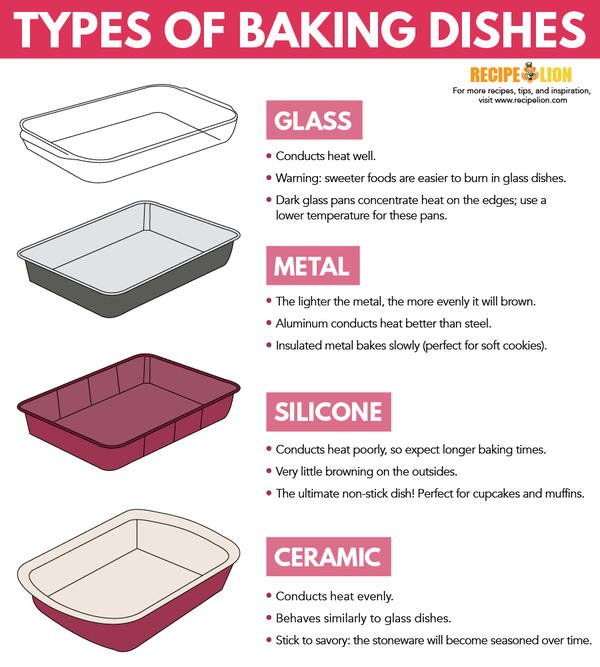
Baking dishes come in various types, each with unique features. Choosing the right one can affect your cooking results. The material of the dish can influence how your baked goods turn out. Understanding the differences helps you select the best dish for your needs.
Glass Baking Dishes
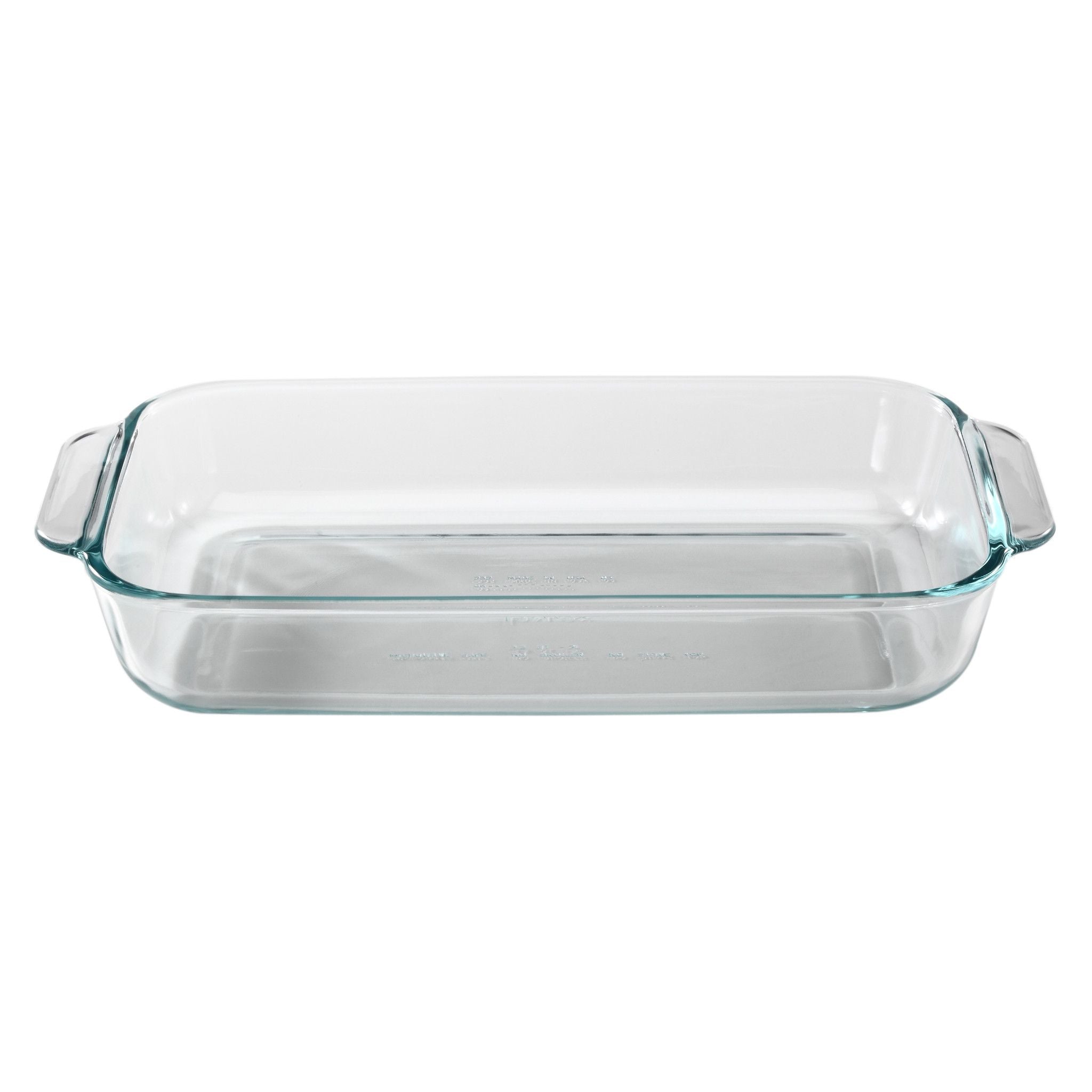
Glass baking dishes are popular for their transparency. You can see the food as it bakes. This feature helps to monitor cooking progress. They are great for casseroles and desserts. Glass distributes heat evenly. Your food cooks uniformly. But, glass can break if exposed to sudden temperature changes.
Ceramic Baking Dishes
Ceramic baking dishes offer style and function. They come in various colors and designs. This makes them attractive for serving too. Ceramic retains heat well. Your food stays warm longer. It’s ideal for slow cooking. But, ceramic is heavier than other materials. Handle with care to avoid chipping.
Metal Baking Pans
Metal baking pans are durable and versatile. They heat quickly. This makes them perfect for roasting and baking. Metal pans come in different finishes. Non-stick coatings prevent food from sticking. Aluminum and stainless steel are common choices. Be cautious with acidic foods. They can react with metal.
Choosing The Right Baking Dish
Choosing the right baking dish can make all the difference between a perfectly baked cake and a culinary disaster. With so many options available, how do you decide which one is best for your needs? Consider the size, shape, material, and heat properties of the dish. Let’s dive into these aspects and see how they can impact your baking results.
Size And Shape Considerations
Have you ever tried fitting a large lasagna into a small dish? It can be a messy affair. Size and shape are crucial for even cooking and presentation. A larger dish allows more room for ingredients to spread and cook evenly. A square dish suits brownies, while a round one is perfect for cakes. Think about what you bake most often and choose a dish that complements those recipes.
Material Differences
Glass, ceramic, metal—each material has its own perks. Glass is great for monitoring browning as you can see through it, but it can be heavy. Ceramic holds heat well, ideal for keeping dishes warm. Metal heats up quickly, perfect for crispy edges. What’s your priority—ease of handling, even heating, or aesthetic appeal?
Heat Conductivity And Retention
Have you noticed how some dishes keep food warm longer? That’s heat retention at work. Metal dishes heat up quickly but cool down faster. Ceramic and glass retain heat longer, perfect for dishes served directly from the oven. Think about how quickly you serve your food. If you like leisurely dinners, consider a dish with better heat retention.
Choosing the right baking dish might seem simple, but it can elevate your baking game. Next time you’re in the kitchen, consider these aspects. What will you bake first with your new dish?
Baking Dish Uses
A baking dish is a versatile kitchen tool. It serves many purposes in cooking. From savory meals to sweet treats, its uses are endless. This section explores various ways to use a baking dish. Let’s dive into the world of casseroles, gratins, roasting, and desserts.
Casseroles And Gratins
Baking dishes are perfect for casseroles. They cook evenly and retain heat. This ensures your dish stays warm longer. Gratins also benefit from using a baking dish. The shallow design helps create a crispy top layer. A creamy potato gratin or a hearty casserole works well in these dishes. The results are delicious and comforting.
Roasting And Baking
A baking dish is ideal for roasting meats. Chicken or vegetables roast beautifully. The dish helps distribute heat evenly. This results in tender and juicy meats. Baking dishes are also great for baked pasta. Lasagna or baked ziti fits perfectly in them. The high sides keep all the flavors locked in.
Desserts And Pastries
Baking dishes are not just for savory dishes. They are excellent for desserts too. Fruit cobblers and bread puddings are popular choices. The dish provides even baking. It also allows for a golden crust. Pastries like cinnamon rolls bake well in these dishes. The result is a delightful, sweet treat.
:strip_icc()/baking-pans-522ae1adc00b4d46a14ad7937b236c59.jpg)
Credit: www.bhg.com
Care And Maintenance
Proper care for your baking dish ensures it lasts long. Regular cleaning keeps it in top shape. Storing correctly prevents damage. Follow these tips to maintain your baking dish.
Cleaning Tips
Clean your baking dish after each use. Use warm, soapy water. Avoid abrasive scrubbers. They can scratch the surface. Let the dish cool before washing. Sudden temperature changes can cause cracks.
For stubborn stains, soak the dish. Use a mixture of baking soda and water. Scrub gently. Rinse thoroughly to remove all residue. Dry completely before storing.
Storing Your Baking Dishes
Store your baking dishes in a cool, dry place. Stack them carefully to avoid chips. Use padding between stacked dishes. This prevents scratches. Avoid direct sunlight. It can weaken the material over time.
Consider using a cupboard or shelf. Ensure it’s sturdy. Keep them away from heavy objects that may fall. Proper storage extends the life of your baking dish.
Preventing Stains And Cracks
Prevent stains by avoiding harsh chemicals. Use mild detergents instead. Acidic foods can leave marks. Clean promptly after use. For cracks, handle your dish with care. Don’t expose it to sudden heat changes.
Avoid placing a hot dish on cold surfaces. Use trivets or cloth. Ensure even heating in the oven. This reduces stress on the material. Maintain the dish’s integrity with these simple practices.
Popular Brands And Options
Finding the right baking dish can elevate your cooking experience. Whether you’re whipping up a lasagna or a dessert, choosing the right brand matters. Some brands offer budget-friendly options, while others focus on luxury or sustainability. Let’s explore the popular brands and options available.
Budget-friendly Choices
Pyrex is a trusted name for budget-friendly baking dishes. Known for durability and heat resistance, Pyrex dishes are ideal for everyday use. Anchor Hocking is another affordable brand offering glass baking dishes. These are perfect for casseroles or baking brownies. Both brands provide quality without breaking the bank.
High-end Alternatives
Le Creuset stands out in the high-end baking dish market. These dishes are made from enameled cast iron, offering even heat distribution. The vibrant colors make them a kitchen favorite. Emile Henry, known for ceramic bakeware, offers elegant designs and excellent heat retention. These brands are perfect for serious cooks who value quality.
Eco-friendly Options
For those mindful of the environment, GreenPan offers ceramic non-stick baking dishes. These dishes are free from harmful chemicals, making them a safe choice. Bamboozle is another eco-friendly brand. Their baking dishes are made from sustainable materials. Choosing these options supports a greener planet.
Credit: pyrexhome.com
Tips For Home Cooks
Home cooks often seek ways to improve their baking. Using the right baking dish can elevate your results. Here are some tips to help you make the most of your baking dish.
Maximizing Baking Results
Choose the right material for your dish. Glass dishes heat evenly and are great for casseroles. Metal pans conduct heat quickly, ideal for browning. Ceramic dishes hold heat well, perfect for slow-cooked meals.
Check your oven’s temperature regularly. Oven thermometers help ensure accurate baking. Preheating is crucial, so don’t skip it. A preheated oven cooks food evenly.
Use the right size dish. Too small can cause overflow. Too large might dry out your dish. Follow recipe recommendations for dish size.
Adapting Recipes For Different Dishes
Adjust cooking times when using different dishes. Metal pans might cook faster than glass. Keep an eye on your dish and check for doneness early.
Consider the dish’s depth. Deeper dishes might need longer cooking times. Shallower dishes might cook faster. Adjust your timer accordingly.
Reduce liquid if using a dish with no cover. This prevents your dish from becoming watery. Cover your dish if the recipe calls for it.
Common Mistakes To Avoid
Avoid using cold dishes from the fridge. Let them reach room temperature first. This prevents cracking and ensures even cooking.
Don’t overfill your dish. Leave space for ingredients to expand. This prevents spills in the oven.
Remember to grease your dish. This prevents sticking and makes cleaning easier. Butter, oil, or cooking spray work well.

Credit: www.tiktok.com
Frequently Asked Questions
What Is A Baking Dish Used For?
A baking dish is used for cooking and baking various dishes. It is ideal for casseroles, roasting meats, and baking desserts. Its even heat distribution ensures consistent cooking. Available in various materials like glass, ceramic, and metal, it suits different cooking needs.
How Do I Choose The Right Baking Dish?
Choose a baking dish based on your cooking needs. Consider the dish’s material, size, and shape. Glass and ceramic are great for even heat distribution. Metal is durable and heats quickly. Ensure the dish fits your oven and is easy to clean.
Can I Use A Baking Dish In The Oven?
Yes, baking dishes are designed for oven use. They can withstand high temperatures. Always check the manufacturer’s guidelines for maximum temperature limits. Ensure the dish is suitable for the type of oven you have. Avoid sudden temperature changes to prevent cracking.
What Materials Are Baking Dishes Made From?
Baking dishes are made from various materials like glass, ceramic, metal, and silicone. Glass and ceramic provide even heat distribution. Metal heats quickly and is durable. Silicone is flexible and easy to clean. Each material offers unique benefits for different cooking requirements.
Conclusion
A baking dish is essential in every kitchen. It offers versatility and convenience. With it, you can cook delicious meals effortlessly. Choose the right size and material for your needs. Glass, ceramic, and metal are common options. Each type has unique benefits.
Baking dishes also come in various shapes. Rectangular, square, and round are popular choices. Cleaning is usually easy, too. Just ensure it’s dishwasher-safe. Investing in a quality baking dish enhances your cooking experience. Enjoy baking and cooking with ease. Your meals will surely impress family and friends.
