
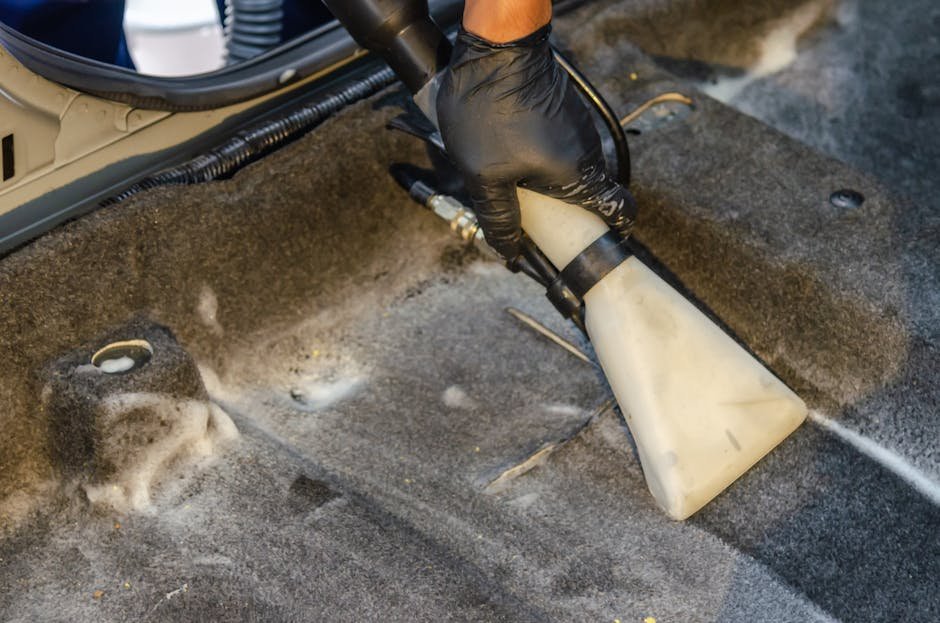
Ever tried scrubbing away stubborn grease stains only to find they just won’t budge? If you’ve ever faced the frustration of sticky, oily residue that seems impossible to remove, you’re not alone.
This is where a degreaser steps in as your secret weapon. But what exactly is a degreaser, and how can it transform your cleaning routine? Understanding this powerful cleaning agent could be the game-changer you’ve been searching for. You’ll discover the wonders of degreasers, learn how they work, and find out why they are essential for both home and industrial cleaning.
Ready to make your life easier and your surfaces spotless? Let’s dive in.
:max_bytes(150000):strip_icc()/sea-degreasers-goo-gone-criteria-0e4cd788ac47414aae07d4cd563ed02f.jpg)
Credit: www.seriouseats.com
Degreaser Basics
Ever struggled with stubborn grease stains that just won’t budge? A degreaser might be your best ally. Understanding the basics of degreasers can help you tackle these pesky problems more effectively, saving you time and effort.
Definition And Purpose
A degreaser is a cleaning agent specifically designed to break down and remove grease, oils, and other tough residues. Whether it’s for your kitchen, garage, or industrial workspace, degreasers are formulated to cut through the grime that regular detergents can’t handle. Their primary purpose is to ensure surfaces are left spotless and safe, preventing slips and maintaining hygiene.
Grease can build up over time, leading to a sticky mess that’s hard to clean. Imagine working on your car and leaving behind a greasy handprint on your garage wall. A good degreaser will make cleaning up such messes a breeze.
Types Of Degreasers
Not all degreasers are created equal, and choosing the right one depends on your specific needs. There are several types available, each suited for different applications:
- Water-Based Degreasers:These are non-flammable and ideal for use in environments where safety is a priority. They’re perfect for cleaning kitchen surfaces or floors where food might be prepared.
- Solvent-Based Degreasers:Typically stronger, these are used for heavy-duty cleaning, such as in automotive or industrial settings. They are excellent for removing oil and tar from machinery or engines.
- Natural Degreasers:Made from natural ingredients, these are safer for the environment and your health. If you’re conscious about eco-friendly products, these might be your go-to choice.
Consider the surfaces you plan to clean and the type of grease you’re dealing with. Are you cleaning a delicate kitchen countertop or a robust engine part? Choosing the right type ensures efficiency and safety.
Have you ever found yourself overwhelmed by the variety in the cleaning aisle? Knowing the basics of degreasers could simplify your decision and improve your cleaning routine.
:max_bytes(150000):strip_icc()/sea-degreasers-lead-image-easy-off-dawn-bryan-belknap-01-e44d1ad24b7740fc9ea311e0a7428cf8.jpeg)
Credit: www.seriouseats.com
How Degreasers Work
Degreasers break down oily and greasy substances on surfaces. These chemical solutions dissolve fats and oils, making cleanup easier. They are essential for keeping kitchen and automotive areas clean and safe.
Degreasers are powerful cleaning agents specifically designed to tackle stubborn grease and grime. They are essential in both household and industrial settings, helping to maintain cleanliness and efficiency. But how exactly do degreasers work? Understanding their operation can transform how you approach cleaning tasks. Let’s dive into the science behind these potent cleaners.Chemical Composition
At the heart of a degreaser’s effectiveness is its chemical composition. Most degreasers are formulated with a blend of solvents, surfactants, and additives. Solvents dissolve grease, breaking it down into smaller particles. Surfactants further facilitate this process by reducing surface tension, allowing the cleaner to spread and penetrate greasy surfaces more effectively. Additives enhance the degreaser’s performance by targeting specific types of grease or offering additional cleaning benefits. Some degreasers contain alkaline substances, which neutralize acidic residues, making them ideal for heavy-duty applications. This unique combination of chemicals ensures that degreasers can tackle a wide variety of greasy messes.Interaction With Grease
When you apply a degreaser, it initiates a chemical reaction with the grease. The solvents in the degreaser soften and dissolve the grease, breaking it down from a sticky substance to a manageable liquid. Surfactants then come into play, encapsulating the dissolved grease particles and lifting them away from surfaces. This process is akin to a gentle tug-of-war, where the degreaser pulls the grease away from its hold on surfaces. The result is a clean, grease-free surface ready for further use. Have you ever watched a degreaser in action and marveled at its efficiency? It’s this intricate interaction with grease that makes the magic happen. Have you ever considered what happens to the grease after it’s removed? Degreasers ensure that grease is not just displaced but transformed into a state that can be easily wiped away or rinsed off. This not only saves you time but also reduces the need for excessive scrubbing. Next time you face a greasy challenge, think about the fascinating science at play.Common Applications
Degreasers effectively remove grease, oil, and grime from surfaces. Commonly used in kitchens, garages, and workshops. Ideal for cleaning engines, machinery, and tools.
Common applications of degreasers span various settings, from industrial to household. Their role is crucial in removing grease and grime effectively. Each use case demands a specific type of degreaser to ensure optimal results. Understanding these applications helps in selecting the right product for the task at hand.Industrial Uses
Degreasers play a vital role in industrial settings. Factories and workshops often face stubborn grease on machinery. Regular cleaning ensures equipment runs smoothly. Degreasers also help in maintaining a safe work environment. Slippery surfaces can cause accidents. Removing grease reduces such risks. In the automotive industry, degreasers clean engine parts. This prevents overheating and improves performance. It’s essential for equipment longevity.Household Cleaning
Degreasers are not just for industrial use. They are handy in household cleaning too. Kitchens often accumulate greasy residue. Degreasers make cleaning kitchen surfaces easy. They are effective on ovens, stoves, and countertops. Degreasers break down tough grease stains. This makes household cleaning less of a chore. Bathrooms also benefit from degreasers. Soap scum and body oils can build up. A good degreaser keeps tiles and fixtures sparkling clean.
Credit: www.gz-supplies.com
Benefits Of Using Degreasers
Degreasers are powerful cleaning agents designed to break down tough grease and grime. But why should you choose a degreaser over regular cleaning products? The benefits are plentiful and can make a noticeable difference in your cleaning routine.
Efficiency In Cleaning
Degreasers are formulated to tackle stubborn grease with ease. Unlike traditional soaps or detergents, they penetrate the grease layers quickly, dissolving the buildup efficiently. This means you spend less time scrubbing and more time enjoying a clean space.
Think of your kitchen after a busy cooking session. A degreaser can effortlessly wipe away those stubborn oil splatters, leaving your surfaces spotless. It’s like having a secret weapon in your cleaning arsenal.
Environmental Considerations
Modern degreasers are increasingly eco-friendly. Many brands now offer biodegradable options that minimize environmental impact. This means you can effectively clean while being kind to the planet.
Have you considered the ecological footprint of your cleaning products? Choosing a green degreaser lets you clean with a clear conscience, knowing you’re contributing to a healthier environment.
It’s not just about cleaning; it’s about making responsible choices. Next time you’re shopping for cleaning supplies, look for a degreaser that aligns with your eco-values.
Selecting The Right Degreaser
A degreaser is a cleaning agent designed to remove grease and grime from surfaces. Choosing the right degreaser depends on the type of surface and the intensity of the grease buildup. Understanding the chemical composition can help in selecting an effective product for various applications.
Selecting the right degreaser is crucial for effective cleaning. Not all degreasers are created equal. Each has its own strengths and weaknesses. Understanding these can help make an informed decision. This section will guide you through the key factors.Factors To Consider
Choosing a degreaser involves several important considerations. First, identify the type of surface. Different materials require specific degreasers. For example, metals might need stronger solutions. Plastics, on the other hand, may need milder options. Next, consider the type of grease or grime. Heavy-duty grease demands powerful cleaners. Light dirt may only need a mild degreaser. Another factor is the application method. Spray, wipe, or soak? Each method suits different cleaning tasks. Finally, environmental impact matters. Some degreasers contain harsh chemicals. These can harm the environment. Eco-friendly options are safer and equally effective.Safety Tips
Safety is vital when using degreasers. Always read the label carefully. It provides important instructions and warnings. Use gloves and goggles for protection. These prevent skin and eye contact. Ensure proper ventilation in the cleaning area. Some degreasers release strong fumes. These can be harmful if inhaled. Use a mask if necessary. Store degreasers in a cool, dry place. Keep them out of reach of children and pets. Dispose of used degreasers responsibly. Follow local disposal regulations. This protects both health and the environment.Alternatives To Traditional Degreasers
Degreasers remove grease and oil from surfaces. Natural alternatives include vinegar, baking soda, and lemon juice. These options are eco-friendly and safe for home use.
Alternatives to traditional degreasers are gaining popularity. Many people seek eco-friendly and cost-effective solutions. These alternatives offer a safe cleaning experience. They also minimize chemical exposure.Natural Cleaning Solutions
Natural cleaning solutions use ingredients from nature. They are often non-toxic and biodegradable. Vinegar is a popular choice. It cuts through grease effectively. Lemon juice also works well. Its acidity helps break down grease. Baking soda is another option. It acts as a gentle abrasive. These solutions are easy to find. Most people already have them at home. They are also budget-friendly. Natural cleaners are safer for the environment. They reduce chemical waste and pollution.Diy Degreaser Options
DIY degreasers are simple to make. You can customize them to your needs. A basic recipe uses vinegar and water. Mix equal parts in a spray bottle. Add a few drops of dish soap. Shake well before use. Another option is baking soda paste. Mix baking soda with water. Form a thick paste. Apply it to greasy areas. Let it sit for a few minutes. Then, scrub and rinse. Essential oils can enhance your DIY degreaser. They add pleasant scents. Tea tree oil has antibacterial properties. Lavender oil offers a calming aroma. DIY options save money. They also allow for creative solutions. You control what goes into your cleaner. This ensures safety and effectiveness.Frequently Asked Questions
What Is An Example Of A Degreaser?
An example of a degreaser is Simple Green All-Purpose Cleaner. It effectively removes grease and grime from surfaces.
Is Dawn Dish Soap A Degreaser?
Yes, Dawn dish soap is a powerful degreaser. It effectively cuts through grease and grime on dishes. Its formula breaks down tough grease, making cleaning easier. Dawn is trusted for its grease-fighting capabilities in kitchens. It’s widely used for its effective cleaning power on various surfaces.
What Is A Degreaser Used For?
A degreaser effectively removes grease, oil, and grime from surfaces. It cleans engines, machinery, kitchen equipment, and more. This powerful solution ensures surfaces remain clean and functional, preventing build-up and enhancing performance. Ideal for both industrial and household cleaning tasks, degreasers maintain cleanliness and efficiency.
What Should You Not Use A Degreaser On?
Avoid using degreasers on rubber, painted surfaces, and electrical components. They can cause damage or degrade materials. Always check product labels for compatibility. Use degreasers on appropriate surfaces like metal and concrete. Test on a small area first to ensure safety.
Conclusion
A degreaser is a vital cleaning tool. It tackles stubborn grease effectively. Use it for kitchens, garages, or industrial spaces. Choose the right type for your needs. Liquid, spray, or foam options are available. Ensure proper application for best results.
Safety is crucial; read labels carefully. Protect skin and eyes during use. Regular cleaning helps maintain hygiene. Degreasers simplify tough cleaning tasks. Enjoy cleaner surfaces and a fresher environment. Understanding how degreasers work benefits everyone. Keep spaces tidy and grease-free.
Explore different products and find what suits you best. Happy cleaning!

Hi, I’m Daniel Harper, a senior editor here at KitchenBucks.com. For over 10 years, I’ve been exploring kitchen gadgets and appliances to help people find tools that truly add value without breaking the bank. I love simplifying product choices so you can focus more on cooking and less on worrying about what to buy. When I’m not reviewing the latest gadgets, you’ll usually find me experimenting with coffee brewing or firing up the grill for a weekend barbecue.