
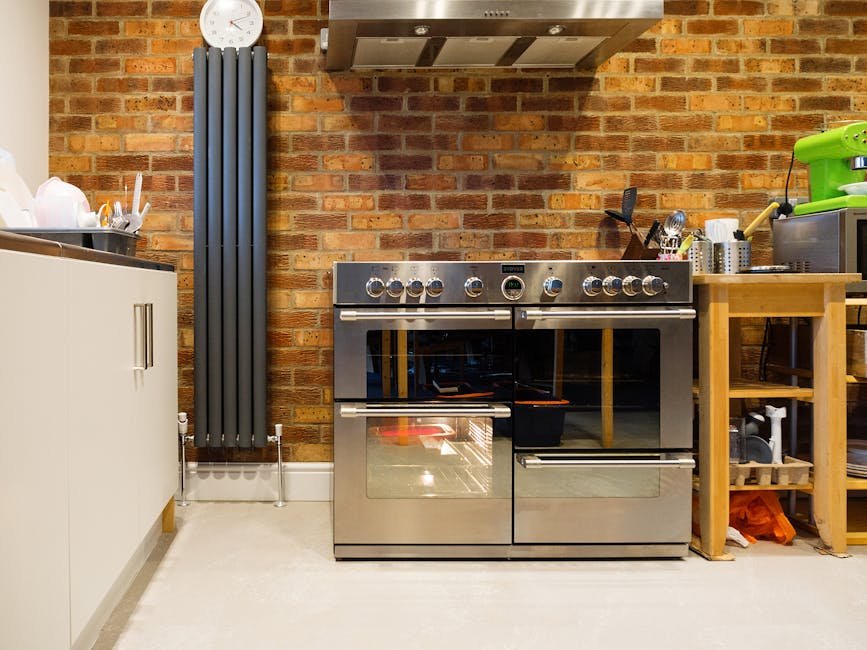
Imagine cooking a delicious meal without the lingering smell of garlic or the sight of steam clouding your kitchen. Sounds ideal, right?
That’s where a downdraft range hood comes into play. This clever kitchen innovation is your secret weapon for maintaining a fresh and inviting cooking space. But what exactly is a downdraft range hood, and how does it work? This article will unveil everything you need to know, making your cooking experience more enjoyable and your kitchen a haven of cleanliness.
Stick around, because by the end, you’ll have a clear understanding of whether this might be the perfect addition to your home.
Downdraft Range Hood Basics
Downdraft range hoods offer a sleek solution for kitchen ventilation. Unlike traditional hoods, they are designed to fit into modern spaces. These appliances are perfect for those seeking minimalist and efficient designs. Understanding their basics helps in making informed choices for your kitchen.
Definition And Function
A downdraft range hood is a ventilation system for your stove. It pulls smoke and odors down through a vent. This system removes air impurities effectively. Unlike overhead hoods, it sits flush with the counter when not in use. When activated, it rises to capture smoke and steam. This makes cooking more comfortable and keeps your kitchen clean.
How It Differs From Traditional Range Hoods
Traditional range hoods hang above your stove. They pull air upwards, unlike downdraft hoods. Downdraft hoods fit well in kitchens with low ceilings. They also suit spaces where overhead installation is difficult. They provide a clear view and are less intrusive. Their design is more subtle and blends seamlessly with countertops.
Benefits Of Downdraft Range Hoods
When considering upgrading your kitchen, the benefits of a downdraft range hood can be compelling. This modern appliance offers unique advantages that can elevate your cooking experience and enhance your kitchen space. Whether you’re working with limited room or looking for sleek aesthetics, a downdraft range hood could be the solution you need.
Space-saving Design
Downdraft range hoods are perfect for kitchens where space is a premium. Unlike traditional hoods, which hang over the stove and take up valuable room, downdraft models rise from the cooktop when needed and retract when not in use. Imagine having more overhead space for storage or decorative pieces.
This design allows you to maximize your kitchen layout without sacrificing functionality. I remember when I installed a downdraft hood, I was able to add a stylish overhead lighting fixture where the old bulky hood used to be. This small change made my kitchen feel larger and more open, enhancing the overall ambiance.
Enhanced Aesthetics
If you’re keen on a minimalist or modern kitchen look, a downdraft range hood fits right in. Its sleek design ensures that your kitchen remains clutter-free and visually appealing. You won’t have to worry about a bulky hood disrupting the clean lines of your space.
Consider how a hidden appliance can maintain the focus on your kitchen’s design elements. This can be particularly beneficial if you have a statement backsplash or intricate cabinetry that you want to highlight. It’s like having a secret weapon in your design arsenal.
Improved Air Quality
Downdraft range hoods effectively remove smoke, steam, and odors directly from the cooktop. This leads to better air quality in your kitchen, making it a healthier environment for cooking and entertaining. With the steam and smoke swiftly whisked away, you’ll find your post-cooking cleanup easier and faster.
Think about the last time you cooked a particularly smoky dish. Downdraft hoods draw air downwards, capturing pollutants before they have a chance to spread. This function can make a noticeable difference, especially in open-concept homes where cooking smells tend to linger.
Incorporating a downdraft range hood into your kitchen can be a game-changer. Have you considered how such an appliance could enhance your culinary space? With the right choice, you could enjoy a kitchen that is both functional and fabulous.
Installation Considerations
Consider placement and space when installing a downdraft range hood. Ensure proper ventilation by aligning it with ductwork. Choose a model that fits your kitchen layout for optimal performance and convenience.
When considering the installation of a downdraft range hood, several key factors will ensure it functions efficiently and fits seamlessly into your kitchen. These considerations are crucial for both the performance of the hood and the aesthetics of your space. Let’s dive into what you need to think about before making your purchase.Kitchen Layout Compatibility
The layout of your kitchen plays a significant role in the installation of a downdraft range hood. Downdraft hoods are ideal for kitchen islands or peninsulas where traditional overhead hoods might disrupt the visual flow. Consider if your kitchen’s design allows for the integration of a pop-up vent behind your cooktop, without obstructing cabinet space or countertop usability. Have you ever had a cooking space that felt cramped or poorly organized? A downdraft range hood can offer a sleek solution, but only if your kitchen layout accommodates it effectively.Ventilation Requirements
Proper ventilation is crucial for any range hood, and downdraft models are no exception. These hoods require a pathway for air to be expelled outside the home. Assess whether your kitchen has the necessary ductwork or if modifications are needed. Imagine cooking your favorite meal without the lingering aroma, thanks to efficient ventilation. Yet, without the correct setup, a downdraft hood might struggle to clear the air effectively. Consider consulting with a professional to evaluate your current ventilation system and determine any necessary upgrades. Do you find yourself frequently battling with smoke and odors in your kitchen? Ensuring adequate ventilation can transform your cooking experience, making it more enjoyable and less stressful. By addressing these installation considerations, you’ll be better equipped to choose a downdraft range hood that enhances both the functionality and style of your kitchen.Performance And Efficiency
A downdraft range hood is a unique kitchen appliance. It is designed to draw smoke and odors downward. Performance and efficiency are crucial for these devices. They ensure your kitchen remains fresh and clean. Understanding these aspects helps in choosing the right model.
Airflow Rate And Power
Airflow rate measures how much air a range hood moves. It’s expressed in cubic feet per minute (CFM). A higher CFM means better smoke removal. Downdraft range hoods often have variable speeds. This allows control over the airflow according to cooking needs. Power is equally important. It influences the hood’s suction ability. A powerful motor enhances performance. Ensuring efficient extraction of fumes and steam.
Noise Levels
Noise levels can affect the cooking experience. Downdraft range hoods vary in noise production. Some models are quieter than others. Consider the decibel level when choosing. Quieter models provide a more pleasant kitchen environment. A balance between power and noise is ideal. It ensures both efficiency and comfort.
Maintenance Tips
Maintaining a downdraft range hood ensures its efficiency and longevity. Regular care can prevent malfunctions and keep your kitchen air fresh. Below are essential maintenance tips to help keep your range hood in top condition.
Cleaning Methods
Cleaning your downdraft range hood regularly is crucial. Start by unplugging the appliance to ensure safety. Use a mild detergent and warm water to clean the exterior. A soft cloth or sponge works best to avoid scratches. Rinse thoroughly to remove soap residue.
For the filters, remove them carefully and soak in soapy water. Scrub gently to eliminate grease and grime. Rinse and let them dry completely before reinserting. A clean filter improves air quality and extends the hood’s life.
Regular Inspections
Inspect the hood at least once a month. Check for any unusual noises or vibrations. These could indicate a loose component. Tighten any loose screws to prevent further issues.
Examine the fan and motor for dust buildup. Dust can hinder performance and lead to overheating. Clean these parts gently with a soft brush or vacuum. This keeps the system running smoothly.
Also, check the vent for blockages. A blocked vent reduces efficiency and can cause odors. Make sure the pathway is clear to maintain optimal airflow.
Cost Factors
Understanding the cost factors of a downdraft range hood is important. This helps in making an informed decision. Costs vary based on several elements. These include the initial purchase, installation, and long-term value. Each factor impacts your budget differently.
Initial Purchase Price
The initial purchase price is a significant factor. Downdraft range hoods are usually more expensive than traditional models. This is due to their unique design and technology. Prices can range from a few hundred to several thousand dollars. The brand and features influence the cost significantly.
Installation Costs
Installation costs can add to the overall expense. Downdraft range hoods require specific venting and setup. Professional installation is often needed. This ensures the hood functions correctly. Installation costs vary based on your kitchen layout. Complex setups may increase the price.
Long-term Value
Consider the long-term value of a downdraft range hood. They save space and offer a sleek look. This can increase your kitchen’s overall appeal. Energy-efficient models reduce utility bills. Maintenance costs are generally low. Investing in quality can offer good returns over time.
Popular Brands And Models
When choosing the right downdraft range hood for your kitchen, the brand and model can make a big difference in performance and satisfaction. The market offers a variety of options, but some brands stand out for their reputation in quality and innovation. If you’ve ever had a friend rave about their new kitchen setup, you know the impact a great range hood can have on cooking comfort and air quality. So, which brands should you trust?
Top-rated Options
Some of the most respected names in the realm of downdraft range hoods include KitchenAid, Bosch, and GE. KitchenAid is known for its sleek designs and reliable performance. I remember visiting a friend who had just installed a KitchenAid downdraft hood; the difference in air quality was noticeable. Bosch, on the other hand, offers models with superior suction capabilities that can handle heavy cooking odors. GE models are praised for their durability and ease of maintenance, making them a favorite among busy households.
Features To Look For
When choosing your downdraft range hood, focus on features that enhance functionality. Look for models with adjustable fan speeds. These allow you to control the intensity of the air suction based on your cooking needs. Noise level is another crucial aspect. You want a model that operates quietly, so you can enjoy conversation while cooking. Consider hoods with easy-to-clean filters, as they save you time and hassle in maintenance.
Think about the installation process, too. Some brands offer simple, user-friendly installations that won’t require calling in a professional. Does the hood come with a warranty? A strong warranty can provide peace of mind, knowing that you’re covered if any issues arise.
As you weigh your options, ask yourself: What matters most to you in a range hood? Performance? Ease of use? Aesthetics? The answers can help guide your decision to a model that fits seamlessly into your culinary lifestyle.
Environmental Impact
The environmental impact of kitchen appliances is a growing concern for many homeowners. A downdraft range hood is one such appliance that has been designed with sustainability in mind. How does it contribute to a greener home? Let’s delve into its energy efficiency and sustainable materials.
Energy Efficiency
Downdraft range hoods are known for their energy-saving capabilities. Unlike traditional hoods, they draw air downwards, utilizing a smaller motor that consumes less power. This design reduces energy consumption, saving you money on your electricity bill.
Some models even come with advanced features like variable speed controls. These allow you to adjust the fan speed based on your cooking needs, further optimizing energy use. Have you ever considered how much energy your kitchen appliances are using daily?
Choosing energy-efficient appliances can make a noticeable difference. It’s a small step towards reducing your home’s carbon footprint. Imagine cooking your favorite meals while knowing you’re contributing to a cleaner planet.
Sustainable Materials
Many downdraft range hoods are constructed using eco-friendly materials. Manufacturers often use recycled metals and plastics to reduce waste and environmental impact. Are you aware of the materials your kitchen appliances are made from?
Opting for a range hood made from sustainable materials means supporting environmentally responsible practices. Some brands even offer parts that can be recycled or replaced easily, extending the appliance’s lifespan.
Choosing products with sustainable materials is a practical way to support green initiatives. Next time you’re shopping for kitchen appliances, consider the materials used. Wouldn’t it be rewarding to know your choices are helping protect the environment?
Future Trends
A downdraft range hood pulls cooking fumes and smoke downwards through vents in the stove. This design is perfect for kitchens without overhead space. It blends seamlessly with countertops, offering a sleek look and efficient ventilation.
As we venture into the future of kitchen appliances, downdraft range hoods are becoming increasingly popular. These appliances are not only functional but also enhance the aesthetics of modern kitchens. The evolving trends in downdraft range hoods are transforming the way you cook, clean, and experience your kitchen space.Technological Advancements
The future of downdraft range hoods is closely tied to technology. Imagine a hood that adjusts its fan speed based on the amount of smoke or steam detected. Smart sensors are making this possible, and they are changing the way you interact with your kitchen appliances. Voice-activated controls are another exciting advancement. You can say goodbye to greasy buttons and hello to hands-free operation. Just think, you could be cooking a storm and simply ask your range hood to turn on. Connectivity is key. With Wi-Fi-enabled downdraft hoods, you can control your appliance remotely using your smartphone. Whether you’re in another room or even out of the house, your hood can be working hard to keep your kitchen fresh.Design Innovations
Design is not just about looks; it’s about functionality too. Downdraft range hoods are being designed to blend seamlessly into countertops. This innovation allows your kitchen to maintain a clean, uncluttered appearance. Materials are changing. Manufacturers are opting for stainless steel and glass to give a sleek, modern feel. These materials are not only stylish but also easy to clean, saving you time and effort. Customization is the buzzword. Imagine choosing a hood that matches your kitchen’s color scheme or even having interchangeable panels to switch up your style whenever you feel like it. As you think about your next kitchen upgrade, consider these trends. How could a downdraft range hood simplify your cooking routine and enhance your kitchen’s look? The future is full of possibilities, and your kitchen could be at the forefront of these innovations.Frequently Asked Questions
What Are The Disadvantages Of A Downdraft System?
Downdraft systems can be less effective at capturing tall pots or large pans. They may require more frequent cleaning. Installation can be complex and costly. They can also reduce cabinet space and are less powerful than traditional range hoods.
What Is The Difference Between Downdraft And Overhead Hood?
Downdraft hoods pull air downwards into a vent, suitable for island cooktops. Overhead hoods capture smoke and odors above the stove, ideal for wall-mounted setups. Downdraft options offer a sleek look, while overhead ones provide more powerful ventilation. Choose based on kitchen layout and ventilation needs.
Do Downdraft Ranges Need To Be Vented Outside?
Downdraft ranges can vent outside, but it’s not mandatory. Some models recirculate air through filters. Proper ventilation enhances kitchen air quality. Always check the manufacturer’s specifications for your model.
Which Is Better, Downdraft Or Updraft?
Downdraft ventilation is ideal for open spaces, offering discreet placement. Updraft systems excel in capturing smoke and grease, perfect for heavy-duty cooking. Choose based on kitchen layout and cooking style. Evaluate noise level, efficiency, and design preferences to decide which suits your needs best.
Conclusion
A downdraft range hood offers a sleek ventilation solution. It’s ideal for kitchens with limited space. This hood efficiently removes smoke and odors. It sits flush with your countertop, staying hidden until needed. This feature makes it both practical and stylish.
Easy to install and maintain, it suits various kitchen designs. Choosing a downdraft range hood enhances your cooking experience. It keeps your kitchen fresh and clean. Consider it if you’re updating your kitchen or building a new one. It’s a smart choice for modern homes.
A simple, effective way to improve kitchen air quality.
