
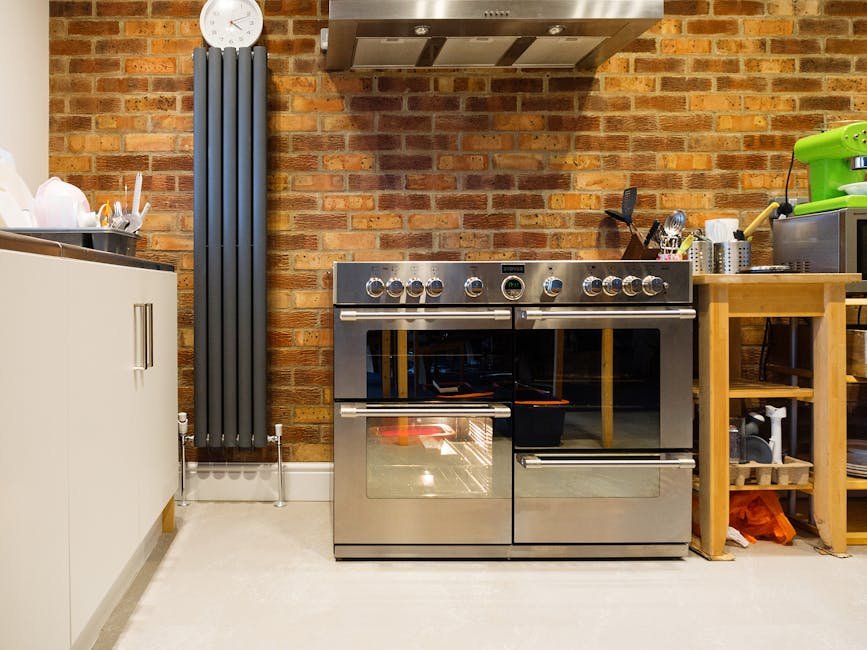
Are you tired of cooking smells lingering in your kitchen long after dinner is over? Do you find smoke and steam clouding your space as you whip up your favorite dishes?
If so, a ducted range hood might be the solution you’ve been looking for. Imagine preparing meals in a kitchen where the air is always fresh, and the atmosphere is always inviting. That’s the promise of a ducted range hood, and it could transform the way you cook and live.
You’ll discover exactly what a ducted range hood is and how it can significantly improve the air quality in your kitchen. We’ll explore why this appliance is a must-have for any serious cook, and how it can enhance both the function and aesthetics of your cooking space. Get ready to uncover the secrets to a cleaner, more pleasant kitchen environment that will make every meal preparation a delight. Keep reading to find out how a ducted range hood can elevate your home cooking experience.
Ducted Range Hood Basics
A ducted range hood is essential in modern kitchens. It removes smoke and odors from cooking. This appliance vents air outside your home. It ensures a fresh and clean environment. Understanding its basics helps in making informed choices. Let’s explore its definition, functionality, types, and designs.
Definition And Functionality
A ducted range hood connects to a duct system. This system leads outside, carrying air pollutants away. It uses a fan to draw air through filters. The air then exits your home. This process keeps your kitchen free from smoke and grease. It improves air quality significantly. Ducted range hoods are effective for heavy-duty cooking.
Types And Designs
Ducted range hoods come in various types and designs. Wall-mounted hoods attach to the wall above the stove. They are common in many homes. Island hoods hang from the ceiling over kitchen islands. They provide ventilation for island cooktops. Under-cabinet hoods fit beneath kitchen cabinets. They are perfect for limited spaces. Each type offers unique benefits. Choose based on your kitchen layout and needs.
Benefits Of Ducted Range Hoods
Ducted range hoods are a vital part of modern kitchens. They offer many benefits that improve your cooking space. From air quality to aesthetics, these hoods have much to offer.
Improved Air Quality
Ducted range hoods enhance indoor air quality. They efficiently remove airborne particles. Grease, smoke, and steam are expelled outside. This keeps your kitchen environment clean and healthy. Breathing becomes easier with fresher air.
Enhanced Kitchen Aesthetics
Ducted range hoods add style to your kitchen. Sleek designs complement modern interiors. They come in various finishes and styles. Choose one that matches your decor. Aesthetic appeal meets functionality.
Efficient Smoke And Odor Removal
Cooking produces smoke and odors. Ducted range hoods handle these with ease. They pull smoke and odors out of the kitchen. This creates a pleasant cooking environment. Say goodbye to lingering smells.
Installation Considerations
Installing a ducted range hood is a decision that impacts the functionality and aesthetics of your kitchen. It’s not just about choosing a stylish design; you must consider how it fits within your space, how the ventilation system is set up, and whether you should hire a professional or attempt a DIY installation. Each of these factors plays a crucial role in ensuring your range hood works efficiently and effectively.
Space And Layout Requirements
Before choosing a ducted range hood, evaluate your kitchen’s layout. Measure the area above your stove to ensure the hood fits snugly. Consider the height of your ceilings; a hood that’s too low can be a hazard, while one that’s too high might not effectively capture smoke and odors.
Think about the overall design of your kitchen. Does the range hood complement your cabinetry and appliances? If you’re renovating, you have the flexibility to design around the hood. In my own kitchen, I chose a sleek stainless steel model that matches my oven and refrigerator, tying the whole space together beautifully.
Ventilation System Setup
The ventilation system is the heart of a ducted range hood. It channels smoke, steam, and odors out of your home, maintaining air quality. Determine the best route for ducting; it should ideally be a straight line to the outside to maximize efficiency.
Consider the materials for the ducts. Metal ducts are often recommended for their durability. They might be more expensive, but they pay off in the long run. When I installed my range hood, I opted for aluminum ducts which were easy to work with and provided excellent airflow.
Professional Vs. Diy Installation
Are you confident in your DIY skills, or would you rather leave it to the pros? Installing a ducted range hood can be complex, especially if it requires electrical work or cutting into walls. A professional can ensure everything is up to code and that the hood functions perfectly.
If you’re a seasoned DIYer, you might enjoy the challenge. Make sure to research thoroughly and have the right tools. When I installed mine, I found online tutorials incredibly helpful. However, I did call in a professional for the final electrical hookup to ensure safety.
Ultimately, the choice between DIY and professional installation comes down to your comfort level. Would you rather spend more for peace of mind, or save money and gain experience?
Maintenance Tips
Maintaining your ducted range hood is essential for optimal performance. Regular upkeep can extend the lifespan of this kitchen appliance. It also ensures efficient removal of smoke and odors.
Cleaning Procedures
Clean the filters monthly to maintain airflow. Metal filters can be washed with warm, soapy water. Let them dry completely before reinstalling. Wipe the hood’s exterior with a damp cloth weekly. Use a mild detergent to remove grease buildup.
Regular Inspections
Inspect the ductwork twice a year for blockages. Check for loose connections that may affect performance. Ensure the fan operates smoothly without unusual noises. Examine the control buttons to confirm they function properly.
Common Troubleshooting
If the range hood is noisy, check for loose parts. Tighten screws and bolts as needed. A lack of suction may indicate a clogged filter. Clean or replace the filter promptly. If lights flicker, inspect the wiring connections.
Comparing Ducted And Ductless Range Hoods
When you’re on the hunt for a new range hood, you’ll likely encounter the terms ducted and ductless. These two types of range hoods have distinct features that might influence your choice. Understanding their differences can help you make a choice that suits your kitchen and cooking style.
Performance Differences
Ducted range hoods are known for their efficiency in removing smoke, odors, and heat. They vent air outside, ensuring a cleaner kitchen environment. On the other hand, ductless range hoods filter the air before recirculating it back into your kitchen. While ductless models can be effective, they might not match the power of ducted systems, especially during heavy cooking sessions.
Imagine frying bacon; a ducted hood will likely handle the smoke and smell better than a ductless one. Have you ever found yourself opening windows to clear the kitchen air? With a ducted hood, you might not need to.
Cost Implications
Budget matters when choosing a range hood. Ducted hoods often have higher installation costs. You might need to factor in ductwork and possible structural changes. Ductless hoods typically come with a lower upfront cost and simpler installation, making them appealing for budget-conscious buyers.
Are you considering a kitchen remodel? The installation of a ducted hood might require additional expenses. But if you’re renting or planning a quick update, a ductless hood could fit better without stretching your budget.
Suitability For Different Kitchens
The layout of your kitchen plays a crucial role in choosing between ducted and ductless hoods. Ducted hoods are ideal for kitchens with easy access to exterior walls. They efficiently vent air outside, maintaining a fresh cooking space. Ductless hoods, however, are more versatile and can be installed almost anywhere.
Does your kitchen have limited space or lack access to exterior walls? A ductless hood might be the perfect solution. If you have an open-plan kitchen, a ducted hood can help prevent smoke and odors from drifting into other areas.
What’s your kitchen layout like? As you consider your options, think about how often you cook and what kind of cooking you do. This can guide you in choosing the right range hood for your needs.
Choosing The Right Range Hood
Ducted range hoods vent air outside, removing smoke and odors effectively. They connect to ducts, ensuring a clean kitchen atmosphere. Ideal for heavy cooking, these hoods maintain air quality by expelling pollutants.
Choosing the right range hood can feel a bit like standing in the middle of a bustling kitchen, surrounded by options yet unsure of which one will best serve your culinary needs. The ducted range hood is a popular choice for many homeowners, as it effectively removes smoke, steam, and odors from the kitchen. But how do you know which one is perfect for your space? Let’s explore some key factors to consider.Size And Power Considerations
The size of your range hood is crucial. Ideally, it should be wider than your cooking surface. This ensures it captures all the smoke and steam. Power is another important factor. Measured in cubic feet per minute (CFM), the power determines how effectively the hood can ventilate your kitchen. A powerful hood is essential if you love cooking aromatic dishes or frying foods. Think about your cooking habits. Do you cook every day or only occasionally? This will guide you in choosing the right size and power.Material And Style Choices
The material of your range hood can impact both aesthetics and maintenance. Stainless steel is a favorite due to its durability and modern look. If you prefer a traditional style, consider copper or even a custom wood design. Each material offers a unique feel, enhancing your kitchen’s ambiance. Style is personal. Whether you want a minimalist look or something bold, there’s a range hood for you. Match it with your kitchen decor for a cohesive look.Budget And Brand Options
Your budget will naturally influence your choice. Range hoods vary widely in price, from affordable models to high-end options. Consider what features are essential for you. Do you need extra lighting or a quiet motor? Prioritize these in your budget. Research brands known for reliability and customer service. A trusted brand can provide peace of mind and long-term satisfaction. When choosing a range hood, it’s not just about functionality; it’s about enhancing your entire cooking experience. Have you thought about how a new range hood could transform your kitchen? Take your time, weigh your options, and make a choice that you’ll enjoy for years to come.Frequently Asked Questions
Is A Ducted Range Hood Better?
Yes, a ducted range hood is often better. It effectively removes smoke, odors, and moisture from the kitchen. Ducted systems vent outside, providing superior air quality and performance. They are ideal for frequent cooking and larger kitchens. Consider installation complexity and cost when choosing.
How Do I Know If My Range Hood Is Ducted?
Check for a vent leading outside. Open the cabinet above to find a visible duct or pipe.
Do Range Hoods Have To Be Vented Outside?
Range hoods don’t have to be vented outside. You can choose a ductless model. Ductless hoods recirculate air using filters. Venting outside is more efficient for removing smoke and odors. Consider your kitchen’s layout and ventilation needs when deciding.
Can You Use A Ducted Range Hood Without A Vent?
A ducted range hood requires a vent to function properly. It expels air outside through the ductwork. Without a vent, it can’t effectively remove smoke, odors, and grease. Consider using a ductless range hood if venting isn’t possible.
Conclusion
A ducted range hood is a valuable kitchen addition. It removes smoke, steam, and odors effectively. This keeps your cooking area fresh and clean. Installation might require professional help, but it’s worth it. Your kitchen will benefit from better air quality.
Noise levels can vary, so choose carefully. Consider your kitchen size and cooking habits. A ducted hood can enhance your cooking experience. It helps maintain a healthier home environment. Investing in one can improve kitchen functionality. Make sure to research and select the right model.
Your kitchen will thank you.
