

Choosing the best countertop material for your kitchen is more important than you might think. Your countertop isn’t just a place to prepare meals—it shapes the look, feel, and functionality of your entire kitchen.
You want something that fits your style, stands up to daily use, and stays beautiful for years. But with so many options out there, how do you pick the perfect one? Keep reading, and you’ll discover which countertop materials match your needs and lifestyle—making your kitchen both stunning and practical.
Popular Countertop Materials
Granite, quartz, and marble rank among the most popular countertop materials for kitchens. Each offers unique durability, style, and maintenance levels suited to different needs. Choosing the right one depends on your cooking habits and design preferences.
Popular countertop materials offer a range of choices for kitchen design. They vary in durability, style, and price. Each material has unique benefits and drawbacks. Selecting the right one depends on your needs and budget.Granite
Granite is a classic choice for countertops. It’s known for its durability. The natural stone offers a unique pattern. Granite resists heat and scratches. Regular sealing is necessary to prevent stains.Quartz
Quartz is engineered stone. It’s non-porous and requires little maintenance. The material is highly durable. Quartz offers a consistent look and wide color options. It resists stains and scratches well.Marble
Marble adds elegance to any kitchen. Its smooth surface is ideal for baking. Marble is softer and more porous than granite. It requires regular sealing to prevent damage. The stone offers unique veining patterns.Laminate
Laminate is budget-friendly. It comes in many colors and patterns. The material is easy to install. Laminate resists stains but can be scratched. It’s ideal for those seeking affordability and style.Butcher Block
Butcher block provides a warm, natural look. Made from wood, it’s easy to repair. The surface is great for cutting and chopping. Regular oiling is needed to maintain its finish. Butcher block can be susceptible to water damage.Concrete
Concrete countertops offer a modern, industrial look. They can be customized with colors and textures. Concrete is durable but requires sealing. The material can develop cracks over time. It’s a unique choice for bold design.Soapstone
Soapstone is a natural stone with a smooth feel. It’s resistant to heat and stains. Soapstone darkens over time, adding character. The material is softer than granite, needing care to avoid scratches. It offers a rustic look.Stainless Steel
Stainless steel gives a sleek, modern feel. It’s highly durable and heat-resistant. The surface is easy to clean and hygienic. Stainless steel can scratch but won’t stain. It’s ideal for a professional kitchen vibe.Durability And Maintenance
Durability and maintenance are key factors when choosing the best countertop material for your kitchen. Your countertop should withstand daily wear and tear without losing its charm. It’s important to think about how much effort you want to put into keeping it looking fresh over time.
Scratch And Heat Resistance
Think about how often you chop directly on your countertop or place hot pots down without a trivet. Materials like quartz and granite offer strong scratch and heat resistance, standing up well to these common kitchen activities. On the other hand, softer surfaces like marble can scratch easily and suffer heat damage if not protected.
Have you ever had a countertop scarred by a kitchen accident? Choosing a resilient surface can save you from those frustrating marks that are hard to fix.
Stain And Water Resistance
Kitchen spills happen all the time—oil, coffee, wine, or just water. Countertops like quartz and solid surface materials resist stains and water effectively, making cleanup easier. Natural stones such as granite need sealing to prevent stains and water damage, or they may develop unsightly marks over time.
Consider how much time you want to spend scrubbing stubborn stains or sealing your countertop regularly. Would you prefer a surface that naturally repels liquids?
Cleaning Tips
- Use a mild dish soap and warm water for daily cleaning.
- Avoid harsh chemicals and abrasive pads that can dull the surface.
- Wipe spills immediately to prevent stains and water damage.
- For tougher spots, a baking soda paste can gently lift stains without scratching.
Simple cleaning habits make a huge difference in keeping your countertop looking new. What small change could you make today to protect your investment?
Long-term Care
Some countertops require periodic sealing or resealing to maintain their durability. For example, granite countertops usually need sealing once a year, while quartz surfaces do not. Regularly inspecting your countertop for cracks or chips can prevent bigger problems later.
Imagine the cost and hassle of replacing a damaged countertop versus the effort of simple maintenance. Which one sounds better for your kitchen?
Aesthetic Appeal
The aesthetic appeal of your kitchen countertop sets the tone for the entire space. It’s not just about function; it’s about how the surface complements your kitchen’s personality. Choosing the right material can transform your kitchen from ordinary to extraordinary, making your daily cooking experience more enjoyable.
Color And Pattern Options
Countertop materials come in a wide range of colors and patterns. Whether you prefer the classic look of white marble or the bold veins of quartz, there’s something to fit your taste. Think about how these colors interact with your cabinets and backsplash—you want a palette that feels balanced, not overwhelming.
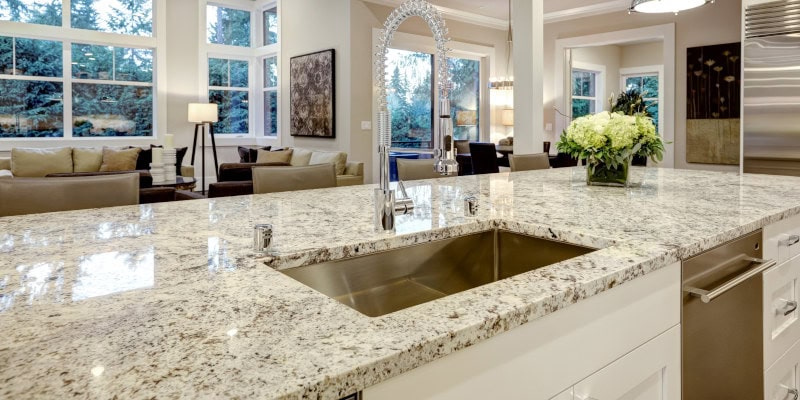
Granite offers natural, unique patterns that no two slabs share, giving your kitchen a one-of-a-kind look. On the other hand, engineered stones like quartz allow for more consistent colors and patterns, which might suit a minimalist style better.
Texture And Finish
The texture and finish of a countertop can affect both the look and feel of your kitchen. Smooth, polished surfaces reflect light and add brightness, making smaller kitchens feel larger. Matte finishes offer a subtle elegance and can hide fingerprints better, which is great if you want a low-maintenance option.
Consider how the surface feels under your hands. A slightly rough texture on soapstone or honed granite gives a cozy, natural vibe, while sleek, glossy finishes feel modern and clean. Your choice here can either invite touch or keep things visually striking without much interaction.
Matching Kitchen Styles
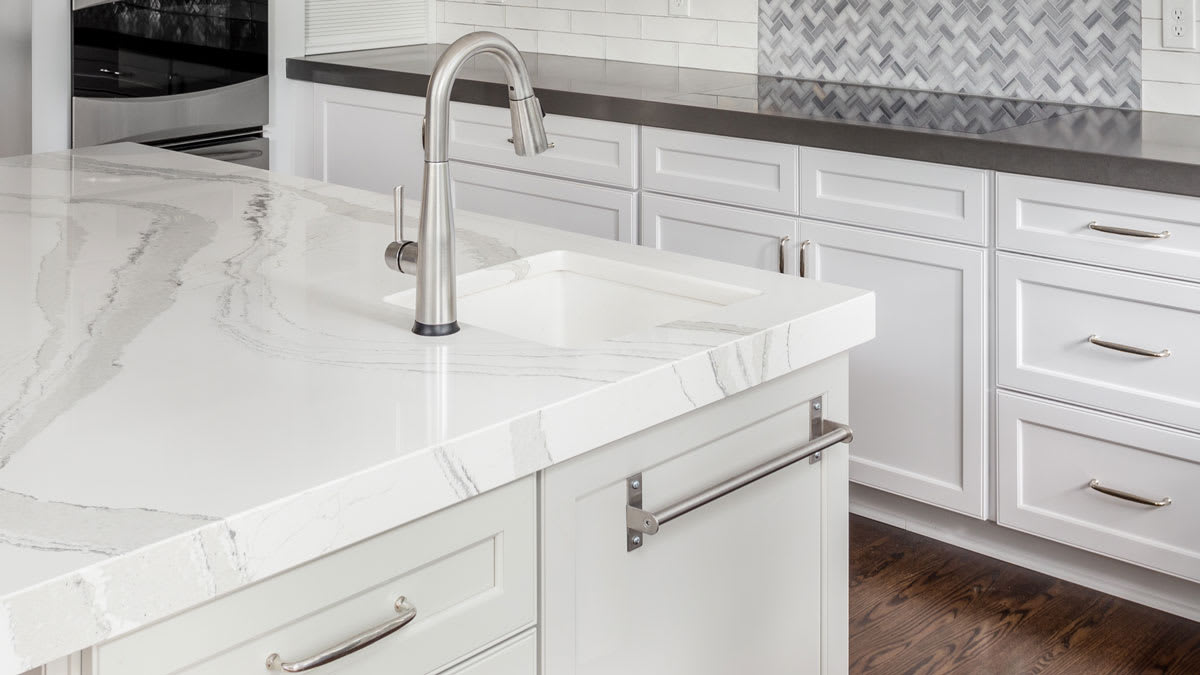
Different countertop materials pair better with certain kitchen designs. For example, butcher block countertops fit perfectly in farmhouse or rustic kitchens, adding warmth and charm. Meanwhile, quartz and granite often suit contemporary or transitional kitchens with their sleek, polished appearance.
Think about the overall theme of your kitchen. Are you aiming for a classic, modern, or eclectic look? Matching the countertop to your kitchen style ensures cohesion and makes the space feel thoughtfully designed rather than pieced together. What style resonates with you, and how can your countertop enhance it?
Credit: www.consumerreports.org
Cost Comparison
Cost plays a big role in choosing the best countertop material for your kitchen. Different materials vary widely in price. Understanding these costs helps you pick the right option for your budget. This section breaks down costs into three key areas.
Initial Investment
The initial cost depends on the material type. Some materials are naturally cheaper, while others cost more due to rarity or processing needs.
- Laminate: Usually the least expensive choice.
- Butcher block: Affordable and warm-looking.
- Granite and quartz: Mid to high price range.
- Marble and exotic stones: Among the most expensive options.
Price per square foot varies greatly. Consider your kitchen size before deciding.
Installation Expenses
Installation costs depend on material weight and complexity. Heavy materials need special tools and labor.
- Laminate and butcher block: Easier and cheaper to install.
- Granite and quartz: Require professional installation, raising costs.
- Marble: Demands careful handling, increasing installation price.
Installation time also affects total expenses. Faster setups reduce labor costs.
Maintenance Costs Over Time
Materials differ in upkeep needs and costs. Low maintenance saves money long term.
- Laminate: Simple to clean but prone to damage.
- Granite and quartz: Durable, need occasional sealing.
- Marble: High maintenance, sensitive to stains and scratches.
- Butcher block: Requires regular oiling to prevent drying out.
Consider maintenance effort and cost before choosing your countertop.
Environmental Impact
The environmental impact of your kitchen countertop choice goes beyond just looks and durability. It affects resource use, waste production, and even your home’s carbon footprint. Understanding these factors helps you make a choice that supports a healthier planet without compromising style or function.
Sustainability Of Materials
Some countertop materials require less energy and water to produce. Bamboo and reclaimed wood are great examples because they grow back quickly or reuse existing resources. On the other hand, natural stones like granite involve quarrying, which can cause habitat destruction and high energy consumption.
Think about how long the material lasts too. Durable surfaces like quartz often need less frequent replacement, reducing waste over time. What’s the lifespan of your current countertop, and could a sustainable material outlast it?
Recyclability
Recyclability matters when your countertop reaches the end of its life. Materials like stainless steel and certain concrete mixes can be recycled into new products. Unfortunately, many laminates and composites end up in landfills because they are hard to break down.
Choosing a recyclable material helps close the loop and reduces landfill waste. Ask yourself: Will this countertop material be easy to recycle or repurpose in the future?
Eco-friendly Choices
Eco-friendly countertops combine low environmental impact with practical benefits. Options like recycled glass or paper-based composite surfaces use waste materials creatively while offering durability and style. They often contain fewer harmful chemicals too.
Consider how these options fit your kitchen’s look and your lifestyle. Could switching to an eco-friendly countertop inspire more sustainable habits in your home?
Choosing Based On Kitchen Use
Choosing the best countertop material depends on how you use your kitchen daily. Different kitchens have different needs. Some see lots of activity, while others focus on family time or professional cooking. Picking the right material can make your kitchen more functional and beautiful.
High-traffic Kitchens
Kitchens with heavy use need tough countertops. Materials like quartz and granite resist scratches and stains well. They handle hot pots and sharp knives without damage. Easy cleaning is a must to keep these surfaces looking new. Durability and low maintenance are key in busy kitchens.
Family-friendly Options
Family kitchens require safe and easy-to-clean surfaces. Laminate and solid surface countertops are good choices. They offer a smooth finish and come in many colors. These materials can handle spills and daily wear. Soft edges and non-porous surfaces help keep children safe and the kitchen hygienic.
Professional Cooking Spaces
Professional kitchens demand high-performance materials. Stainless steel and soapstone are popular for their heat resistance and durability. These surfaces stand up to constant use and heavy equipment. They provide a clean, professional look and are easy to sanitize. Functionality and strength are the top priorities here.
Trends And Innovations 2025
The year 2025 brings fresh trends and innovations in kitchen countertop materials. New options offer better durability and style. Technology improves functionality and maintenance. Designs focus on simplicity and natural looks. These changes help create beautiful, practical kitchens.
New Materials On The Market
Several new countertop materials appear in 2025. These include eco-friendly options made from recycled glass and resin. Porcelain slabs gain popularity for their strength and heat resistance. Engineered quartz evolves with new colors and patterns. These materials combine beauty with long-lasting performance.
Technological Advances
Technology enhances countertop surfaces in many ways. Some materials now resist stains and scratches better than before. Self-cleaning coatings reduce the need for harsh chemicals. Smart countertops with built-in sensors monitor temperature and moisture. These features make kitchen work easier and safer.
Design Trends
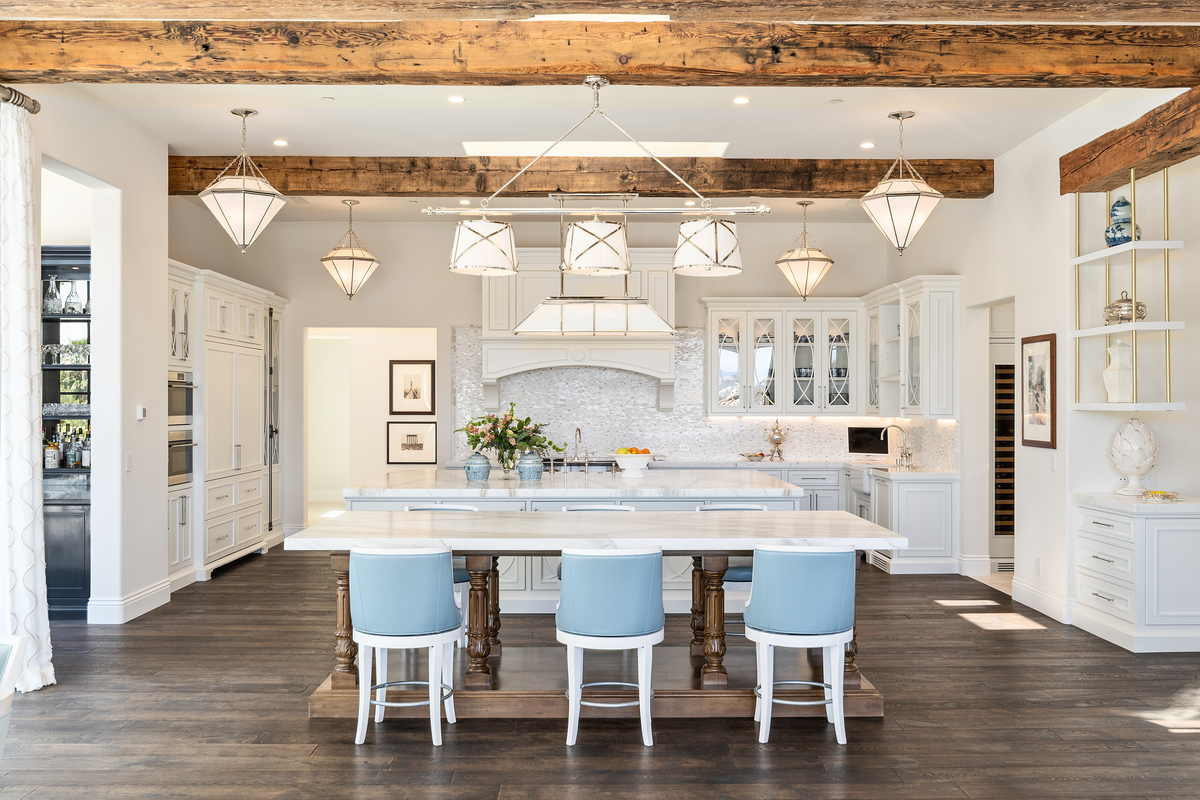
Design trends focus on natural textures and muted colors. Earth tones like beige, gray, and soft green dominate kitchen spaces. Matte finishes replace glossy surfaces for a modern look. Mixing materials, such as wood with stone, adds warmth and depth. Minimalist designs with clean lines remain popular choices.
Credit: kerncodesigns.com
Credit: thegraniteguy.us
Frequently Asked Questions
What Is The Most Durable Kitchen Countertop Material?
Granite is the most durable kitchen countertop material. It resists scratches, heat, and stains effectively. It requires minimal maintenance and lasts for decades, making it a top choice for busy kitchens.
Which Countertop Material Is Easiest To Clean?
Quartz countertops are the easiest to clean. They are non-porous, which prevents bacteria buildup and staining. Simply wipe with mild soap and water for a spotless surface.
Are There Affordable Countertop Materials Available?
Laminate countertops are affordable and come in many styles. They mimic expensive materials like stone but cost much less. They are suitable for budget-conscious kitchen remodels.
How Do I Choose The Best Countertop For My Kitchen?
Consider durability, maintenance, style, and budget when choosing countertops. Think about your cooking habits and kitchen design to select the best fit. Research materials to match your specific needs.
Conclusion
Choosing the best countertop material depends on your needs and style. Think about durability, maintenance, and budget. Some materials resist heat and scratches better. Others offer a unique look and feel. Consider how much care you want to give daily.
Remember, the right choice makes your kitchen both beautiful and practical. Take time to compare options before deciding. Your perfect countertop is out there, ready to fit your kitchen life.

Hi, I’m Daniel Harper, a senior editor here at KitchenBucks.com. For over 10 years, I’ve been exploring kitchen gadgets and appliances to help people find tools that truly add value without breaking the bank. I love simplifying product choices so you can focus more on cooking and less on worrying about what to buy. When I’m not reviewing the latest gadgets, you’ll usually find me experimenting with coffee brewing or firing up the grill for a weekend barbecue.