
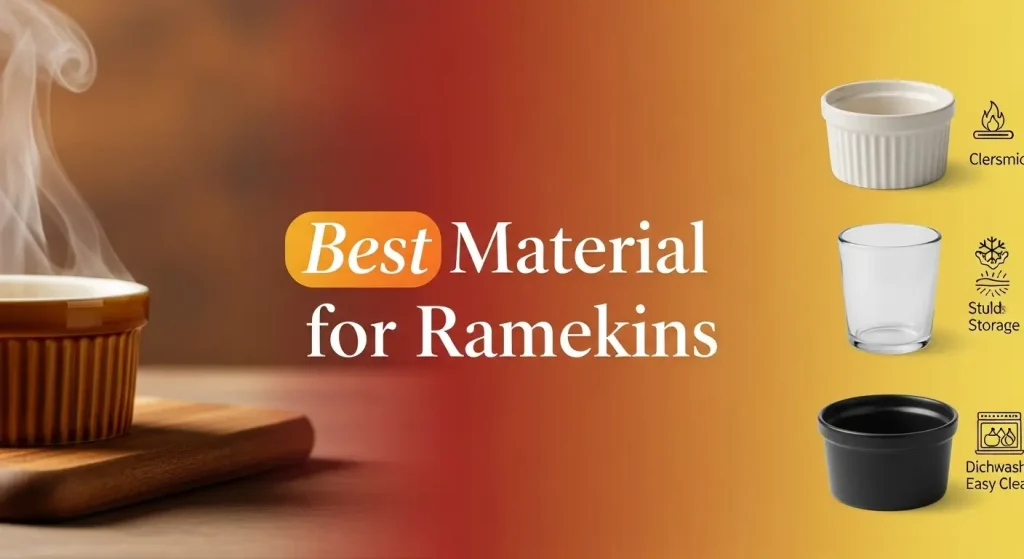
Are you on a quest to elevate your culinary creations? Choosing the right ramekin material can make all the difference.
Imagine effortlessly baking a perfectly set crème brûlée or serving a rich, bubbling French onion soup. The secret often lies in the material of your ramekin. But with so many options available, how do you decide which is the best for your needs?
We’re diving deep into the world of ramekins to help you discover the perfect match for your kitchen. Get ready to unlock the secrets of optimal cooking experiences and ensure your dishes are not only delicious but also beautifully presented. Keep reading, and let’s find out which ramekin material is the ultimate game-changer for your culinary adventures!
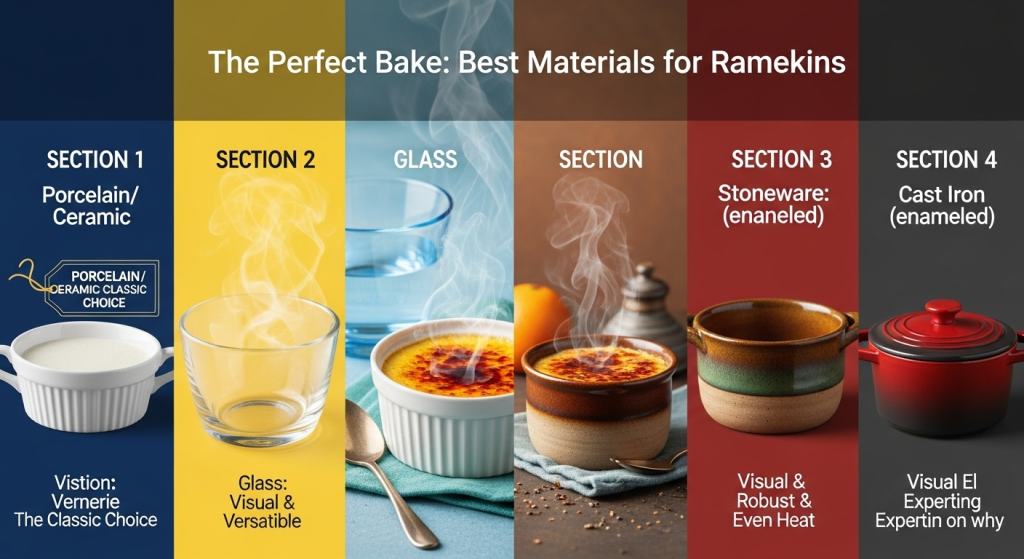
Material Options For Ramekins
Choosing the right material for your ramekins can make all the difference in your cooking and baking experience. Each material offers its own unique benefits, affecting how your dishes cook and how they are presented. From classic elegance to modern functionality, the options available cater to different needs and preferences. Let’s dive into the most common materials used for ramekins and discover which might suit you best.
Ceramic
Ceramic ramekins are a popular choice for both home cooks and professional chefs. Known for their excellent heat retention, they help cook your dishes evenly. Whether you’re baking a rich chocolate soufflé or serving a creamy crème brûlée, ceramic ramekins ensure your dessert comes out perfect every time.
They are often available in various colors and designs, adding a touch of style to your table. However, they can be prone to chipping, so handle with care. If durability is a concern, you might want to explore other options.
Porcelain
Porcelain ramekins offer a sense of luxury with their smooth, glossy finish. They are non-porous, which means they won’t absorb odors or flavors, keeping your dishes tasting pure. They’re also safe for use in the oven, microwave, and dishwasher, making them versatile and convenient.
While porcelain is generally more durable than ceramic, it’s still breakable. Are you someone who enjoys both cooking and an elegant presentation? Porcelain could be the ideal choice for you.
Glass
Glass ramekins provide a clear view of your food, which can be quite appealing. They’re perfect for layered desserts where presentation matters. Pyrex is a trusted brand that offers durable, heat-resistant glass ramekins, often suitable for oven and microwave use.
One downside is that glass can shatter if exposed to sudden temperature changes. If you love showcasing your culinary creations while keeping an eye on the cooking process, glass ramekins might be your go-to.
Stainless Steel
Stainless steel ramekins are less common but offer unique advantages. They are exceptionally durable and resistant to rust and stains. Ideal for both hot and cold dishes, they’re practically indestructible.
If you’re looking for something functional and long-lasting without the worry of breakage, stainless steel is worth considering. However, they may not offer the same level of heat retention as ceramic or porcelain.
Silicone
Silicone ramekins are a modern, flexible option. They are non-stick, making it easier to release your food without sticking. Perfect for baking, they can go straight from the oven to the freezer without any issues.
If you’re someone who values convenience and ease of cleaning, silicone ramekins could be the answer. But, they might not provide the same aesthetic appeal as other materials, which could be a consideration for formal dining.
Ultimately, the best material for ramekins depends on your specific needs and preferences. Consider what’s most important to you: durability, aesthetics, or versatility? With so many options available, you’re sure to find the perfect ramekin that fits your lifestyle.

Ceramic Ramekins
When it comes to choosing the best material for ramekins, ceramic often stands out as a favorite among culinary enthusiasts. These versatile kitchen staples are not only functional but also add a touch of elegance to your cooking experience. Whether you’re whipping up a crème brûlée or serving a savory pie, ceramic ramekins might be your go-to choice.
Durability And Heat Retention
Ceramic ramekins are known for their robust durability. They can withstand high oven temperatures without cracking. This makes them ideal for baking dishes that require even heat distribution. You can trust that your soufflés will rise perfectly and your pot pies will cook evenly.
Moreover, ceramic’s natural heat retention properties ensure that your dishes stay warm longer. Imagine serving a piping hot dessert straight from the oven, retaining its warmth throughout the meal. This quality not only enhances the flavor but also elevates the dining experience.
Aesthetic Appeal
Beyond functionality, ceramic ramekins offer a visual treat. Their smooth finish and vibrant colors can complement any table setting. Whether hosting a dinner party or enjoying a quiet meal, ceramic ramekins add sophistication to your presentation.
Think about the joy of impressing your guests with a beautifully plated dish. The elegance of ceramic ramekins can make even simple meals appear gourmet. They can transform your culinary creations into works of art.
Care And Maintenance
Maintaining ceramic ramekins is surprisingly straightforward. Most are dishwasher safe, saving you time and effort in cleaning. This convenience is perfect for busy schedules or when entertaining.
However, to ensure longevity, avoid sudden temperature changes. Placing a hot ramekin directly into cold water can lead to cracking. Treat them with care, and they will serve you well for years.
Have you ever considered how your choice of kitchenware impacts your cooking? Choosing ceramic ramekins may enhance your culinary skills and presentation. They offer durability, beauty, and ease of maintenance, making them a smart addition to your kitchen essentials.
Porcelain Ramekins
Porcelain ramekins stand out in the culinary world. They are favored for their classic appearance and functionality. These ramekins bring elegance and sophistication to any kitchen setting. Home cooks and professional chefs often choose porcelain for its superior qualities. Let’s explore why porcelain ramekins make an excellent choice.
Strength And Durability
Porcelain ramekins are known for their impressive strength. They withstand high temperatures without cracking or breaking. This makes them ideal for baking and serving hot dishes. Their durability extends to resisting scratches and stains. Porcelain retains its pristine look even after frequent use.
Versatility In Use
These ramekins are incredibly versatile. They are perfect for baking soufflés, crème brûlée, and more. Porcelain ramekins can be used for cold dishes like ice cream. They fit into both ovens and freezers seamlessly. This adaptability makes them a kitchen favorite. Their elegant design suits any table setting.
Cleaning And Care
Caring for porcelain ramekins is straightforward. They are typically dishwasher safe. This simplifies the cleaning process greatly. Hand washing is also easy due to their smooth surface. To maintain shine, avoid abrasive cleaners. With simple care, porcelain ramekins last for years.
Glass Ramekins
Glass ramekins offer a stylish and functional choice for baking and serving. Known for their durability, glass is easy to clean and versatile. It withstands high temperatures, making it ideal for oven use while showcasing beautiful presentation.
Glass ramekins offer a unique blend of elegance and practicality, making them a popular choice in both professional kitchens and home settings. Their sleek design and transparent nature allow them to enhance the presentation of any dish, from classic crème brûlée to savory soufflés. But what exactly makes glass ramekins stand out from their ceramic or metal counterparts?
Transparency And Presentation
Glass ramekins are champions of visual appeal. Their clear structure allows you to showcase the vibrant colors and textures of your dishes. Imagine serving a layered dessert where each delicious layer is visible, enticing your guests before they even take a bite. The transparency also lets you keep an eye on your food as it cooks or sets, ensuring perfect results every time.
Temperature Resistance
One might wonder if glass can handle the heat. The answer is yes! Quality glass ramekins are designed to withstand high temperatures, making them safe for both ovens and microwaves. They’re also excellent at handling cold temperatures, allowing you to go from oven to freezer with ease. This versatility means you can prepare dishes in advance, saving time and effort in the kitchen.
Handling And Safety
Handling glass ramekins might seem daunting, but they’re designed with your safety in mind. Many glass ramekins come with slightly thicker rims, offering a secure grip when transferring them in and out of the oven. Always remember to use oven mitts or a towel when handling hot ramekins to avoid burns. Plus, most glass ramekins are dishwasher safe, making cleanup a breeze. Choosing the right material for your ramekins can transform your cooking experience. Have you tried using glass ramekins in your kitchen? They might just be the perfect addition to elevate your culinary creations.
Stainless Steel Ramekins
Stainless steel ramekins are a favorite choice for home cooks and chefs. They offer a sleek, modern look that fits any kitchen style. These ramekins are versatile and can be used for various dishes. From soufflés to sauces, stainless steel ramekins deliver quality performance.
Durability And Longevity
Stainless steel is known for its toughness. These ramekins resist dents and scratches, making them last longer. They withstand frequent use without showing signs of wear. Their sturdy construction ensures they maintain their shape over time.
Heat Conductivity
Stainless steel ramekins have excellent heat conductivity. They distribute heat evenly, ensuring food cooks uniformly. This property helps achieve the perfect texture for soufflés and custards. Consistent cooking results in delightful dishes every time.
Ease Of Cleaning
Cleaning stainless steel ramekins is straightforward. Their smooth surface resists food sticking, making them easy to wash. Most are dishwasher safe, saving time on cleanup. Simple maintenance keeps them looking new and shiny.
:max_bytes(150000):strip_icc()/se-ramekins-6-grace-kelly-250dde181f364478a640054c5c6563f1.jpg)
Credit: www.seriouseats.com
Silicone Ramekins
Silicone ramekins are gaining popularity in kitchens worldwide. These versatile kitchen tools are known for their flexibility and user-friendly features. Silicone ramekins are a practical choice for both amateur cooks and professional chefs. They offer unique benefits that traditional materials can’t match.
Flexibility And Storage
Silicone ramekins boast impressive flexibility. This allows them to bend without breaking. You can easily fold or squish them to fit in tight storage spaces. They quickly return to their original shape once released. This flexibility makes storing them a breeze in crowded kitchen cabinets.
Non-stick Properties
Silicone ramekins have excellent non-stick properties. Food releases easily without sticking to the surface. This feature reduces the need for excessive greasing or cooking sprays. Cleaning up is simple and quick, saving valuable time and effort.
Heat Limitations
Silicone ramekins have specific heat limitations. They can withstand high temperatures but not as high as ceramic or glass. Most are safe up to 450°F (232°C). Always check the manufacturer’s guidelines for the exact heat limit. Overheating can cause the silicone to degrade or change color.
Factors To Consider
Choosing the best material for ramekins can significantly impact your cooking experience and results. Whether you’re a seasoned chef or a home cook experimenting with new recipes, understanding the factors to consider will guide you to a smart choice. Are you aware of how the material can affect your dish’s texture and temperature?
Intended Use
Think about what you’ll be making in your ramekins. If you’re into soufflés or custards that need gentle heat distribution, ceramic might be ideal. It’s perfect for retaining heat, ensuring your dish cooks evenly. On the other hand, if you’re planning to bake individual pies or tarts, consider glass ramekins; they allow you to monitor browning and doneness.
Budget Considerations
Your budget plays a crucial role in your choice. If you’re looking for something cost-effective, silicone ramekins can be a great option. They’re versatile and durable, often available in sets that won’t break the bank. However, if you’re willing to invest a bit more for longevity, stoneware offers robust performance and elegance, often lasting for years with proper care.
Aesthetic Preferences
Do aesthetics matter to you? Ramekins come in various materials and finishes that can complement your kitchen style. For a classic look, porcelain or ceramic ramekins offer timeless elegance. If you prefer modern designs, consider stainless steel or colored silicone that can add a splash of fun to your kitchen. How do you want your dishes to look when served?
Choosing the right material for your ramekins is more than just a technical decision; it’s about enhancing your culinary creativity while matching your personal style and budget. Consider these factors carefully, and you might find ramekins that become your favorite kitchen tool.
:max_bytes(150000):strip_icc()/Ramekins_and_Souffle_Dishes_The_Pioneer_Woman_FleaMarket_Ramekins_07-2f3f9e02b2ed4ee38e59a9c0cbe706a1.jpg)
Credit: www.thespruceeats.com
Expert Recommendations
Choosing the right material for ramekins can greatly influence cooking results. Ramekins are versatile and used for many dishes, like soufflés and puddings. Experts often have differing opinions on the best material. Understanding these insights can help you select the perfect ramekins for your needs.
Professional Chef Insights
Professional chefs often prefer ceramic ramekins. Ceramic distributes heat evenly. This ensures dishes cook uniformly. Chefs appreciate ceramic’s durability and classic look. Another popular choice is porcelain. Porcelain ramekins are non-reactive and withstand high temperatures. Chefs also value their elegant appearance. Glass ramekins are favored for their transparency. Chefs can monitor the cooking process easily. They find this helpful for delicate recipes.
Home Cook Perspectives
Home cooks often choose ramekins based on practicality. Many prefer stoneware for its robustness. Stoneware ramekins are less prone to chipping. They offer a rustic charm, appealing to many. Silicone ramekins are another favorite. Home cooks love them for easy cleaning. They are flexible, making storage simple. Glass ramekins attract home cooks too. Glass allows cooks to see the food while it cooks. This transparency provides confidence in cooking results.
Frequently Asked Questions
What Materials Are Commonly Used For Ramekins?
Ramekins are typically made from ceramic, glass, or porcelain. Ceramic is popular due to its heat retention and durability. Glass allows for easy visibility of contents during baking. Porcelain offers a sleek look and is often more resistant to thermal shock.
Each material has its own advantages in terms of performance and aesthetics.
Are Ceramic Ramekins Oven-safe?
Yes, ceramic ramekins are generally oven-safe. They can withstand high temperatures, making them ideal for baking. Ceramic’s ability to retain heat ensures even cooking of dishes. Always check the manufacturer’s guidelines to ensure your ceramic ramekins are suitable for oven use, as variations exist.
Can I Use Glass Ramekins For Baking?
Glass ramekins can be used for baking, but handle with care. They provide visibility, allowing you to monitor cooking progress. Ensure your glass ramekins are labeled as oven-safe. Sudden temperature changes can cause glass to break, so avoid moving them directly from freezer to oven.
How Do Porcelain Ramekins Compare In Durability?
Porcelain ramekins are durable and often resistant to thermal shock. They offer a sleek, elegant appearance and are less prone to chipping compared to ceramic. Porcelain can handle various temperature ranges, making it suitable for both hot and cold dishes.
Their durability makes them a popular choice for professional kitchens.
Conclusion
Choosing the right material for ramekins is essential. Each material offers unique benefits. Ceramic ramekins provide even heat distribution. Glass ramekins are visually appealing and versatile. Porcelain ramekins are durable and elegant. Stainless steel ramekins resist stains and odors. Silicone ramekins are flexible and easy to clean.
Consider your cooking needs and preferences. Each material has its own charm and functionality. Explore options to find your perfect match. Happy cooking with your ideal ramekins!

Hi, I’m Daniel Harper, a senior editor here at KitchenBucks.com. For over 10 years, I’ve been exploring kitchen gadgets and appliances to help people find tools that truly add value without breaking the bank. I love simplifying product choices so you can focus more on cooking and less on worrying about what to buy. When I’m not reviewing the latest gadgets, you’ll usually find me experimenting with coffee brewing or firing up the grill for a weekend barbecue.