
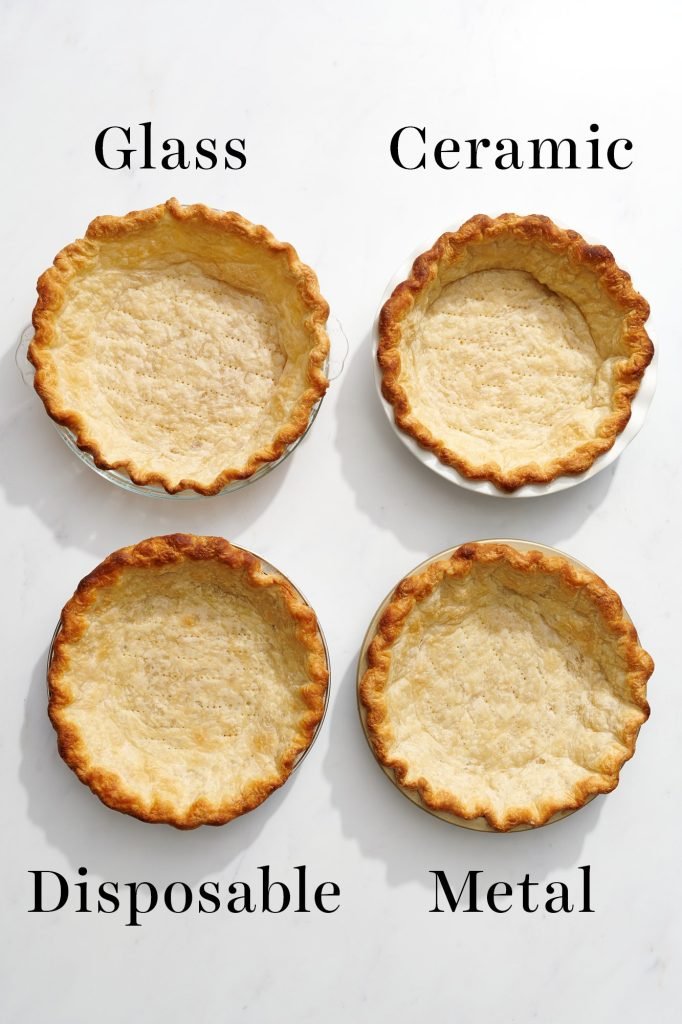
Imagine the aroma of a perfectly baked pie wafting through your kitchen. The crust is golden and crisp, the filling is bubbling with flavor.
But wait—how did you achieve pie perfection? It all starts with choosing the right pan. You might not realize it, but the pan you use can make or break your pie masterpiece. If you’ve ever found yourself frustrated with soggy bottoms or uneven crusts, you’re not alone.
You’re about to discover which pan is truly the best for baking pies that leave your family and friends begging for more. With a few simple tips and insights, you’ll be ready to elevate your pie-baking game to new heights. Keep reading to uncover the secrets to pie pan success that will transform your baking endeavors forever.
Credit: handletheheat.com
Types Of Pie Pans
Choosing the right pie pan can make all the difference in your baking endeavors. Different materials offer unique benefits, influencing how your pie crust turns out. Whether you’re aiming for a crispy crust or need a pan that heats evenly, understanding the types of pie pans available is crucial. Let’s dive into the world of pie pans and discover which one might be best for your next baking masterpiece.
Metal Pie Pans
Metal pie pans are often a go-to for bakers due to their excellent heat conductivity. They heat up quickly, which is perfect for achieving that golden-brown crust we all desire. However, be mindful of over-baking, as metal pans can sometimes cause your pie to cook faster than expected.
Consider using a metal pan for pies that require a crisper bottom. If you like your pies to have a bit of crunch, a metal pie pan might be your best friend.
One little trick: try placing your metal pan on a preheated baking sheet to enhance the crispiness even further.
Glass Pie Pans
Glass pie pans are popular for their transparency, allowing you to see the crust as it bakes. This visibility can be a lifesaver, helping you avoid the dreaded soggy bottom. Glass pans offer even heat distribution, which can be ideal for fruit pies.
They retain heat well, so your pie stays warm for longer after coming out of the oven. Keep this in mind when serving, as it may affect your pie’s consistency.
Have you ever found yourself anxiously peeking through the oven window, wondering if your pie is baking evenly? With glass pans, you can keep track without guessing.
Ceramic Pie Pans
Ceramic pans are often chosen for their aesthetic appeal. They come in various colors and designs, perfect for serving pies straight from the oven to the table. They heat slowly but retain heat well, making them great for pies that need consistent baking.
If you love a pie with a tender filling and a perfectly cooked crust, ceramic pans are worth considering. They also tend to be heavier, offering stability during baking.
Think about your last dinner party. Wouldn’t it be nice to have a beautiful pie dish that complements your table setting? Ceramic pans can add that touch of elegance.
Silicone Pie Pans
Silicone pans are relatively new to the pie-baking scene, offering flexibility and non-stick properties. They are perfect for those who struggle with pies sticking to the pan. The ease of removal is unmatched, but they may not offer the same crispiness as metal or glass.
These pans are lightweight and easy to store, making them ideal for frequent bakers or those with limited kitchen space. Just remember, silicone pans may require a baking sheet underneath for stability.
Have you ever had a pie crumble apart while trying to serve it? Silicone pans might just be the solution to your serving woes.
With these types of pie pans at your disposal, which one resonates with your baking style? Trying different pans can lead you to discover new textures and flavors, enhancing your pie-making experience. So, next time you’re in the kitchen, take a moment to consider your pie pan choice. It might be the secret ingredient to your best pie yet!
Size And Shape Considerations
Choosing the right pan size and shape matters for perfect pies. Different pies need different pans. Let’s explore various options to find the best fit.
Standard Pie Pan Sizes
Standard pie pans usually measure 9 inches in diameter. This size suits most recipes. It provides a balanced crust and filling ratio. Ideal for classic fruit or custard pies. For beginners, this is a safe choice. Easy to find and use.
Deep-dish Options
Deep-dish pans offer extra depth for hearty pies. They measure around 2 inches deep. Perfect for pies with lots of filling. Think savory meat pies or rich dessert pies. These pans allow for creativity. More filling means more flavor.
Mini And Individual Pans
Mini pans are cute and convenient. They range from 4 to 6 inches. Great for individual servings. Perfect for parties or small gatherings. Offer variety with different flavors. Everyone gets their own personal pie. Fun and practical.
Material Impact On Baking
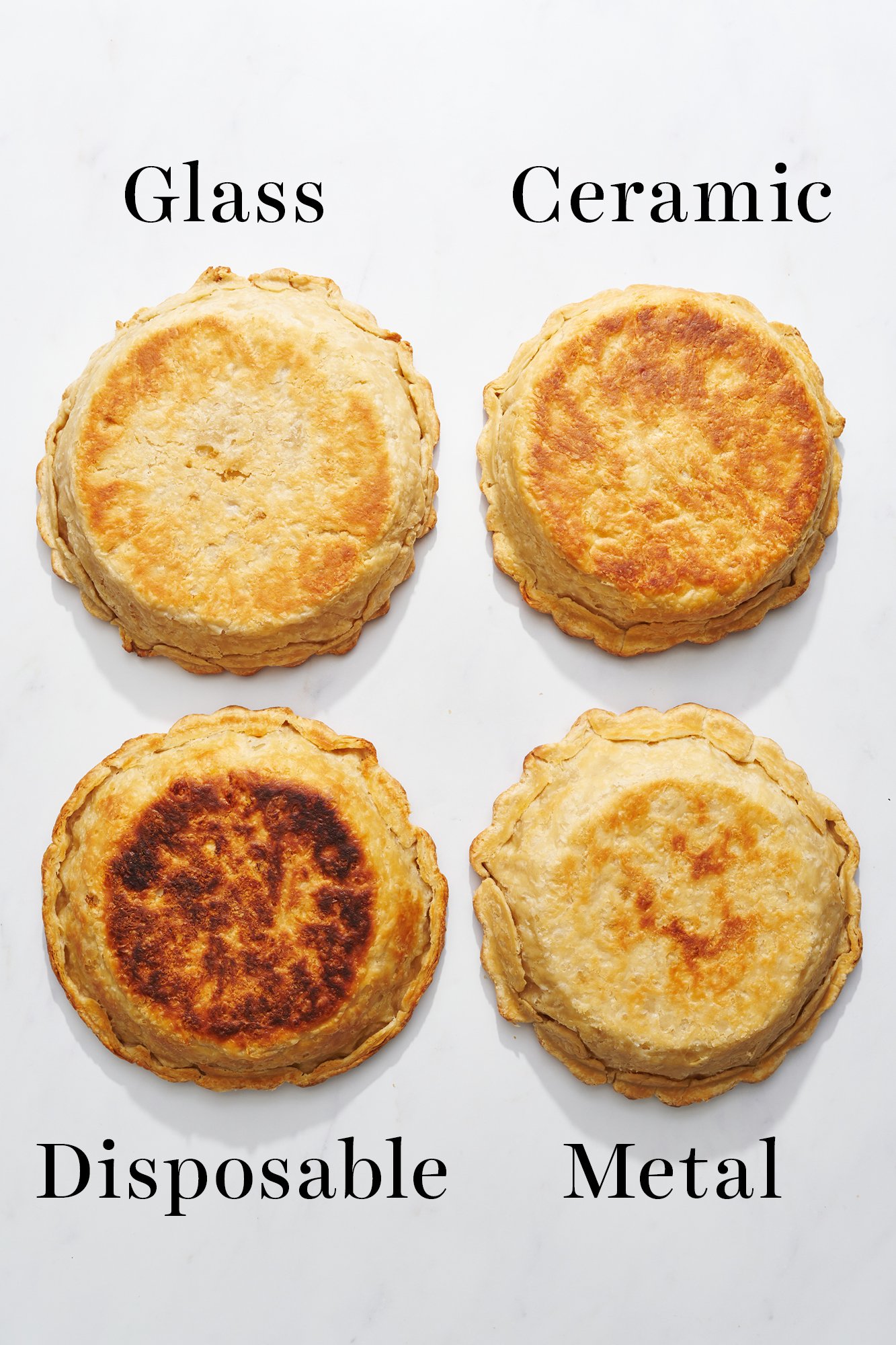
Choosing the right pie pan can greatly affect your baking results. Glass pans often offer even heating, creating perfectly browned crusts. Metal pans are durable and heat quickly, ideal for those seeking crispy edges. Meanwhile, ceramic pans provide excellent heat retention for evenly cooked pies.
When baking the perfect pie, the material of your pie pan plays a crucial role. Each material has its own unique impact on the pie’s crust and overall baking experience. Let’s dive into how different materials affect your pie outcome.Heat Conductivity
The way heat is conducted can make or break your pie. Metal pans, like aluminum, heat up quickly and evenly, which is great for achieving a crispy crust. However, they can sometimes overcook the edges if you’re not careful. Glass pans, on the other hand, heat slowly and allow you to monitor the crust’s browning through the sides. This can be ideal if you’re aiming for that perfectly golden crust. Ceramic pans fall somewhere in between, providing a steady heat that’s forgiving for beginners.Non-stick Surfaces
Ever had a pie stubbornly refuse to leave its pan? Non-stick surfaces can save you from this frustration. Silicone pans offer excellent non-stick properties, but they might not provide the best crust texture. Metal pans often come with non-stick coatings which simplify pie removal but can wear off over time. Glass and ceramic pans naturally offer some non-stick qualities without the risk of coatings, but you may still want to grease them lightly.Durability And Longevity
How often do you plan to bake pies? If pie baking is a frequent affair in your kitchen, durability matters. Metal pans, particularly stainless steel, are incredibly durable and withstand frequent use and dishwashing. However, they can dent if mishandled. Glass and ceramic pans are more fragile but can last a lifetime if treated with care. They also resist scratches, maintaining their appearance over time. Choosing the right pan material isn’t just about aesthetics or brand names. It’s about how the material will interact with your pie and your baking style. What kind of pie baker are you? Do you prefer quick and crisp or steady and sturdy? Your choice might just change your pie game.
Credit: tastesbetterfromscratch.com
Design Features
Choosing the best pan for pie involves considering various design features. The design affects how the pie cooks and its final appearance. Each feature contributes to the ease of use and the pie’s quality.
Rimmed Vs. Rimless
Rimmed pans have raised edges around them. These edges help contain filling and prevent spills. They also make it easier to handle the pan. Rimless pans have no raised edges. They allow a more expansive crust and are ideal for free-form pies. The choice between rimmed and rimless depends on your pie type.
Textured Vs. Smooth Interiors
Textured interiors have small ridges or bumps. These help distribute heat evenly. They also aid in releasing the pie easily after baking. Smooth interiors provide a sleek finish. They are easier to clean but may require greasing to prevent sticking. Choose based on your baking needs and preferences.
Handles And Ease Of Use
Handles make it easier to move the pie pan. They provide a firm grip, reducing the risk of dropping. Some pans have built-in handles, while others have none. Consider how often you’ll need to move the pan during baking. Handles can be crucial for ease and safety.
Baking Techniques For Different Pans
Baking a perfect pie requires understanding your pan. Different pans change the way your pie cooks. Some pans need special techniques for the best results. Learn how preheating, blind baking, and avoiding soggy bottoms can help. Each method ensures your pie is delicious.
Preheating And Temperature Adjustments
Preheat your oven before placing the pie inside. Ensure the temperature matches your pie type. Metal pans heat up quickly and retain heat well. Glass pans heat slowly but evenly. Adjust temperature based on your pan’s material. This prevents overcooking or undercooking.
Blind Baking Tips
Blind baking helps keep crust crisp. Use this method for pies with wet fillings. Line the crust with parchment paper. Fill with pie weights or dried beans. Bake until edges are lightly golden. Remove weights and bake again until the bottom is cooked.
Avoiding Soggy Bottoms
Soggy bottoms can ruin your pie. Ensure crust is dry and crisp. Place a baking sheet under the pie. This helps distribute heat evenly. Use a metal or glass pan for better results. Choose fillings with less moisture. Cook your filling before adding it to the crust.
Pie Pan Maintenance
Choosing the best pie pan involves considering material and maintenance. Metal pans offer durability and even heat distribution, ideal for crisp crusts. Glass pans allow easy monitoring of browning. Regular cleaning and proper storage extend their lifespan, ensuring perfect pies every time.
Maintaining your pie pan is crucial to ensure it serves you well over the years. A well-cared-for pie pan can make all the difference in achieving that perfect golden crust. Whether you’re using a classic glass pan or a modern non-stick version, proper maintenance is key. Let’s delve into some practical tips to keep your pie pan in top shape.Cleaning And Care Tips
The cleaning method can vary based on the material of your pie pan. For glass pans, warm water and mild soap do the trick. Avoid harsh scrubbing pads that might scratch the surface. For non-stick pans, use a soft cloth or sponge. Harsh cleaners can damage the coating. After cleaning, dry your pie pan thoroughly to prevent rust or water spots. Sometimes, stubborn food bits cling to the pan. Soak it in warm soapy water for a few minutes. This softens the residue and makes cleaning easier.Storage Solutions
Proper storage extends the life of your pie pan. Store your pans in a dry place to prevent any moisture damage. Stack similar pans together to save space, but ensure they’re dry before stacking. If you have limited cupboard space, try hanging pans on a wall rack. This not only saves space but also turns your kitchen into a visually appealing space. Have you ever thought about using pan protectors? These simple items prevent scratches and keep pans looking new. They’re especially useful when stacking.Handling Wear And Tear
Every pie pan will show signs of wear over time. A few scratches here and there can add character to your kitchen tools. But excessive damage can affect your baking results. Regularly inspect your pans for any signs of rust or damage. Early detection allows you to address issues before they worsen. If your non-stick pan loses its coating, consider replacing it. A worn-out coating can affect the quality of your bakes. Would you compromise on the taste of your pie for an old pan? Maintaining your pie pan is not just about cleanliness; it’s about preserving your baking legacy. Treat your pans with care and they’ll reward you with delicious pies for years to come.Top Picks And Recommendations
Explore the best pans for baking perfect pies. A glass pie pan offers even heat distribution and lets you see the bottom crust. Metal pans are durable and heat quickly, making them ideal for crispy crusts. Ceramic pans retain heat well, ensuring your pie stays warm longer.
Choosing the perfect pan for pie makes a big difference in baking. The right pan helps create a pie that tastes good and looks beautiful. With many options available, selecting the best one can be a challenge. This guide offers some top picks and recommendations to simplify your choice.Budget-friendly Options
For those on a budget, affordable pie pans are available. Glass pie dishes are cheap and reliable. They distribute heat well and let you see the crust as it bakes. Aluminum pans are another great choice. They are light and often come in packs, perfect for holiday baking. Both options offer great value without sacrificing quality.Best For Beginners
Beginners need pans that are easy to use. Non-stick pans are ideal for them. These pans make it easy to remove the pie without damaging the crust. Silicone pie pans are another good choice. They are flexible and help beginners avoid sticking issues. Both options help beginners build confidence in baking.Professional Choices
Professional bakers often prefer heavy-duty pans. Stainless steel pans provide durability and even cooking. Ceramic pie dishes are another favorite. They retain heat well and offer a classic look. Both choices meet the high standards of experienced bakers.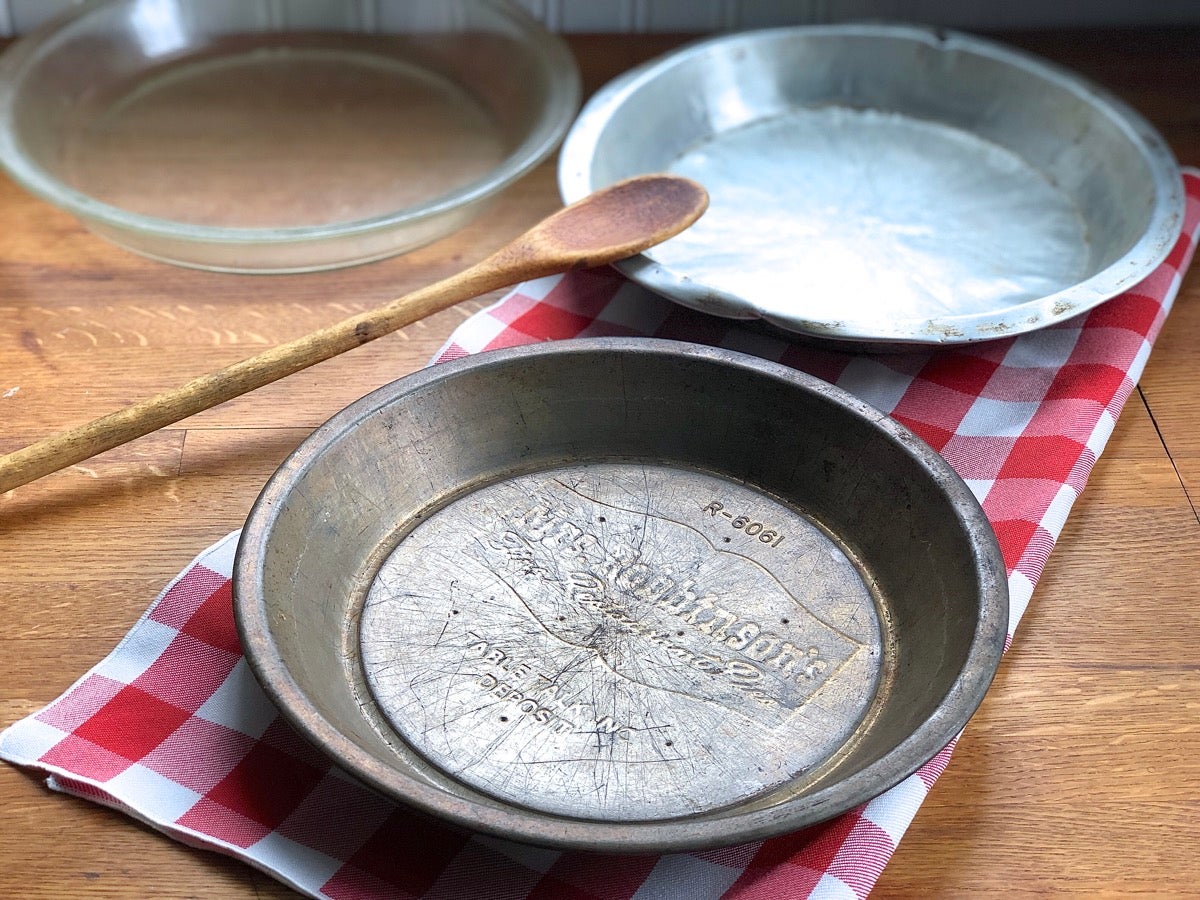
Credit: www.kingarthurbaking.com
Frequently Asked Questions
What Material Is Best For Pie Pans?
The best materials for pie pans are glass, ceramic, and metal. Glass pans allow you to monitor browning. Ceramic provides even heat distribution. Metal pans, especially aluminum, heat quickly and evenly. Each material offers unique benefits for baking pies perfectly.
Should I Use A Deep-dish Pie Pan?
Use a deep-dish pie pan for recipes with more filling. Deep-dish pans hold more ingredients and prevent overflow. They’re ideal for fruit pies, quiches, and savory pies. Regular pans work for classic pies with less filling. Choose based on your recipe needs.
Are Non-stick Pie Pans Effective?
Non-stick pie pans are effective for easy release and cleaning. They prevent sticking and make pie removal simple. They are especially useful for beginners. However, they may affect browning compared to other materials. Consider your baking preferences before choosing.
Can I Use A Glass Pie Pan For Baking?
Yes, you can use a glass pie pan for baking. Glass pans provide even heating and let you see browning. They’re perfect for custard pies and those needing consistent baking. They might require slight temperature adjustments. Always check your recipe for specific instructions.
Conclusion
Choosing the right pie pan makes baking easier. A glass pan offers even heat distribution. Ceramic pans provide a classic look and hold heat well. Metal pans give a crispy crust, perfect for certain pies. Consider your recipe and baking style.
Test different pans to find your favorite. Each type has unique benefits. The key is experimenting. Discover what works best in your kitchen. Enjoy baking delicious pies with your chosen pan. Happy baking!
