
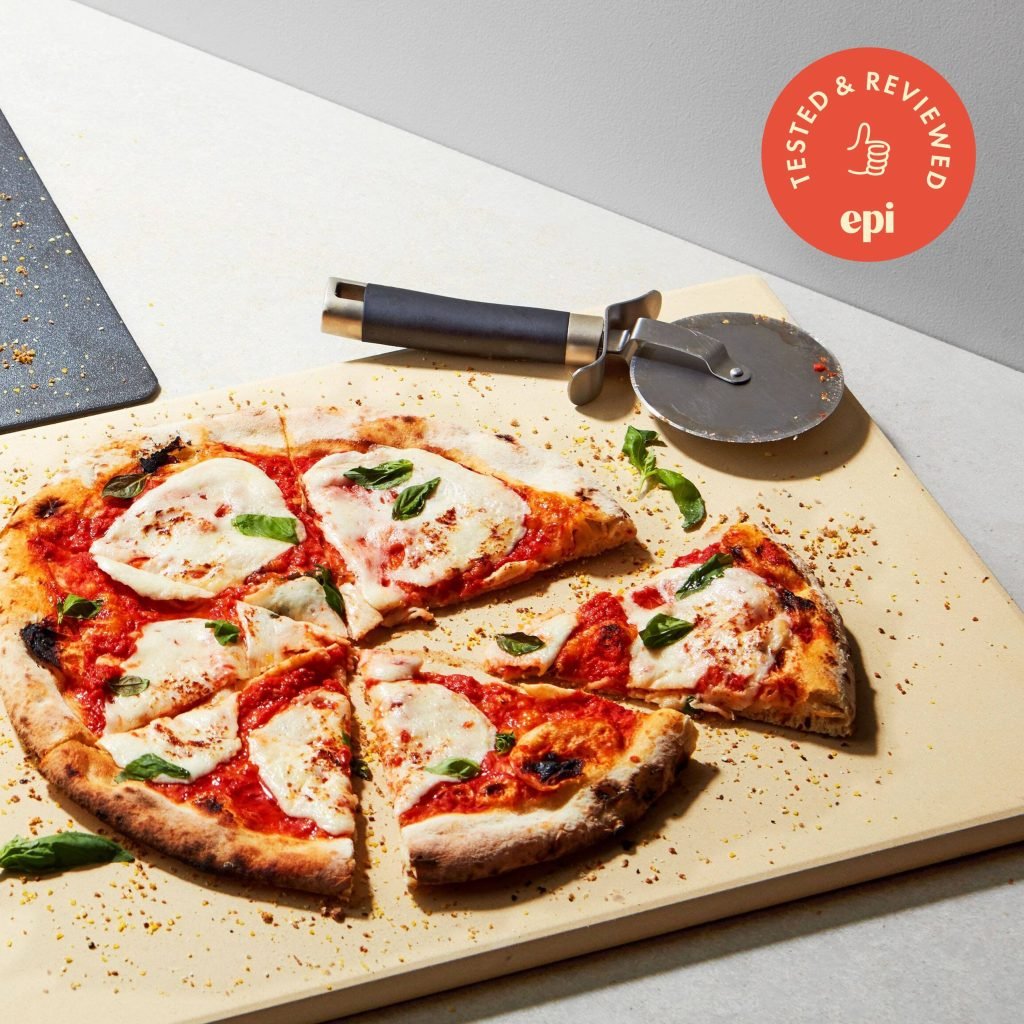
Imagine serving the perfect slice of pizza right from your oven—crispy crust, gooey cheese, and toppings that are just right. You might wonder how to achieve that pizzeria-quality taste at home.
The secret lies in using the best pizza stone. But what makes one pizza stone stand out from the rest? Choosing the right one can transform your homemade pizza experience. You’ll discover what characteristics make a pizza stone the best choice for you, ensuring every slice you bake is a slice of perfection.
Get ready to uncover tips and insights that will elevate your pizza game to a whole new level!
The Magic Of Pizza Stones
Pizza stones have become a kitchen essential for many pizza lovers. These stones transform homemade pizzas into crispy, golden delights. They absorb moisture, ensuring a perfect crust every time. The magic lies in their ability to mimic traditional brick ovens.
The Science Behind Pizza Stones
Pizza stones are typically made from ceramic or cordierite. These materials retain heat efficiently, cooking pizzas evenly. They distribute heat across the entire surface, preventing soggy bottoms. This results in a crispy, mouthwatering slice every time.
Choosing The Right Pizza Stone
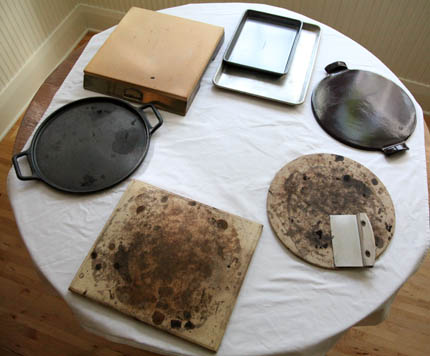
Size matters when selecting a pizza stone. It should fit comfortably in your oven. Consider the thickness; thicker stones retain heat longer. Material is key; cordierite stones are durable and resist thermal shock.
Maintaining Your Pizza Stone
Proper care extends the life of your pizza stone. Avoid soap; it can seep into the stone. A simple scrape or brush removes residue. Let the stone cool before cleaning. This prevents cracking and ensures long-lasting use.
Choosing The Right Material
Choosing the right material for your pizza stone can make all the difference in your homemade pizza’s texture and taste. Whether you’re a seasoned chef or a weekend pizza enthusiast, understanding the pros and cons of different materials is crucial. Each type offers unique benefits that can elevate your pizza-making experience to new heights. So, which one should you choose to achieve that perfect crust?
Ceramic Stones
Ceramic stones are a popular choice for many home cooks. They distribute heat evenly, ensuring your pizza crust is crispy and delicious. The porous surface absorbs moisture, helping you achieve that perfect balance between soft and crunchy.
However, ceramic stones can be fragile. They may crack if exposed to sudden temperature changes. To avoid this, always preheat your oven with the stone inside. If you’re careful, ceramic can be your trusty pizza partner for years.
Cordierite Stones
Cordierite stones are known for their durability. They withstand high temperatures and thermal shock better than ceramic. This means you can go from a cold oven to blazing hot without the worry of cracks.
They are also great at retaining heat. Your pizza will cook evenly, and you won’t have to rotate it as often. If you’re someone who likes to experiment with different pizza recipes, cordierite stones might be your best bet.
Baking Steel
Baking steel is a game-changer for pizza enthusiasts. It conducts heat faster and more efficiently than stone, giving you a beautifully charred crust. It’s perfect if you love that authentic pizzeria-style pizza.
Unlike stone, baking steel is virtually indestructible. It’s heavy but easy to clean, making it a favorite for many. But, can your oven handle the weight? It’s worth considering before making the investment.
Each material has its strengths and weaknesses. As you decide, think about your cooking habits and preferences. Would you prioritize durability or heat conduction? Do you often switch recipes or stick to a classic Margherita? Your answers will guide you to the best choice for your kitchen and pizza dreams.
Size And Shape Considerations
Selecting the best pizza stone involves considering its size and shape. A round stone fits most traditional ovens, while rectangular stones provide more cooking space. Choose a size that fits your oven and a shape that suits your baking needs.
When searching for the best pizza stone, understanding the size and shape considerations is crucial. The right stone can elevate your homemade pizza game to a professional level. But how do you choose the perfect one? It’s all about understanding the dynamics of size and shape.Round Vs. Rectangular
Choosing between a round and a rectangular pizza stone can impact your cooking experience. A round stone is ideal for those who frequently make traditional circular pizzas. It fits perfectly in most ovens and mimics the shape of a classic pizza pan. On the other hand, a rectangular stone provides more versatility. It allows you to bake different shapes and sizes of pizzas. Plus, you can use the extra space for baking other items like bread or pastries. Imagine hosting a pizza night where everyone gets to create their own unique shape. A rectangular stone might be your best ally for such creative endeavors.Thickness Matters
The thickness of your pizza stone can drastically affect your baking results. A thicker stone, typically around 3/4 inch, retains heat better. This means a crispier crust and a more evenly cooked pizza. However, it also takes longer to heat up, which might test your patience. Thinner stones, around 1/2 inch, heat up quickly. They are perfect if you’re in a hurry to satisfy your pizza cravings. But, they may not hold heat as well as thicker stones. Consider how often you make pizza and your preferred baking style. Do you have the patience for a slow, thorough cook, or do you need quick results? In the end, choosing the right size and shape of a pizza stone is about matching it to your cooking style and needs. Think about what kind of pizza experience you want to create in your kitchen.
Credit: www.businessinsider.com
Heat Retention And Distribution
A top pizza stone ensures excellent heat retention and even distribution, creating the perfect crispy crust. Choose materials like cordierite or ceramic for best results. These stones withstand high temperatures and provide consistent heat, which is crucial for delicious homemade pizza.
When it comes to crafting the perfect pizza, a pizza stone can be your best ally, especially in terms of heat retention and distribution. These two factors are crucial because they directly impact how evenly your pizza cooks. You don’t want to end up with a crust that’s burnt on one side and undercooked on the other. Let’s delve into why heat retention and distribution matter so much in choosing the best pizza stone.Understanding Heat Retention
Heat retention is all about how long the stone can hold onto the heat once it’s been preheated. A stone with excellent heat retention will maintain a consistent temperature throughout the cooking process. This means your pizza will cook evenly, giving you that crispy crust everyone loves. Imagine you’re hosting a pizza night and your guests are eagerly waiting for their slice. A stone that loses heat quickly will leave you with a soggy bottom, ruining the pizza experience.How Heat Distribution Affects Cooking
Heat distribution refers to how the heat spreads across the surface of the stone. A good pizza stone will distribute heat evenly, preventing hotspots that can cause uneven cooking. Picture this: you’ve got a pizza with toppings piled high on one side and hardly any on the other. Without even heat distribution, one side might be perfectly cooked while the other remains raw. A stone with proper heat distribution ensures every slice is just right. Different materials offer varying levels of heat retention and distribution. Ceramic stones are popular for their excellent heat retention, but they might crack under high temperatures. Cordierite stones withstand high heat and provide even distribution, making them a favorite among pizza enthusiasts. Consider what you’re looking for: are you focused on achieving a crispy crust, or do you need something durable?Personal Experience: A Game Changer
I’ve tried different stones, and the difference is palpable. A stone with superior heat retention and distribution transformed my homemade pizza from mediocre to mouthwatering. It was like finding the missing ingredient in my pizza-making journey. Have you ever noticed how the right tools can elevate your cooking game? It’s not just about the toppings or the sauce—sometimes, it’s about the foundation.Practical Tips For Your Pizza Stone
– Preheat your stone in the oven for at least 45 minutes to achieve optimal heat retention. – Avoid washing it with soap, as it can absorb flavors and affect your pizza. – Regularly check for cracks and replace if necessary to ensure even cooking. Wouldn’t you love to create a pizza that’s worthy of a chef’s kiss? By focusing on heat retention and distribution, you’ll be well on your way.Preheating Techniques
Preheating your pizza stone is crucial for achieving a crisp and perfectly cooked crust. Many pizza enthusiasts, including myself, have learned this the hard way. You might wonder why your homemade pizza doesn’t match the ones from your favorite pizzeria. The secret often lies in mastering the preheating techniques. Let’s dive into the specifics to ensure your next pizza is a showstopper.
Optimal Temperature
Setting the right temperature is key. Most experts recommend preheating your pizza stone to about 500°F (260°C). This high temperature mimics the conditions of a traditional pizza oven. Have you ever noticed how the crust bubbles and crisps quickly in a pizzeria? That’s due to the intense heat. Your home oven might not reach that exact temperature, but aiming for 500°F gets you close.
If your oven struggles with high heat, consider reducing the temperature slightly. Try preheating to 450°F (232°C) and see if it works better. Every oven is different, so a little experimentation might be necessary. You’ll notice how the crust changes with different temperatures, giving you clues on what works best for your setup.
Time Requirements
How long should you preheat your pizza stone? A minimum of 30 minutes is recommended. This might seem excessive, but the stone needs time to absorb heat evenly. I’ve made the mistake of preheating for just 10 minutes, resulting in a doughy pizza. It taught me the value of patience.
Consider setting a timer to avoid guesswork. When you’re busy preparing toppings, it’s easy to lose track of time. A reliable timer ensures you don’t cut corners. Think of it as an investment in your pizza’s taste and texture.
Have you ever experimented with preheating techniques? What worked best for you? Share your thoughts in the comments below. Remember, mastering these techniques can transform your homemade pizza into a culinary masterpiece. Happy baking!
Credit: artisanbreadinfive.com
Cleaning And Maintenance Tips
Cleaning and maintaining your pizza stone is crucial for its longevity. Proper care ensures your stone delivers perfect pizzas every time. Without the right maintenance, you might affect its performance. Follow these simple tips to keep it in top shape.
Avoiding Soap
Never use soap on your pizza stone. Soap can absorb into the stone. This will leave a soapy taste on your pizza. Instead, use a damp cloth or brush. Scrape off stuck food gently. Use only water to rinse.
Proper Storage
Store your pizza stone in a dry place. Moisture can weaken it over time. Keep it flat to prevent breaking. Avoid stacking heavy items on it. Ensure it is always clean before storing.
Top Pizza Stone Brands
Discover the best pizza stone brands that elevate homemade pizzas to restaurant quality. Brands like Lodge, Old Stone, and Emile Henry offer durable and efficient stones for crispy crusts. Choose one that fits your cooking style and enjoy delicious pizzas at home.
Choosing the right pizza stone can make all the difference in your homemade pizza adventure. With so many brands available, finding the best one can be overwhelming. Whether you’re a seasoned pizzaiolo or a weekend warrior, knowing which brands offer quality and value is essential.High-end Options
If you’re ready to invest in a top-tier pizza stone, consider brands that are known for their durability and performance. Baking Steel is a popular choice among pizza enthusiasts. Their stones are made of ultra-conductive steel, which can handle the highest of heats and create a perfect crust every time. Another high-end brand is Emile Henry, known for their ceramic stones. They are crafted in France and provide even heat distribution, ensuring your pizza is cooked to perfection. These stones are also dishwasher-safe, making cleanup a breeze.Budget-friendly Choices
Not everyone wants to break the bank for a pizza stone, and that’s perfectly okay. Brands like Lodge offer cast iron pizza stones that are affordable yet efficient. They retain heat well and can be used on the grill, in the oven, or even over a campfire. Old Stone Oven is another cost-effective option. Their stones are made from firebrick material and have been a staple in kitchens for decades. They offer great heat retention and a crispy crust without the hefty price tag. Finding the right pizza stone doesn’t have to be daunting. What’s more important is how it fits your needs and enhances your pizza-making experience. Which brand aligns with your pizza passion?Enhancing Your Pizza Baking Skills
Are you ready to take your pizza baking skills to the next level? Using a pizza stone can transform your homemade pizzas from ordinary to extraordinary. It’s not just about owning the stone; it’s about mastering the technique to get that perfect crust every time. Let’s dive into some practical tips that will elevate your pizza game.
Using Cornmeal Or Parchment
Have you ever struggled with your pizza sticking to the stone? You’re not alone. A simple trick is to sprinkle cornmeal on the stone before placing your dough. It acts like tiny ball bearings, helping your pizza slide effortlessly.
Alternatively, parchment paper is your friend. It not only prevents sticking but also makes transferring your pizza a breeze. Imagine the ease of lifting your perfectly cooked pizza without any mess. Which method will you try first?
Rotating For Even Cooking
Have you noticed one side of your pizza cooking faster than the other? This is common with uneven heat distribution. To counteract this, rotate your pizza halfway through the cooking process.
This simple adjustment ensures every slice is cooked to perfection. Next time, try rotating and see the difference. Your guests will be amazed at the consistent quality.
Mastering these techniques will significantly enhance your pizza baking skills. With a pizza stone, cornmeal or parchment, and a simple rotation, you’ll be making pizzeria-quality pies in no time. What’s stopping you from becoming the pizza chef you aspire to be?
Troubleshooting Common Issues
Pizza stones can elevate your homemade pizza game. They give the crust a crispy texture. Sometimes, though, issues arise that can ruin your pizza experience. Here, we will address some common problems with pizza stones.
Preventing Sticking
Sticking is a common problem. Dust the pizza stone with cornmeal before placing the dough. This helps create a barrier between the dough and the stone. Do not use oil on the stone. Oil can smoke and ruin the stone’s surface. Use parchment paper if the dough is sticky. It acts as a temporary shield.
Ensure the stone is properly preheated. Cold stones make dough stick. Preheat the stone for at least 30 minutes. This ensures an even temperature.
Dealing With Cracks
Cracks may appear in pizza stones after some use. Rapid temperature changes cause this. Avoid placing a cold stone in a hot oven. Let the stone come to room temperature first. Never wash a hot stone with cold water. This can cause sudden cracks.
Inspect the stone regularly for hairline cracks. Small cracks can grow over time. If cracks appear, use the stone gently. Consider replacing if cracks worsen.
Credit: www.businessinsider.com
Frequently Asked Questions
What Is A Pizza Stone Used For?
A pizza stone is used to evenly distribute heat, ensuring a crispy crust. It mimics the effects of a brick oven. By absorbing moisture and retaining heat, it helps in baking pizzas with perfect texture and flavor. It’s an essential tool for home pizza enthusiasts.
How Do You Clean A Pizza Stone?
To clean a pizza stone, allow it to cool completely first. Use a brush or a scraper to remove food debris. Avoid using soap, as stones absorb liquids. Instead, use warm water and a cloth. Dry it thoroughly before storing to prevent mold or odors.
Can You Use A Pizza Stone On A Grill?
Yes, you can use a pizza stone on a grill. It provides a high, even heat similar to a pizza oven. Preheat the stone on the grill before placing the pizza. This method enhances the crust’s texture and flavor, making it crispy and delicious.
What Materials Are Pizza Stones Made From?
Pizza stones are commonly made from ceramic, cordierite, or cast iron. Ceramic stones are affordable and offer even heating. Cordierite stones withstand high temperatures and resist thermal shock. Cast iron stones are durable and provide excellent heat retention. Each material has its unique benefits for baking.
Conclusion
Choosing the best pizza stone can enhance your baking experience. It evenly distributes heat, creating a crispy crust. Consider the material, size, and thickness before buying. Cordierite and ceramic stones are popular choices. They withstand high temperatures and are durable.
Also, ensure the stone fits your oven or grill. Proper care and maintenance extend its lifespan. Clean it without soap and store it carefully. A good pizza stone transforms homemade pizza into a delicious treat. Explore different options and find the one that suits your needs.
Enjoy your perfect homemade pizza every time!
