
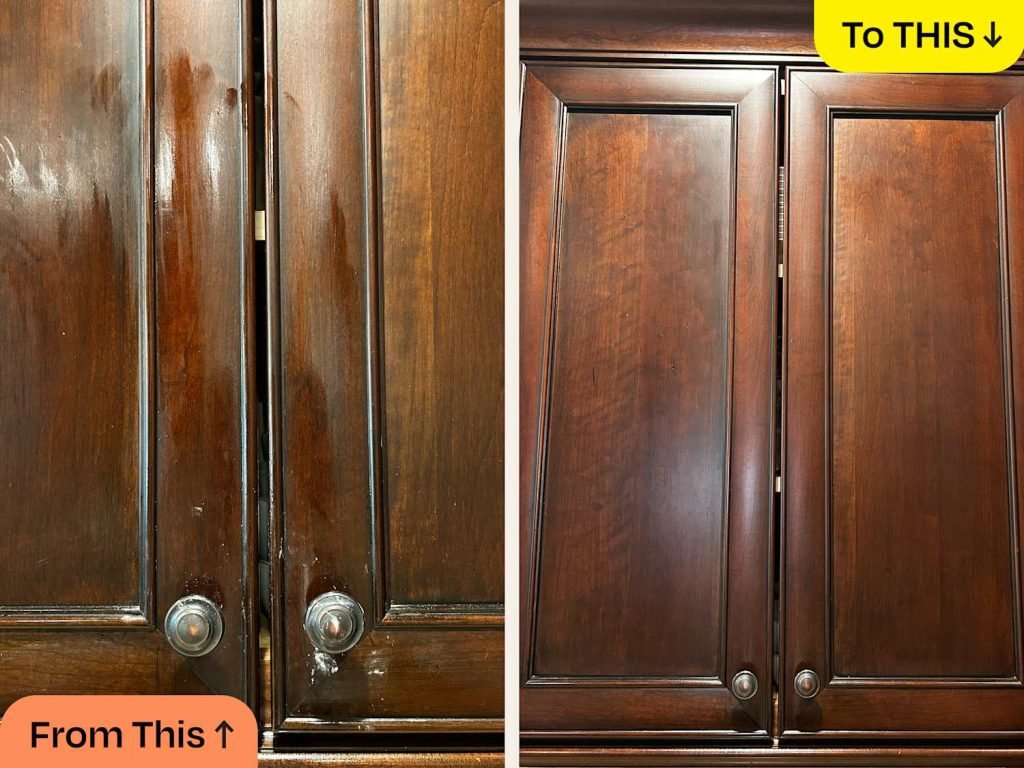
Your wood cabinets are more than just storage spaces; they add warmth and elegance to your home. But over time, dust, grease, and fingerprints can dull their natural beauty.
You might be wondering, “What is best to clean wood cabinets? ” You’re not alone. Many homeowners are searching for the perfect solution to keep their cabinets looking pristine. The wrong cleaning method can damage the wood, causing more harm than good.
But the right approach can reveal the rich grain and luster that you fell in love with. Imagine your cabinets gleaming with a fresh, clean shine that makes your kitchen or bathroom feel new again. Don’t let grime take away from the charm of your home. Discover the secrets to maintaining that flawless finish and keep your cabinets looking their best. Curious about the simple yet effective techniques that make a real difference? Read on to transform your cabinets with ease and confidence.
Choosing The Right Cleaner
Finding the best cleaner for wood cabinets involves choosing mild, non-abrasive products. Natural solutions like vinegar and water can effectively remove grime without harming the wood. Regular dusting and gentle wiping maintain the cabinet’s finish, ensuring a lasting shine.
Choosing the right cleaner for wood cabinets is crucial. Proper care keeps them looking fresh and extends their lifespan. The wrong cleaner can damage the finish or leave residue. To maintain their beauty, select a cleaner suited for wood surfaces. Consider factors like ingredients, effectiveness, and safety. Let’s explore different cleaner options to help make an informed choice.Natural Vs. Commercial Products
Natural cleaners use ingredients like vinegar, lemon, and olive oil. They are gentle and eco-friendly. These options reduce the risk of harming wood surfaces. Commercial products are formulated for specific cleaning tasks. They often promise quick results and deep cleaning. Reading labels helps understand what each product offers. Consider the pros and cons of each type.Avoiding Harsh Chemicals
Harsh chemicals can strip wood finishes. They may cause discoloration or damage. Choose products free from ammonia or bleach. Look for cleaners labeled as wood-safe. Test any new cleaner on a small, hidden area first. This ensures it won’t harm the wood. Opt for products with natural or mild ingredients. This keeps your cabinets looking their best.Preparation Steps
Dust the cabinets gently with a microfiber cloth to remove loose dirt. Prepare a mixture of mild dish soap and warm water. Use a soft cloth dipped in the solution to clean the surface, avoiding excess moisture. Rinse with a damp cloth and dry thoroughly to prevent damage.
Cleaning wood cabinets can transform your kitchen or bathroom, revealing a fresh, inviting look. However, before you dive into scrubbing, preparation is key to ensure a thorough and hassle-free cleaning process. By preparing adequately, you not only safeguard your cabinets but also protect surrounding spaces. Let’s explore some essential preparation steps.Removing Cabinet Contents
Emptying your cabinets might seem tedious, but it’s crucial. Take everything out, from dishes to spices, and set them aside in a safe place. This step prevents items from getting in the way and allows you to clean every nook and cranny of the cabinet. Consider organizing the removed items. Group them by category, like utensils, snacks, and cleaning supplies. This makes it easier to return them to their rightful spots once your cabinets are spick and span. Have you ever discovered forgotten items buried in the back of your cabinets? This is a great opportunity to declutter and dispose of expired goods or donate unused items.Protecting Surrounding Areas
Before you start cleaning, take measures to protect the areas around your cabinets. Lay down old towels or plastic sheets on the floor to catch spills and debris. This precaution saves you from additional cleanup later. Cover nearby countertops and appliances with cloth or paper. Cleaning products can splash and stain other surfaces, so shielding them is wise. Think about wall protection too. If your cabinets are close to painted walls, use painter’s tape to secure paper sheets along the edges to avoid accidental marks or damage. By addressing these preparation steps, you set the stage for a successful cleaning session. Are there other areas in your home where you find preparation makes all the difference?Cleaning Techniques
Vinegar mixed with water is effective for cleaning wood cabinets. Avoid harsh chemicals; they can damage the finish. A soft cloth will gently remove grime and restore shine. Regular dusting keeps cabinets looking fresh and maintains their natural beauty.
Cleaning wood cabinets is essential for maintaining their beauty and longevity. Using the right techniques ensures the wood remains unharmed and looks its best. Different methods can be employed depending on the type of dirt or grime. Let’s explore some effective cleaning techniques.Dry Dusting Methods
Dry dusting is a gentle way to remove surface dust. Use a soft cloth or microfiber duster. These materials prevent scratches on the wood. Dusting regularly keeps buildup from becoming a problem. Pay attention to corners and edges where dust often collects.Wet Cleaning Approaches
Wet cleaning tackles tougher spots. Mix mild dish soap with warm water. Dampen a cloth, and wipe the cabinet surfaces. Avoid soaking the wood. Too much water can damage it. After cleaning, dry the cabinets with a clean towel. This prevents moisture from seeping into the wood.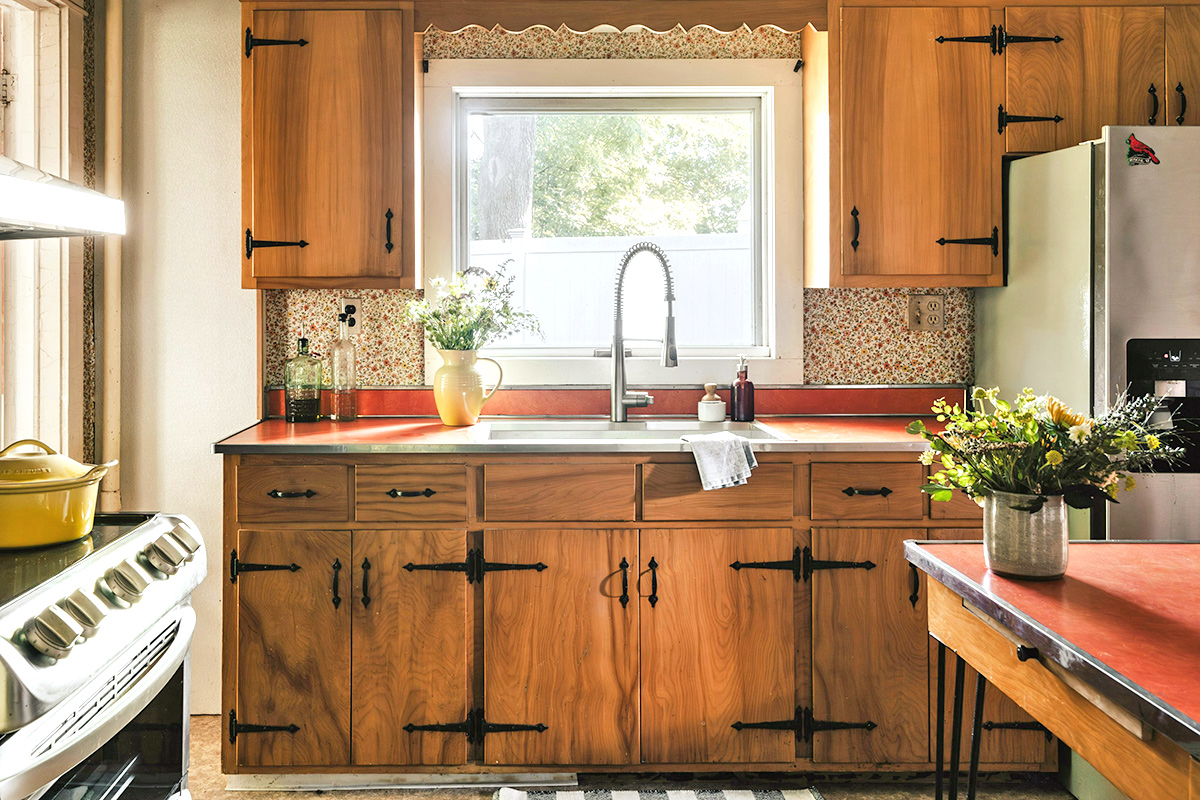
Credit: houseoutlook.com
Dealing With Stubborn Stains
Vinegar and water offer a simple solution for cleaning wood cabinets. Mix equal parts, apply gently, and wipe dry. For tougher stains, a small amount of baking soda can help lift the grime without damaging the finish. Regular care keeps cabinets looking fresh and beautiful.
Cleaning wood cabinets can sometimes feel like an endless battle, especially when stubborn stains refuse to budge. These stains can mar the beauty of your cabinets, making them look worn out and neglected. But don’t worry! With the right approach, you can tackle even the toughest stains and restore the shine to your wood cabinets.Solutions For Grease And Grime
Grease and grime are common culprits in the kitchen. They cling to your cabinets, making them sticky and dull. A simple mixture of warm water and dish soap is often the first line of defense. – Mix a few drops of dish soap with warm water. – Dip a soft cloth into the solution and gently scrub the affected areas. – Rinse the cloth with clean water and wipe away any soap residue. For more stubborn grease, consider using a solution of vinegar and water. Vinegar is a natural degreaser and can help break down the toughest grime. Just be sure to test it on a small area first to ensure it doesn’t damage the finish.Handling Water And Heat Marks
Water and heat marks can appear as unsightly white rings or spots on your wood cabinets. These blemishes are usually caused by moisture trapped beneath the surface. To tackle these marks, try using a homemade paste of baking soda and water: – Combine baking soda with a bit of water to create a paste. – Apply the paste to the stain using a soft cloth. – Rub gently in a circular motion until the mark fades. Alternatively, you can use a non-gel toothpaste. Apply it directly to the mark, then buff with a soft cloth. This method is particularly effective for minor heat marks. Have you ever had an unexpected stain that just wouldn’t quit? It’s always satisfying to find that perfect solution that makes your cabinets look new again. What are your go-to remedies for stubborn cabinet stains?Maintaining Wood Finish
Mild dish soap and warm water effectively clean wood cabinets. Gently wipe with a soft cloth to avoid scratches. Regular cleaning keeps the finish looking great and extends the cabinet’s life.
Maintaining Wood Finish Wood cabinets bring warmth and charm to any kitchen. Preserving their beauty requires regular care. The finish on wood cabinets protects against moisture and stains. Proper maintenance ensures they last longer and stay appealing. It’s vital to clean them without damaging the finish. Choosing the right products and techniques makes a big difference.Polishing Tips
Polishing keeps cabinets shiny and fresh. Use a soft cloth for buffing. Avoid abrasive materials that scratch the surface. Choose a polish designed for wood finishes. Apply sparingly to prevent buildup. Wipe in the direction of the grain for a smooth look. Regular polishing helps maintain the cabinet’s natural glow.Regular Maintenance Routine
Consistent care preserves wood cabinets. Dust them weekly with a microfiber cloth. This removes dirt without harming the finish. For deeper cleaning, mix water with mild soap. Wipe gently to avoid excess moisture. Dry immediately with a clean towel. Check for spills and clean them promptly. This prevents staining and warping.
Credit: www.amazon.ca
Expert Recommendations
Choose mild dish soap and warm water for cleaning wood cabinets. Gently wipe with a soft cloth. Dry thoroughly to prevent water damage.
Cleaning wood cabinets can be tricky. Experts suggest using gentle methods. This prevents damage and maintains their beauty. Regular care ensures they last longer. Experts recommend specific techniques and products. These make your cabinets shine without harm.Common Mistakes To Avoid
Avoid using harsh chemicals. They can strip the wood’s finish. Never scrub too hard. It may scratch the surface. Don’t let water sit on the wood. It causes warping. Always dry immediately after cleaning. Avoid using abrasive pads or cloths. They can dull the wood’s shine.Top Product Suggestions
Choose products designed for wood. They preserve the cabinet’s natural look. Use mild soap mixed with warm water. It’s gentle and effective. Consider wood-specific cleaning sprays. They clean and protect. Microfiber cloths are ideal for wiping. They don’t leave scratches. Natural oils add shine and nourish wood. They offer long-lasting protection.
Credit: lifehacker.com
Frequently Asked Questions
Is Murphy’s Oil Soap Good For Wood Cabinets?
Murphy’s Oil Soap is safe for wood cabinets. It cleans effectively, removing dirt and grime without damaging the finish. Regular use keeps cabinets looking fresh and polished. Always test on a small area first to ensure compatibility with your cabinet’s finish.
How To Clean Wood Cabinets Without Ruining The Finish?
Use a mild dish soap and warm water solution for cleaning. Wipe gently with a soft cloth. Dry with a clean towel immediately. Avoid harsh chemicals or abrasive materials to protect the finish. Regularly dust to maintain shine and prevent buildup.
Can I Use Dawn To Clean Wood Kitchen Cabinets?
Yes, you can use Dawn to clean wood kitchen cabinets. Mix a small amount with warm water. Gently scrub cabinets using a soft cloth or sponge. Rinse thoroughly and dry to avoid moisture damage. Ensure cabinets are sealed and test on a hidden spot first to prevent discoloration.
Can You Use Mr. Clean Magic Eraser On Wood Cabinets?
Yes, you can use Mr. Clean Magic Eraser on wood cabinets. Test on a small area first. Use gently to avoid removing the finish.
Conclusion
Cleaning wood cabinets requires the right tools and methods. Use a soft cloth and mild soap for regular cleaning. Avoid harsh chemicals that might damage the finish. A mix of vinegar and water works well for stubborn stains. Always dry the cabinets thoroughly to prevent moisture damage.
Regular maintenance keeps them looking fresh and new. Protect your investment by caring for the wood properly. With these simple tips, your cabinets will last for years. Enjoy the beauty and warmth they add to your home.
Hi, I’m Daniel Harper, a senior editor here at KitchenBucks.com. For over 10 years, I’ve been exploring kitchen gadgets and appliances to help people find tools that truly add value without breaking the bank. I love simplifying product choices so you can focus more on cooking and less on worrying about what to buy. When I’m not reviewing the latest gadgets, you’ll usually find me experimenting with coffee brewing or firing up the grill for a weekend barbecue.