
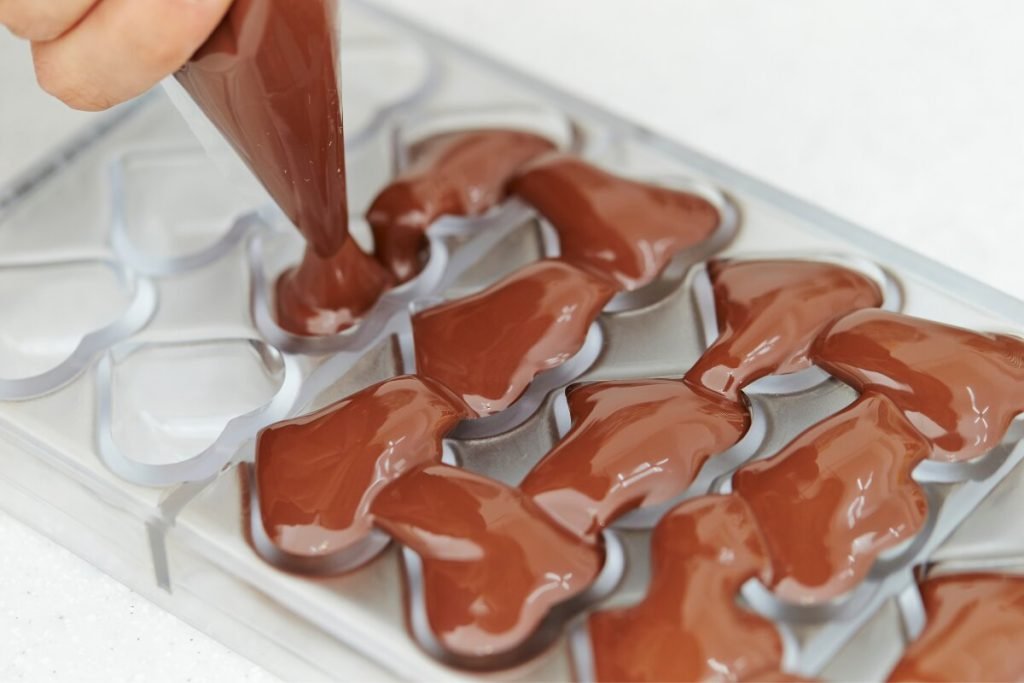
Imagine creating beautiful chocolate creations that not only taste divine but also look stunning. Whether you’re a seasoned chocolatier or just dabbling in the art of chocolate making, choosing the right chocolate for your molds can make all the difference.
You want your chocolate to be smooth, glossy, and perfectly shaped, right? But with so many options out there, how do you know which chocolate is the best for your molds? This guide will unveil the secrets to choosing the best chocolate for your masterpieces, ensuring that every piece you create is a delight to both the eyes and the taste buds.
Let’s dive in and discover how you can elevate your chocolate molding skills with the perfect choice!
Types Of Chocolate For Molding
Choosing the right chocolate for your molds can transform your homemade treats from amateur attempts to professional-looking masterpieces. But how do you know which type of chocolate to use? It’s not just about taste; it’s about texture, appearance, and how well it holds its shape. Let’s dive into the different types of chocolate you can use for molding and discover their unique characteristics.
Dark Chocolate
Dark chocolate is a favorite for many chocolate enthusiasts. It has a rich flavor that’s less sweet than other chocolates. Perfect for those who love a bold taste. Dark chocolate is also known for its glossy finish, making your molded chocolates look stunning. It’s best to use dark chocolate with a higher percentage of cocoa for a firmer structure. Have you ever tried making a dark chocolate mold and noticed how easily it snaps? That’s the magic of high cocoa content. Just remember, if you’re using it for molds, tempering is key to achieving that perfect shine and snap.
Milk Chocolate
Milk chocolate is beloved for its creamy and sweet flavor. It’s often the crowd-pleaser. If you’re making treats for kids or anyone with a sweet tooth, milk chocolate is the way to go. However, its softer texture can sometimes make it tricky for molds. To counter this, you might want to use a milk chocolate with a slightly higher cocoa content for better structure. Have you ever made milk chocolate molds and found them a bit soft? Adjust the cocoa content for a firmer result. You’ll find that patience and experimentation can lead to delightful results.
White Chocolate
White chocolate is different because it doesn’t contain cocoa solids, giving it a distinct flavor and color. It’s perfect for creating visually striking molds, especially when you want to add color. White chocolate molds can be a bit challenging due to their high sugar and milk content, which makes them more prone to overheating. Have you ever tried coloring white chocolate and it turned grainy? It’s crucial to melt it gently and use oil-based colors. This type of chocolate is versatile and can be a canvas for your creativity. Are you ready to experiment?
When choosing chocolate for molds, consider what you want your final product to taste and look like. Each type of chocolate offers different experiences. Which one are you willing to try next? Your homemade chocolates can become a delightful adventure.
Credit: candycoatedrecipes.com
Factors Influencing Chocolate Choice
Choosing the right chocolate for molds can be complex. Different factors influence this choice. These include the chocolate’s flavor, texture, and melting properties. Each element plays a vital role in the final product. Let’s explore these factors in detail.
Flavor Profile
The flavor of chocolate affects the taste of the final product. Milk chocolate offers a sweet and creamy profile. Dark chocolate provides a rich and intense taste. White chocolate delivers a creamy and sweet experience. Choose a flavor that complements your desired outcome.
Texture And Finish
Texture impacts how the chocolate feels in your mouth. Smooth chocolate results in a glossy finish. It creates visually appealing molds. The right texture ensures a pleasant mouthfeel. It makes the chocolate enjoyable to eat.
Ease Of Melting
Chocolate must melt easily for molding. A low melting point is ideal. It ensures the chocolate flows smoothly into molds. Avoid chocolates with additives. They may hinder the melting process. Choose pure chocolate for the best results.
Top Brands For Chocolate Molds
Choosing chocolate for molds requires careful selection. High-quality brands like Callebaut and Valrhona offer smooth textures. These chocolates melt evenly, providing excellent results for detailed designs.
Creating delightful treats with chocolate molds can be a satisfying experience. The key to success is choosing the right chocolate. But with so many brands available, how do you know which one to pick? Here, we’ll look at some top brands known for their exceptional quality, flavor, and ease of use in chocolate molding.Valrhona
Valrhona is a favorite among professional chocolatiers and home enthusiasts alike. Known for its superior quality, Valrhona offers a range of chocolates that melt smoothly and set beautifully in molds. Have you ever used Valrhona’s Caraibe 66% dark chocolate? Its rich, slightly fruity taste could elevate any molded creation you endeavor to craft.Callebaut
Callebaut is another brand that stands out for chocolate molds. Their chocolates are designed to be easy to work with, offering a perfect balance of sweetness and cocoa flavor. Callebaut’s Finest Belgian Dark Chocolate Callets are particularly popular. The small chips make melting a breeze, and the chocolate’s glossy finish is perfect for showcasing detailed molds.Ghirardelli
Ghirardelli chocolates are widely accessible and offer excellent quality. Known for their creamy texture, these chocolates melt effortlessly, making them ideal for molds. Have you tried Ghirardelli’s White Melting Wafers? They are a dream for creating white chocolate molds with a smooth and creamy finish. Choosing the right chocolate is more than just about taste. It’s about how it behaves in molds. Have you considered experimenting with different brands to see which suits your style best? Share your experiences or tips below, and let’s create chocolate magic together!Specialty Chocolate Options
Choosing the right chocolate for your molds can make or break your delicious creations. Specialty chocolate options offer unique flavors and ethical choices that elevate your chocolate-making experience. Whether you’re looking for organic, vegan, or fair trade options, there’s something special for every chocolate enthusiast.
Organic Chocolate
Organic chocolate is made from cocoa beans grown without synthetic fertilizers or pesticides. This choice often brings out richer, more robust flavors in your chocolate molds. When I first tried organic chocolate, I was surprised by the depth of flavor. It felt like tasting chocolate in its purest form. Consider how important natural ingredients are to you and your family. Organic chocolate can be a healthier alternative for those conscious of chemical additives.
Vegan Chocolate
Vegan chocolate skips dairy, making it ideal for those with lactose intolerance or following a plant-based diet. Its creamy texture and delightful taste can rival traditional chocolate. Once, I decided to try vegan chocolate for my molds, and I was amazed by the smoothness and taste. You don’t need to be vegan to appreciate its quality. Have you considered how vegan chocolate might fit into your lifestyle, whether for personal health or ethical reasons?
Fair Trade Chocolate
Fair trade chocolate ensures that cocoa farmers receive fair wages and work under ethical conditions. This choice supports sustainable practices and community development. When I learned about fair trade, I felt more connected to the global community, knowing my choice made a positive impact. You might find the peace of mind from knowing your purchase helps improve lives. What matters more to you, taste or the story behind the chocolate?
Each specialty chocolate option offers something unique. Explore these choices and discover which one aligns with your values and taste preferences. Your molds deserve the best, and specialty chocolates could be the game-changer you’re looking for.
Tips For Working With Chocolate Molds
Choosing quality chocolate is crucial for successful chocolate molding. Opt for couverture chocolate due to its high cocoa butter content, which ensures a smooth, glossy finish. Its superior melting properties make it ideal for detailed molds.
Creating chocolate masterpieces with molds can be a delightful experience, but it requires a bit of finesse and understanding. Whether you’re crafting cute holiday shapes or elegant dessert toppers, the key lies in the technique and choice of chocolate. But what makes one chocolate better than another for molding? Let’s explore some essential tips to help you achieve the perfect chocolate mold.Proper Tempering Techniques
Tempering chocolate is crucial. It ensures the chocolate sets with a glossy finish and a satisfying snap. Invest in a good thermometer to monitor temperature precisely. Start by melting your chocolate gently, allowing it to cool before reheating to the ideal temperature for tempering. This might seem tedious, but the result is worth it. One mistake I made was rushing the process, leading to dull, streaky molds. Patience pays off when it comes to tempering.Avoiding Common Mistakes
Avoid overfilling your molds. Overfilled molds can lead to messy edges and longer setting times. Pour slowly and watch your fill levels. Ensure molds are clean and dry before use. Any moisture can ruin the chocolate’s texture. I learned this the hard way when my bunny molds came out sticky and uneven. Remember, practice makes perfect. What common issues have you faced with chocolate molds?Storage And Shelf Life
Store your molded chocolate in a cool, dry place. Avoid the fridge unless necessary, as it can cause chocolate to bloom, resulting in a dull appearance. Consider airtight containers to prevent exposure to humidity and odors. Proper storage extends the shelf life, allowing you to enjoy or gift your creations longer. Once, I stored my chocolate molds in a cabinet near the oven, which was a big mistake. The heat altered the taste and texture. Where do you store your chocolate creations?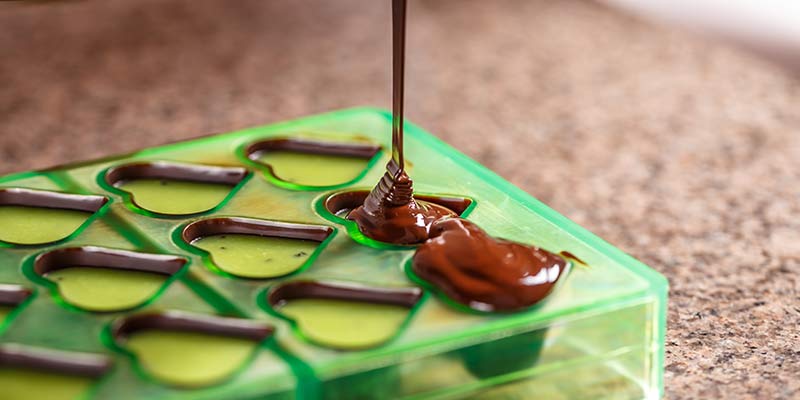
Credit: chocolatiering.com
Choosing Chocolate For Different Mold Types
Choosing the right chocolate for molds depends on the mold type. Silicone molds work best with tempered chocolate for a shiny finish. For plastic molds, use compound chocolate, as it requires no tempering and easily releases from molds.
Choosing the right chocolate for different mold types is essential if you want to create perfect chocolate shapes. Each mold type has its own requirements, and selecting the appropriate chocolate can significantly impact the outcome. Whether you’re working with intricate designs or simple shapes, understanding the characteristics of the chocolate you choose can make all the difference.Complex Mold Designs
When working with complex mold designs, detail is key. Couverture chocolate is a popular choice for these intricate molds. Its high cocoa butter content ensures a smooth and shiny finish. Tempering is crucial here. It maintains the chocolate’s gloss and snap. If you’ve ever struggled to release chocolate from a mold, it might be due to improper tempering. Imagine crafting a delicate rose or an intricate lace pattern. The smoother the chocolate, the better it fills every nook and cranny. Have you tried experimenting with dark chocolate? It holds its shape better and can be more forgiving with detail work.Simple Mold Shapes
Simple mold shapes offer more flexibility. You can use compound chocolate which doesn’t require tempering. This is perfect for those who want ease without compromising on taste. Consider milk chocolate for simple hearts or stars. Its creamy texture and sweetness are often crowd-pleasers. If you’re in a hurry, compound chocolate can save time and still yield delightful results. Think about the satisfaction of popping out perfectly formed squares or circles. It’s the little victories in the kitchen that can brighten your day.Personalized Mold Creations
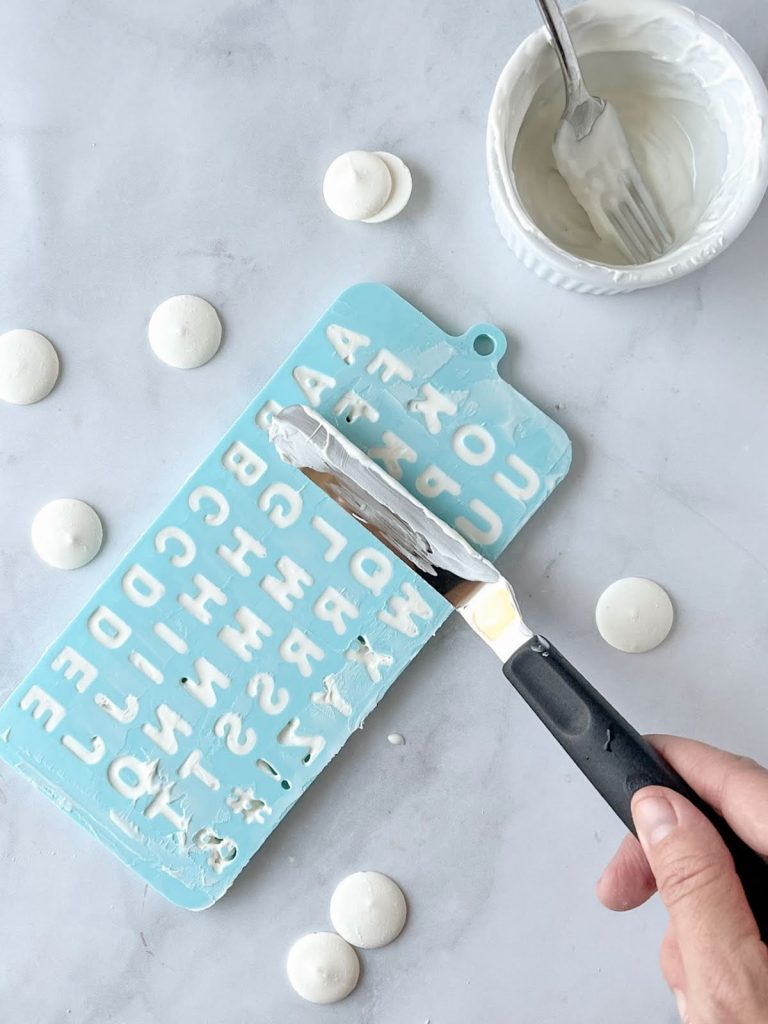
Creating personalized mold designs adds a unique touch to any occasion. White chocolate is a great canvas for adding colors or flavors. It’s versatile and can be easily customized. Have you ever wanted to create a chocolate bar with your name on it? White chocolate allows you to add edible colors or even infuse mint or orange flavors. The possibilities are endless and exciting. Engage your creativity and think outside the box. Personalized molds can turn a simple treat into a memorable experience. What better way to show someone you care than with a chocolate that speaks directly to them? Choosing the right chocolate isn’t just about the final product. It’s also about the joy of experimenting and discovering what works best for you. What will your next chocolate creation be?
Credit: betterbakerclub.com
Frequently Asked Questions
What Type Of Chocolate Is Best For Molds?
The best chocolate for molds is couverture chocolate. It has a high cocoa butter content, which allows for smooth melting and a glossy finish. Couverture chocolate is favored by professionals because it provides a perfect snap and shine in molded chocolates.
Can You Use Regular Chocolate For Molds?
Yes, but it’s not ideal. Regular chocolate lacks the higher cocoa butter content found in couverture chocolate. This can result in less glossy and smooth chocolates. For best results, temper regular chocolate to improve its shine and texture when using molds.
Why Is Tempered Chocolate Preferred For Molds?
Tempered chocolate is preferred because it sets with a glossy finish and firm texture. This process stabilizes the cocoa butter crystals. It ensures a professional look and texture, making it ideal for molded chocolates.
How To Choose Chocolate For Intricate Molds?
Choose fine couverture chocolate for intricate molds. Its high cocoa butter content allows for better flow into detailed designs. This ensures a clean release and defined details, enhancing the visual appeal of your molded chocolates.
Conclusion
Choosing the right chocolate for molds makes a big difference. It ensures your creations look and taste great. Consider chocolate type, melting point, and flavor. Couverture chocolate often works best for its smooth texture. Remember, practice leads to perfection. Experiment with different chocolates.
Find what suits your needs and taste. Quality chocolate enhances your dessert’s appeal. It also boosts your confidence as a home chocolatier. Happy molding!
