
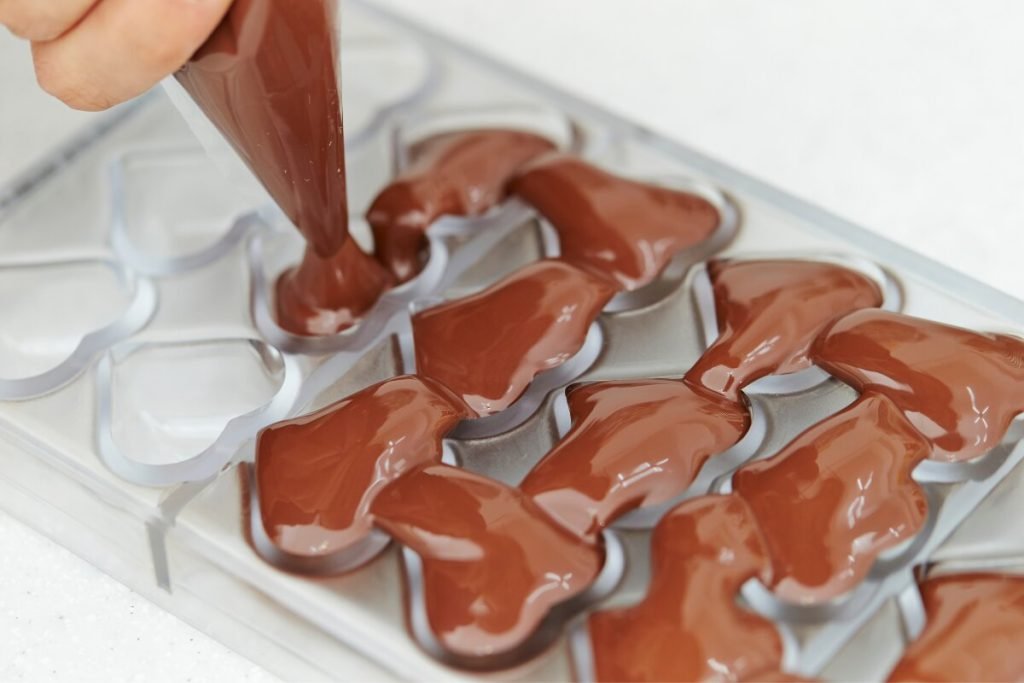
Are you ready to take your chocolate creations to the next level? Picture this: a perfectly molded chocolate, smooth and flawless, that melts delicately in your mouth.
Whether you’re a professional chocolatier or a hobbyist looking to impress your friends and family, choosing the right chocolate for molds is crucial. But with so many options out there, how do you know which one is the best? In this guide, we’ll explore the top choices for mold-friendly chocolate, helping you achieve those picture-perfect treats every time.
Stay with us, and discover the secrets to making your chocolate creations not just good, but irresistible!

Credit: betterbakerclub.com
Types Of Chocolate For Molding
Choosing the right chocolate for molds is crucial for creating beautiful and tasty treats. Different types of chocolate offer varying flavors, textures, and melting properties. Let’s dive into the three main types of chocolate for molding: dark, milk, and white chocolate.
Dark Chocolate
Dark chocolate is a favorite for many mold enthusiasts due to its rich flavor and glossy finish. It contains a higher percentage of cocoa solids and less sugar, giving it a more intense taste. This type of chocolate is ideal for crafting elegant treats that demand a bold flavor profile.
Have you ever tried using dark chocolate for molds? Its sheen and snap can elevate your creations, making them look professionally crafted. However, remember that dark chocolate can be more challenging to work with, as it requires precise tempering to achieve the perfect texture.
Milk Chocolate
Milk chocolate is a crowd-pleaser, offering a creamy texture and sweeter taste. It contains milk solids, which give it a smoother mouthfeel. This chocolate type is perfect for molds that cater to both adults and children, as its sweetness is universally loved.
Imagine crafting delightful heart-shaped chocolates for a wedding using milk chocolate. The added sweetness can enhance the sentiment, making each bite memorable. But, milk chocolate can be less stable in molds, so careful handling is essential to prevent bloom.
White Chocolate
White chocolate, though not technically chocolate, brings a unique flavor and appearance to molded treats. It’s made from cocoa butter and sugar, offering a vanilla-like taste. This type is ideal for adding color and creativity to your chocolates.
Have you ever used white chocolate to create intricate designs? Its neutral color makes it perfect for customization with food coloring. However, its high sugar content means it can scorch easily, so gentle heating is crucial.
With these insights, which chocolate will you choose for your next molding project? Each type has its strengths and challenges, but experimenting with different chocolates can lead to delicious discoveries. Share your experiences and favorite chocolate types in the comments below!
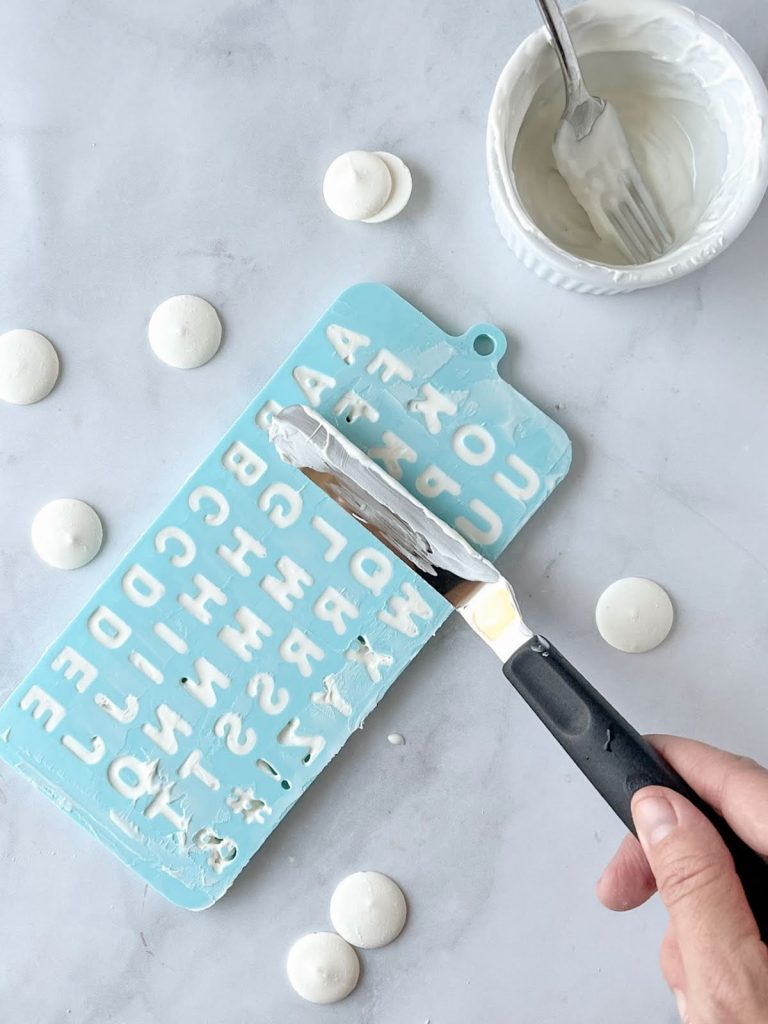
Credit: candycoatedrecipes.com
Key Qualities For Molded Chocolate
Choosing the right chocolate for molds can be a delightful journey. Different chocolates offer various textures and flavors. Each chocolate type has unique qualities. These qualities affect how well the chocolate works in molds. This section explores key qualities for molded chocolate.
Cocoa Content
Cocoa content plays a crucial role in chocolate’s taste and texture. High cocoa content gives a rich and intense flavor. Dark chocolate often contains more cocoa. It offers a robust taste that many love. Lower cocoa content results in milder chocolate. Milk chocolate has less cocoa and a sweeter profile. Choose based on the desired flavor for your molded treats.
Viscosity And Fluidity
Viscosity affects how chocolate flows into molds. Fluid chocolate fills molds easily. It captures detailed shapes and designs. Thick chocolate can be challenging to mold. It might not fill fine details effectively. Aim for chocolate with balanced fluidity. This ensures smooth and even coverage in molds.
Tempering Requirements
Tempering chocolate is essential for shine and snap. Proper tempering stabilizes cocoa butter crystals. This process ensures a glossy finish and firm texture. Chocolate must be tempered before molding. Untempered chocolate can appear dull or grainy. Follow tempering guidelines carefully. This enhances the quality of molded chocolates.
Popular Brands For Molding Chocolate
Choosing the right chocolate for molding can be a game-changer. The process requires chocolate that not only melts smoothly but also sets perfectly. Whether you’re crafting intricate designs or simple shapes, using the best chocolate ensures your creations stand out. Let’s dive into some popular brands that offer excellent chocolate for molds.
Callebaut
Callebaut is a favorite among both amateur and professional chocolatiers. Known for its rich flavor and smooth texture, it melts effortlessly. With Callebaut, you can achieve a glossy finish and solid snap in your molds.
Many find its consistency reliable, especially for detailed designs. The range of cocoa percentages offers flexibility, allowing you to choose between intense dark or creamy milk chocolates.
Have you ever tried molding with Callebaut? It’s surprising how easily it releases from molds, leaving a flawless finish.
Valrhona
Valrhona is synonymous with luxury. This brand prides itself on quality and unique flavor profiles. Valrhona’s chocolate is often used by high-end pastry chefs for good reason.
Its fine texture makes it ideal for delicate and intricate molds. When you use Valrhona, you know your chocolate will have a beautiful sheen and a refined taste.
Imagine unveiling a perfectly molded chocolate that tastes as exquisite as it looks; that’s the Valrhona promise.
Guittard
Guittard is a trusted name in the chocolate world, offering consistent quality and great taste. Many home bakers and professionals alike choose Guittard for its versatility.
It melts smoothly and sets firmly, making it perfect for various mold projects. Whether you’re making truffles or decorative shapes, Guittard delivers reliable results.
Have you ever felt the satisfaction of a perfectly molded chocolate piece? Guittard makes that moment more achievable.
Next time you embark on a chocolate molding adventure, consider these brands. They are popular for a reason: they help create stunning, delicious, and perfectly molded chocolate pieces every time. What brand will you try first?
Choosing Chocolate Based On Mold Type
Choosing the right chocolate for molds can elevate your confectionery game. Each mold type has unique characteristics that influence chocolate selection. Understanding these can lead to stunning results. Let’s explore the best chocolate options for various mold types.
Silicone Molds
Silicone molds are flexible and easy to use. They suit softer chocolates like milk or dark varieties. These chocolates have a smooth texture that releases effortlessly. Ensure your chocolate is well-tempered for a glossy finish.
Polycarbonate Molds
Polycarbonate molds are rigid and offer detailed designs. Choose couverture chocolate for these molds. It contains more cocoa butter, enhancing shine and snap. This type of chocolate captures intricate details beautifully.
Metal Molds
Metal molds are durable and conduct heat efficiently. They require chocolate that can withstand temperature fluctuations. Opt for semi-sweet or dark chocolate. These types maintain structure and texture under varying conditions.
Tips For Successful Chocolate Molding
Choosing the right chocolate is crucial for perfect molds. Opt for couverture chocolate, renowned for its high cocoa butter content, ensuring smooth, glossy finishes. Its meltability and texture are ideal for detailed shapes and intricate designs, creating professional-looking results.
Are you ready to dive into the sweet world of chocolate molding? Whether you’re a seasoned chocolatier or a curious newbie, getting the perfect mold can be a game-changer. Choosing the right chocolate is crucial, but mastering a few techniques can elevate your creations to professional levels. Let’s explore some tips that will ensure your chocolate molds are successful, leaving you with stunning and delicious results.Proper Tempering Techniques
Tempering chocolate is the secret to glossy and smooth molds. It’s about getting the right temperature so your chocolate behaves well. You might have noticed chocolates with a dull surface or white streaks—these are signs of improper tempering. To temper chocolate correctly, melt it gently until it reaches the ideal temperature (usually 113°F for dark chocolate, 110°F for milk chocolate, and 105°F for white chocolate). Stir continuously and cool it down by adding unmelted chocolate pieces or placing it over a cool surface. Your patience here pays off with a shiny finish.Avoiding Air Bubbles
Air bubbles can ruin the perfect look of your chocolate molds. But don’t fret—avoiding them is easier than you think. When pouring chocolate into molds, tap them lightly on the counter. This simple trick helps air escape from the chocolate. Another method is to use a toothpick or skewer to gently pop visible bubbles. Ever tried it? You’ll be amazed at how it transforms your chocolate’s appearance.Cooling And Setting
Do you often rush the cooling process? It might be tempting, especially when you’re eager to see your final product. However, slow and steady wins the race with chocolate molds. Let your filled molds cool at room temperature before refrigerating them. Rapid cooling can lead to condensation, which affects the texture and shine. Have you noticed chocolates getting sticky or not releasing easily? It’s likely due to improper cooling. Patience ensures your chocolate sets perfectly and releases effortlessly from the mold. Embrace these tips, and you’ll soon master the art of chocolate molding. What new chocolate creation will you try next?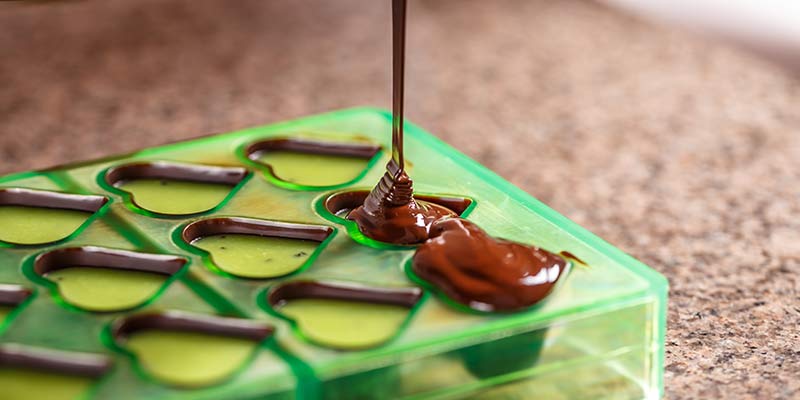
Credit: chocolatiering.com
Expert Recommendations
Choosing the right chocolate for molds can be tricky. Experts have shared their top recommendations to simplify your choice. Whether you’re just starting or a seasoned chocolatier, these suggestions cater to all. You’ll find options that suit your skill level and taste preferences.
Best For Beginners
Beginners should start with compound chocolate. It’s easy to melt and mold. No tempering is needed, which saves time. Brands like Merckens and Wilton offer reliable options. These chocolates set quickly and have a smooth finish. Ideal for those new to chocolate crafting.
Best For Professional Chocolatiers
Professional chocolatiers often prefer couverture chocolate. It has a high cocoa butter content. This gives a glossy finish and a rich taste. Valrhona and Callebaut are top choices in this category. They offer consistent quality, essential for intricate designs. Proper tempering yields the best results.
Best For Unique Flavors
Unique flavors can elevate your chocolate creations. Consider using flavored chocolates like ruby or matcha. These bring a distinct taste and color. Brands like Barry Callebaut offer a wide range of flavors. Experimenting with these can lead to exciting new chocolate experiences.
Frequently Asked Questions
What Chocolate Is Best For Molds?
The best chocolate for molds is couverture chocolate. It contains a higher cocoa butter content, which allows for smooth melting and a glossy finish. This type of chocolate is ideal for creating intricate designs and detailed shapes. Always temper the chocolate for best results.
Can I Use Regular Chocolate For Molds?
Yes, you can use regular chocolate for molds, but it may not have the same glossy finish or snap. Regular chocolate often requires tempering to improve its texture and appearance. Couverture chocolate is generally preferred for achieving professional results with molds.
Why Is Tempering Chocolate Important For Molds?
Tempering chocolate stabilizes the cocoa butter crystals, ensuring a shiny finish and proper texture. It prevents chocolate from becoming dull and crumbly. Tempering is essential for achieving a professional look and ensuring the chocolate releases easily from molds.
How Do I Prevent Chocolate Sticking To Molds?
To prevent chocolate from sticking, ensure molds are clean and completely dry. Properly tempered chocolate will naturally release from molds. Additionally, chilling the molds slightly before use can help. Avoid using excessive force, as gentle tapping can encourage release.
Conclusion
Choosing the right chocolate for molds enhances your creations. Consider taste, texture, and melting properties. Couverture chocolate offers smooth melting and rich flavor. Compound chocolate is budget-friendly, easy to use, and doesn’t require tempering. Always opt for high-quality brands for consistent results.
Experiment with different types to find your favorite. Remember, practice makes perfect. Molded chocolates are a delightful treat and a fun hobby. Try different shapes and designs. Let your creativity shine. Enjoy the process and savor the sweet rewards. Your homemade chocolates will impress family and friends every time.
