
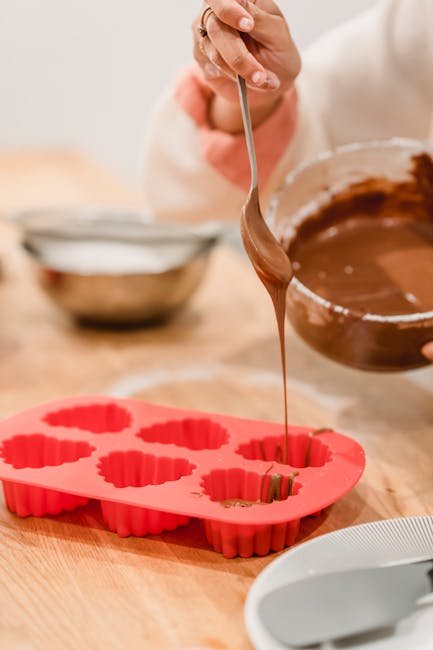
Have you ever tried to make chocolate molds, only to end up with a lumpy mess instead of smooth, glossy shapes? You’re not alone.
Choosing the right chocolate for melting can make all the difference in your candy-making endeavors. Whether you’re crafting intricate designs or simple shapes, using the best chocolate ensures that your creations not only look stunning but also taste divine. Imagine the satisfaction of effortlessly popping out perfectly molded chocolates that impress your friends and family.
But how do you know which chocolate to choose? We’ll unravel the secrets behind selecting the ideal chocolate for melting, so you can create mouthwatering treats that are as beautiful as they are delicious. Keep reading to discover how to transform your chocolate molding experience from frustrating to fabulous.

Credit: candycoatedrecipes.com
Choosing Chocolate For Molds
Molding chocolate can be a delightful task. Choosing the right chocolate is crucial for your creations. The texture and taste should be perfect. Melted chocolate must flow smoothly into molds. It must set well without losing its shine. Different chocolates have different properties. Learn how to pick the best one.
Factors To Consider
Several factors affect chocolate selection. Cocoa content is vital. It influences melting and taste. Higher cocoa gives a richer taste. Consider the sweetness level. Some chocolates are very sweet. Others are bitter. Choose based on personal preference. Check the melting point. Easier melting leads to smoother molds. Avoid chocolates that burn easily.
Consistency matters too. Smooth chocolate fills molds better. Lumpy chocolate ruins the shape. Think about the finish. Shiny chocolate looks more appealing. Dull chocolate may not impress. Shelf life is also important. Longer shelf life means less waste. Consider allergies. Some chocolates contain nuts or dairy. Always read labels carefully.
Types Of Chocolate
There are several types of chocolate. Each has unique qualities. Dark chocolate is popular for its rich flavor. It has high cocoa content. It melts smoothly and sets firmly. Milk chocolate is sweeter. It contains more sugar and milk. Its texture is softer. White chocolate is different. It contains no cocoa solids. It melts easily but needs gentle handling.
Couverture chocolate is ideal for molds. It has a high cocoa butter content. This makes it perfect for melting. It creates a glossy finish. Compound chocolate is another option. It uses vegetable fats instead of cocoa butter. It’s less expensive but lacks richness. Choose based on your needs and budget.
Dark Chocolate
Dark chocolate with high cocoa content is ideal for melting in molds. Its smooth texture and rich flavor ensure perfect results. Choose quality brands for better melting performance and lasting taste.
Dark chocolate is a popular choice for those looking to create stunning chocolate molds. Its rich flavor and glossy finish can elevate your creations to a whole new level. But choosing the best dark chocolate for melting isn’t always straightforward. You might have asked yourself, “Why does my chocolate sometimes seize or clump?” It often boils down to the type of chocolate you use.Benefits For Molding
Dark chocolate offers several advantages for molding. Its high cocoa content gives a robust flavor that pairs well with a variety of fillings. The absence of milk solids results in a smoother, shinier finish, perfect for intricate designs. Also, dark chocolate has a higher melting point, making it easier to handle without losing its temper. Have you ever noticed how some chocolates cool with a dull finish? This is less common with dark chocolate, which tends to maintain a beautiful sheen.Top Brands Recommended
When choosing dark chocolate for molds, quality matters. Brands like Valrhona and Callebaut are often recommended by professionals for their consistency and taste. Valrhona offers a range of dark chocolates with varying cocoa percentages, allowing you to select the perfect balance for your molds. Callebaut, known for its smooth texture, is ideal if you are looking for something that melts evenly without clumping. Another great choice is Ghirardelli, which provides a rich, intense flavor that complements most fillings. Have you tried experimenting with any of these brands? Each offers a unique taste profile that can transform your chocolate creations from ordinary to extraordinary.Milk Chocolate
Selecting milk chocolate ensures a smooth melting process for molds. Its creamy texture helps in crafting perfect shapes. A favorite choice among chocolatiers for its ease of use and delightful taste.
Milk chocolate is often the go-to choice when it comes to creating delightful confections. Its smooth texture and rich flavor make it a favorite among chocolatiers and home bakers alike. If you’re planning to use milk chocolate for molds, there are a few key points to consider to achieve the best results.Ideal Uses In Molds
Milk chocolate is perfect for creating intricate designs and detailed shapes in molds. Its creamy consistency allows it to flow smoothly, filling every nook and cranny. This quality makes it ideal for making seasonal treats, like Easter bunnies or Christmas ornaments, where detail is key. You might also find milk chocolate useful for filled chocolates. The mild sweetness pairs well with a variety of fillings, such as caramel or nuts, creating a balanced treat. Imagine the delight in someone’s eyes when they bite into a beautifully molded, milk chocolate-covered surprise. Have you tried making chocolate lollipops with milk chocolate? These fun treats are easy to make and are always a hit at parties. The versatility of milk chocolate allows you to experiment with different shapes and decorations.Popular Choices
When looking for the best milk chocolate to melt for molds, some brands stand out due to their quality and taste. Callebaut is a popular choice among professionals for its smooth melting properties and rich cocoa flavor. Its easy-to-use format is perfect for both beginners and seasoned chocolatiers. Ghirardelli is another favorite, offering a variety of milk chocolate options that melt perfectly for molds. Its chocolate wafers are designed for melting, making them an accessible choice for home baking enthusiasts. Have you ever considered using Lindt milk chocolate? Known for its luxurious taste, Lindt offers a velvety texture that is ideal for creating decadent chocolate molds. Its superior meltability ensures a glossy finish that enhances the presentation of your chocolates. Choosing the right milk chocolate can elevate your chocolate-making experience. Does the brand you choose really make a difference in the final product? Absolutely, and experimenting with different options can help you find your personal favorite. Whether you’re crafting for a special occasion or just for fun, the right milk chocolate will make all the difference in your sweet creations.White Chocolate
White chocolate melts smoothly for molds due to its high cocoa butter content. This makes it ideal for creating detailed shapes. Its creamy texture and sweet flavor enhance any dessert.
White chocolate is a favorite for many chocolate enthusiasts. Its creamy texture and sweet taste make it ideal for molds. This type of chocolate differs from milk or dark chocolate. It contains cocoa butter, sugar, and milk solids. The absence of cocoa solids makes it unique. This gives it a pale color and smooth flavor. White chocolate is versatile and works well in various culinary creations.Advantages In Molding
White chocolate has several advantages in molding. It melts smoothly, making it easy to pour into molds. Its creamy texture ensures a flawless finish. This chocolate hardens quickly, maintaining the shape of the mold well. Its neutral taste pairs well with other flavors. You can add color to white chocolate easily. This is useful for decorative purposes. The chocolate provides a bright canvas for creative designs.Expert Picks
Choosing the right white chocolate is crucial. Experts recommend high-quality brands for the best results. Callebaut white chocolate is a popular choice. It offers excellent melting properties. Lindt white chocolate is another expert favorite. It provides a rich and creamy texture. Valrhona white chocolate is loved for its smooth consistency. Each of these brands ensures superior quality and taste.Specialty Chocolates
When choosing the best chocolate to melt for molds, specialty chocolates offer exciting options. These chocolates cater to specific dietary preferences and ethical considerations. Whether you’re vegan, prefer organic treats, or have other unique requirements, there’s a perfect chocolate waiting for you.
Vegan Options
Have you ever tried vegan chocolate? It’s a game-changer for those who prefer plant-based diets. Vegan chocolates are crafted without dairy, making them ideal for melting into molds.
Brands like Enjoy Life and Hu Chocolate offer rich, creamy flavors that melt smoothly. They don’t compromise on taste or texture. Your vegan chocolate creation can be as delicious as any traditional dessert.
Next time you look for chocolate, consider vegan options. You’ll be amazed at how seamlessly they fit into your recipes. Why not try a vegan chocolate mold for your next gathering?
Organic Selections
Organic chocolates are becoming increasingly popular among health-conscious individuals. These chocolates are made from ingredients grown without pesticides or synthetic fertilizers.
Brands such as Green & Black’s and Alter Eco are known for their organic selections. When melted, they offer a pure and robust flavor that’s perfect for crafting intricate molds.
Choosing organic chocolate isn’t just about health benefits. It’s also a way to support sustainable farming practices. Have you ever considered how your chocolate choice impacts the environment?
Next time you’re melting chocolate for molds, explore specialty chocolates. They offer unique flavors and ethical benefits that elevate your culinary creations. What specialty chocolate will you choose for your next masterpiece?
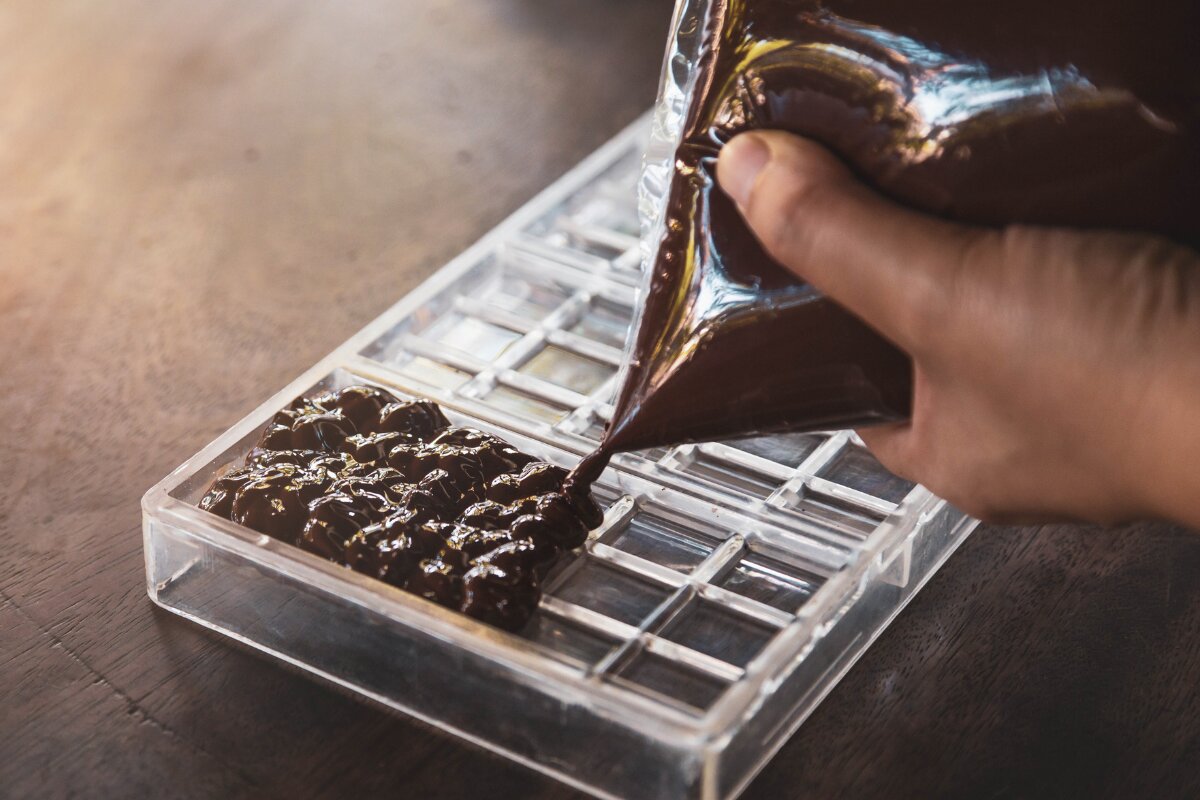
Credit: www.cocoterra.com
Melting Techniques
Choosing the best chocolate for molds requires proper melting techniques. Melting chocolate can be tricky. It can burn or seize if not done right. So, mastering these techniques ensures smooth, shiny results.
Double Boiler Method
The double boiler method is a gentle way to melt chocolate. Fill a pot with water. Bring it to a simmer, not a boil. Place a heatproof bowl on top. The bowl should not touch the water. Add chopped chocolate to the bowl. Stir gently as it melts. This method prevents scorching. It keeps the chocolate smooth and creamy.
Microwave Melting
Microwave melting is quick and easy. Place chopped chocolate in a microwave-safe bowl. Set the microwave on low power. Heat the chocolate in 30-second intervals. Stir after each interval. This helps distribute the heat evenly. Continue until the chocolate is smooth. Be careful not to overheat. It can cause the chocolate to seize.
Tips For Perfect Molds
Choosing the right chocolate is key for perfect molds. Opt for couverture chocolate due to its high cocoa butter content. This melts smoothly and provides a glossy finish, ideal for detailed molds.
Creating the perfect chocolate molds is both an art and a science. With just a few tricks up your sleeve, you can achieve those glossy, professional-looking chocolate creations you’ve always admired. Whether you’re a beginner or a seasoned chocolatier, these tips will guide you to success.Temperature Control
One of the most critical factors in molding chocolate is maintaining the right temperature. If the chocolate is too hot, it can become grainy or burnt. Too cold, and it won’t pour smoothly. Keep a thermometer handy. Aim for a melting range of 104°F to 113°F (40°C to 45°C). This ensures that the chocolate is fluid enough to fill every detail of your mold. Remember, patience is key. It’s tempting to rush, but allowing the chocolate to cool slightly before pouring helps in achieving a smooth finish.Avoiding Common Mistakes
Let’s face it, mistakes happen. But with a bit of foresight, you can dodge the most common pitfalls. Always make sure your molds are dry. Even a drop of water can cause chocolate to seize and ruin your batch. Use high-quality chocolate. It might be tempting to use the cheaper options, but they often contain fillers that don’t melt smoothly. Practice makes perfect. Don’t be discouraged by initial failures. With each attempt, you’ll learn something new. What unexpected challenges have you faced in your chocolate molding journey? Share your experiences, and let’s learn together! By understanding these essential tips, you’re on your way to crafting the chocolate molds you’ve always dreamed of. Happy molding!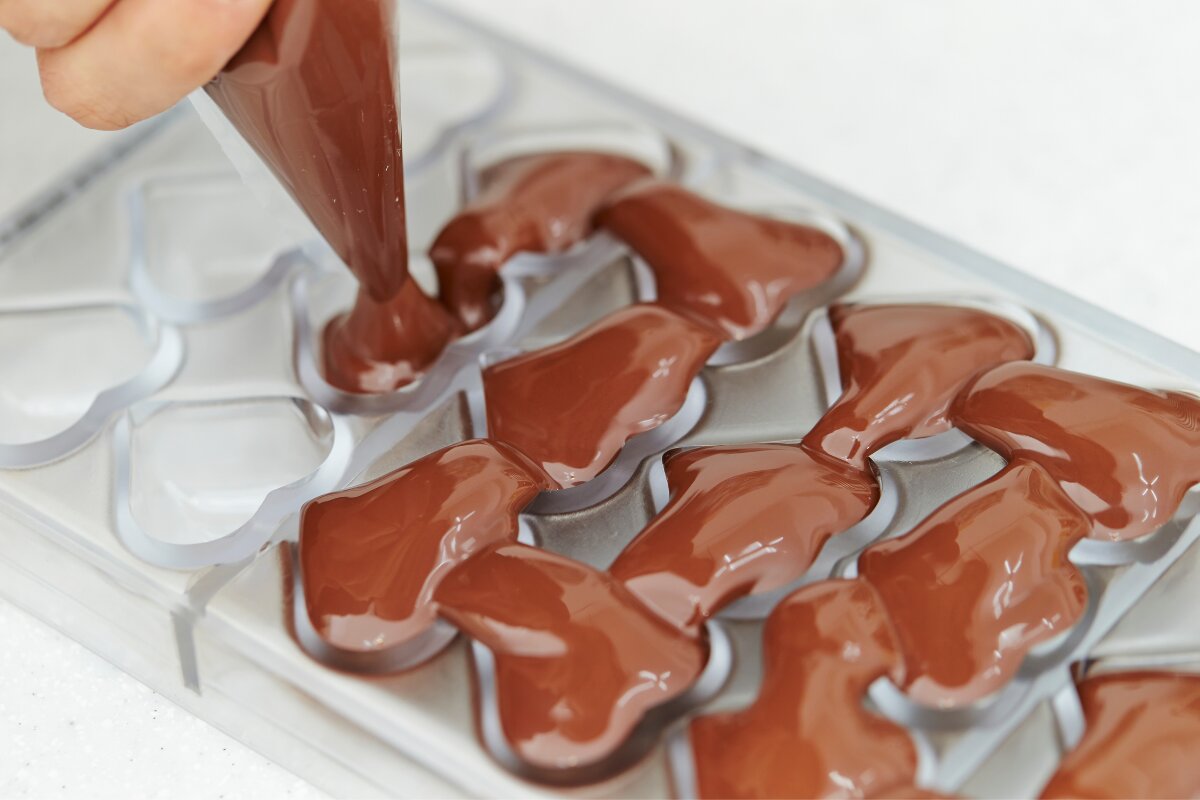
Credit: www.cocoterra.com
Frequently Asked Questions
What Chocolate Is Best For Melting In Molds?
Couverture chocolate is ideal for melting in molds. It contains a higher cocoa butter content, ensuring a smooth and glossy finish. This type of chocolate melts evenly, making it perfect for creating detailed shapes. Always temper couverture chocolate for the best results in molds.
Can I Use Chocolate Chips For Molds?
Using chocolate chips for molds isn’t recommended. They’re designed to hold their shape when baked. They lack the necessary cocoa butter content for a smooth finish. If you must use them, add cocoa butter or shortening. This will help improve their melting consistency and finish.
How Do I Temper Chocolate For Molds?
Tempering involves melting chocolate to a specific temperature. Cool it down and then warm it slightly. This ensures a shiny, crisp finish. Use a thermometer for accuracy. Tempered chocolate is more stable and has a better texture when set.
Is Dark Chocolate Suitable For Molds?
Dark chocolate is suitable for molds if tempered correctly. Its rich flavor and glossy finish make it popular. Ensure it has a high cocoa butter content. This helps achieve the best results in detailed molds. Always temper dark chocolate for a professional look.
Conclusion
Choosing the right chocolate makes a big difference in melting success. Quality matters. Opt for chocolate with a high cocoa butter content. It melts smoothly and sets well in molds. Avoid chocolates with additives. They can affect texture and flavor.
Practice makes perfect. Experiment with different brands. Find your favorite for the perfect mold. Remember, patience is key. Melt slowly to avoid burning. Enjoy the process. Molded chocolates can be a delightful treat. Share them with loved ones. Happy chocolate melting!
