
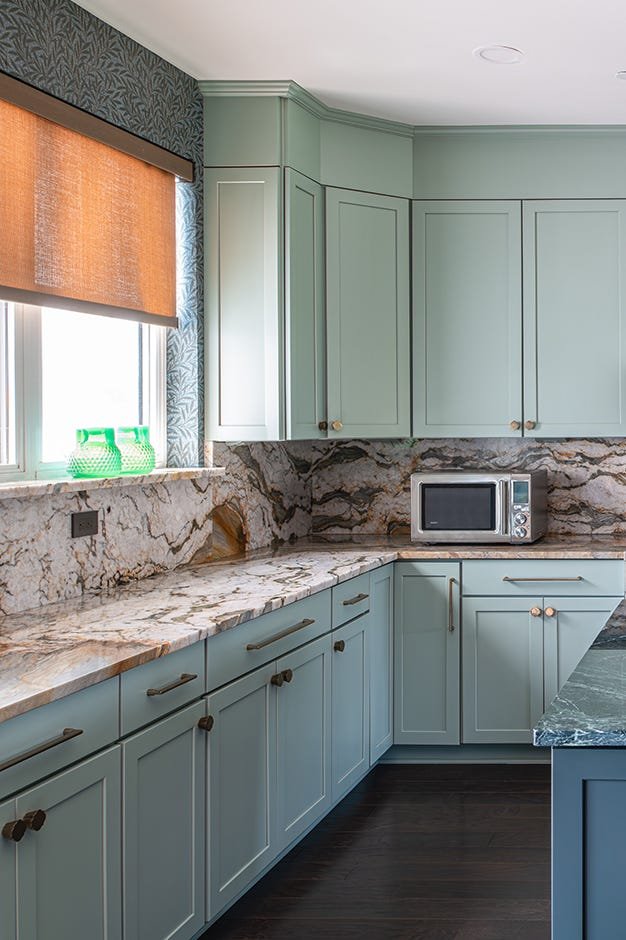
Choosing the best color for your kitchen can change the entire feel of your home. You want a color that makes cooking enjoyable, invites warmth, and matches your style.
But with so many options, how do you pick the right one? This guide will help you discover colors that boost your mood, make your kitchen look bigger, and even increase your appetite. Keep reading to find the perfect shade that turns your kitchen into your favorite space.
Choosing Kitchen Colors
Choosing the right colors for your kitchen can transform the space from ordinary to extraordinary. It’s not just about aesthetics; the colors you choose can affect the mood and functionality of the room. As the heart of the home, the kitchen deserves thoughtful color selection that resonates with your style and complements your daily activities. But how do you decide which colors work best?
Popular Kitchen Color Trends
In recent years, kitchen color trends have been leaning towards a mix of timeless and bold choices. Neutral palettes such as whites, grays, and creams continue to be popular for their versatility and ability to make spaces feel larger and more open. However, vibrant hues like navy blue, forest green, and even shades of pink are making waves for those looking to add personality and drama.
Consider the trend of two-tone cabinets, where upper cabinets are a different color from lower ones. This can create visual interest and depth, allowing you to play with contrasting colors while maintaining a cohesive look. Are you daring enough to try a pop of color on your kitchen island or backsplash?
Color Psychology In Kitchens
Colors can influence emotions and behaviors, making color psychology a crucial consideration in kitchen design. Warm colors like red and yellow are said to stimulate appetite and conversation, making them great choices for an inviting kitchen space. On the other hand, cool colors like blue and green can evoke calmness and relaxation, perfect for a tranquil cooking environment.
Think about how you want to feel in your kitchen. If you enjoy entertaining, warmer colors might encourage lively gatherings. If you’re more focused on creating a serene cooking oasis, cooler shades could be your best bet. How do you want your kitchen to make you feel?
Matching Colors With Kitchen Style
Your kitchen’s style should guide your color choices, ensuring harmony and coherence. A modern kitchen often benefits from sleek, monochromatic schemes, incorporating shades of black, white, or gray. For a rustic or farmhouse style, earthy tones like sage green, terracotta, and wood accents can create a cozy atmosphere.
If you have a traditional kitchen, classic colors like ivory and soft pastels could be perfect to maintain an elegant feel. Meanwhile, eclectic kitchens thrive on bold combinations and contrasting colors. Reflect on your kitchen’s style and consider how color can enhance its character and charm.
Bold Vs Neutral Tones
Choosing between bold and neutral tones for your kitchen can shape the entire mood and functionality of the space. Bold colors grab attention and inject energy, while neutral shades create a calm, timeless backdrop. Understanding the strengths of each option helps you decide what fits your lifestyle and design goals best.
Benefits Of Bold Colors
Bold colors like vibrant reds, deep blues, or sunny yellows bring personality to your kitchen. They can make the space feel lively and inviting, perfect if you enjoy entertaining or cooking with passion.
Using bold tones also hides stains and wear better than lighter colors. This means less worry about spills or scratches showing up quickly.
Have you noticed how a splash of bright color can instantly lift your mood? That’s the power of bold hues—they create energy and excitement where you need it most.
When To Use Neutral Shades
Neutral colors such as whites, grays, and soft beiges offer a versatile and clean look. They make your kitchen appear bigger and brighter, ideal if natural light is limited.
Neutrals act as a blank canvas, allowing you to swap out accessories or appliances without clashing with the walls. This flexibility keeps your kitchen feeling fresh over time.
If you prefer a serene environment that promotes focus while cooking or dining, neutral shades help maintain that calm atmosphere effortlessly.
Combining Bold And Neutral
Mixing bold and neutral tones balances energy and calmness in your kitchen. For instance, painting one wall a bold color while keeping cabinets or counters neutral adds interest without overwhelming the space.
You can also add bold accents through backsplash tiles, bar stools, or kitchenware against a neutral background. This approach lets you experiment with color without committing to it fully.
Think about your daily kitchen use—would you benefit from the stimulating effect of bold colors paired with the steadiness of neutrals? Combining them can create a kitchen that feels both dynamic and welcoming.
Light And Space Effects
Light and space play a big role in choosing kitchen colors. The right color can make the kitchen feel larger and brighter. It can also create a cozy or lively mood. Understanding how colors affect light and space helps pick the best shade for any kitchen size.
Colors That Brighten Small Kitchens
Light colors open up small kitchens. Whites, soft creams, and pale grays reflect natural light well. These colors make walls and cabinets feel less crowded. Pastels like light blue or mint green add a fresh look. Avoid dark shades in small spaces; they absorb light and shrink the room visually.
Creating Warmth With Color
Warm colors bring a cozy feeling to kitchens. Shades like soft yellows, warm beige, and gentle oranges add comfort. These colors make the kitchen inviting and lively. Use warm tones on walls or accents for a friendly atmosphere. Balance warmth with enough light colors to keep the space open.
Using Color To Define Zones
Color can separate kitchen areas clearly. Use different colors for cooking, eating, and storage zones. For example, paint the cooking area in a bold color. Choose softer shades for dining or relaxation spots. This helps organize the space visually and improves flow. Color zoning makes the kitchen more functional and attractive.

Credit: www.goodhousekeeping.com
Materials And Finishes
Materials and finishes shape the look and feel of your kitchen. They influence color choices and create a lasting impression. Choosing the right paint, cabinet colors, and backsplash tones can enhance your kitchen’s style and mood.
Paint Types For Kitchen Walls
Kitchen walls need paint that handles moisture and stains well. Satin and semi-gloss paints offer a smooth finish and easy cleaning. Matte paints hide imperfections but may stain easily. Consider paint with mildew resistance for durability. Light colors make small kitchens feel bigger. Dark colors add warmth but show marks more.
Color Impact On Cabinets And Countertops
Cabinet colors set the kitchen’s tone. White cabinets create a clean, bright space. Dark cabinets add a rich, cozy feel. Countertops come in many shades and materials. Light countertops brighten the room and hide dust. Dark countertops look sleek but may show water spots. Matching cabinet and countertop colors creates harmony. Contrasting colors add visual interest and depth.
Incorporating Backsplash Colors
The backsplash ties the kitchen’s colors together. Neutral backsplashes blend well with many designs. Bold colors add a pop and highlight the space. Patterns and textures bring character and style. Choose backsplash colors that complement cabinets and walls. Tiles with gloss reflect light and brighten the area. Matte tiles give a soft, understated look.
Color Maintenance Tips
Choosing the best color for your kitchen is only part of the challenge. Maintaining that color so it stays fresh and vibrant requires some attention and care. Knowing how to handle wear and tear, clean properly, and avoid common pitfalls can keep your kitchen looking great for years.
Durable Colors For High Traffic
Colors like deep blues, charcoal grays, and warm taupes tend to hide dirt and scuffs better than lighter shades. If your kitchen sees a lot of action, these colors will save you from constant touch-ups. Think about your lifestyle—do kids often spill or do you cook frequently? Choosing a color that stands up to your kitchen’s traffic can reduce maintenance effort.
Cleaning And Touch-up Advice
Use gentle, non-abrasive cleaners to protect your paint finish. A soft cloth with mild soap usually does the trick without stripping color. Keep a small touch-up kit of your paint handy; quick fixes on chips or scratches prevent them from becoming bigger problems. Have you noticed how small touch-ups can instantly refresh your kitchen’s look?
Avoiding Common Color Mistakes
Bright whites and very pale colors often show stains and wear quickly, requiring more upkeep. Be cautious about shiny finishes in high-use areas—they highlight fingerprints and smudges. Also, avoid trendy colors that might lose appeal fast, leading to premature repainting. Does your color choice make cleaning easier or harder? This question can guide you toward smarter decisions.

Credit: www.goodhousekeeping.com

Credit: www.goodhousekeeping.com
Frequently Asked Questions
What Color Makes A Kitchen Look Bigger?
Light colors like white, cream, and pastel shades make kitchens look larger. They reflect more light, creating an open, airy feel. Using these colors can enhance natural light and visually expand small kitchen spaces.
Which Kitchen Color Boosts Appetite And Energy?
Warm colors such as red, orange, and yellow stimulate appetite and energy. These hues create a lively, welcoming atmosphere, perfect for social cooking and dining areas. Use them as accents or main colors to energize your kitchen.
Are Neutral Colors Good For Kitchen Walls?
Yes, neutral colors like beige, gray, and taupe offer versatility and timeless appeal. They easily match cabinets, appliances, and decor. Neutrals create a calm, balanced kitchen space and allow flexibility for future style updates.
How To Choose The Best Kitchen Color For Resale?
Choose neutral, popular colors like whites, grays, or soft blues for resale. These shades appeal to a broad audience and make the kitchen look clean and modern. Avoid bold or personalized colors to attract more buyers.
Conclusion
Choosing the best kitchen color depends on your style and mood. Soft colors create a calm and cozy space. Bright colors add energy and cheerfulness. Dark shades bring warmth and elegance. Think about light and space in your kitchen too.
Your choice should make you feel happy every day. A well-chosen color can change how your kitchen feels. Trust your taste and enjoy the process. Your kitchen’s color tells your story. Simple and thoughtful choices work best.
