
Choosing the best flooring for your kitchen isn’t just about looks—it’s about comfort, durability, and making your daily life easier. You spend a lot of time in this space, so your floors need to stand up to spills, heavy foot traffic, and endless cooking adventures.
But with so many options out there, how do you know what’s right for you? You’ll discover the top kitchen flooring choices, their pros and cons, and how to pick the perfect fit for your style and needs. Keep reading, and by the end, you’ll feel confident about making the best decision for your kitchen floor.
Durability Factors In Kitchen Flooring
Durability in kitchen flooring depends on water resistance, scratch toughness, and easy cleaning. Materials like tile, vinyl, and hardwood offer strong performance for busy kitchens. Choosing the right floor ensures long-lasting use and a neat appearance.
Durability is key in kitchen flooring. Floors handle daily activities and heavy foot traffic. Choosing a durable option ensures long-lasting performance and minimal repairs.Wear And Tear Resistance
Kitchen floors face constant movement. High heels, pet claws, and dropped utensils can damage surfaces. Materials like vinyl or tile withstand these challenges. They offer excellent wear resistance. Hardwoods may scratch, but treated versions can last longer. Consider thickness and quality for added protection.Water And Stain Resistance
Spills are common in kitchens. Water and food stains can ruin floors. Waterproof flooring is ideal for kitchens. Options like ceramic tile and luxury vinyl repel water. They prevent damage from moisture and stains. Laminates with protective layers can resist most spills. Ensure joints are sealed to keep water at bay.Maintenance Requirements
Simple maintenance saves time and effort. Some floors need regular polishing or sealing. Others require occasional sweeping and mopping. Vinyl and tile need minimal upkeep. Their surfaces are easy to clean and maintain. Wood floors need more care, but proper treatment can extend their life. Choose materials that fit your lifestyle and cleaning routine.Popular Flooring Materials
Choosing the right flooring for your kitchen is essential because it affects both the look and functionality of the space. Popular flooring materials offer a mix of durability, style, and ease of maintenance. Understanding the pros and cons of each option can help you find the perfect fit for your kitchen’s unique needs.
Ceramic And Porcelain Tiles
Ceramic and porcelain tiles are top choices for kitchen floors due to their durability and water resistance. They come in a wide variety of colors, patterns, and textures, giving you plenty of design freedom.
These tiles are easy to clean, making spills and stains less of a worry. However, they can feel cold and hard underfoot, so consider adding rugs or mats in busy areas.
Hardwood Options
Hardwood flooring brings warmth and natural beauty to your kitchen. It ages gracefully and can be sanded and refinished multiple times to keep it looking fresh.
Keep in mind that wood is sensitive to moisture, so spills should be cleaned quickly to avoid damage. Are you ready to balance elegance with a bit of extra care?
Vinyl And Linoleum
Vinyl and linoleum floors are budget-friendly and surprisingly resilient. They handle moisture well and provide a softer feel underfoot compared to tile or wood.
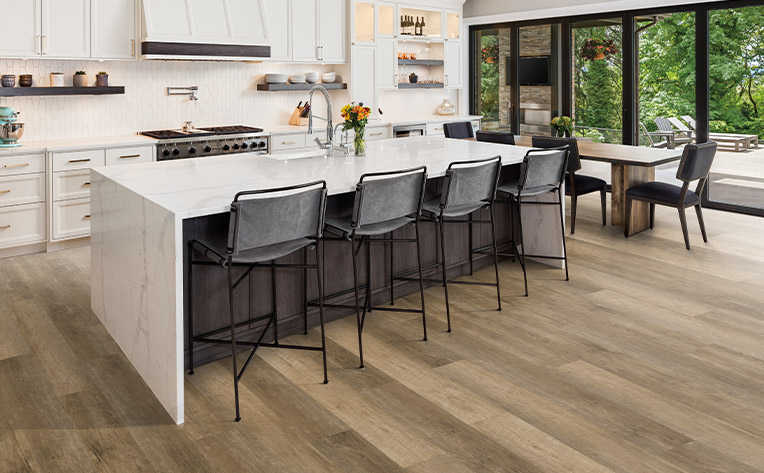
Modern vinyl comes in realistic wood and stone patterns, allowing you to achieve a high-end look without breaking the bank. Think about how much time you want to spend on maintenance when choosing this option.
Natural Stone Choices
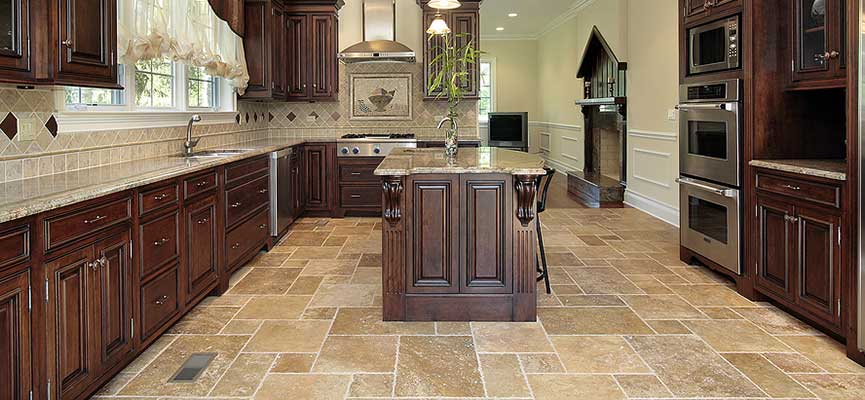
Natural stone like granite, slate, or marble adds a luxurious and timeless touch to kitchens. Each stone has unique patterns that make your floor one of a kind.
Stone is strong but can be porous, so sealing is necessary to prevent stains. If you enjoy the idea of a natural look and don’t mind some upkeep, stone may be ideal for you.
Laminate Flooring
Laminate is a practical option that mimics the appearance of wood or stone at a lower cost. It’s easy to install and clean, making it a favorite for busy households.
While laminate resists scratches and stains, it doesn’t hold up well to standing water. Ask yourself if your kitchen environment matches laminate’s strengths before deciding.
Stylish Flooring Trends
Choosing the right kitchen flooring means balancing style and function. Stylish flooring trends bring fresh ideas that make kitchens look modern and welcoming. These trends focus on patterns, colors, textures, and mixing materials. They help create a unique space that fits any home design.
Patterns And Colors
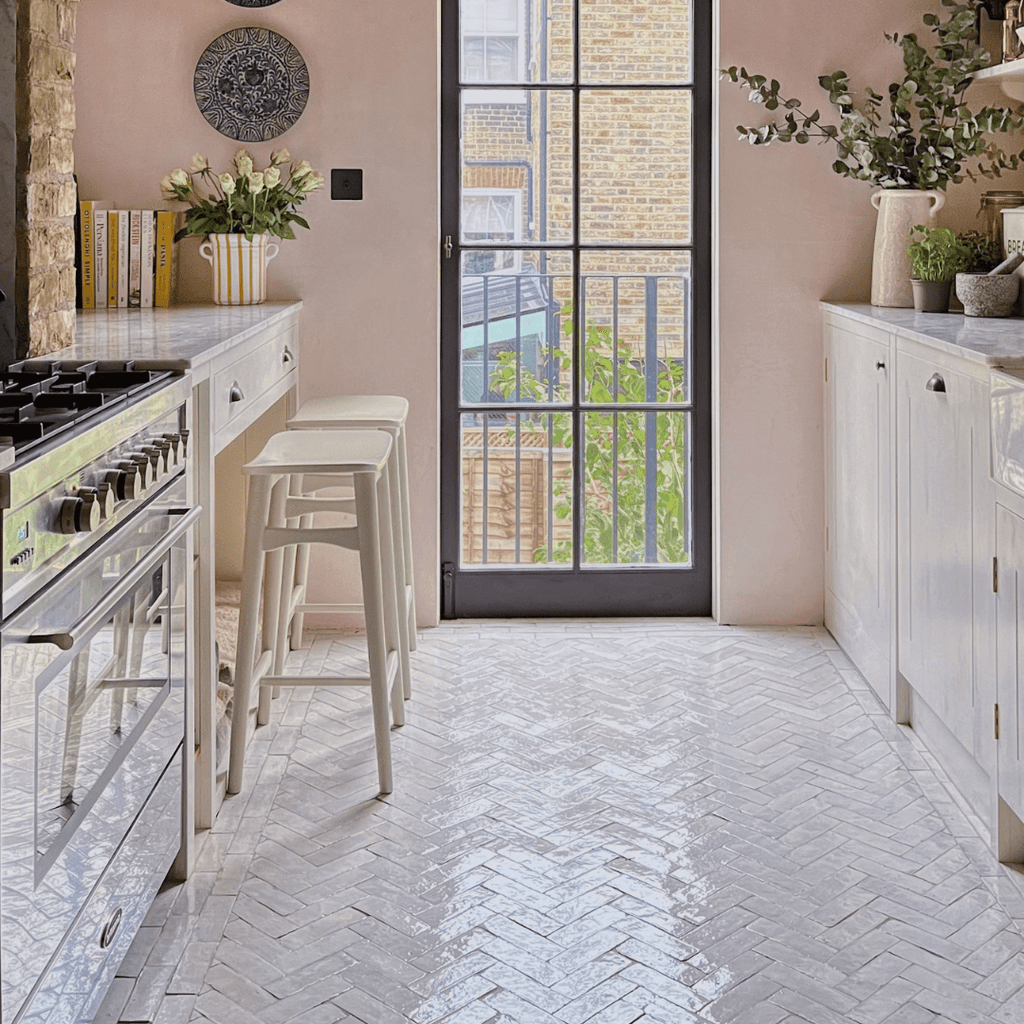
Bold patterns bring energy to kitchen floors. Geometric shapes, chevron, and herringbone designs are popular choices. They add movement and interest without overwhelming the space. Soft pastel colors create a calm and airy feel. Darker tones like navy or charcoal offer a strong contrast and a modern vibe.
Color combinations like black and white or earth tones work well. They fit many kitchen styles from classic to contemporary. Patterns and colors give personality and charm to kitchen floors.
Textured And Matte Finishes
Textured floors add depth and prevent slipping. Matte finishes reduce glare and hide dirt better than shiny surfaces. These finishes feel natural and warm underfoot. They suit kitchens with rustic or industrial styles.
Textured tiles or wood planks bring a tactile experience. Matte floors create a soft, inviting look. Both finishes improve safety and comfort in busy kitchens.
Mixing Materials For Design
Combining different flooring materials creates a stylish contrast. For example, pairing wood with tile or stone can define areas within the kitchen. This mix adds visual interest and breaks monotony.
Use durable tiles near cooking zones and warm wood in dining spaces. Mixing materials allows flexibility in design and function. It also highlights key parts of the kitchen creatively.

Credit: www.arkoflooring.com
Budget Considerations
Choosing the right kitchen flooring depends a lot on budget considerations. Knowing how costs add up helps make a smart choice. Budget affects not just the floor material but also installation and maintenance. Balancing price with quality ensures satisfaction and durability.
Initial Costs
Initial costs include buying the flooring material. Some materials like vinyl and laminate cost less. Hardwood and natural stone usually have higher prices. Price differences can be large depending on style and brand. Setting a clear budget helps narrow down options quickly.
Long-term Value
Long-term value focuses on durability and maintenance costs. Durable floors save money over time by needing fewer repairs. Some floors resist stains and scratches better. Easy-to-clean surfaces reduce cleaning expenses and effort. Choosing floors with a longer lifespan protects your investment.
Installation Expenses
Installation costs vary by flooring type and complexity. Simple floors like vinyl have lower installation fees. Complex materials like tile or hardwood may require skilled labor. Removing old flooring adds to the cost. Getting multiple quotes helps find the best price for installation.
Comfort And Safety
Comfort and safety are top priorities when choosing the best flooring for your kitchen. This space sees a lot of foot traffic, spills, and long hours spent cooking or cleaning. Selecting flooring that supports your well-being can make a huge difference in your daily kitchen experience.
Slip Resistance
Slips and falls are common in kitchens due to water, grease, and food spills. Flooring with good slip resistance reduces the risk of accidents. Materials like textured vinyl, rubber, or certain types of natural stone provide better grip underfoot.
Consider how often your kitchen gets wet and whether you have children or elderly family members. Would a highly slip-resistant surface ease your mind during busy cooking sessions?
Underfoot Comfort
Standing for long periods can be tiring and even painful with hard flooring. Softer options such as cork or cushioned vinyl offer gentle support for your feet and joints. Even adding anti-fatigue mats can enhance comfort in specific work areas.
Think about how much time you spend in your kitchen daily. Could a more comfortable floor reduce fatigue and make cooking more enjoyable?
Allergy And Hygiene Factors
Kitchen floors often collect dust, crumbs, and moisture, which can trigger allergies or mold growth. Non-porous surfaces like ceramic tile or sealed hardwood are easier to clean and less likely to harbor allergens. Avoiding carpets in the kitchen helps maintain a healthier environment.
Do you or your family members suffer from allergies? Choosing flooring that supports hygiene might improve indoor air quality and overall health.
Eco-friendly Flooring Options
Choosing eco-friendly flooring for your kitchen is a smart move that benefits both your home and the planet. These options reduce environmental impact without sacrificing style or durability. Let’s look at what makes flooring green and how it fits into your kitchen design.
Sustainable Materials
Floors made from sustainable materials come from renewable sources that grow back quickly. Bamboo and cork are popular choices because they regenerate fast and require less water than traditional hardwood. You might be surprised to learn that reclaimed wood flooring not only adds character but also keeps old materials out of landfills.
Think about how much wood your kitchen floor uses. Would you prefer a material that grows back in a few years or one that takes decades? Choosing sustainable materials means you help keep forests standing and reduce your carbon footprint.
Recyclability
Recyclability matters when your flooring reaches the end of its life. Some materials, like linoleum and certain tiles, can be recycled or composted, reducing waste. Others, like vinyl, often end up in landfills, which may not align with your eco-friendly goals.
Ask yourself: How easy will it be to recycle or repurpose my kitchen floor later? Opting for recyclable materials means less waste and a smaller environmental impact over time. Plus, some manufacturers offer take-back programs to recycle old flooring.
Low Voc Emissions
Volatile Organic Compounds (VOCs) are chemicals released from many flooring products that affect indoor air quality. Low VOC flooring choices, such as natural linoleum or certain hardwoods finished with water-based sealants, improve the air you breathe daily. This can be especially important if you or your family have allergies or sensitivities.
Have you noticed a strong chemical smell after installing new floors? That’s often a sign of high VOC emissions. Choosing flooring with low VOCs ensures your kitchen remains a healthy environment while still looking great.
Tips For Choosing The Right Flooring
Choosing the right flooring for your kitchen requires more than just picking a pretty design. You need to balance style, durability, and how the floor will function in your specific kitchen space. Think about what you need daily and how the flooring will hold up over time.
Matching Style With Function
Your kitchen floor should look great and work well with your lifestyle. If you love cooking and spend hours in the kitchen, choose flooring that handles spills and stains easily, like ceramic tiles or vinyl. On the other hand, if you prefer a warm, cozy feel, hardwood can be beautiful but may need more care.
Ask yourself: Will this flooring match the rest of your home’s style? Can it withstand heavy foot traffic? These questions help you find the perfect balance.
Considering Kitchen Layout
The shape and size of your kitchen influence the best flooring choice. Larger kitchens can handle bold patterns or darker colors, while small kitchens may benefit from lighter floors that make the space feel open. Also, think about areas near the sink or stove that might get wet or greasy more often.
Do you have an open floor plan? Flooring that flows seamlessly into adjoining rooms creates a unified look. If your kitchen has separate zones, choose materials that suit each area’s needs.
Consulting Professionals
Getting advice from flooring experts or kitchen designers can save you time and money. They can point out options you might not know about and warn you about common pitfalls. I once ignored this advice and ended up with a floor that scratched easily, which I could have avoided with a quick consultation.
Professionals can also help with installation tips and maintenance plans, ensuring your floor stays beautiful longer. Wouldn’t it be great to have a flooring choice that works perfectly from day one?
Credit: www.flooringamerica.com
Credit: www.cypresscab.com
Frequently Asked Questions
What Is The Most Durable Kitchen Flooring Material?
Porcelain tile is highly durable and resistant to scratches. It handles heavy foot traffic and spills well, making it ideal for kitchens. Its water resistance also prevents damage from moisture.
Which Kitchen Flooring Is Easiest To Clean?
Vinyl flooring is very easy to clean and maintain. It resists stains and water, requiring only regular sweeping and occasional mopping to keep it spotless.
Are Hardwood Floors Good For Kitchens?
Hardwood floors add warmth and style but need regular sealing. They can scratch and absorb moisture if not properly maintained, so consider finishes that protect against spills.
What Is The Best Budget-friendly Kitchen Flooring?
Laminate flooring offers a stylish look at a lower cost. It is easy to install and maintain but may not handle water as well as other options.
Conclusion
Choosing the best kitchen flooring depends on your needs and style. Think about durability, ease of cleaning, and comfort. Materials like tile, wood, and vinyl each have their benefits. Consider your budget and how much time you spend in the kitchen.
A good floor makes cooking and cleaning easier. Take your time to decide what fits your home best. The right choice can improve your kitchen’s look and feel. Your perfect kitchen floor awaits.

Hi, I’m Daniel Harper, a senior editor here at KitchenBucks.com. For over 10 years, I’ve been exploring kitchen gadgets and appliances to help people find tools that truly add value without breaking the bank. I love simplifying product choices so you can focus more on cooking and less on worrying about what to buy. When I’m not reviewing the latest gadgets, you’ll usually find me experimenting with coffee brewing or firing up the grill for a weekend barbecue.