
The Ultimate Guide to Finding the Perfect Kitchen Countertop: What’s the Best Choice for You? Are you tired of living with a kitchen countertop that’s more functional than fashionable?
Do you dream of having a space that’s both stylish and durable? You’re not alone. Choosing the right kitchen countertop can be a daunting task, with so many options available in the market. From sleek and modern quartz to classic and timeless granite, the possibilities seem endless.
But with so many choices, it’s easy to get overwhelmed and make a decision that’s not right for you. That’s why we’ve put together this ultimate guide to help you find the perfect kitchen countertop for your home. We’ll break down the pros and cons of different materials, explore the latest trends, and provide you with expert tips to make your decision easier. So, let’s get started and find the best kitchen countertop for you.

Credit: granitewarehouse.com.au
Popular Countertop Materials
The choice of a kitchen countertop can define the heart of your home. It’s where meals are prepared, conversations happen, and memories are made. With so many materials available, how do you decide which is best for your needs? Let’s explore some of the most popular countertop materials that homeowners love.
Granite
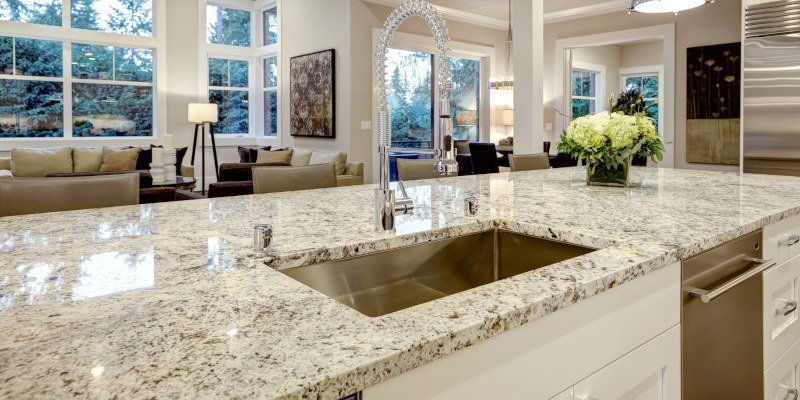
Granite is a timeless favorite known for its natural beauty and durability. Each slab is unique, offering a range of patterns and colors. While it requires periodic sealing, its resistance to heat and scratches makes it a reliable choice for busy kitchens.
Quartz
Quartz countertops are engineered to be practically indestructible. They offer a sleek, modern look and come in various shades. Unlike natural stone, quartz doesn’t require sealing, making it low-maintenance. It’s perfect if you want an elegant yet easy-care option.
Marble
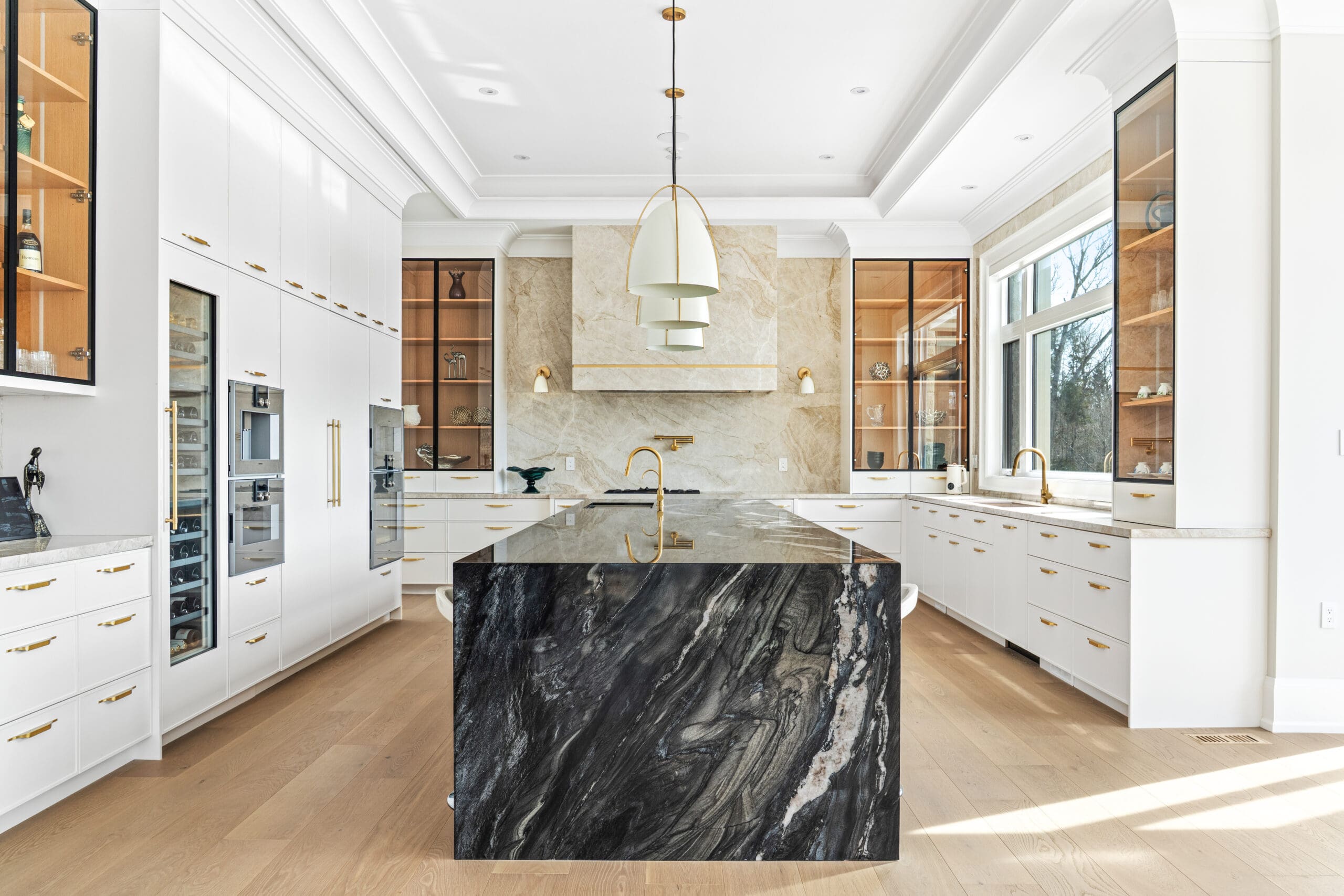
Marble exudes luxury with its classic veining and bright appearance. However, it’s more delicate than other stones, prone to scratches and stains. If you love the aesthetic and don’t mind a bit of extra care, marble can be a stunning centerpiece in your kitchen.
Laminate
Laminate countertops are budget-friendly and versatile. They mimic the look of more expensive materials, offering endless design possibilities. While not as durable as stone, they are easy to clean and perfect for a quick kitchen update.
Butcher Block
Butcher block countertops bring warmth and charm to any kitchen. Made from wood, they’re ideal for those who love a rustic feel. They require regular oiling to maintain their beauty but offer a great surface for chopping and meal prep.
Concrete
Concrete countertops can be customized in color and texture, making them a unique choice. They’re durable and heat-resistant but can be prone to cracking. If you enjoy DIY projects, you might find concrete an exciting material to work with.
Solid Surface
Solid surface countertops are made from acrylic and offer seamless joints. They come in a variety of colors and patterns, resembling stone without the maintenance. If you want a smooth, uniform look, this material is worth considering.
Stainless Steel
Stainless steel countertops are sleek and professional, often seen in commercial kitchens. They’re resistant to heat and stains, making them practical for avid cooks. Consider this option if you favor a modern, industrial style.
Have you found the perfect material for your kitchen countertop yet? Choosing the right one involves balancing aesthetics, functionality, and maintenance. What matters most to you in a countertop? Let us know your thoughts!
Credit: www.bettermarble.ca
Durability And Maintenance
Durability and maintenance play a huge role in deciding which kitchen countertop suits your lifestyle best. You want a surface that stands up to daily use without constant worry. Understanding how different materials resist scratches, heat, stains, and water helps you pick a countertop that saves you time and effort in the long run.
Scratch And Heat Resistance
Think about how often you chop directly on your countertop or place hot pans down. Some materials, like quartz and granite, handle scratches and heat much better than softer stones or laminates. Quartz, for instance, offers excellent scratch resistance because of its engineered hardness.
Granite can tolerate heat well, but sudden extreme temperature changes may cause cracks. Would you prefer a surface that requires a cutting board and hot pads, or one that lets you work freely with less caution?
Stain And Water Resistance
Kitchen spills are inevitable, but not all countertops deal with stains equally. Porous materials like marble absorb liquids quickly, leading to stains if not sealed properly. On the other hand, non-porous surfaces like solid surface and quartz repel water and stains more effectively.
Imagine cleaning up red wine or coffee spills—would you want to worry about permanent marks or clean them up easily? Choosing a countertop with strong stain resistance can reduce stress and protect your investment.
Cleaning Tips
- Use mild dish soap and warm water for daily cleaning.
- Avoid harsh chemicals or abrasive scrubbers to prevent damage.
- Wipe spills immediately to prevent stains from setting in.
- For tougher spots, a mixture of baking soda and water can work gently.
Keeping your countertop clean doesn’t have to be complicated. The right routine preserves its look and function, saving you from costly repairs or replacements.
Repair And Longevity
Some countertops are easier to repair than others. Laminate may chip and show wear over time, but repairing it can be difficult without professional help. Solid surface materials allow you to sand out minor scratches and burns, extending their lifespan.
How long do you expect your countertop to last? Investing in a material that allows simple repairs can be a smart choice if you want to keep your kitchen looking fresh for years.
Aesthetic Appeal
The aesthetic appeal of a kitchen countertop shapes the entire room’s vibe. It sets the tone for style and comfort. Choosing the right look makes the kitchen a welcoming place. Countertops can be simple or bold, classic or modern. Their appearance plays a big role in design harmony.
Color And Pattern Options
Countertops come in many colors and patterns. Light shades brighten the space and feel clean. Dark colors add depth and a modern touch. Patterns vary from subtle veins to dramatic swirls. Some materials mimic natural stone, while others offer uniform looks. Choose colors that blend well with your cabinets and walls.
Texture And Finish
Texture affects how a countertop feels and looks. Smooth finishes give a sleek and polished appearance. Matte surfaces reduce glare and hide fingerprints. Rough or honed textures add a rustic or natural charm. Glossy finishes reflect light and make the kitchen shine. Texture choice influences both style and maintenance.
Matching Kitchen Styles
Each kitchen style pairs best with certain countertop designs. Modern kitchens suit clean lines and simple colors. Traditional kitchens look great with warm tones and classic patterns. Rustic kitchens benefit from natural textures and earthy colors. Contemporary kitchens embrace bold patterns and unique materials. Matching countertops to style creates a balanced, inviting space.

Credit: gomcdaniels.com
Cost Comparison
Understanding the cost of kitchen countertops helps you choose the best option for your budget. Costs vary widely depending on the material and installation needs. Some countertops have higher upfront costs but last longer. Others are cheaper but might need replacing sooner. Consider both immediate expenses and future value before deciding.
Material Prices
Countertop materials differ greatly in price. Here are average costs per square foot:
- Laminate: $10 – $40
- Butcher block: $30 – $100
- Granite: $40 – $100
- Quartz: $50 – $120
- Marble: $50 – $150
- Concrete: $60 – $150
- Soapstone: $70 – $120
Lower-cost options suit tight budgets. Premium stones cost more but offer a unique look.
Installation Expenses
Installation fees depend on complexity and location. Simple materials like laminate cost less to install. Natural stones need skilled labor and special tools. This raises installation costs. Expect to pay between $35 and $100 per hour for professionals. Some materials require sealing or extra finishing, adding to total expenses.
Long-term Value
Durability affects long-term cost. Durable countertops reduce repair and replacement needs. Quartz and granite resist scratches and stains well. Laminate may chip or wear out faster. Think about maintenance costs too. Some stones need regular sealing. Others only need simple cleaning. A higher upfront cost might save money over years.
Environmental Impact
The environmental impact of your kitchen countertop choice goes beyond looks and durability. It touches on how materials are sourced, processed, and disposed of. Thinking about these factors can help you make choices that benefit the planet and your home.
Sustainability Of Materials
Some countertop materials come from renewable sources, while others rely on mining or non-renewable resources. Bamboo and reclaimed wood, for example, regenerate quickly and reduce deforestation. On the other hand, quartz and granite require significant quarrying, which can disrupt ecosystems.
Ask yourself: is the material sourced responsibly? Choosing sustainably harvested options means less strain on natural habitats and supports healthier forests or landscapes.
Recyclability
Not all countertops can be recycled once their life ends. Materials like stainless steel and some laminates can be processed and reused, cutting down landfill waste. In contrast, many composite or resin-based countertops are hard to recycle due to mixed materials.
Before you buy, check if your countertop can be recycled or if it will end up in a landfill. This small step can reduce your kitchen’s long-term environmental footprint.
Eco-friendly Alternatives
There are emerging options that blend style with environmental care. Paper composite countertops use recycled paper and resin, offering durability with less impact. Concrete countertops can be made with recycled aggregates, minimizing waste.
Have you considered these alternatives for your kitchen? They often provide unique aesthetics while helping you support eco-conscious manufacturing practices.
Choosing The Right Countertop
Choosing the right kitchen countertop can transform your cooking space from ordinary to outstanding. It’s not just about looks; the countertop needs to fit how you use your kitchen daily. Think about what matters most to you—durability, style, maintenance, or budget—and you’ll find a countertop that truly works for your lifestyle.
Assessing Kitchen Usage
How often do you cook, and what kind of meals do you prepare? If your kitchen is a high-traffic zone with lots of chopping, mixing, and spilling, you need a surface that stands up to heavy use. Materials like quartz or granite can handle heat and scratches better than softer options.
Do you entertain often? A countertop that’s easy to clean and stain-resistant will save you time and stress. Also, consider if your kitchen doubles as a workspace or homework area—durability and comfort should come first.
Budget Considerations
Set a clear budget before you start shopping. Countertops vary widely in price, from affordable laminate to premium natural stones. Remember to factor in installation costs, which can sometimes double the price of the material.
Don’t overlook long-term value. A higher upfront cost might save you money down the road if the countertop lasts longer and requires less maintenance. Ask yourself: Would spending a bit more now prevent costly repairs later?
Personal Style Preferences
Your kitchen should feel like your own space. Are you drawn to sleek modern designs or warm, rustic vibes? The countertop color and texture can set the tone for your entire kitchen.
Consider how the countertop will coordinate with your cabinets, backsplash, and flooring. A bold countertop can make a statement, but neutral tones offer more flexibility for future changes. Which style feels right for you every day?
Consulting Professionals
Don’t hesitate to ask for expert advice. Kitchen designers and countertop installers have hands-on experience with materials and can guide you toward smart choices. They can also identify potential issues you might overlook, like countertop thickness or edge profiles.
Visiting a showroom lets you see and touch different materials, helping you imagine them in your home. Have questions ready—this is your chance to get answers tailored to your kitchen’s unique needs.
Frequently Asked Questions
What Is The Most Durable Kitchen Countertop Material?
Granite and quartz are the most durable kitchen countertops. They resist scratches, stains, and heat. Both require minimal maintenance and last for years, making them ideal for busy kitchens.
Which Kitchen Countertop Is Best For Budget-friendly Options?
Laminate countertops are the best budget-friendly choice. They come in various colors and patterns and are easy to install. Laminate is affordable but less durable than stone options.
Are Quartz Countertops Better Than Granite?
Quartz countertops are non-porous, making them stain-resistant and hygienic. Granite is natural stone and requires sealing. Both are durable, but quartz offers more uniform patterns and lower maintenance.
How To Choose The Best Countertop For Kitchen Style?
Choose a countertop that complements your kitchen’s design and color scheme. Consider material, texture, and finish that match your style, whether modern, traditional, or rustic.
Conclusion
Choosing the best kitchen countertop depends on your needs and style. Think about durability, cost, and maintenance. Some materials last longer but cost more. Others are cheaper but need more care. Your kitchen’s look matters too. Pick a surface that fits your daily use and taste.
This way, your countertop will serve you well for years. Take time to compare options before deciding. A good choice makes your kitchen both useful and beautiful.
