
Choosing the best kitchen flooring can feel overwhelming. You want something that looks great, feels comfortable, and stands up to spills and heavy foot traffic.
But with so many options out there, how do you know which one is right for your home? This guide will help you discover the perfect kitchen flooring that matches your style, budget, and lifestyle. Keep reading to find out what makes certain materials shine and which one will make your kitchen both beautiful and functional.
Your dream kitchen starts with the right floor—let’s find it together.
Popular Kitchen Flooring Options
Choosing the right kitchen flooring is crucial for both functionality and aesthetics. Your kitchen is more than a place to cook; it’s often the heart of your home where memories are made. The flooring you choose can set the tone for the entire space. Let’s explore popular options that can elevate your kitchen’s style and utility.
Hardwood Flooring
Hardwood flooring is timeless and adds warmth to any kitchen. It’s durable and can withstand heavy foot traffic, making it an excellent choice for busy households. If you love a rustic or classic look, hardwood might be your best bet. Think about the charm it adds, but consider its sensitivity to moisture.
Tile Flooring
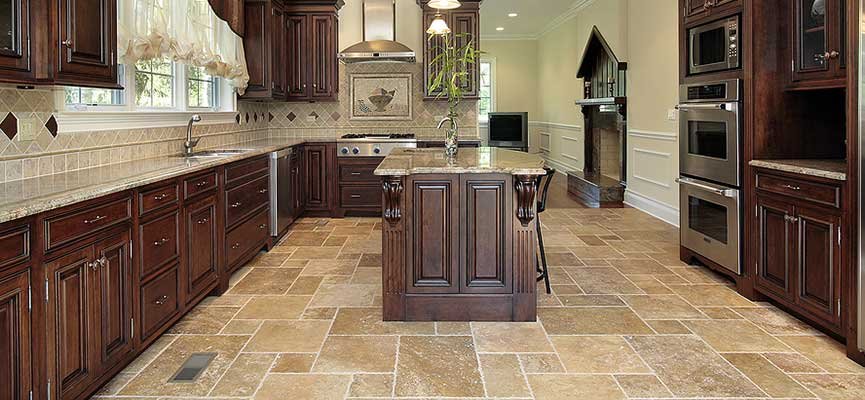
Tile flooring offers versatility and is available in a variety of colors and patterns. It’s water-resistant, making it perfect for kitchens where spills are inevitable. You can choose between ceramic or porcelain tiles based on your style preferences. Do you prefer a sleek modern look or a more traditional feel?
Vinyl Flooring
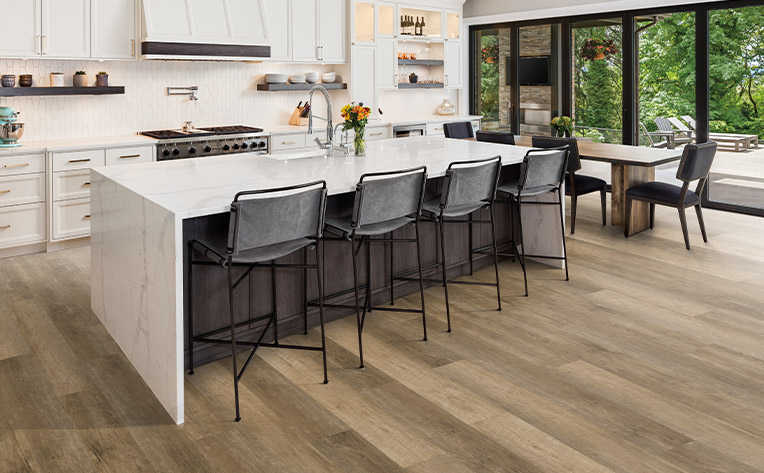
Vinyl flooring is gaining popularity due to its affordability and ease of installation. It’s also water-resistant and mimics the look of more expensive options like hardwood or stone. If you’re looking for a budget-friendly option that doesn’t compromise on style, vinyl might be the answer.
Laminate Flooring
Laminate flooring is known for its durability and low maintenance. It can replicate the appearance of wood or tile at a fraction of the cost. It’s a practical choice for families with kids or pets. However, it may not handle moisture as well as other options, so consider your kitchen’s humidity levels.
Natural Stone Flooring
Natural stone flooring, such as granite or marble, offers a luxurious touch to your kitchen. It’s incredibly durable and can withstand wear and tear. If you’re ready to invest in a high-end option that adds value to your home, natural stone could be perfect. But are you prepared for the maintenance it requires?
Bamboo Flooring
Bamboo flooring is an eco-friendly option that combines style with sustainability. It’s strong and resists moisture better than traditional hardwood. If environmental impact is important to you, bamboo offers a unique look while being kinder to the planet. Would you consider this green choice for your kitchen?

Credit: www.arkoflooring.com
Durability And Maintenance
Choosing the right kitchen flooring means thinking about how it will hold up over time and how much effort you’ll spend keeping it clean. Durability and maintenance are crucial because your kitchen is a busy place where spills, drops, and heavy foot traffic happen daily. Understanding these factors helps you pick a floor that stays beautiful and functional without turning into a constant chore.
Water Resistance
Water is the enemy of many flooring types, especially in kitchens where spills are common. Materials like vinyl and ceramic tiles offer excellent water resistance, making them smart choices if you want to avoid warping or swelling. Hardwood, on the other hand, requires extra care or special finishes to stand up to moisture.
Scratch And Stain Resistance
Your kitchen floor faces a lot of wear and tear—from dropped utensils to dragged chairs. Flooring such as laminate and tile handles scratches and stains well, preserving the floor’s appearance over time. Ask yourself if you have pets or kids; this might push you toward a tougher surface that hides marks and blemishes.
Cleaning Tips
Keeping your kitchen floor spotless doesn’t have to be complicated. Sweep or vacuum regularly to avoid dirt buildup that scratches the surface. For spills, use a damp mop with gentle cleaners—avoid harsh chemicals that can degrade your floor’s finish. Quick cleanup prevents stains and keeps your floor looking fresh longer.
Longevity Of Materials
Some flooring materials last decades with minimal upkeep, while others might need replacement sooner. Porcelain tiles can easily last 20+ years, and well-maintained hardwood floors can also stand the test of time. Consider how long you plan to stay in your home and whether you want a quick fix or a long-term investment.
Comfort And Safety
Choosing the best kitchen flooring means thinking about comfort and safety. Kitchens are busy places where people stand and move a lot. Floors must feel good underfoot and keep everyone safe. This section covers key points to consider for a comfy and secure kitchen floor.
Slip Resistance
Slip resistance is vital for kitchen safety. Wet floors or spills make slips common. Flooring with a textured surface helps reduce fall risks. Materials like vinyl or rubber often have built-in slip resistance. Avoid very smooth finishes in kitchens to prevent accidents.
Cushioning And Comfort
Standing long hours can tire your feet and legs. Flooring with some cushioning eases pressure and improves comfort. Cork and rubber floors offer good softness. Even cushioned vinyl can help reduce strain. Soft floors make cooking and cleaning less tiring.
Warmth And Insulation
Cold floors feel uncomfortable, especially in winter. Flooring that holds heat makes kitchens cozier. Wood and cork naturally provide warmth. Some vinyl and laminate floors come with insulating layers. Warm floors improve comfort and reduce energy costs.
Aesthetic Appeal
The aesthetic appeal of your kitchen flooring sets the tone for the entire room. It influences not only how your kitchen looks but also how it feels every time you walk in. Choosing the right style can make your space inviting, stylish, and uniquely yours.
Color And Pattern Options
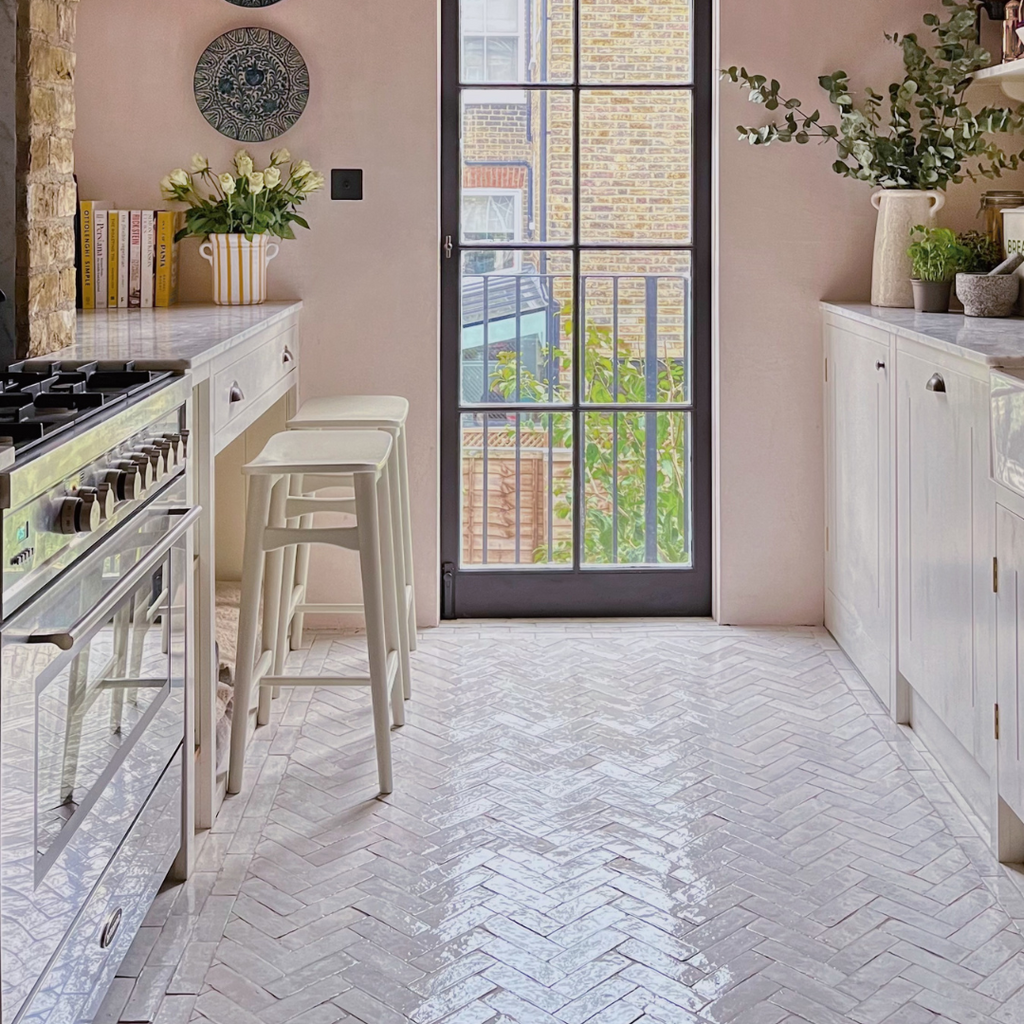
Colors and patterns offer endless possibilities for kitchen floors. You might go for soft neutrals to create a calm atmosphere or bold colors to add energy and personality. Patterns like herringbone, chevron, or classic tiles can bring texture and visual interest without overwhelming the space.
Think about how the colors will interact with your cabinets and walls. Would a dark floor contrast nicely with light countertops? Or would a patterned tile complement a minimalist kitchen? These choices affect the mood and flow of your kitchen.
Matching Kitchen Styles
Flooring should match the style of your kitchen to maintain harmony. For a rustic kitchen, natural wood or stone floors work beautifully. Modern kitchens shine with sleek, polished concrete or large-format tiles.
Personal experience shows that mismatched flooring and kitchen style often feel off. When I switched to a farmhouse-style floor in my contemporary kitchen, it brought warmth and character I hadn’t expected. Are you aiming for cozy or cutting-edge? Your floor can help answer that.
Trends And Timeless Looks
Trends come and go, but some flooring choices stand the test of time. Classic hardwood or neutral-toned ceramic tiles remain popular because they adapt well to evolving décor. However, trends like geometric patterns or colorful tiles can add a fresh look if you want to make a statement.
Ask yourself: do you want your kitchen to feel current or classic? Sometimes mixing a trendy accent with timeless flooring creates a balanced, personal style. What’s your priority when picking flooring that lasts?
Cost And Installation
Cost and installation play a big role in choosing the best kitchen flooring. Knowing the price of materials and the expenses for putting the floor in helps plan the budget. Installation can be simple or complex, depending on the material and the room’s condition. This section breaks down these key points to guide the decision.
Material Costs
Kitchen flooring materials vary widely in price. Vinyl and laminate options tend to be budget-friendly. Hardwood and natural stone usually cost more but offer lasting beauty. Tile prices depend on the type and quality, with ceramic being affordable and porcelain pricier.
- Vinyl: low to medium cost
- Laminate: low to medium cost
- Ceramic tile: medium cost
- Porcelain tile: medium to high cost
- Hardwood: high cost
- Natural stone: high cost
Installation Expenses
Installation costs depend on the floor type and surface preparation. Simple floors like vinyl need little prep and cost less to install. Tiles and stone require more work, raising costs. Hardwood installation varies with plank size and pattern complexity. Removing old flooring adds to the total expense.
Diy Vs Professional Installation
Installing kitchen flooring yourself saves money but needs skill and tools. Vinyl and laminate floors are easier for DIY. Tiles and hardwood usually need professionals for best results. Mistakes during installation can cause extra costs later. Professionals offer warranty and faster completion.
Credit: www.flooringamerica.com
Environmental Impact
The environmental impact of kitchen flooring is a key factor for many homeowners. Choosing materials with low environmental footprints helps protect natural resources. It also reduces pollution and waste. Sustainable kitchen floors can support a healthier planet and indoor air quality.
Sustainable Materials
Some flooring materials come from renewable sources. Bamboo and cork are popular sustainable options. They grow quickly and can be harvested without destroying forests. Natural stone and reclaimed wood also reduce demand for new raw materials. These choices help conserve ecosystems and lower carbon emissions.
Recyclability
Recyclable flooring minimizes landfill waste. Vinyl and linoleum can often be recycled after use. Some wood and metal floors can be reused or repurposed. Selecting floors that can be recycled keeps materials in circulation. It reduces the need for new production and saves energy.
Eco-friendly Manufacturing
Manufacturers with eco-friendly processes cut emissions and waste. Low-VOC adhesives and finishes improve indoor air quality. Energy-efficient factories use less power and water. Choosing floors from responsible companies supports cleaner production. It encourages more sustainable industry practices overall.
Choosing The Right Flooring
Choosing the right kitchen flooring is more than just picking what looks good. It’s about matching your lifestyle, budget, and style to create a space that works for you every day. The right floor can handle spills, heavy foot traffic, and even your design preferences without losing its charm.
Assessing Kitchen Usage
Think about how often you use your kitchen and what activities take place there. If your kitchen is the heart of family gatherings or constant meal prep, durability should be your top priority. Flooring that resists scratches, water, and stains will save you headaches down the line.
Also, consider if you have kids or pets. Floors that offer a bit of cushioning underfoot can make long cooking sessions more comfortable. Would you prefer a surface that’s easy to clean after spills or one that adds warmth and texture to your space?
Budget Considerations
Your budget will narrow down your options quickly. High-end materials like natural stone or hardwood look stunning but can cost more upfront and require maintenance. On the other hand, vinyl or laminate offers affordable, stylish choices that mimic pricier options.
Think about long-term costs too. Some floors might need refinishing or replacement sooner, while others stand the test of time. How much are you willing to invest now versus over the years?
Personal Style Preferences
Kitchen flooring sets the tone for the entire room. Do you lean towards sleek modern looks or cozy rustic vibes? Your choice here can either complement your cabinets and counters or create a bold contrast.
Don’t shy away from mixing textures or patterns if it reflects your personality. Would you prefer a classic wood grain, a vibrant tile pattern, or something unexpected like cork? Your floor should feel like a natural part of your home’s story.
Credit: www.bertandmay.com
Frequently Asked Questions
What Is The Most Durable Kitchen Flooring Option?
Tile and vinyl flooring are the most durable options. They resist scratches, stains, and moisture well. These materials handle heavy foot traffic and spills efficiently, making them ideal for kitchens.
Which Kitchen Flooring Is Easiest To Clean?
Vinyl and ceramic tile floors are the easiest to clean. They require simple sweeping and mopping. Their smooth surfaces prevent dirt buildup, saving you time and effort on maintenance.
Are Hardwood Floors Suitable For Kitchens?
Hardwood can be used in kitchens but needs care. It is susceptible to water damage and scratches. Proper sealing and quick spill clean-up can maintain its beauty over time.
What Is The Most Affordable Kitchen Flooring?
Vinyl flooring is the most affordable option. It offers a variety of styles and is easy to install. Despite its low cost, it remains durable and water-resistant.
Conclusion
Choosing the best kitchen flooring depends on your needs and style. Consider durability, comfort, and ease of cleaning. Materials like tile, vinyl, and hardwood each have pros and cons. Think about how much time you spend in the kitchen. Also, check your budget before deciding.
The right floor makes cooking and cleaning easier. It also adds beauty to your home. Take your time and pick what fits you best. A good choice will last for years. Your kitchen will feel cozy and practical.

Hi, I’m Daniel Harper, a senior editor here at KitchenBucks.com. For over 10 years, I’ve been exploring kitchen gadgets and appliances to help people find tools that truly add value without breaking the bank. I love simplifying product choices so you can focus more on cooking and less on worrying about what to buy. When I’m not reviewing the latest gadgets, you’ll usually find me experimenting with coffee brewing or firing up the grill for a weekend barbecue.