

Choosing the right material for your kitchen countertops can feel overwhelming. After all, your countertops need to look great, last long, and fit your lifestyle.
You want something that’s easy to clean, resistant to stains and scratches, and matches your kitchen’s style perfectly. But with so many options available, how do you decide what’s best for you? Keep reading, because we’ll break down the top materials and help you find the perfect fit for your kitchen.
By the end, you’ll feel confident in making the best choice for your home.
Popular Kitchen Countertop Materials
Choosing the best material for your kitchen countertops can be a daunting task. Each option offers unique benefits and aesthetics, making it essential to understand what suits your lifestyle and kitchen design. Let’s dive into some popular kitchen countertop materials that have made their mark for various reasons.
Granite
Granite is a timeless favorite. Its natural beauty and durability make it a top choice for many homeowners. Granite countertops are heat resistant and can withstand heavy use. If you’re someone who loves baking, you’ll appreciate the cool surface perfect for rolling dough.
Quartz
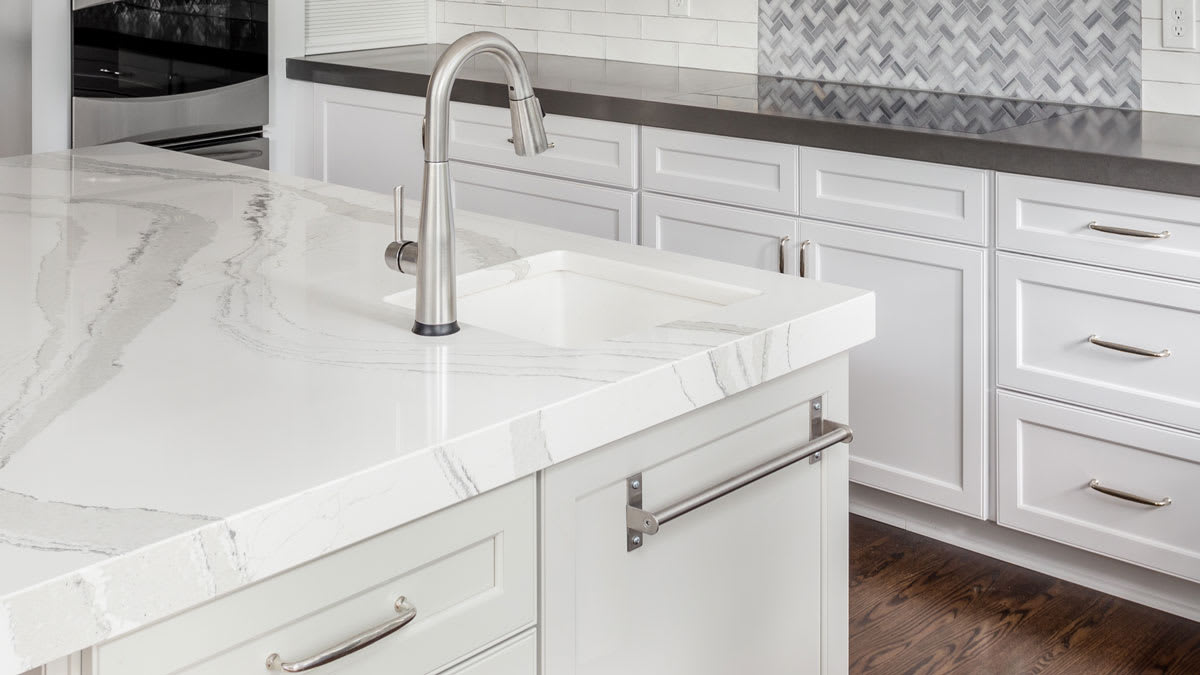
Quartz countertops offer a sleek, modern look and are highly durable. Unlike granite, quartz is non-porous, meaning it resists stains and bacteria. If you hate the idea of annual sealing, quartz might be your best friend, offering low maintenance without compromising style.
Marble
Marble countertops exude luxury and elegance. While stunning, they require more care due to their porous nature. If you enjoy hosting, marble can be an impressive centerpiece but beware of spills and scratches. Regular upkeep will be your ally in preserving its beauty.
Laminate
Laminate is a budget-friendly option that offers a variety of designs and colors. It’s an excellent choice if you’re looking to refresh your kitchen without breaking the bank. However, it’s less resistant to heat and scratches, so using cutting boards and trivets is advisable.
Butcher Block
Butcher block countertops bring warmth and character to the kitchen. They are ideal for avid cooks who appreciate a good chopping surface. Be prepared for regular oiling to prevent drying and cracking, but the cozy aesthetic is worth the extra effort.
Concrete
Concrete countertops offer a unique, industrial vibe. They are customizable and can be molded into various shapes and finishes. While durable, they can be prone to cracking, so proper installation and sealing are crucial. Do you have a flair for DIY? Concrete might be your canvas.
Stainless Steel
Stainless steel countertops are synonymous with professional kitchens. They are incredibly durable, heat resistant, and easy to clean. If you love a sleek, contemporary look, stainless steel can provide that edge. However, they can scratch easily, so use caution with knives and heavy pots.
:max_bytes(150000):strip_icc()/kitchen-countertop-to-avoid-GettyImages-2164605127-3a4373b7af3d4b55abea2ea2ea4ab666.jpg)
Credit: www.realsimple.com
Durability And Maintenance
Durability and maintenance are key factors in choosing kitchen countertops. A countertop should withstand daily use without showing damage quickly. Easy maintenance saves time and effort, keeping the kitchen clean and hygienic. Different materials offer various levels of durability and care needs. Understanding these can help pick the best option for your kitchen.
Scratch And Stain Resistance
Scratch resistance protects countertops from marks by knives or heavy pots. Materials like quartz and granite are highly scratch-resistant. Soft surfaces like laminate may scratch more easily. Stain resistance prevents discoloration from spills like wine or oil. Non-porous materials resist stains better than porous ones. Sealing porous stones regularly helps prevent stains.
Heat Tolerance
Heat tolerance means the countertop can handle hot pans and dishes. Stone surfaces like granite and quartz tolerate heat well. Wood and laminate can burn or warp from high heat. Always use trivets or hot pads to protect any countertop. Good heat resistance adds to countertop longevity.
Cleaning Tips
- Use mild soap and warm water for daily cleaning.
- Avoid harsh chemicals or abrasive scrubbers that damage surfaces.
- Wipe spills quickly to prevent stains or damage.
- Use a soft cloth or sponge for gentle cleaning.
- For stone countertops, use pH-balanced cleaners designed for natural stone.
Long-term Care
Regular sealing extends the life of porous countertops like granite and marble. Avoid cutting directly on countertops to prevent scratches and dulling. Fix chips or cracks promptly to stop further damage. Inspect surfaces often to maintain their condition. Proper care keeps countertops looking new for years.
Aesthetic Appeal
The aesthetic appeal of kitchen countertops plays a key role in the overall kitchen design. Countertops set the tone and style of the space. They add personality and charm. Choosing the right material affects how your kitchen feels and looks every day.
Color And Pattern Options
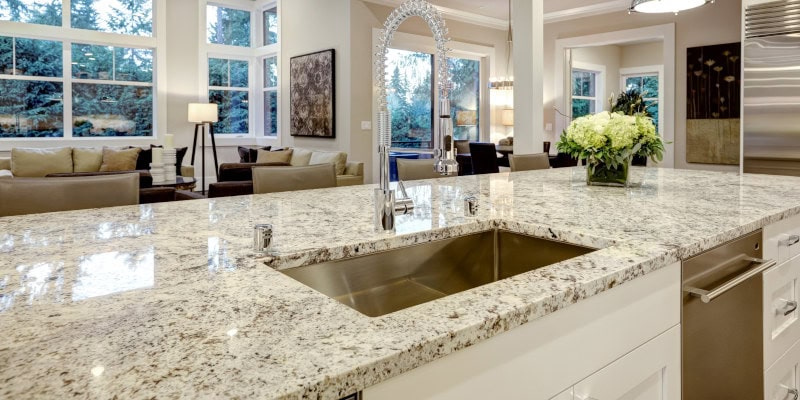
Kitchen countertops come in many colors and patterns. Natural stones like granite and marble offer unique veins and swirls. Quartz provides consistent colors and patterns. Laminate surfaces present endless color choices and bold designs. The right color can brighten the kitchen or create a cozy mood.
Texture And Finish
Texture influences the kitchen’s tactile and visual effect. Smooth, polished surfaces shine and reflect light. Matte finishes give a soft, modern look. Rough or honed textures add a rustic, natural feel. Different finishes change how light plays on the countertop, adding depth and interest.
Matching Kitchen Styles
Countertop materials must match the kitchen style. Marble and quartz fit well in classic or elegant kitchens. Concrete and butcher block suit industrial or farmhouse designs. Sleek, solid surfaces work best in modern kitchens. The right match brings harmony and balance to the space.
Credit: thegraniteguy.us
Cost And Budget Considerations
Choosing the best material for your kitchen countertops means balancing style, durability, and most importantly, cost. Your budget will play a huge role in narrowing down options. Understanding both upfront costs and long-term value helps you make a smart choice without overspending.
Material Price Comparison
Prices for countertop materials vary widely. Here’s a quick overview of common options and their typical price ranges per square foot:
| Material | Price Range (per sq. ft.) |
|---|---|
| Laminates | $10 – $30 |
| Butcher Block | $40 – $100 |
| Granite | $50 – $120 |
| Quartz | $60 – $150 |
| Marble | $70 – $200 |
| Concrete | $65 – $135 |
Think about how many square feet you need. Even small differences in price add up quickly on larger surfaces.
Installation Costs
Installation charges can surprise many homeowners. Some materials are easier to install, reducing labor costs.
- Laminates usually have the lowest installation cost.
- Natural stones like granite and marble require skilled labor, which raises the price.
- Custom or complex shapes often add to installation time and cost.
Ask your contractor for a detailed estimate before committing. Will you need to remove old countertops? That might add to the bill.
Value For Money
Cost isn’t just about the initial price tag. Durability and maintenance affect how much value you get over time.
Quartz offers a good balance: moderate price with high durability and low maintenance. It resists stains and scratches better than many natural stones.
Butcher block may cost less upfront, yet it needs regular oiling and can scratch easily, adding maintenance costs later.
Ask yourself: how long do you plan to keep your countertops? A higher upfront cost might save you money and hassle in the long run.
Environmental Impact
Choosing the best kitchen countertop material affects more than just style and durability. It also impacts the environment. Understanding the environmental footprint helps make smarter choices. Consider how materials are sourced, made, and disposed of. This section explores key factors of environmental impact for kitchen countertops.
Sustainability Of Materials
Sustainable materials come from sources that replenish quickly. They use fewer resources and cause less damage. Natural stones like granite take millions of years to form. Their extraction can harm ecosystems. Wood countertops from responsibly managed forests grow back. Bamboo is a fast-growing grass and a renewable option.
Engineered materials often use recycled content or less raw material. Quartz countertops combine natural quartz with resin. Resin is petroleum-based but used in small amounts. Choosing materials with eco-certifications ensures better sustainability. Look for FSC-certified wood or low-impact stone quarrying.
Recyclability
Recyclability reduces waste and saves energy. Some countertop materials can be recycled or reused at the end of life. Metals like stainless steel are fully recyclable without losing quality. Glass countertops can be recycled but require proper facilities.
Natural stones are not easily recyclable but can be repurposed for landscaping or tiles. Laminate countertops are hard to recycle due to mixed materials. Quartz and solid surface countertops are difficult to recycle because of resins. Prioritize materials that offer better recycling options.
Eco-friendly Alternatives
New eco-friendly materials enter the market regularly. These options reduce environmental harm during production and disposal. Paper composite countertops use recycled paper and resin. Concrete countertops can be made with recycled aggregates and low-carbon cement.
Recycled glass countertops combine crushed glass with resin or cement. They add color and texture while using waste materials. Cork countertops provide a soft, renewable surface harvested without tree cutting. These alternatives lower carbon footprints and conserve resources.
Credit: www.consumerreports.org
Choosing The Right Material For Your Needs
Choosing the right material for your kitchen countertops shapes the heart of your home. It affects daily use, safety, and even your home’s value. Every material offers unique benefits and challenges. Understanding your needs helps pick the best fit.
Lifestyle Factors
Your daily habits influence countertop choice. Busy cooks need durable surfaces that resist heat and scratches. Minimalist lifestyles may favor sleek, low-maintenance options. Consider how much time you spend in the kitchen. Also, think about your cleaning routine and style preferences.
Usage Frequency
Countertops face different demands based on use. High traffic kitchens require strong materials like granite or quartz. For occasional use, softer stones or laminates can work well. Frequent bakers may want heat-resistant surfaces. Matching material strength to use ensures longer life and fewer repairs.
Family Safety
Safety matters, especially with children. Choose non-toxic, smooth materials to avoid cuts and allergies. Avoid porous stones that harbor bacteria. Rounded edges reduce injury risks. Easy-to-clean surfaces help maintain hygiene. Prioritize materials certified for health and safety.
Resale Value
Countertop materials impact home resale prices. Classic stones like granite and marble attract buyers. Neutral colors appeal to a wider audience. Durable, stain-resistant materials add value. Investing in quality surfaces can boost market appeal and sale price.
Frequently Asked Questions
What Is The Most Durable Countertop Material?
Quartz is the most durable countertop material. It resists scratches, stains, and heat well. Quartz requires low maintenance and lasts for years, making it ideal for busy kitchens.
Are Granite Countertops Better Than Marble?
Granite is generally better than marble for kitchen use. Granite is harder, more resistant to stains, and less prone to etching. Marble offers elegance but needs more care and sealing.
Which Countertop Material Is Easiest To Maintain?
Laminate countertops are the easiest to maintain. They clean easily with mild soap and water. Laminate resists stains and doesn’t require sealing or special treatments, making it ideal for budget-conscious homeowners.
How Much Do Kitchen Countertops Cost On Average?
Kitchen countertop costs vary by material but average between $50 and $200 per square foot. Materials like laminate are cheaper, while quartz and granite cost more due to durability and aesthetics.
Conclusion
Choosing the best kitchen countertop material depends on your needs. Think about durability, style, and budget. Some materials resist stains well, while others offer a classic look. Easy cleaning is also important for daily use. Remember, no single material fits every kitchen perfectly.
Take time to compare options carefully. This helps you find the right balance for your home. A good choice makes cooking and cleaning more enjoyable. Your kitchen will look great and last longer with the right countertop.

Hi, I’m Daniel Harper, a senior editor here at KitchenBucks.com. For over 10 years, I’ve been exploring kitchen gadgets and appliances to help people find tools that truly add value without breaking the bank. I love simplifying product choices so you can focus more on cooking and less on worrying about what to buy. When I’m not reviewing the latest gadgets, you’ll usually find me experimenting with coffee brewing or firing up the grill for a weekend barbecue.