
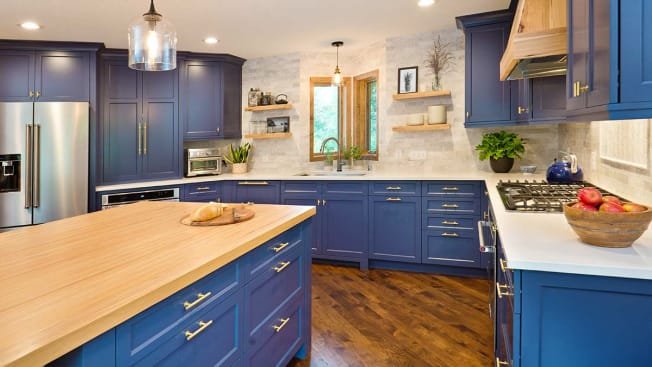
Are you ready to give your kitchen a fresh, stunning look without a full remodel? Choosing the best paint for your kitchen cabinets can make all the difference.
But with so many options out there, how do you know which one will give you a smooth finish, long-lasting color, and easy cleaning? This guide will help you discover the perfect paint to transform your cabinets and elevate your entire kitchen.
Keep reading to find the secret to beautiful, durable cabinets you’ll love for years.

Credit: pbphomerepair.com
Types Of Paint For Kitchen Cabinets
Choosing the right paint for kitchen cabinets affects durability and appearance. Common types include latex, oil-based, and acrylic paints. Each offers different finishes and ease of use for lasting results.
Choosing the right paint for kitchen cabinets can transform the space. The type of paint used significantly impacts the final look and durability. Different paints offer various finishes, ease of application, and resistance to wear. Here are some popular options to consider for your kitchen cabinet makeover.Latex Paint
Latex paint is water-based and easy to apply. It dries quickly, reducing wait times between coats. Cleanup is simple with soap and water. Latex paint resists yellowing over time. It’s less durable than oil-based paint but safer and more eco-friendly.Oil-based Paint
Oil-based paint provides a smooth, durable finish. It withstands heavy use and frequent cleaning. This paint resists chipping and staining. It takes longer to dry and requires mineral spirits for cleanup. Oil-based paint can yellow over time.Acrylic Paint
Acrylic paint is similar to latex but more durable. It offers a smooth finish and is resistant to moisture. Acrylic paint is easy to clean and maintain. It dries quickly and is less prone to yellowing. Suitable for areas with high humidity.Chalk Paint
Chalk paint gives cabinets a matte, rustic look. It requires minimal prep work. Chalk paint adheres well to surfaces without sanding. It’s easy to distress for a vintage feel. Sealing with wax or a topcoat ensures longevity.
Credit: www.goodhousekeeping.com
Key Features To Consider
Choosing the best paint for your kitchen cabinets isn’t just about color. You need to think about how the paint will hold up over time, how it looks, how long it takes to dry, and how easy it is to work with. These key features can make a big difference in the final look and longevity of your cabinets.
Durability
Kitchen cabinets get a lot of wear and tear. Paint that chips or scratches easily will leave your cabinets looking worn out quickly. Look for paints labeled as “kitchen-grade” or “high durability.”
I once used a standard interior paint on my cabinets and ended up repainting within a year because of peeling. Choosing a durable paint saves you time and money in the long run.
Finish Options
The finish affects both the look and how easy it is to clean your cabinets. Satin and semi-gloss finishes are popular because they strike a balance between shine and hiding imperfections.
Glossy finishes reflect more light and are easier to wipe down, but they can highlight bumps or brush strokes. Matte finishes hide flaws but might be harder to clean. What finish suits your kitchen’s style and daily use?
Drying Time
How fast the paint dries impacts your project timeline. Some paints dry quickly, allowing for multiple coats in a day. Others take longer, which means more waiting and patience.
If you’re repainting cabinets in a busy kitchen, fast-drying paint can minimize disruption. However, slower drying paints sometimes offer a smoother finish. What’s your priority: speed or flawless appearance?
Ease Of Application
Not all paints are equally easy to apply. Some require special brushes or sprayers, while others go on smoothly with a regular brush or roller. Think about your comfort level and available tools.
I found that water-based acrylic paints are easier to clean up and less smelly than oil-based options. They also dry faster, making the process less frustrating. How much time and effort are you ready to invest in your cabinet painting?
Top Expert Paint Picks
Choosing the right paint for your kitchen cabinets can transform your space dramatically. Experts recommend specific paints based on durability, finish, and ease of use to fit different kitchen needs. Here are top paint picks that balance quality and performance perfectly for your kitchen makeover.
Best Overall Paint
Benjamin Moore Advance is a top choice among professionals. It offers a smooth, furniture-like finish and dries to a hard, durable surface, making it ideal for cabinets.
This paint levels out beautifully, reducing brush marks and providing excellent adhesion. Its waterborne alkyd formula means easy cleanup and less odor.
If you want a long-lasting finish that feels professional, this paint is worth the investment. Have you considered how a paint’s drying time affects your project timeline?
Best Budget-friendly Paint
Behr Alkyd Semi-Gloss Enamel provides a great balance between cost and quality. It delivers a hard, washable finish that stands up well to kitchen wear and tear.
You can find it at most home improvement stores, making it accessible for quick projects. Despite the lower price, it resists yellowing and holds color well over time.
This paint is perfect if you want solid performance without stretching your budget. Could a smart choice like this help you complete your kitchen refresh sooner?
Best For High-traffic Kitchens
Sherwin-Williams ProClassic Interior Waterbased Acrylic-Alkyd is built for durability. It resists chipping, scuffing, and stains—perfect for busy kitchens with kids or pets.
The paint’s smooth finish is easy to clean, so your cabinets stay looking fresh with minimal effort. Its strong adhesion ensures your paint job lasts for years.
Choosing a paint designed for heavy use means less maintenance. How much wear and tear do your cabinets face daily?
Best Eco-friendly Paint
AFM Safecoat Cabinet Coat is an excellent low-VOC, non-toxic option. It’s designed specifically for cabinets and offers a tough, washable finish without harsh chemicals.
This paint is ideal if indoor air quality matters to you or if you have allergies in your household. It balances environmental responsibility with solid performance.
Going green doesn’t mean sacrificing quality. Have you checked the ingredients in your paint to protect your family’s health?
.jpg)
Credit: www.architecturaldigest.com
Preparation Tips For Painting Cabinets
Proper preparation is the foundation of a flawless kitchen cabinet paint job. Skipping or rushing this stage can lead to peeling, uneven color, and a finish that doesn’t last. By paying close attention to cleaning, sanding, priming, and choosing the right tools, you set yourself up for success and a kitchen that looks professionally refreshed.
Cleaning And Sanding
Start by removing all grease, dirt, and grime from your cabinets. Use a degreaser or a mix of warm water and dish soap, and scrub thoroughly with a sponge or cloth.
After cleaning, sanding is crucial to create a smooth surface and help the paint stick better. Use medium-grit sandpaper (around 120-150 grit) to scuff the surface lightly—don’t go too deep, just enough to dull the finish.
Have you noticed how even a little dust or residue can ruin a paint finish? That’s why wiping down the cabinets with a tack cloth after sanding is essential to remove all sanding dust before moving on.
Priming Techniques
Applying primer is not optional—it’s a must for ensuring paint adhesion and durability, especially on glossy or previously painted cabinets. Choose a high-quality bonding primer designed for wood or laminate surfaces.
Use a brush to get into corners and detailed areas, then follow up with a foam roller for flat surfaces to avoid brush marks. Thin, even coats work better than thick ones, so apply multiple light layers if needed.
Wondering if you can skip priming? Think about how primer seals the surface and prevents stains or tannins from bleeding through your topcoat. Skipping this step often means more touch-ups later.
Choosing The Right Tools
Selecting the right tools can make painting cabinets faster and give you a smoother finish. A high-density foam roller is perfect for flat cabinet doors and drawer fronts, as it minimizes texture and roller marks.
For edges, corners, and intricate details, use a high-quality angled brush with synthetic bristles. This gives you control and precision without leaving streaks.
Have you ever struggled with paint drips or uneven coverage? Investing in good tools saves time and frustration, resulting in a professional-looking finish that lasts.
Painting Techniques For A Smooth Finish
Achieving a smooth finish on kitchen cabinets requires careful painting techniques. The choice of tools and approach impacts the final look. Proper technique helps avoid brush marks, bubbles, and uneven coverage. Understanding different methods ensures a professional result.
Brush Vs. Roller
Brushes offer control for edges and corners. They work well for detailed cabinet surfaces. Use a high-quality synthetic brush for water-based paint. Rollers cover flat surfaces faster and provide a smooth texture. Choose a small foam roller for a fine finish. Combining both tools often gives the best results.
Spray Painting
Spray painting creates an ultra-smooth, even coat. It reaches tight spots and avoids brush strokes. Use a paint sprayer with adjustable pressure for control. Mask surrounding areas carefully to prevent overspray. Practice on a test surface to perfect technique before starting.
Multiple Coats And Drying Times
Applying several thin coats beats one thick coat. Thin layers dry faster and reduce drips or runs. Allow each coat to dry completely before the next. Follow the paint manufacturer’s recommended drying times. Lightly sand between coats to remove imperfections. This prepares the surface for the next layer.
Maintenance And Touch-up Advice
Keeping your kitchen cabinets looking fresh depends on proper care and timely touch-ups. Painted cabinets can last longer and maintain their shine with simple maintenance steps. Regular cleaning, fixing small damages, and knowing when to repaint help protect your investment.
Cleaning Painted Cabinets
Use a soft cloth and mild soap with warm water for cleaning. Avoid harsh chemicals that can damage the paint finish. Wipe gently to remove grease and dirt. Dry the surface with a clean towel to prevent water spots. Clean cabinets weekly to keep them bright and fresh.
Fixing Chips And Scratches
Small chips or scratches can ruin the look of painted cabinets. Lightly sand the damaged area with fine-grit sandpaper. Apply a matching paint with a small brush or touch-up pen. Let the paint dry completely before using the cabinet. Repeat if needed for better coverage.
When To Repaint
Repaint kitchen cabinets when the paint shows signs of peeling or cracking. Also repaint if colors fade or look dull. Choose a high-quality paint suitable for cabinets to ensure durability. Plan to repaint every 5 to 7 years for a fresh look. Proper prep work helps the new paint last longer.
Frequently Asked Questions
What Type Of Paint Is Best For Kitchen Cabinets?
The best paint for kitchen cabinets is durable and smooth. Usually, semi-gloss or satin finishes with acrylic latex paint work well. They resist moisture, stains, and frequent cleaning, keeping cabinets looking fresh and lasting longer.
Should I Use Oil-based Or Water-based Paint?
Water-based (acrylic) paint is preferred for kitchen cabinets. It dries faster, has less odor, and cleans up easily. Oil-based paint offers a smoother finish but takes longer to dry and emits stronger fumes.
How Many Coats Of Paint Do Kitchen Cabinets Need?
Two to three coats of paint are ideal for kitchen cabinets. This ensures even coverage and durability. Always allow proper drying time between coats for the best finish.
Do I Need To Prime Kitchen Cabinets Before Painting?
Yes, priming kitchen cabinets is crucial. It helps paint adhere better and prevents stains or wood tannins from bleeding through. Use a high-quality, stain-blocking primer for best results.
Conclusion
Choosing the best paint for kitchen cabinets can change your space’s look. Acrylic and latex paints offer durability and easy cleaning. Satin or semi-gloss finishes work well for cabinets. Proper prep and multiple coats give the best results. Quality paint helps cabinets resist stains and wear.
Take time to select paint that fits your style and needs. The right paint makes your kitchen feel fresh and bright. Simple steps can lead to a beautiful, long-lasting finish. Your cabinets deserve paint that keeps them looking great.
Hi, I’m Daniel Harper, a senior editor here at KitchenBucks.com. For over 10 years, I’ve been exploring kitchen gadgets and appliances to help people find tools that truly add value without breaking the bank. I love simplifying product choices so you can focus more on cooking and less on worrying about what to buy. When I’m not reviewing the latest gadgets, you’ll usually find me experimenting with coffee brewing or firing up the grill for a weekend barbecue.