
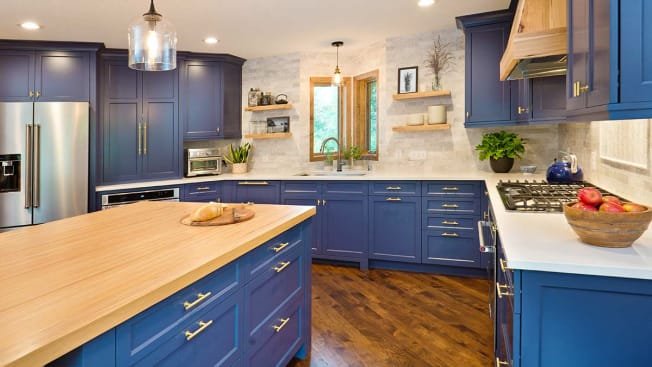
Are you ready to give your kitchen a fresh new look but aren’t sure which paint will work best on your cabinets? Choosing the right paint can make all the difference in how long your cabinets stay beautiful and how easy they are to clean.
You want a finish that resists stains, handles moisture, and stands up to daily wear. You’ll discover the best types of paint for kitchen cabinets, what makes them stand out, and how to pick the perfect one for your space.
Keep reading to find out how to transform your kitchen with confidence.

Credit: pbphomerepair.com
Choosing Paint For Kitchen Cabinets
Choosing the right paint for your kitchen cabinets can transform the heart of your home. It’s not just about picking a color; it’s about considering the longevity, finish, and overall aesthetics. Whether you’re a DIY enthusiast or hiring a professional, understanding the nuances of cabinet paint ensures you make the best choice for your space.
Factors To Consider
Before you head to the store, think about the environment in your kitchen. Kitchens are prone to moisture, heat, and heavy usage. Choose a paint that can withstand these conditions. Consider how often you’ll clean the cabinets; some paints are more resistant to scrubbing than others.
Reflect on your lifestyle. If you have kids or pets, durability becomes crucial. You might want a paint that resists fingerprints or scratches. Moreover, consider your budget. While high-quality paints might be pricier, they often offer better longevity and finish.
Durability And Finish
Durability is paramount in a kitchen setting. Look for paints labeled as ‘high durability’ or ‘washable.’ These paints are designed to withstand frequent cleaning without losing their sheen.
Finish is equally important. Do you prefer a matte, glossy, or satin finish? Glossy finishes are easier to clean but can highlight imperfections. Satin offers a balanced sheen without showing too many flaws. Think about what complements your kitchen’s style.
Color Options
The color of your cabinets can set the tone for your entire kitchen. Neutrals like white or gray are timeless and versatile, making them a safe choice. However, don’t shy away from bold colors if you want to make a statement.
Personal experience can be a guiding factor. If you’ve always loved the warmth of a sunny yellow or the depth of navy blue, why not make it a part of your kitchen? Consider how the color interacts with natural light and other elements in your kitchen.
Finally, ask yourself: What mood do you want to create? A fresh, bright kitchen can energize your mornings, while a darker, cozy space might make evening dinners feel special. Choose a color that aligns with your vision.
Types Of Paints For Cabinets
Choosing the right paint is key to a fresh kitchen look. Cabinets need paint that lasts and looks good. Different paints offer various benefits. Understanding types helps pick the best option for your kitchen.
Latex Paint
Latex paint is water-based and easy to clean up. It dries fast and resists yellowing over time. This paint works well on cabinets with good prep work. It offers flexibility and resists cracking.
Oil-based Paint
Oil-based paint creates a smooth, hard finish. It takes longer to dry but is very durable. This paint resists stains and moisture well. Clean up requires solvents like mineral spirits.
Acrylic Paint
Acrylic paint is a type of water-based paint with strong adhesion. It stays flexible and resists fading. Acrylic paints can handle kitchen humidity well. They provide vibrant colors that last.
Chalk Paint
Chalk paint gives a matte, vintage look. It requires minimal surface prep before painting. This paint is easy to distress for a shabby chic style. A protective topcoat is needed for durability.
Top Expert Paint Picks
Choosing the right paint for your kitchen cabinets can change the whole look and feel of your space. Experts have tested various paints, and some stand out more than others. Here’s a look at top paint picks that balance quality, cost, and ease of use.
Best Overall Paint
Benjamin Moore Advance is a favorite among professionals for kitchen cabinets. Its waterborne alkyd formula offers the smooth finish of oil-based paint with easy water cleanup. This paint resists yellowing and provides excellent durability, making it ideal for a busy kitchen.
If you want a paint that delivers a professional look without the hassle, this is a reliable choice. Have you ever noticed how some paints chip or fade quickly? This one holds up well over time.
Best Budget-friendly Option
Behr Alkyd Semi-Gloss Enamel is a smart pick if you’re watching your budget. It provides a hard, durable surface similar to more expensive paints but at a fraction of the cost. Plus, it resists stains and scrubbing, which is great for kitchen cabinets.
This paint is easy to find at most home improvement stores and works well on both wood and laminate. Could cutting costs here free up your budget for new hardware or decor?
Best For Durability
Sherwin-Williams ProClassic Interior Waterbased Acrylic-Alkyd is built to last. It stands up to daily wear and tear, making it perfect for families or busy kitchens. The finish is smooth, hard, and resists chipping, even with frequent cleaning.
Durability is key for cabinets that get a lot of use. Imagine not worrying about scratches or stains for years—this paint makes that possible.
Best For Easy Application
Rust-Oleum Cabinet Transformations is designed for DIYers who want quick results. It’s a no-stripping, no-sanding system that simplifies the process. The kit includes everything you need to get a smooth, durable finish without a professional’s skill level.
If you’ve hesitated to paint cabinets because it seemed too complicated, this product might change your mind. What if painting your cabinets became one of the easiest projects you’ve tackled?

Credit: www.goodhousekeeping.com
Preparing Cabinets For Painting
Preparing cabinets for painting is a crucial step that affects the final look and durability. Proper preparation helps the paint stick better and last longer. Skipping this step can cause peeling and uneven surfaces. Take time to clean, sand, and prime the cabinets before applying paint.
Cleaning And Sanding
Start by removing dirt, grease, and grime from the cabinet surfaces. Use a mild detergent or a degreaser with warm water. Wipe thoroughly and let dry completely. Sand the cabinets lightly with fine-grit sandpaper to remove the old finish and create a smooth surface. Sanding also helps the paint adhere better. Clean off sanding dust using a damp cloth or tack cloth before moving on.
Priming Tips
Choose a high-quality primer designed for kitchen cabinets. Priming seals the surface and prevents stains from bleeding through the paint. Apply primer evenly using a brush or roller. Allow it to dry fully according to product instructions. Lightly sand the primed surface to smooth out any brush marks. Wipe away dust before painting. Primer creates a strong base that improves paint coverage and durability.
Avoiding Common Mistakes
- Do not skip cleaning; paint will not stick well on dirty surfaces.
- Avoid heavy sanding that damages the wood or cabinet surface.
- Use the right primer; avoid low-quality or incompatible primers.
- Do not rush drying times between coats; patience improves results.
- Protect hardware and hinges to prevent unwanted paint stains.
Application Techniques
Choosing the right paint is important, but how you apply it matters just as much. Proper application techniques can make your kitchen cabinets look smooth and professional. Good technique helps the paint stick better and last longer. Below are key points on application methods, number of coats, and drying times.
Brush Vs Roller Vs Spray
Each tool affects the finish and ease of painting. Brushes give control and work well for corners and edges. Rollers cover large flat areas quickly and leave a smooth surface. Sprayers create the most even coat but need skill and equipment. Choose based on your experience and cabinet style.
Number Of Coats
Applying multiple thin coats is better than one thick coat. Thin layers dry faster and reduce drips. Usually, two to three coats ensure full coverage and durability. Let each coat dry completely before adding the next one. This builds a stronger, more even finish.
Drying And Curing Time
Paint dries on the surface first, but curing takes longer. Drying time depends on paint type and room conditions. Wait at least 24 hours before handling cabinets. Full curing can take up to a week. Avoid heavy use until the paint hardens completely for best results.

Credit: pbphomerepair.com
Maintenance And Longevity
Maintaining kitchen cabinets painted with the right type of paint ensures they stay beautiful for years. Proper care helps prevent chips, stains, and fading. Choosing durable paint is only half the job. Regular cleaning and small repairs keep cabinets looking fresh and new. Understanding when to repaint protects your investment and saves money.
Cleaning Painted Cabinets
Use a soft cloth and mild soap to clean cabinets. Avoid harsh chemicals that strip paint or cause damage. Wipe spills quickly to stop stains. Dry surfaces after cleaning to prevent moisture damage. Clean gently to keep the paint finish smooth and glossy.
Touch-up Tips
Keep leftover paint for touch-ups. Use a small brush to fix chips or scratches. Match the paint color carefully for a seamless look. Sand the area lightly before applying touch-up paint. Let it dry fully to blend with the original finish.
When To Repaint
Repaint cabinets when paint peels or fades noticeably. Watch for cracks or large chips that cleaning cannot fix. Repainting refreshes the kitchen’s appearance and protects wood underneath. Choose durable, kitchen-specific paint for the best results.
Frequently Asked Questions
What Type Of Paint Is Best For Kitchen Cabinets?
The best paint for kitchen cabinets is durable and moisture-resistant. Acrylic latex or oil-based paints work well. They provide a smooth finish and withstand frequent cleaning. Semi-gloss or satin finishes offer excellent durability and easy maintenance.
Should I Use Primer Before Painting Kitchen Cabinets?
Yes, using a primer is essential. It improves paint adhesion and ensures an even finish. Primer also blocks stains and prevents peeling. Choose a high-quality bonding primer for the best results on kitchen cabinets.
Can I Use Chalk Paint On Kitchen Cabinets?
Chalk paint is popular but less durable for kitchen cabinets. It requires sealing with wax or polyurethane for protection. For high-traffic areas, traditional acrylic or oil-based paints are better choices due to their durability and moisture resistance.
How Many Coats Of Paint Do Kitchen Cabinets Need?
Typically, two to three coats of paint are recommended. The first coat provides coverage, and additional coats ensure a smooth, even finish. Proper drying time between coats improves durability and appearance.
Conclusion
Choosing the right paint makes a big difference for kitchen cabinets. Durable and easy-to-clean paints keep cabinets looking fresh. Satin and semi-gloss finishes work best for kitchens. They resist stains and wipe off messes well. Spending time on prep, like sanding and priming, helps paint stick better.
This simple step lasts longer and looks smooth. Think about your kitchen’s style and daily use too. The right paint refreshes your space and protects your cabinets for years. Simple choices lead to great results in kitchen painting.
Hi, I’m Daniel Harper, a senior editor here at KitchenBucks.com. For over 10 years, I’ve been exploring kitchen gadgets and appliances to help people find tools that truly add value without breaking the bank. I love simplifying product choices so you can focus more on cooking and less on worrying about what to buy. When I’m not reviewing the latest gadgets, you’ll usually find me experimenting with coffee brewing or firing up the grill for a weekend barbecue.