
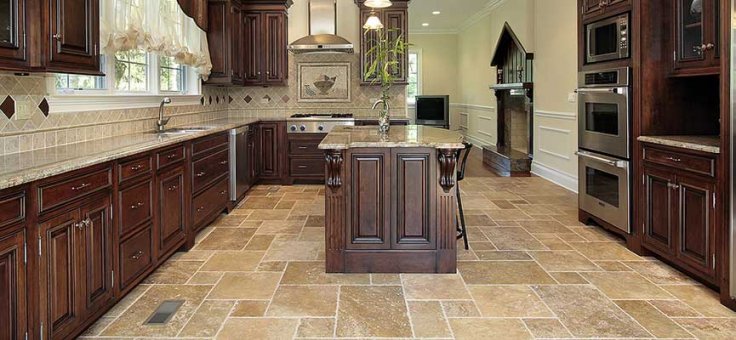
Choosing the best type of kitchen flooring can feel overwhelming. You want something that looks great, lasts long, and is easy to clean.
But with so many options out there, how do you decide what’s right for your space? You’ll discover the key factors to consider and the top flooring choices that fit your lifestyle and style. By the end, you’ll feel confident making the perfect choice for your kitchen—one that makes your daily life easier and your home more beautiful.
Keep reading to find the flooring that suits you best!

Credit: www.arkoflooring.com
Popular Kitchen Flooring Options
Choosing the right kitchen flooring is crucial as it impacts both the functionality and aesthetics of your space. With numerous options available, it’s essential to weigh the pros and cons of each type. Let’s dive into some of the popular kitchen flooring options you might consider for your home.
Hardwood Flooring
Hardwood flooring brings warmth and timeless elegance to any kitchen. It’s durable and can be refinished multiple times, enhancing its longevity. However, it requires regular maintenance and can be prone to water damage if not properly sealed. If you adore a classic look and are willing to invest in upkeep, hardwood might be your ideal choice.
Tile Flooring
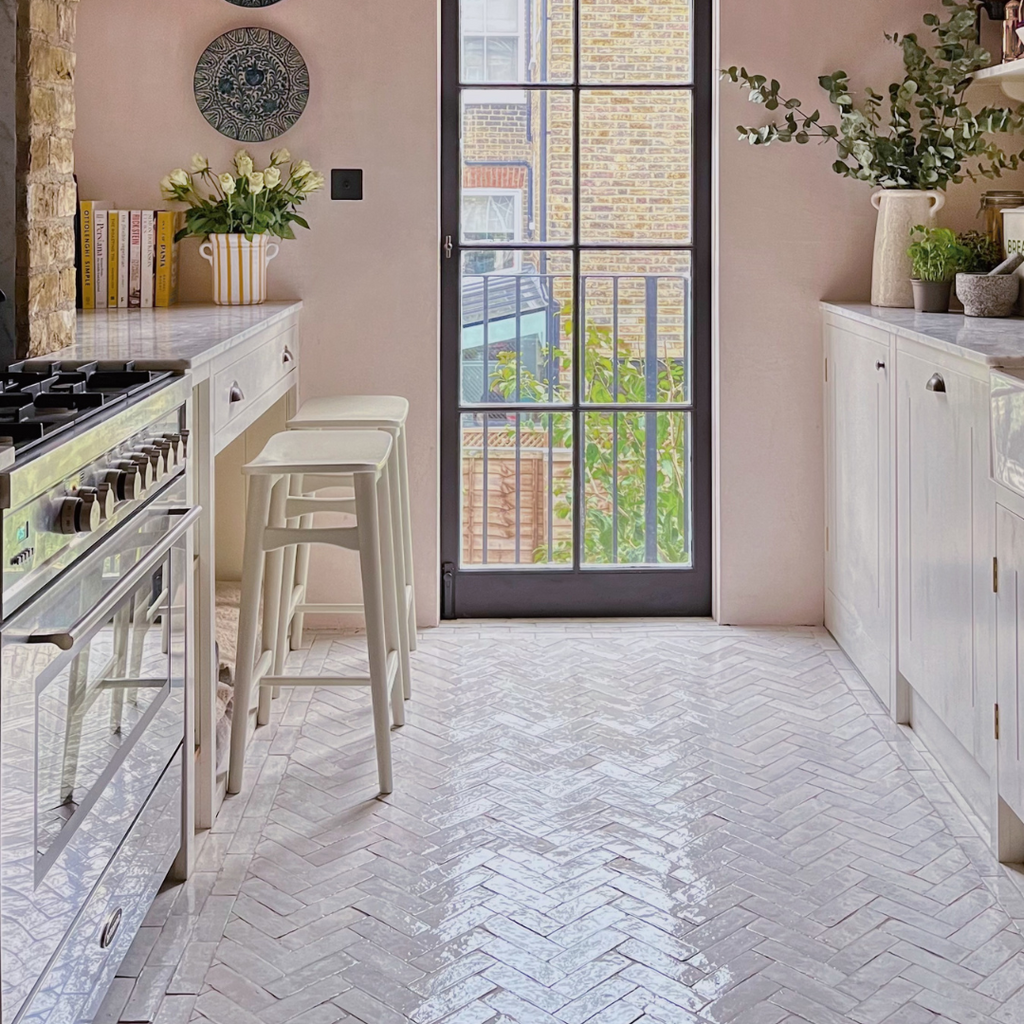
Tile flooring is renowned for its durability and water resistance. Available in a myriad of styles, colors, and patterns, it offers a versatile aesthetic appeal. Tiles can be chilly underfoot, though, and may require additional heating solutions in colder climates. Consider tile flooring if you value resilience and design flexibility.
Vinyl Flooring
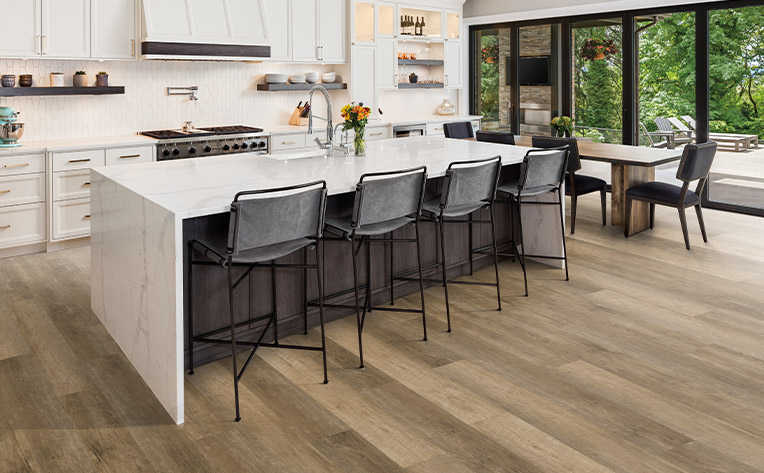
Vinyl flooring is a cost-effective option that’s easy to install and maintain. It’s resistant to water and stains, making it a practical choice for busy kitchens. While it mimics the look of natural materials, it might not offer the same resale value. Think about vinyl if you’re looking for affordability and easy maintenance.
Laminate Flooring
Laminate flooring is known for its affordability and durability. It’s easy to clean and offers a wide range of styles that mimic more expensive materials. However, it’s less resistant to moisture compared to other options. Choose laminate flooring if you want a budget-friendly alternative that provides a stylish appearance.
Natural Stone Flooring
Natural stone flooring exudes luxury and uniqueness. Each stone is different, offering a personalized touch to your kitchen. While it’s durable, it can be expensive and requires sealing to protect against stains. Opt for natural stone if you’re seeking elegance and are prepared for its higher maintenance needs.
Cork Flooring
Cork flooring provides a soft, cushioned feel underfoot, making it comfortable for long cooking sessions. It’s eco-friendly and offers natural sound insulation. However, it’s sensitive to moisture and can fade under direct sunlight. Consider cork flooring if you prioritize comfort and sustainability in your kitchen design.
So, which flooring resonates with your kitchen dreams? The choice lies in balancing aesthetics, practicality, and budget. Each option brings its unique charm and challenges, allowing you to tailor your kitchen space to your lifestyle and preferences.
Credit: www.bertandmay.com
Factors To Consider When Choosing Flooring
Choosing the right kitchen flooring means balancing several important factors. Each kitchen has unique needs, so thinking through these aspects helps you pick flooring that works for your lifestyle and space. Consider what matters most to you—whether it’s toughness, comfort, or how easy it is to clean.
Durability And Wear Resistance
Your kitchen floor faces heavy foot traffic, dropped utensils, and moving chairs. So, durability is key. Look for materials that stand up well to scratches and dents, like ceramic tiles or luxury vinyl. Ask yourself how much wear your floor will endure daily and pick something that won’t show damage quickly.
Water And Stain Resistance
Spills and splashes are a daily event in kitchens. Flooring that resists water and stains will save you from constant worry and extra work. Materials like porcelain tile or sealed hardwood can handle moisture better, preventing warping or discoloration. Would you prefer a floor that needs immediate cleanup or one that hides small messes?
Comfort And Warmth
Standing in the kitchen for long periods can be tiring. Flooring with some softness, like cork or cushioned vinyl, provides relief to your feet and joints. If you live in a cooler climate, warm floors—such as those compatible with radiant heating—can make a big difference. Think about how comfortable you want your kitchen to feel day-to-day.
Maintenance And Cleaning
Some floors demand more upkeep than others. For example, natural stone might need special cleaners, while laminate can be wiped down quickly. Consider how much time you want to spend cleaning. Do you want a floor that just needs a quick sweep or one that requires regular sealing?
Cost And Budget
Your budget often narrows down your options. Flooring prices vary widely—from affordable vinyl to pricey hardwood. Remember to include installation and long-term maintenance costs in your calculations. Could investing a bit more now save you money on repairs later?
Style And Aesthetic Appeal
The floor sets the tone for your entire kitchen. Do you want a modern, sleek look or a cozy, rustic feel? Flooring comes in many colors and patterns, allowing you to match your kitchen’s style perfectly. How will your choice complement your cabinets and countertops?
Comparing Flooring Types For Kitchen Use
Choosing the right kitchen flooring means balancing many factors. Each type offers unique benefits and challenges. Understanding these differences helps pick flooring that fits your needs and style.
Durability Comparison
Kitchen floors face spills, foot traffic, and dropped items. Tiles like ceramic and porcelain resist scratches and stains well. Vinyl and laminate handle moisture but may dent under heavy impact. Hardwood offers warmth but can scratch and warp from water. Stone is tough but may chip if hit hard.
Maintenance Needs
Some floors need regular sealing or special cleaners. Tiles and stone require grout cleaning and resealing. Vinyl and laminate only need sweeping and mopping. Hardwood demands careful cleaning to avoid water damage. Easy maintenance saves time and keeps floors looking fresh.
Cost Analysis
| Flooring Type | Average Cost per sq. ft. | Installation Cost |
|---|---|---|
| Ceramic Tile | $2 – $5 | Moderate |
| Vinyl | $1 – $4 | Low |
| Hardwood | $5 – $10 | High |
| Laminate | $2 – $6 | Moderate |
| Stone | $7 – $15 | High |
Budget impacts choice. Vinyl suits tight budgets. Stone fits premium designs.
Visual Appeal
Wood floors add warmth and classic beauty. Tiles offer many colors and patterns. Vinyl mimics wood or stone well. Laminate imitates hardwood and is versatile. Stone shows natural texture and luxury. Choose by style and mood you want.
Environmental Impact
- Wood is renewable but needs responsible sourcing.
- Vinyl is synthetic and less eco-friendly.
- Stone is natural but energy-intensive to quarry.
- Laminate uses composite materials with some waste.
- Ceramic tiles use natural clay but require high heat.
Eco-conscious buyers often prefer sustainable, low-impact options.
Credit: www.flooringamerica.com
Installation Methods And Tips
Choosing the right installation method is key to a durable kitchen floor. The process affects the floor’s look and lifespan. Proper preparation ensures the floor fits well and lasts long. Knowing common challenges helps avoid costly mistakes. Here are some important points to consider for installation and tips.
Professional Vs Diy Installation
Professional installers have experience and tools for smooth work. They finish faster and fix problems easily. Hiring pros reduces risks of damage and errors. DIY installation saves money but needs time and effort. It suits simple floors like vinyl or laminate. Complex floors like tile or hardwood may need expert help. Choose based on skill level, budget, and floor type.
Preparation And Subfloor Requirements
Preparing the subfloor is vital for a stable surface. The subfloor must be clean, dry, and flat. Uneven floors cause cracks and loose tiles or planks. Remove old flooring and repair damage before starting. Some floors need moisture barriers to prevent water damage. Check manufacturer guidelines for specific subfloor needs. Proper prep improves floor durability and appearance.
Common Installation Challenges
Kitchen floors face many challenges during installation. Uneven subfloors can cause gaps and creaking. Cutting tiles or planks to fit corners is tricky. Moisture in basements or concrete can warp flooring. Poor alignment leads to uneven joints and weak spots. Tight spaces require careful measuring and fitting. Planning ahead and using the right tools solves most problems. Patience makes the process easier.
Latest Trends In Kitchen Flooring 2025
The kitchen floor sets the tone for the entire room. In 2025, kitchen flooring trends focus on style, sustainability, and technology. Homeowners want floors that look good, last long, and offer more than just basic function.
Eco-friendly Materials
Eco-friendly kitchen floors are rising in popularity. Bamboo and cork are renewable, durable options. Recycled wood and reclaimed tiles reduce waste. These materials help protect the planet and create warm, natural looks. Many eco-friendly floors resist moisture and stains, ideal for busy kitchens.
Innovative Textures And Patterns
Textures add depth and interest to kitchen floors. Matte finishes prevent slipping and hide dirt well. Patterns like geometric shapes or classic herringbone create visual appeal. Mixing materials, such as wood with stone, forms unique designs. These textures and patterns make kitchens feel modern and inviting.
Smart Flooring Technologies
Smart floors integrate technology for comfort and safety. Heated flooring keeps feet warm during cold months. Some floors have sensors to detect spills or drops, alerting homeowners instantly. Anti-bacterial coatings improve hygiene. These innovations add convenience and peace of mind in the kitchen.
Choosing Flooring Based On Kitchen Lifestyle
Choosing the right kitchen flooring depends on your daily habits and lifestyle. The kitchen is a busy area that needs flooring to match your routine. Consider how your family uses the space to pick the best option. Different needs call for different flooring types.
Family-friendly Options
Families need durable and easy-to-clean floors. Vinyl and laminate are popular because they resist stains and spills. Cork flooring offers comfort for long cooking sessions and is gentle on kids’ falls. Soft textures and warm colors create a welcoming space for family time.
High-traffic Kitchens
Kitchens with many people require floors that stand up to heavy use. Porcelain tile and natural stone are excellent choices. These materials resist scratches and wear well over time. Choose finishes with good slip resistance to keep everyone safe during busy hours.
Pet-friendly Flooring
Pets can be hard on floors. Look for scratch-resistant and waterproof materials like luxury vinyl or tile. These floors are easy to clean after accidents or muddy paws. Soft options like cork cushion pets’ joints and reduce noise from running feet.
Small Vs Large Kitchens
Small kitchens benefit from light-colored floors to make the space feel bigger. Smooth surfaces like polished tile reflect light well. Large kitchens can handle bolder patterns and darker colors. Textured flooring adds interest and helps define different areas.
Frequently Asked Questions
What Is The Most Durable Kitchen Flooring Material?
Tile and vinyl are the most durable kitchen flooring options. They resist scratches, stains, and moisture. Both are easy to clean and maintain, making them ideal for busy kitchens. Vinyl offers a softer feel, while tile provides a classic, long-lasting surface.
Which Kitchen Flooring Is Easiest To Clean?
Vinyl and tile floors are the easiest to clean. They resist spills and stains and require simple mopping. These materials do not trap dirt or allergens, making them hygienic. Regular sweeping and occasional mopping keep them looking fresh and new.
Are Hardwood Floors Suitable For Kitchens?
Yes, hardwood floors can work in kitchens but need protection. They add warmth and beauty but can be prone to water damage. Sealing and proper maintenance help prevent warping and staining. Hardwood offers a timeless, elegant look if cared for properly.
What Is The Best Budget-friendly Kitchen Flooring?
Vinyl flooring is the best budget-friendly kitchen option. It is affordable, durable, and comes in various styles. Vinyl mimics expensive materials like wood or stone without the high cost. It also provides comfort underfoot and withstands kitchen wear and tear.
Conclusion
Choosing the best kitchen flooring depends on your needs and style. Think about durability, comfort, and ease of cleaning. Wood offers warmth, while tile handles spills well. Vinyl provides affordability and variety. Each option has strengths for different kitchens. Choose what fits your lifestyle and budget.
A good floor makes cooking and cleaning easier. Take time to decide. Your kitchen deserves the right floor.

Hi, I’m Daniel Harper, a senior editor here at KitchenBucks.com. For over 10 years, I’ve been exploring kitchen gadgets and appliances to help people find tools that truly add value without breaking the bank. I love simplifying product choices so you can focus more on cooking and less on worrying about what to buy. When I’m not reviewing the latest gadgets, you’ll usually find me experimenting with coffee brewing or firing up the grill for a weekend barbecue.