
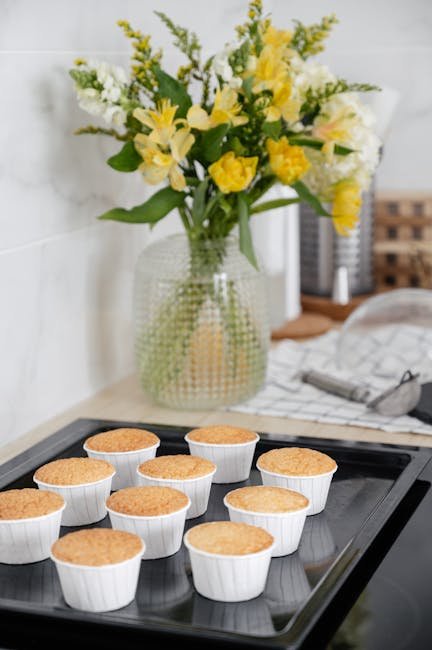
When you step into the kitchen, ready to whip up your favorite dish, you might find yourself facing an unexpected dilemma: should you reach for a baking dish or a baking pan? While these terms are often used interchangeably, they actually refer to two different kitchen essentials.
Understanding the difference can elevate your cooking skills and ensure your meals turn out just right. Imagine the satisfaction of knowing precisely what you need to create the perfect casserole or bake the fluffiest cake. This clarity can transform your cooking experience and make you feel more confident in your culinary choices.
As you read on, you’ll discover the subtle yet significant differences between a baking dish and a baking pan. Unlock the secrets to choosing the right tool for your culinary masterpieces and let your kitchen adventures flourish like never before.
Baking Dish Basics
When you’re diving into the world of baking, understanding the basics of a baking dish is crucial. Unlike a baking pan, which is often flat and designed for cakes and cookies, a baking dish usually has deeper sides and is ideal for recipes that require more volume, like casseroles or gratins. By grasping the specifics of a baking dish, you can enhance your cooking outcomes and make informed choices about your kitchen tools.
Material And Design
Baking dishes are commonly made from materials like glass, ceramic, or stoneware. These materials are excellent for retaining heat, ensuring your food cooks evenly. Have you ever noticed how a glass baking dish lets you monitor your food’s progress through the transparent sides? This feature can be a game-changer, especially for dishes that require a precise cooking time.
The design of a baking dish often includes handles for easy maneuvering in and out of the oven. Think about those moments when you’re juggling multiple tasks in the kitchen. Having a dish with handles can make your cooking experience safer and more efficient.
Common Uses
Baking dishes shine in recipes that require slow cooking or layering, such as lasagna or a hearty shepherd’s pie. They are perfect for oven-to-table meals, allowing you to serve food directly from the dish. Ever hosted a dinner party and wanted to minimize clean-up? A baking dish can be your best friend, eliminating the need for extra serving plates.
You can also use baking dishes for desserts like cobblers or bread puddings. These dishes allow for deep fillings and can be a delight when you want to impress your guests with a homemade treat.
Advantages
One major advantage of using a baking dish is its versatility. You can bake, serve, and store food in the same vessel. Have you considered how this can save you time and space in your kitchen? Less clutter means more room for creativity.
Baking dishes are also known for their aesthetic appeal, often coming in a variety of colors and designs. Imagine setting your table with a beautifully crafted ceramic dish—it adds a touch of elegance to any meal.
Moreover, the durability of materials like stoneware ensures longevity, making them a wise investment for your culinary adventures. If you’re looking to build a kitchen that lasts, a quality baking dish is essential.
How do you choose the right baking dish for your needs? Consider what you cook most often and the size of your servings. Is your dish enhancing your cooking experience or holding you back? The right choice can elevate your culinary skills and transform your kitchen into a place of creativity and joy.

Credit: katherinesasser.com
Pan Essentials
Baking dishes have higher sides and are often made of glass or ceramic, ideal for casseroles. Baking pans are typically metal with lower sides, perfect for cakes and cookies. Each serves specific purposes in the kitchen.
When you step into the kitchen, the world of baking often presents you with a curious dilemma: baking dish or baking pan? Both might seem interchangeable at first glance, but each has its unique charm. Let’s delve into the essentials to make your baking experience a delightful one.Material And Design
Baking dishes are typically crafted from ceramic or glass. This material choice ensures even heat distribution, which is crucial for dishes that require consistent cooking, like lasagna or casseroles. Their design often features higher sides, perfect for holding in those bubbling sauces. On the other hand, baking pans are usually made from metal, like aluminum or stainless steel. This gives them an edge in heat conduction, making them ideal for recipes needing a crispy edge, such as brownies or roasted vegetables. The lower sides of a baking pan are a telltale sign that it’s ready to give your bake a nice crust.Common Uses
You might reach for a baking dish when preparing recipes that are served directly from the oven to the table. Think of hearty dishes like gratins or baked pasta. The aesthetic appeal of a ceramic dish adds to the dining experience. Baking pans are your go-to for desserts and quick bakes. Cookies, sheet cakes, and even roasted meats often find their home in a baking pan. Their versatility allows you to whip up both sweet and savory delights with ease.Advantages
Choosing a baking dish can elevate your cooking with its superior heat retention. This is especially handy when your dish needs to stay warm for longer periods. Plus, the non-reactive nature of glass and ceramic is a bonus when cooking acidic foods. Baking pans, however, shine with their quick heat-up time. This can save you precious minutes when you’re in a rush. Their lightweight and durable design make them easy to handle and clean, which is perfect for everyday use. Have you ever found yourself struggling to choose between the two? Next time, consider what you’re baking and how you want your final dish to turn out. With these pan essentials in mind, you’re well on your way to making an informed choice that suits your culinary needs. Happy baking!Comparing Shapes And Sizes
Choosing between a baking dish and a baking pan involves more than materials. Shapes and sizes play a crucial role in deciding the best tool for your recipe. Understanding these differences can enhance your baking experience and results. Let’s explore how their shapes and sizes differ.
Rectangular Vs. Round
Baking dishes are often rectangular, ideal for casseroles and lasagnas. The shape holds layers well, making it perfect for layered dishes. Baking pans, on the other hand, are commonly round. This shape suits cakes and pies, providing even heat distribution. Round pans also offer a more uniform bake, essential for cakes and tarts.
Depth Differences
Baking dishes tend to be deeper than baking pans. The extra depth accommodates liquids, making them suitable for stews and deep-dish recipes. In contrast, baking pans are generally shallower. This shallowness allows for quicker baking, ideal for cakes and brownies. Choosing the right depth affects cooking time and texture.
Material Considerations
Material considerations play a vital role in choosing between a baking dish and a baking pan. Different materials affect cooking results, durability, and maintenance. Understanding these differences helps in making informed decisions for your baking needs.
Ceramic Vs. Metal
Ceramic dishes are favored for their elegant appearance and even heating. They retain heat well, which is ideal for slow cooking. Ceramic resists scratching and staining, making it easy to clean. On the downside, ceramic can break if dropped. Metal pans, usually made of aluminum or stainless steel, offer durability. They are lightweight and can withstand high temperatures. Metal heats up quickly, providing faster cooking times.
Heat Distribution
Ceramic distributes heat evenly across the dish. This uniform heat helps avoid hot spots, ensuring consistent cooking. It is perfect for dishes requiring gentle heat. Metal pans heat up rapidly, but can create hot spots. This can lead to uneven cooking. Proper heat distribution in metal pans depends on thickness and quality. High-quality metal pans often have better heat distribution.
Performance In Cooking
When you’re in the kitchen, the tools you choose can make all the difference in the performance of your cooking. Baking dishes and pans might seem interchangeable, but they can lead to different results. Let’s dive into how these tools affect your culinary creations.
Heat Retention
Have you ever noticed how your lasagna stays warm long after leaving the oven? That’s the magic of using a baking dish, typically made from materials like glass or ceramic. These materials excel at retaining heat, keeping your dish warm as you serve.
On the other hand, metal baking pans, often made from aluminum or stainless steel, heat up quickly but lose that heat just as fast. This can be beneficial when you need your baked goods to cool quickly, like when you’re eager to frost those cupcakes.
Cooking Times
Picture this: You’re baking a casserole for dinner and a batch of cookies for dessert. A glass baking dish might require a bit more time in the oven due to its heat retention properties. This can be perfect for dishes that benefit from a slow, even cook.
Metal pans, however, can speed up the cooking process. They heat up rapidly, shortening the bake time. This is great when you need to whip up a quick batch of cookies for unexpected guests. But be cautious; the same speed that helps can also lead to over-browning if you aren’t attentive.
So, which is better for your kitchen? It depends on what you’re making and how you want it to turn out. Have you ever switched from a dish to a pan and noticed a difference in your recipe’s outcome? Next time you’re baking, think about how the choice of dish or pan might change your results.
Cleaning And Maintenance
Cleaning and maintaining your baking tools ensures they last longer. Both baking dishes and baking pans require different care. Knowing the right methods can save time and effort. Let’s explore how each type fares in ease of cleaning and durability.
Ease Of Cleaning
Baking dishes are often made of glass or ceramic. These materials are non-stick, making them easy to clean. Most baking dishes can go in the dishwasher. This saves time after a long day of cooking.
Baking pans are usually metal. They may need more effort to clean. Grease and food can stick to the surface. A soft sponge and soapy water can help maintain them. Avoid using harsh scrubbers, which can scratch the pan.
Durability
Baking dishes are generally durable. Glass and ceramic can withstand high temperatures. But, they can crack if dropped or exposed to sudden temperature changes.
Baking pans made of metal offer long-lasting durability. They can handle rough handling and high heat. Over time, they might show signs of wear like scratches or dents. Proper care can extend their life.
Both baking dishes and pans need careful handling to maintain their quality. Understanding their differences helps in choosing the right one for your needs.
Choosing The Right Option
Understanding the difference between a baking dish and a baking pan helps in choosing the right tool for recipes. Baking dishes, often ceramic or glass, suit casseroles and recipes needing even heat distribution. Baking pans, typically metal, are perfect for cakes and brownies, offering quicker heat conduction.
Choosing the right option between a baking dish and a baking pan can make a significant difference in your cooking results. It’s not just about aesthetics; it’s about functionality and achieving the desired texture and flavor. Understanding the nuances between these two can elevate your baking game.Recipe Requirements
Recipes often specify whether to use a baking dish or a pan, and for good reason. A baking dish, usually made of glass or ceramic, retains heat differently than a metal pan. This can affect cooking time and browning. Think about the structure of your dish. A dense lasagna might benefit from the even heat distribution of a baking dish. On the other hand, a quick-bake brownie might thrive in a metal pan’s rapid heat conduction. Ignoring these guidelines can lead to uneven cooking. Have you ever had a casserole that was burnt on the edges and undercooked in the center? That’s often a sign of using the wrong bakeware.Personal Preference
Your personal cooking style and preferences also play a role. Do you enjoy seeing your dish through the sides as it bakes? Glass dishes might appeal to you. Metal pans, though, are often preferred for their durability and versatility. They are lightweight and can handle a variety of recipes. Consider your storage space. Baking dishes are heavier and take up more room. Metal pans stack easily, saving space in your kitchen. What about aesthetics? Serving a dish straight from a beautifully crafted ceramic dish can enhance your dining experience. But if practicality and ease of cleaning are your priorities, metal pans might win. Ultimately, it’s about what feels right for you and your kitchen. What do you find yourself reaching for most often? That’s usually a good indicator of your preference. Choosing between a baking dish and a baking pan might seem trivial, but it impacts the outcome of your dish. So, next time you’re preparing to bake, consider the recipe, your preferences, and the results you aim to achieve.
Credit: www.tiktok.com
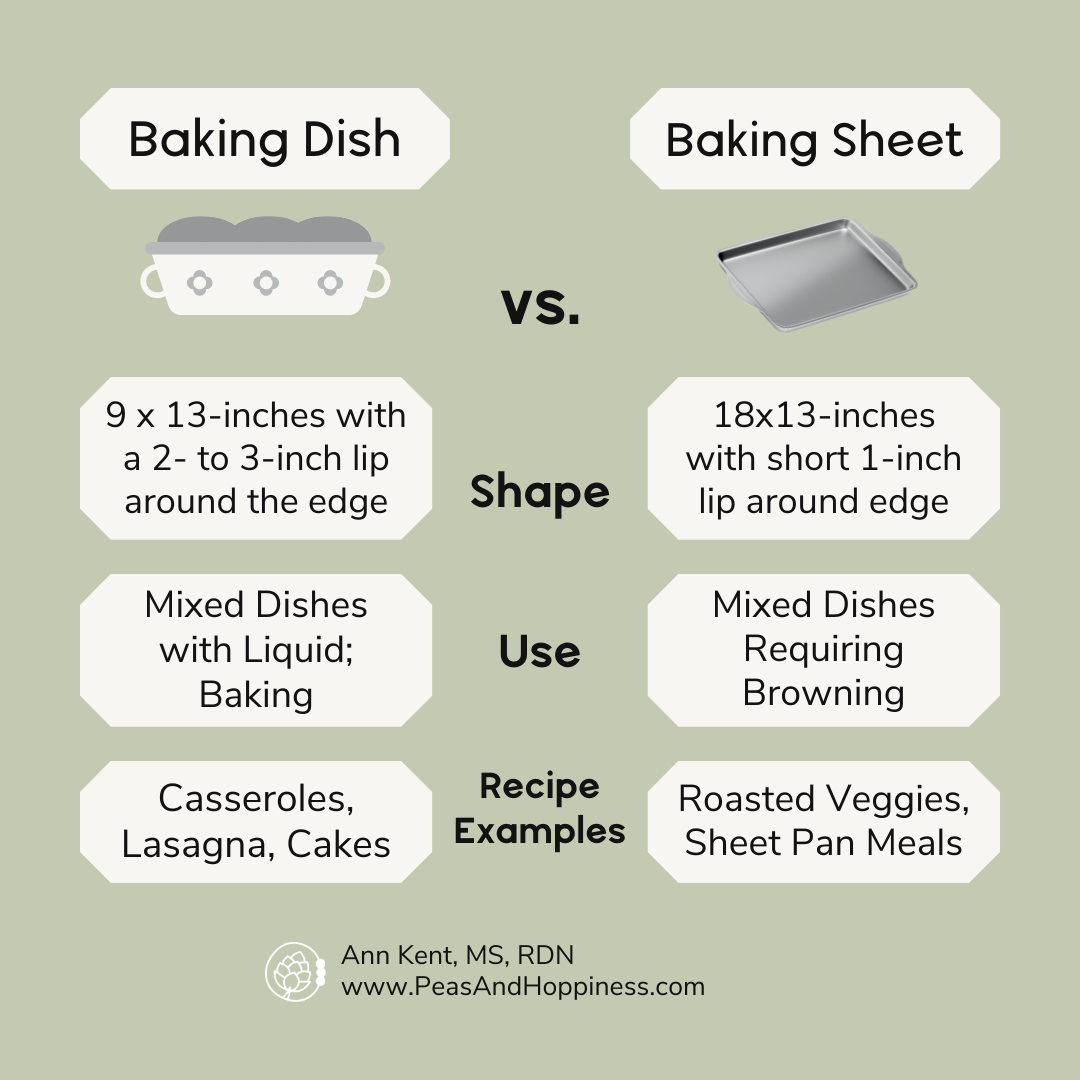
Credit: peasandhoppiness.com
Frequently Asked Questions
What Distinguishes A Baking Dish From A Baking Pan?
A baking dish is typically made of glass or ceramic, while a baking pan is metal. Baking dishes are used for casseroles and dishes that benefit from slow, even cooking. Baking pans are ideal for baking cookies, cakes, and bread due to their heat conduction properties.
Can I Use A Baking Dish Instead Of A Pan?
Yes, but consider the material and heat conduction. Glass or ceramic dishes heat slower than metal pans. This may affect cooking time and results. Adjust cooking time if necessary. Ensure your recipe is compatible with the material to avoid unexpected outcomes.
Which Is Better For Baking Cakes, Dish Or Pan?
A baking pan is generally better for cakes. Metal pans conduct heat more efficiently, providing even baking. They help achieve a good rise and nice crust. Baking dishes, being slower to heat, might not provide the same results.
Are Baking Dishes And Pans Measured Differently?
Yes, they are measured differently. Baking dishes are measured by volume, while baking pans are measured by dimensions. Ensure you check the measurements for your specific recipe. This helps achieve the desired results and prevents overflow or undercooked food.
Conclusion
Choosing between a baking dish and a baking pan matters. They serve different purposes. Baking dishes, usually glass or ceramic, suit casseroles. They hold heat well. Baking pans, often metal, work best for cakes or cookies. They heat quickly and evenly.
Knowing their differences helps you cook better. Your meals can turn out tastier. Use the right tool for your recipe. It simplifies cooking and enhances outcomes. Next time you bake, consider your choice carefully. It makes a difference in your results.
Happy baking!
Hi, I’m Daniel Harper, a senior editor here at KitchenBucks.com. For over 10 years, I’ve been exploring kitchen gadgets and appliances to help people find tools that truly add value without breaking the bank. I love simplifying product choices so you can focus more on cooking and less on worrying about what to buy. When I’m not reviewing the latest gadgets, you’ll usually find me experimenting with coffee brewing or firing up the grill for a weekend barbecue.