
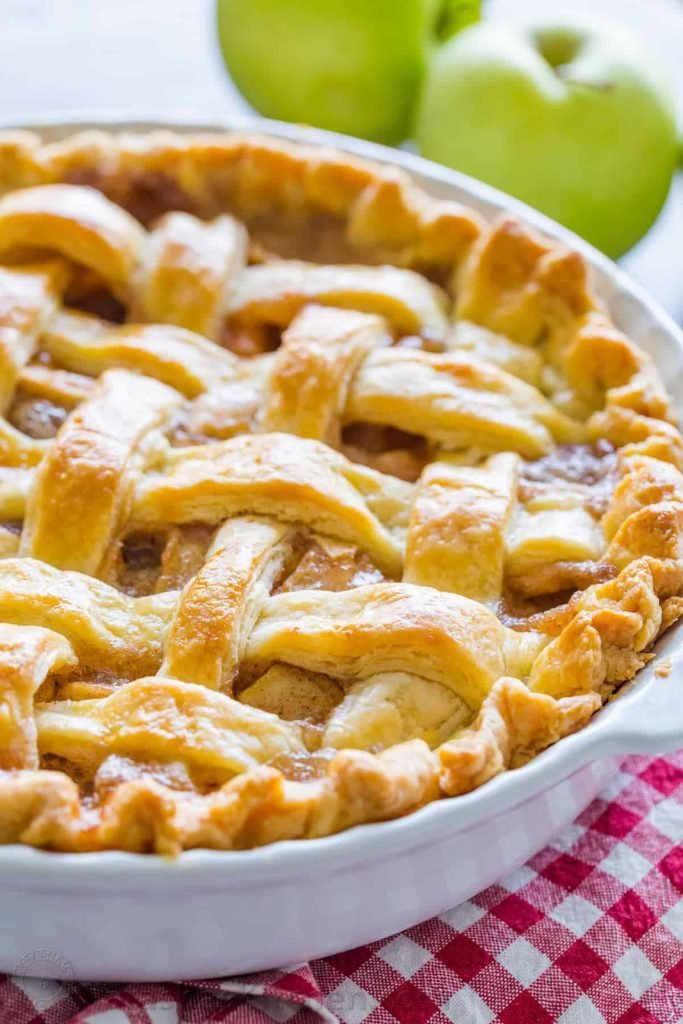
Imagine biting into a slice of homemade apple pie—the flaky crust, the warm cinnamon-spiced filling, and the sweet aroma that fills the air. It’s pure bliss.
But did you know that the type of pie pan you use can make or break your apple pie experience? Choosing the right pie pan isn’t just about aesthetics; it’s about achieving the perfect bake every time. Whether you’re a seasoned baker or a pie-making novice, selecting the ideal pie pan can elevate your apple pie from good to great.
Are you ready to discover which pie pan will give you the golden crust and evenly cooked filling you’ve been dreaming of? Let’s dive in and find out what kind of pie pan is best for your apple pie masterpiece.
Types Of Pie Pans
Choosing the right pie pan can make or break your apple pie experience. Each type of pan has its own unique characteristics that can influence the texture and appearance of your pie. Let’s dive into the different types of pie pans and see which might be the best fit for your next apple pie adventure.
Glass Pie Pans
Glass pie pans are a favorite for many home bakers. They heat slowly and evenly, helping you achieve a perfectly browned crust. Plus, you can see the bottom of your pie to check if it’s done.
However, glass pans can break easily if mishandled. Handle them carefully to avoid unexpected cracks. Have you ever watched the bottom of your pie turn golden through a glass pan? It’s a satisfying sight!
Metal Pie Pans
Metal pie pans are known for their efficiency. They heat up quickly, which can give your pie a crispier crust. This is especially useful if you’re in a hurry.
On the downside, they don’t retain heat as well as other materials. If you like to savor your pie warm, consider serving it right after baking. Ever tried a metal pan on a chilly morning? It might surprise you with its speedy results!
Ceramic Pie Pans
Ceramic pie pans offer a charming look and excellent heat retention. They keep your pie warm longer, which is great for those leisurely family meals.
They can be heavier and more fragile than metal pans. Be gentle when handling and cleaning them. Have you ever chosen a ceramic pan just for its lovely design? It makes the pie feel extra special.
Silicone Pie Pans
Silicone pie pans are flexible and non-stick, making pie removal a breeze. They can also be stored easily due to their pliability.
However, they don’t brown the crust as well as other materials. Consider using them for pies where crust appearance is less crucial. Have you found silicone pans handy for quick clean-ups? They’re a time-saver!
Which type of pie pan do you think would enhance your apple pie baking experience? The choice can influence not just the pie, but the joy of baking it too.
Material Benefits
Choosing the right pie pan material can greatly impact your apple pie. The material affects the baking process, influencing the crust’s texture and the pie’s overall flavor. Here, we explore the benefits of different materials to help you make the best choice for your apple pie.
Heat Conductivity
Heat conductivity is crucial for even baking. Metal pans, like aluminum and stainless steel, excel in this area. They heat up quickly and distribute heat evenly. This ensures a perfectly cooked crust. Glass pans, while slower to heat, help monitor browning. Ceramic pans retain heat well, keeping your pie warm longer.
Durability
Durability ensures your pie pan lasts many baking sessions. Metal pans are tough and resist warping. Stainless steel is especially durable, resisting scratches and dents. Glass pans are sturdy but can chip if dropped. Ceramic pans are strong, yet need careful handling to avoid cracks.
Non-stick Properties
Non-stick surfaces simplify pie removal. Metal pans often come with a non-stick coating. This coating helps release the pie without sticking. Glass pans, though not naturally non-stick, can be greased for easy release. Ceramic pans typically have a smooth, glazed surface, aiding in non-stick performance.
Size And Depth Considerations
Choosing the right pie pan size affects the pie’s texture and taste. The pan’s depth also matters for filling distribution. Let’s explore the best options for a perfect apple pie.
Standard Sizes
Standard pie pans usually measure around 9 inches in diameter. This size is common for most recipes. It offers a balanced crust-to-filling ratio. The depth is typically about 1.5 inches. This works well for classic apple pies. Standard sizes are versatile and widely available.
Deep-dish Options
Deep-dish pie pans are perfect for those who love more filling. They are deeper, often around 2 inches or more. This allows for a generous apple filling. Deep-dish pans can hold more fruit and spices. They create a hearty and satisfying pie. Ideal for those seeking a rich experience.
Mini Pie Pans
Mini pie pans are great for individual servings. They are small, usually 4 inches in diameter. Perfect for personalized desserts or small gatherings. They offer a unique presentation. Mini pans provide a fun twist on traditional pies. Easy to make and serve.
Credit: littlespoonfarm.com
Design Features
Selecting the right pie pan shapes apple pie success. Choose glass for even heat and crisp crust. Metal pans bake faster, perfect for golden edges. Ceramic offers steady baking, ideal for deep-dish pies. Each option brings unique benefits for delightful apple pie results.
When it comes to baking the perfect apple pie, the design features of your pie pan can make all the difference. The right pan not only affects how evenly your pie bakes but also impacts the presentation and ease of serving. Are you always struggling to get that perfect slice without it falling apart? Maybe it’s time to consider the design of your pie pan. Let’s dive into the specifics and help you choose the best design for your apple pie.Rimmed Vs. Rimless
Have you ever found yourself worrying about pie spills in the oven? A rimmed pie pan can be your best friend in this scenario. The raised edges provide extra security for your pie crust, ensuring it stays in place and doesn’t overflow. Rimless pans, on the other hand, offer a sleek look and can make serving easier. They allow you to slide each slice out smoothly without catching on the rim. If presentation is key for you, especially for serving guests, rimless might be the way to go. Consider how you prioritize function over form or vice versa. Do you prefer a pie that’s hassle-free to bake or one that’s a showstopper at your dinner table?Patterned Vs. Smooth
The surface of your pie pan affects not just aesthetics but also how your crust bakes. Patterned pans often have grooves or designs that can imprint onto your crust, adding a decorative flair. They also help the crust hold better to the pan, reducing the risk of sliding or shrinking during baking. Smooth pans, however, allow the crust to expand freely and evenly. This can result in a more uniform bake, especially if you’re aiming for a classic look without the added frills. Plus, they are often easier to clean. Think about your baking style and preferences. Do you enjoy the rustic charm of a patterned crust, or do you opt for the simplicity and ease of a smooth finish? Choosing the right pie pan design can elevate your apple pie game. It’s not just about taste; it’s about making the entire pie experience delightful from oven to plate. So, which design feature resonates with your baking style?Choosing Based On Baking Style
When you’re on a quest to bake the perfect apple pie, the choice of pie pan can make all the difference. Each baking style has its own nuances, and the pie pan you choose should complement your approach. Whether you’re sticking to traditional methods or experimenting with modern techniques, understanding the impact of your pie pan is key.
Traditional Baking
Embracing traditional baking often means reaching for the classic metal pie pan. These pans are known for their ability to conduct heat evenly, ensuring a golden crust that is crisp yet tender. If you’re a fan of the old-school method, a metal pan could be your trusted ally.
Metal pans have been used for generations, offering reliability and familiarity. They can withstand high temperatures, allowing your apple pie to bake thoroughly without burning. Picture your grandmother’s pie, and chances are, it was baked in one of these.
Modern Techniques
Do you prefer sleek and modern techniques? Glass pie pans might be your go-to. These pans allow you to see the bottom crust, giving you a visual cue to ensure it’s cooked perfectly. Many bakers appreciate the transparency and even cooking.
Glass pans can help achieve a more consistent bake. They might require a longer baking time, but the results are worth it. Have you ever wished you could check the progress of your crust without opening the oven? Glass pans offer this luxury.
Experimenting With Recipes
If you’re adventurous with your recipes, consider ceramic pie pans. These are ideal for experimenting because they retain heat well, keeping your pie warm longer. Their aesthetic appeal also adds a touch of elegance to your baked creations.
Ceramic pans can handle unconventional ingredients and baking styles. They might be heavier, but their ability to maintain a consistent temperature is unmatched. Have you ever tried a pie with a unique filling or crust? Ceramic pans provide the stability needed for such culinary experiments.
Choosing the right pie pan can transform your apple pie baking experience. What kind of pan aligns with your baking style? Dive into the world of pie pans and discover the perfect match for your baking adventure.
Cost And Availability
Finding the right pie pan depends on cost and availability. Glass pans are affordable and widely available. Metal pans offer even heating but might be pricier. Ceramic pans provide a stylish look, often at a higher cost. Choose based on budget and local store options.
When baking an apple pie, choosing the right pie pan is essential. The right pan affects the pie’s texture, appearance, and flavor. Cost and availability play significant roles in your decision. Let’s explore different options based on budget and availability.Budget-friendly Options
Affordable pie pans come in various materials. Aluminum pans are lightweight and conduct heat well. They are a popular choice for beginners. Glass pans are another cost-effective option. They allow you to see the crust’s browning. Both options are widely available. They can be found in most kitchen stores.Premium Choices
Premium pie pans often come with unique features. Ceramic pans offer even heat distribution. They retain heat longer, keeping pies warm. Cast iron pans are durable and versatile. They add a rustic touch to your pie presentation. These pans may cost more but last longer. They are ideal for serious bakers.Where To Purchase
Pie pans are easy to find. Local kitchen stores usually stock a variety. Large retail chains offer both budget and premium options. Online shopping provides a wider selection. Websites like Amazon have reviews to guide your choice. Specialty baking stores offer high-end options. They can also provide expert advice on pie pans.Care And Maintenance
Choosing the right pie pan is crucial for a perfect apple pie. But caring for it ensures it lasts and performs well. Proper maintenance keeps your pie pan in top condition. This section offers practical advice on cleaning, storing, and preserving your pie pan.
Cleaning Tips
Always clean your pie pan after each use. Use warm soapy water for hand washing. Avoid abrasive cleaners or scouring pads. They scratch and damage the surface. For stubborn stains, soak in a vinegar-water solution. Rinse thoroughly and dry immediately. This prevents rust and water spots.
Storage Solutions
Store your pie pan in a dry, cool place. Avoid stacking heavy items on top. This keeps its shape intact. If stacking pans, use a protective liner. This prevents scratches and dents. Consider a dedicated shelf for kitchen bakeware. It ensures easy access and keeps pans organized.
Longevity Practices
Regularly inspect your pie pan for damage. Check for chips, cracks, or warping. Replace damaged pans promptly. This ensures safe baking and even cooking. Rotate pans during baking to prevent hot spots. Avoid sudden temperature changes. This reduces the risk of warping. Proper care extends your pie pan’s life.
Credit: sallysbakingaddiction.com
:max_bytes(150000):strip_icc()/ar-12682-apple-pie-by-grandma-ople-ddmfs-beauty-1-3-d9f3f4e8bdab4997908fe8fa867935d5.jpg)
Credit: www.allrecipes.com
Frequently Asked Questions
What Material Is Best For Pie Pans?
Glass, metal, and ceramic are popular choices for pie pans. Glass offers even baking and easy monitoring. Metal pans heat quickly, promoting a crisp crust. Ceramic pans retain heat well, providing even baking. Each material has its pros and cons, so choose based on your baking preferences.
Does The Pie Pan Size Matter For Apple Pie?
Yes, pie pan size affects baking time and crust thickness. Standard 9-inch pans are ideal for apple pie. They ensure even baking and proper filling distribution. Using a smaller or larger pan may require adjustments in baking time and ingredient quantities.
Should I Use A Non-stick Pie Pan?
Non-stick pie pans offer easy release and cleanup. They can be helpful for beginners and casual bakers. However, some bakers prefer traditional pans for better browning and crust texture. Consider your baking preferences and cleanup convenience when choosing between non-stick and traditional pie pans.
Is A Deep-dish Pie Pan Necessary?
A deep-dish pie pan is not necessary, but it offers more filling space. It is perfect for those who love extra fruit in their apple pie. However, a standard pan suffices for most recipes and provides a balanced crust-to-filling ratio.
Conclusion
Choosing the right pie pan improves your apple pie baking. Glass pans offer even heat. Metal pans provide a crispy crust. Ceramic pans hold heat longer. Each type has its benefits. Consider your baking style and preferences. The pan affects the pie’s taste and texture.
Experiment to find your favorite. Remember, the perfect pie pan enhances your apple pie. Enjoy the delightful baking journey. Your apple pie will thank you. Happy baking!
