

Have you ever stood in the aisle, staring at a row of kitchen trash cans, wondering which one is the right fit for your home? You’re not alone.
Choosing the perfect kitchen trash can might seem simple, but there’s more to it than meets the eye. The size of your trash can affects everything from how often you take out the garbage to how seamlessly it fits into your kitchen space.
If you’ve ever struggled with overflowing trash or a can that just doesn’t quite fit, then you’re in the right place. We’ll unravel the mystery of what size a standard kitchen trash can is and help you make the best choice for your home. Read on to discover the secrets that will transform your kitchen experience.
Standard Kitchen Trash Can Dimensions
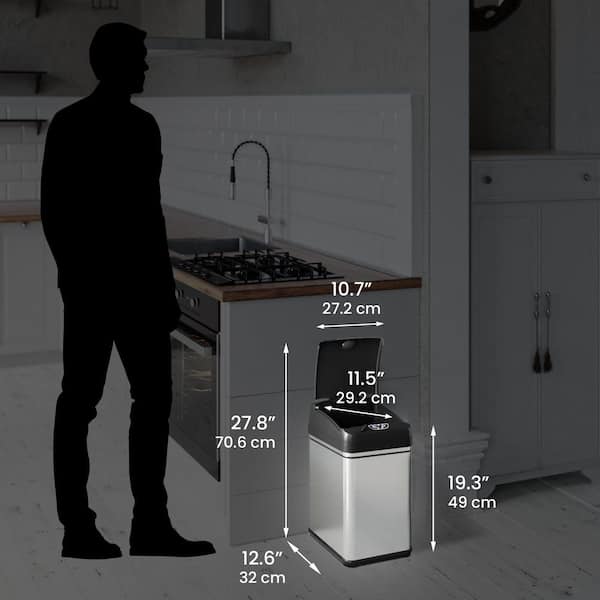
Finding the right size for a kitchen trash can is crucial for maintaining a tidy and efficient kitchen space. A trash can that’s too small might lead to frequent emptying, while one that’s too large could hog valuable floor space. Understanding standard kitchen trash can dimensions can help you strike the perfect balance. Let’s dive into the specifics of common sizes and volume capacity to guide your choice.
Common Sizes
Standard kitchen trash cans typically range from 10 to 20 gallons. This size is practical for most households, fitting comfortably under the sink or in a pantry. Some popular sizes include:
- 10-13 gallons:Ideal for smaller families or those who recycle most of their waste. It fits well in compact spaces and requires regular emptying.
- 14-16 gallons:A balanced option that suits average-sized families. It offers more room for trash without demanding too much space.
- 17-20 gallons:Great for larger households or those who produce more waste. Ensure you have enough room to accommodate its size.
Have you ever bought a trash can that just didn’t fit right? Measuring your kitchen space before purchase can prevent this common mistake.
Volume Capacity
The volume capacity of a trash can is often overlooked but plays a vital role in its functionality. A 13-gallon trash can, for instance, can hold about 50 liters of waste, which might be perfect for a weekly trash collection schedule. In contrast, a 20-gallon can hold up to 75 liters, offering extra space for those who prefer less frequent emptying.
| Size (gallons) | Volume (liters) |
|---|---|
| 10 gallons | 38 liters |
| 13 gallons | 50 liters |
| 20 gallons | 75 liters |
Consider your household’s waste production habits. Do you need a larger bin to handle family cooking and gatherings, or is a smaller can sufficient for your needs?
Choosing the right trash can size can significantly enhance your kitchen’s efficiency. Think about your daily habits and how often you’re willing to empty the bin. By aligning your needs with the dimensions and capacity, you’ll find the perfect fit for your kitchen.
Materials And Design
Choosing the right kitchen trash can goes beyond just size; materials and design play a crucial role in its functionality and aesthetic appeal. The materials used can impact durability, while the design can enhance or detract from your kitchen’s overall look. Let’s explore the common materials and design variations to help you make an informed decision.
Plastic Vs. Metal
Plastic trash cans are lightweight and affordable. They’re easy to clean, making them a popular choice for busy households. However, they might not stand up to heavy use over time.
Metal trash cans, on the other hand, offer durability and a sleek look. They are often made from stainless steel, which resists rust and stains. While they can be more expensive, their longevity and stylish appearance can justify the investment.
Consider your lifestyle and kitchen decor when choosing between plastic and metal. Which material aligns with your daily routine and aesthetic preferences?
Design Variations
Trash can designs vary widely, offering options like pedal bins, touchless models, and slim profiles. Pedal bins allow for hands-free operation, which is particularly useful when handling messy waste.
Touchless models utilize sensors to open the lid, adding a modern touch and minimizing contact. These are excellent for maintaining hygiene, especially in homes with young children.
Slim profile designs fit snugly into tight spaces, making them ideal for smaller kitchens. They maximize space without compromising capacity. Consider what design features matter most to you and your kitchen layout.
What design elements would enhance your kitchen experience? Is it the convenience of touchless operation, or the space-saving benefits of a slim profile?
Choosing The Right Size
Choosing the right size for a kitchen trash can is essential. It ensures convenience and efficiency in waste management. A perfect-sized trash can fits your space and meets your family’s needs. Let’s explore the factors to consider.
Space Considerations
Measure the space where the trash can will sit. Ensure it fits comfortably without blocking pathways. Consider the height under counters or cabinets. A slim design might work for tight spaces. Pay attention to the trash can’s lid. It needs space to open fully.
Family Needs
Consider your family’s size and waste production. A larger family might need a bigger trash can. This reduces the frequency of taking out the trash. Think about recycling habits. Separate bins for recycling may impact the main trash can size. Choose a size that fits your lifestyle.

Credit: www.amazon.com
Features To Consider
Choosing the right kitchen trash can involves more than just picking a size. Features play a crucial role in making a trash can functional and convenient. From lid types to odor control, each aspect impacts your daily kitchen experience.
Lid Types
Lid types can affect convenience and cleanliness. Flip lids are easy to use but might not seal odors well. Touchless lids offer hands-free operation, keeping germs at bay. Step-on lids allow quick access, especially useful during cooking. Consider your kitchen layout and how often you use the trash can.
Odor Control
Odor control is vital in keeping your kitchen fresh. Some trash cans have built-in filters to trap smells. Others use tightly sealing lids to prevent odors from escaping. Look for models with replaceable filters for long-term odor management. A well-designed trash can can keep unwanted smells away.
Maintaining Your Trash Can
Standard kitchen trash cans typically hold 13 gallons. This size fits well in most kitchen spaces. It provides adequate room for daily waste.
Maintaining your trash can is crucial for a clean kitchen. A well-maintained trash can helps avoid unpleasant odors and prevents pest issues. Regular upkeep ensures the trash can stays functional and hygienic. Here’s how to keep it in top shape.Cleaning Tips
Clean your trash can weekly. Use warm soapy water and a scrub brush. Rinse thoroughly to remove soap residue. Dry it completely to prevent mold growth. For stubborn odors, sprinkle baking soda at the bottom. Vinegar can also help neutralize smells. A clean trash can is less inviting for pests.Liner Options
Choosing the right liner is essential. Select a liner that fits snugly. Avoid oversized liners that slip. Opt for durable liners to prevent leaks. Drawstring liners are convenient and secure. Compostable liners are eco-friendly choices. Ensure the liner material is strong and tear-resistant. Quality liners protect the can and simplify waste disposal.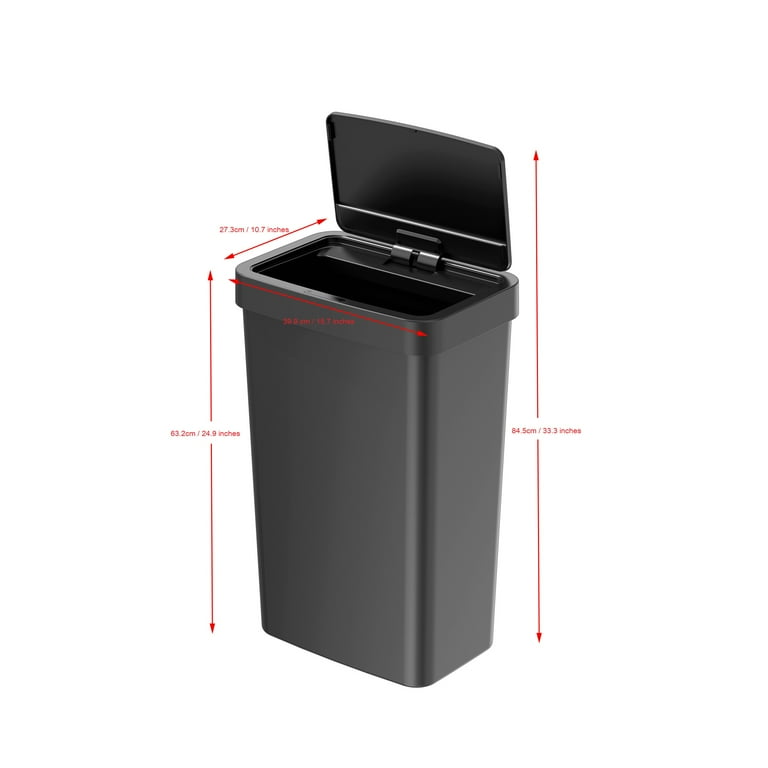
Credit: www.walmart.com
Credit: www.homedepot.com
Frequently Asked Questions
What Size Is A Normal Kitchen Trash Can?
A normal kitchen trash can typically holds between 10 to 13 gallons. This size fits most standard kitchens. It offers ample space for daily waste while being compact. Consider your household’s waste habits to choose the best fit.
What Is The Standard Size For Kitchen Trash Cans?
A standard kitchen trash can typically holds between 12 to 16 gallons. This size is ideal for most households. It fits well in kitchen cabinets and accommodates regular kitchen waste. Larger families might prefer bigger sizes. However, 12 to 16 gallons is a common choice for many.
How Do I Choose The Right Trash Can Size?
Consider your household size and waste output. For small families, 12 to 16 gallons is sufficient. Larger families might need bigger cans. Think about available kitchen space too. A compact can fits better in small kitchens. Also, check if you prefer frequent or less frequent trash take-outs.
Why Are Kitchen Trash Cans Measured In Gallons?
Gallons provide a clear volume measurement, helping consumers choose the right capacity. It standardizes trash can sizes for easy comparison. Using gallons ensures consistency across brands. It also helps in determining how much waste a can hold. This measurement is widely recognized and understood.
Conclusion
Choosing the right kitchen trash can size matters. A standard size fits most homes. It balances space and convenience. Typically, it holds about 13 gallons. This size suits medium to large families. Easy to use, easy to empty. Think about your kitchen layout.
Consider your waste habits. It’s important for efficiency. The right size helps keep your kitchen tidy. Don’t overlook this small detail. It makes a big difference. Find a trash can that fits your needs. Keep your kitchen clean and organized.
It’s a simple step towards a better home.

Hi, I’m Daniel Harper, a senior editor here at KitchenBucks.com. For over 10 years, I’ve been exploring kitchen gadgets and appliances to help people find tools that truly add value without breaking the bank. I love simplifying product choices so you can focus more on cooking and less on worrying about what to buy. When I’m not reviewing the latest gadgets, you’ll usually find me experimenting with coffee brewing or firing up the grill for a weekend barbecue.