
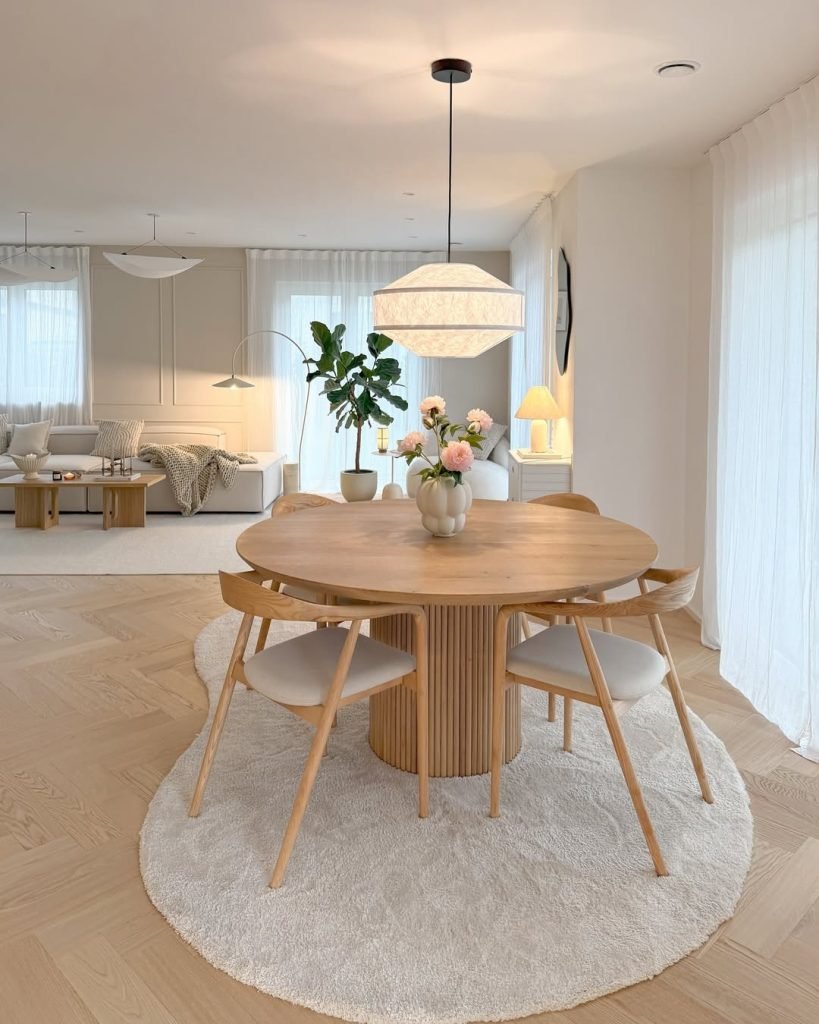
Choosing the right rug size for your kitchen table can completely change the look and feel of your space. You might think any rug will do, but the truth is, the perfect size makes your kitchen more inviting and comfortable.
If you pick a rug that’s too small or too big, it can make your dining area look off-balance or even cause your chairs to catch on the edges. You’ll discover exactly how to find the ideal rug size that fits your kitchen table and enhances your room.
Keep reading to transform your kitchen into a cozy, stylish spot where every meal feels special.
Choosing Rug Size For Kitchen Table
Choosing the right rug size for your kitchen table can transform the entire dining space. The right rug not only enhances the look but also protects your floor and defines the eating area. Let’s break down how to pick the perfect size that fits your table and seating comfortably.
Measuring Your Kitchen Table
Start by measuring the length and width of your kitchen table. Use a tape measure to get exact dimensions, including any leaves if your table expands. Don’t forget to account for space around the table where chairs move in and out.
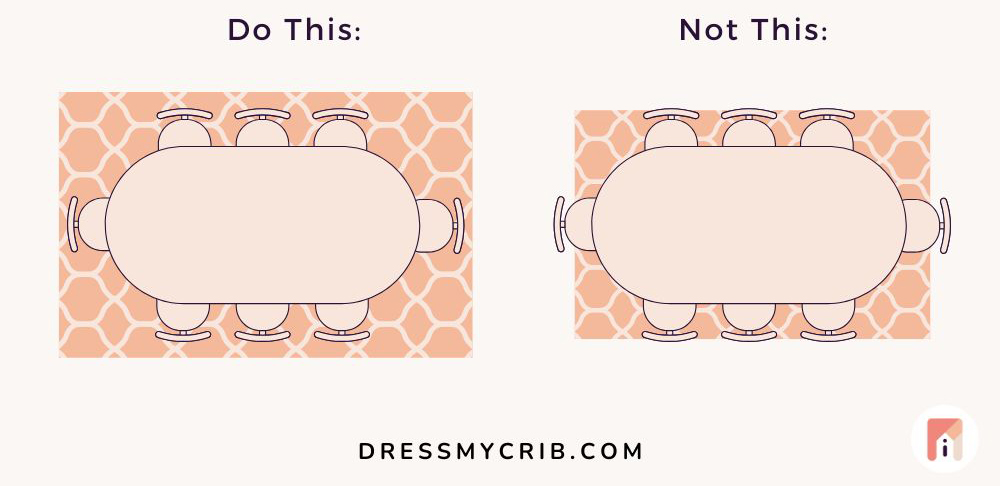
A good rule is to add at least 24 inches (about 60 cm) on each side of the table’s dimensions. This extra space ensures chairs stay on the rug even when pulled out. Without this, chairs can catch on the rug’s edge, creating an awkward and unsafe dining experience.
Considering Table Shape And Seating
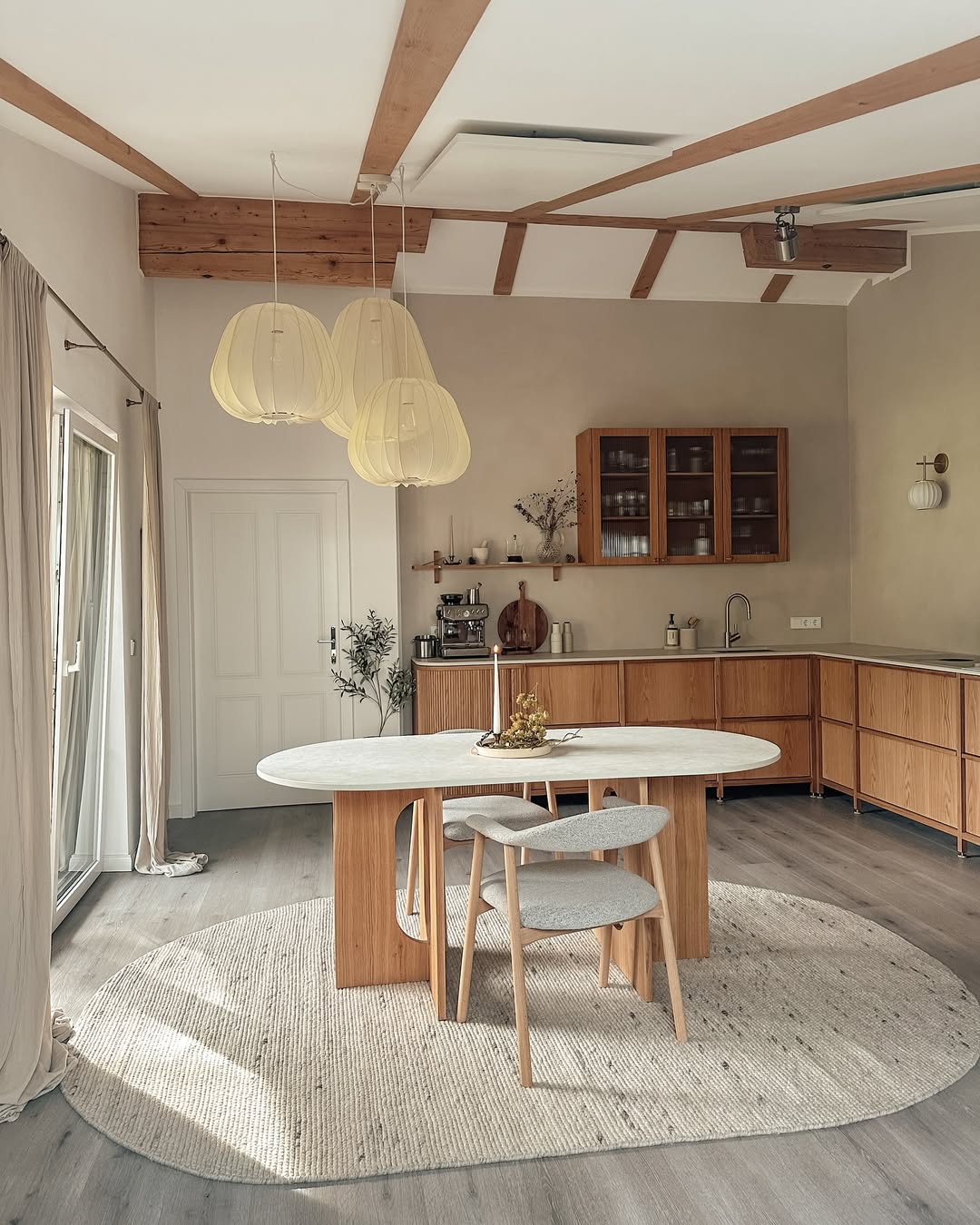
Your table’s shape affects the rug’s shape and size. For rectangular or oval tables, rectangular rugs work best. Round tables pair nicely with round rugs to create balance.
Think about how many people usually sit at your table. If you have six chairs, the rug should be large enough to cover the area beneath all chairs, even when they’re pulled out. This helps maintain a cohesive and comfortable look.
Have you noticed how an undersized rug makes a room feel cramped? Choosing the right size based on seating and shape can open up your space visually and functionally.
Credit: dressmycrib.com
Standard Rug Sizes For Kitchen Tables
Choosing the right rug size for your kitchen table can transform your dining area. A rug that fits well anchors the space, protects your floors, and adds comfort. Understanding standard rug sizes helps you pick one that complements your table perfectly without overwhelming or underwhelming the room.
Small Tables And Rugs
Small kitchen tables usually seat two to four people and measure around 36 to 48 inches in diameter or length. For these tables, a rug size of 4×6 feet is often ideal. This size provides enough room for chairs to move without catching on the rug’s edges.
Think about your kitchen’s layout. Does your small table have enough clearance around it for a 4×6 rug? If your space feels tight, consider a smaller rug but ensure it still extends at least 18 inches beyond the table edges.
Medium Tables And Rugs
Medium-sized kitchen tables typically seat four to six people, measuring about 48 to 60 inches. A 5×8 or 6×9-foot rug works well here. It offers ample coverage for chairs to slide back comfortably without slipping off the rug.
One tip from my own kitchen: I used a 6×9 rug under my 54-inch table, and it made cleaning easier. Crumbs stayed on the rug, not the floor, and the space felt cozy without looking cramped.
Large Tables And Rugs
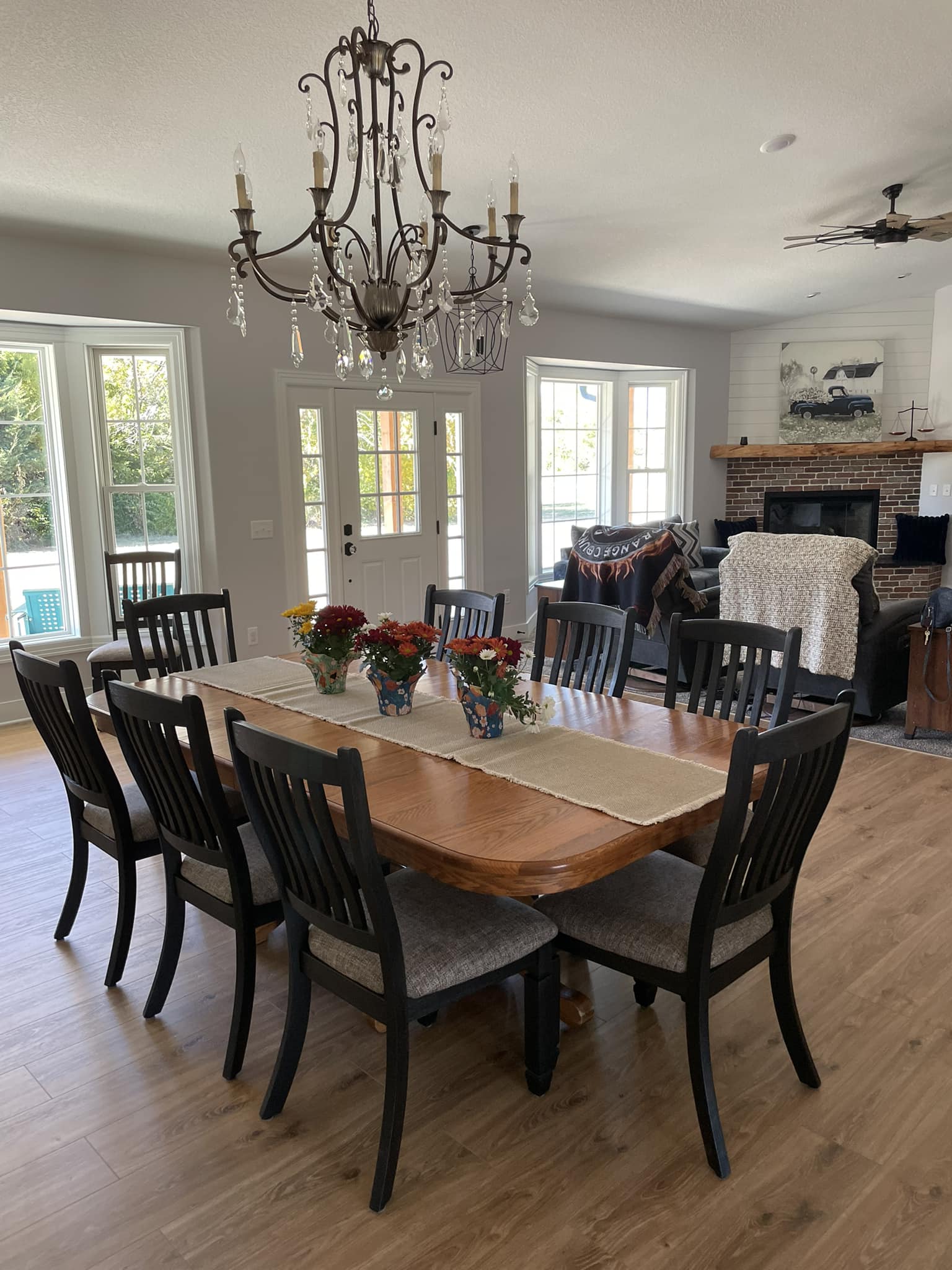
Large kitchen tables, seating six to eight or more, can be 72 inches or longer. Rugs sized 8×10 feet or larger suit these tables best. This size ensures that even when chairs are pulled out, they remain on the rug, preventing wear on your floors.
Before you buy, measure the table plus the space needed for chairs. Would an 8×10 rug fit your kitchen without blocking walkways? Sometimes, a larger rug can visually unify the dining area and make it feel more inviting.
Rug Placement Tips
Choosing the right rug size is important, but placing it correctly matters too. Proper rug placement improves the kitchen’s look and comfort. It helps protect floors and keeps chairs moving smoothly. Follow these simple tips for perfect rug placement under your kitchen table.
Allowing Space For Chairs
Leave enough space around the rug for chairs to move freely. Chairs should stay on the rug even when pulled out. This prevents the rug from slipping or bunching up.
- Extend the rug 24 inches beyond each side of the table.
- Ensure the rug is wide enough for chairs to fit fully on it.
- Keep chair legs stable on the rug for safety.
Aligning Rug With Kitchen Layout
Position the rug to match the kitchen’s shape and style. The rug should fit naturally under the table without crowding the space. Align it parallel to the walls or the table edges.
- Center the rug under the table for a balanced look.
- Match the rug’s shape with the table’s shape (round or rectangular).
- Keep pathways clear to avoid tripping hazards.
Credit: www.facebook.com
Material And Durability
Choosing the right material for a rug under your kitchen table affects both style and durability. The kitchen is a busy area prone to spills, stains, and heavy foot traffic. Selecting a durable rug material ensures it stays beautiful and lasts longer. Some materials resist stains and wear better than others. Consider how much cleaning the rug will need and how it handles moisture.
Best Materials For Kitchen Rugs
- Nylon:Durable, stain-resistant, and easy to clean.
- Polypropylene:Water-resistant, affordable, and strong against stains.
- Wool:Natural fiber, soft, and durable but needs careful cleaning.
- Olefin:Moisture-resistant and good for high traffic areas.
- Cotton:Soft and casual but less durable and absorbs spills easily.
Maintenance And Cleaning
Regular cleaning keeps your kitchen rug fresh and lasting longer. Vacuum the rug often to remove crumbs and dust. Clean spills immediately to avoid stains. Use mild soap and water for spot cleaning. Avoid harsh chemicals that can damage fibers. Some rugs can be machine washed, while others need professional cleaning. Check the care label before cleaning. Rotate the rug occasionally to even out wear and fading.
Style And Color Choices
Choosing the right style and color for your kitchen rug enhances the room’s overall look. Rugs can tie together different elements or stand out as a focal point. The right choice reflects your personal taste and complements the kitchen’s atmosphere.
Consider the kitchen’s existing colors and style. A well-chosen rug can bring warmth, texture, and personality. It also protects floors and defines the dining area under the table.
Matching Kitchen Decor
Pick a rug color that matches your kitchen’s main tones. Soft neutrals work well in bright, modern kitchens. Warm shades like beige or terracotta add coziness to rustic styles.
Patterns that echo your kitchen theme create harmony. Floral prints suit country kitchens. Geometric designs fit contemporary spaces.
- Use similar tones found in cabinets or walls
- Match rug patterns with curtains or cushions
- Choose textures that blend with other fabrics
Using Rugs To Add Contrast
Rugs can also add a splash of color to neutral kitchens. A bold rug brightens plain floors and adds energy. Bright reds, blues, or greens create a lively vibe.
Contrasting rugs break monotony and draw attention. They can make the dining area stand out as a unique spot.
- Pick colors opposite your kitchen palette on the color wheel
- Use contrasting patterns for visual interest
- Keep the rest of the decor simple to balance bold rugs
Common Mistakes To Avoid
Choosing the right rug size under a kitchen table can be tricky. Many people make avoidable mistakes that affect both style and function. Knowing common errors helps pick a rug that fits perfectly.
Choosing Rugs Too Small
A rug that is too small looks awkward and unbalanced. It can make the dining area feel cramped. Chairs might not stay fully on the rug when pulled out. This causes discomfort and wears out the floor unevenly. Always choose a rug that extends at least 24 inches beyond the table edges. This size keeps chairs on the rug and creates a cohesive look.
Ignoring Kitchen Traffic Flow
Traffic flow is often overlooked when placing a rug. A rug that blocks walkways causes trips and spills. It can make moving around the kitchen difficult. Leave enough space around the rug for easy movement. Make sure doorways and cabinets open freely. A well-placed rug enhances safety and comfort in the kitchen space.
Credit: dressmycrib.com
Frequently Asked Questions
What Size Rug Should Go Under A Kitchen Table?
Choose a rug at least 24 inches larger than your table on all sides. This allows chairs to move without falling off the rug. For example, a 36×48 inch table needs a 60×72 inch rug.
How Much Space Should A Rug Extend Beyond The Table?
A rug should extend 24 to 30 inches beyond the table edges. This provides enough room for chairs to slide back comfortably. It also protects your floor and anchors the dining area visually.
Can A Rug Protect Kitchen Floors From Spills?
Yes, a rug can protect floors from spills and stains. Choose a durable, stain-resistant rug with easy cleaning options. This helps maintain your kitchen floor’s appearance and reduces wear over time.
What Rug Shapes Work Best Under Kitchen Tables?
Rectangular rugs suit rectangular tables, while round rugs complement round tables. Matching shapes create a balanced, cohesive look. Avoid overly small or mismatched shapes that disrupt visual harmony.
Conclusion
Choosing the right rug size under your kitchen table makes a big difference. It helps keep chairs on the rug when pulled out. A rug that is too small looks odd and can cause trips. Measure your table and add at least two feet on each side.
This space gives room for movement and comfort. A well-sized rug also protects your floor from scratches. Remember, simplicity and function go hand in hand. Your kitchen will look neat and feel cozy with the perfect rug size.
Hi, I’m Daniel Harper, a senior editor here at KitchenBucks.com. For over 10 years, I’ve been exploring kitchen gadgets and appliances to help people find tools that truly add value without breaking the bank. I love simplifying product choices so you can focus more on cooking and less on worrying about what to buy. When I’m not reviewing the latest gadgets, you’ll usually find me experimenting with coffee brewing or firing up the grill for a weekend barbecue.