

Have you ever opened your kitchen sink cabinet and felt overwhelmed by the clutter? You’re not alone.
Knowing what to store under your kitchen sink can make a huge difference in keeping your space tidy and functional. Imagine reaching for cleaning supplies or trash bags without digging through a mess. You’ll discover simple, smart ways to organize that tricky space so everything you need is right at your fingertips.
Ready to transform your kitchen sink area into a neat, useful spot? Let’s dive in.
Credit: www.amazon.com
Assessing Your Kitchen Sink Space
Before deciding what to store under your kitchen sink, it’s crucial to take a good look at the space itself. Assessing your kitchen sink area helps you understand its size, any challenges it presents, and how to keep stored items safe and accessible. A well-evaluated space allows you to maximize storage without risking damage or inconvenience.
Measuring Dimensions
Start by measuring the width, depth, and height of the cabinet under your sink. Use a tape measure and write down these numbers carefully. Don’t forget to check the space from the floor to the bottom of any shelves or fixtures inside the cabinet.
Knowing exact dimensions helps you choose the right storage containers or organizers. Have you ever bought a storage bin only to find it doesn’t fit? Avoid that by measuring first.
Identifying Obstacles
Look for pipes, garbage disposals, water filters, or electrical outlets inside the cabinet. These obstacles reduce usable space and might limit what you can store. Take note of their location and size.
For example, plumbing pipes often run down the back wall and can block tall bottles or large containers. Being aware of these barriers helps you pick items that fit easily without causing damage or leaks.
Evaluating Ventilation
Check if the cabinet has any ventilation or airflow. Poor ventilation can cause moisture buildup and lead to mold or unpleasant odors. If your kitchen sink cabinet feels damp or musty, consider adding a small vent or using moisture absorbers.
Good airflow is especially important if you plan to store cleaning supplies or sponges under the sink. How often do you check for dampness in this hidden spot? A quick look can prevent bigger problems later.
Essential Items To Store
Knowing what essential items to store under your kitchen sink can make your daily chores smoother and your kitchen more organized. This often overlooked space is perfect for keeping things you reach for frequently but want tucked away. Let’s look at key categories that fit perfectly under this cabinet.
Cleaning Supplies
Cleaning supplies are the most common items to store here. Keep your multipurpose cleaner, sponges, scrub brushes, and gloves together for quick access. Use small bins or caddies to separate sprays from powders and cloths to avoid clutter.
Have you ever spent precious minutes searching for your favorite cleaner? Organizing these supplies under the sink saves time and keeps your countertop clear. Just make sure to avoid storing anything that could leak or damage the cabinet.
Trash Bags And Recycling
Trash bags fit perfectly under the sink, especially if you choose a box or dispenser that keeps them neat. Store different sizes in separate sections to make switching bags effortless.
Don’t forget recycling bags too. Keeping them close to your trash bags helps you separate waste quickly. You might be surprised how much easier sorting becomes when these bags are within arm’s reach.
Dishwashing Tools
Dishwashing tools like dish soap, scrubbers, and rinse aids belong here. Group these items on a small tray or container to prevent spills and keep everything in place.
Think about your dishwashing routine: do you prefer a brush or a sponge? Keeping these tools organized allows you to grab what you need without digging around. It also helps maintain a cleaner, more hygienic space under the sink.
Organizing Techniques
Keeping the space under your kitchen sink tidy can transform how you access cleaning supplies and other essentials. Smart organizing techniques help you use every inch efficiently, reducing clutter and saving time. You’ll find it easier to spot what you need, which means fewer frustrating moments digging through piles.
Using Stackable Bins
Stackable bins make good use of vertical space under your sink. Choose clear plastic bins so you can see what’s inside without pulling everything out. Group similar items together, like sponges, brushes, and dish soaps, to keep things orderly.
Try labeling each bin. It might seem simple, but it helps everyone in your home know where things belong. Have you ever spent minutes searching for that one bottle of cleaner? Stackable bins solve that problem quickly.
Installing Pull-out Drawers
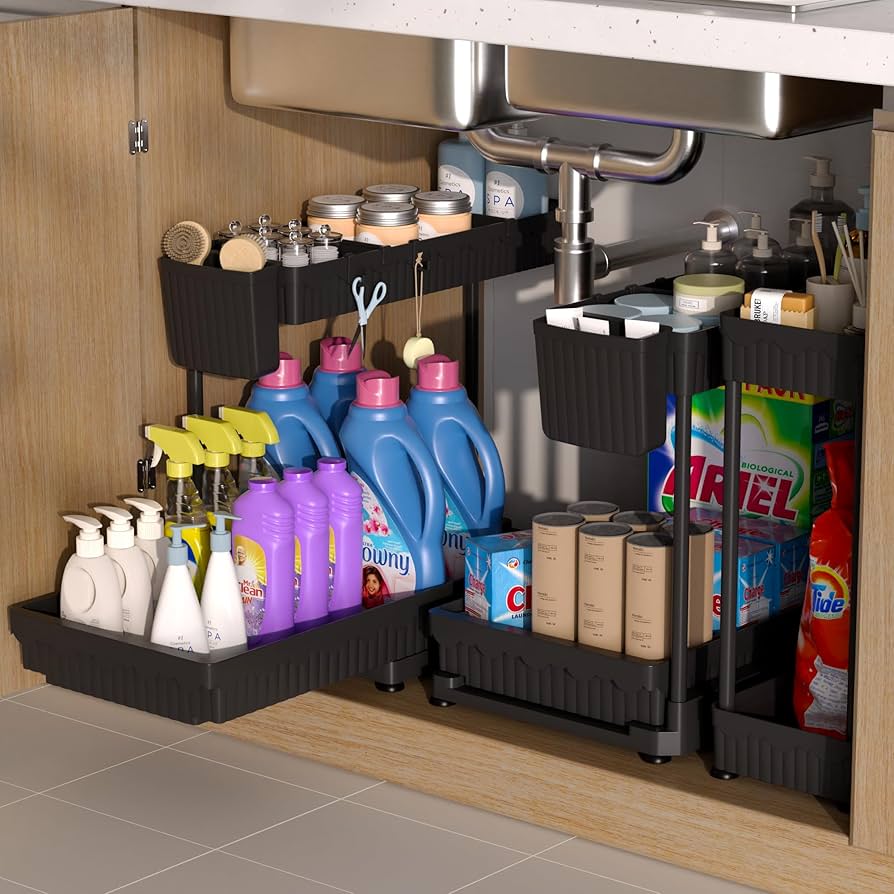
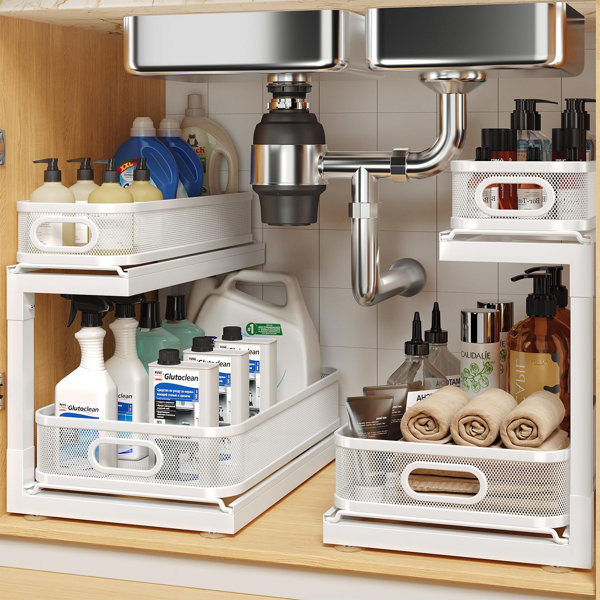
Pull-out drawers bring everything within easy reach. Instead of bending down and reaching into the back of the cabinet, you can slide the drawer out to see all your items at once. This is especially helpful for heavier items like detergent bottles.
Consider adjustable drawers that fit your space perfectly. You’ll appreciate how much easier it is to maintain order when you can grab what you need without a struggle. Wouldn’t it be great if your sink cabinet felt more like a mini pantry?
Hanging Storage Solutions
Don’t forget the inside of the cabinet doors. Adding hooks or small racks lets you hang gloves, brushes, or even spray bottles. This keeps frequently used items visible and frees up shelf space.
Magnetic strips can hold metal tools like scissors or small screwdrivers. This keeps everything organized and easy to find. Have you tried using your cabinet doors for storage yet? It’s an often-overlooked spot that can make a big difference.

Credit: www.amazon.com
Maximizing Vertical Space
Maximizing vertical space under the kitchen sink helps create more room for storage. It makes the area neat and easy to access. Using vertical storage ideas keeps cleaning supplies and tools organized. This way, you can fit more items without clutter.
Shelf Risers
Shelf risers add a second level inside the cabinet. They lift items off the bottom and create extra space above. Use them to store spray bottles, sponges, or small containers. This keeps everything visible and easy to reach.
Tension Rods For Bottles
Tension rods fit horizontally inside the cabinet. Hang spray bottles from the rod by their handles. This keeps bottles upright and stops them from tipping over. It also frees up space on the cabinet floor for other items.
Magnetic Strips
Magnetic strips stick to the cabinet walls or doors. Attach metal tools like scissors or small brushes to the strips. This keeps them off the bottom and within easy reach. Magnetic strips help keep small items organized and visible.
Safety And Maintenance Tips
Storing items under your kitchen sink can save space, but it also demands careful attention to safety and upkeep. This area often holds cleaning products and tools that need to be managed wisely to avoid accidents and damage. Let’s look at key tips that help keep your under-sink storage safe and well-maintained.
Childproofing Measures
If you have children at home, the kitchen sink cabinet can be a risky zone. Use childproof locks on cabinet doors to keep hazardous materials out of reach. Place dangerous items, like bleach or sharp tools, on higher shelves or in locked containers inside the cabinet.
Think about how often you open this cabinet. Could your child access it if you’re distracted? Taking a few extra seconds to secure this space can prevent serious accidents.
Preventing Mold And Moisture
Moisture is a common problem under the sink, especially because of leaks or condensation. Use a moisture absorber or a small dehumidifier to keep the space dry. Check plumbing regularly to catch leaks early—dampness leads to mold, which damages wood and creates health issues.
Have you noticed a musty smell under your sink? It’s a sign to inspect for hidden water. Fixing moisture problems quickly protects both your belongings and your home.
Regular Cleaning Routines
Cleaning under the sink should be part of your routine to maintain order and hygiene. Remove everything every few weeks and wipe down surfaces with a mild cleaner. This habit helps spot leaks, mold, or spills before they become bigger problems.
Try grouping similar items in clear bins. This makes it easier to clean and keeps everything visible, so you avoid buying duplicates or forgetting what you have.
Credit: www.wayfair.com
Creative Space-saving Ideas
Finding smart ways to save space under your kitchen sink can transform this often chaotic spot into a neat, functional area. Creative ideas help you fit more without clutter, making your daily kitchen tasks smoother. Let’s look at some practical solutions you can try right away.
Repurposing Containers
Instead of buying special organizers, look around your home for containers you already have. Old jars, baskets, and even sturdy boxes can hold sponges, brushes, and cleaning sprays neatly.
I once used a small basket from my closet to keep all the dish soaps together. It made grabbing what I needed faster and stopped bottles from toppling over every time I opened the cabinet.
Think about stacking containers or nesting smaller ones inside bigger ones to maximize vertical space. This way, you can separate items by type without mixing them up.
Labeling For Efficiency
Labels do more than just look tidy—they save you time searching for what you need. Clear labeling of bins or containers under your sink means you won’t have to empty everything to find one item.
You can use simple sticky labels or printable ones for a more uniform look. If you share your kitchen, labels help everyone put things back in the right place.
Ask yourself: How much easier would your kitchen routine be if every item had a clear, visible home?
Utilizing Door Interiors
The inside of your cabinet doors is often wasted space that can hold a lot. Attaching small racks, hooks, or magnetic strips here can store items like gloves, brushes, or even small cleaning bottles.
I added a slim rack inside my cabinet door to hold spray bottles upright. It freed up shelf space and kept sprays from leaking onto other items.
Consider what you use most under the sink and whether those items could hang or stand on the door instead. This simple change can open up much-needed room.
Frequently Asked Questions
What Items Should Be Stored Under The Kitchen Sink?
Store cleaning supplies, trash bags, sponges, and dish soap under the kitchen sink. Avoid storing food or heavy items to prevent moisture damage and clutter.
How To Organize Under The Kitchen Sink Effectively?
Use stackable bins, tension rods, and pull-out trays to organize under the sink. Keep frequently used items in front for easy access and label containers for better order.
Is It Safe To Store Chemicals Under The Kitchen Sink?
Yes, but keep chemicals in sealed containers and out of children’s reach. Avoid mixing different chemicals to prevent dangerous reactions and store them in well-ventilated areas.
Can I Store Food Under The Kitchen Sink?
It’s best to avoid storing food under the sink due to moisture and pests. Instead, store non-perishable food in a dry pantry or cupboard away from water sources.
Conclusion
Storing the right items under your kitchen sink keeps your space neat. Cleaners, sponges, and trash bags fit well in this spot. Avoid storing food or heavy items there. Use containers to keep things organized and dry. Regularly check for leaks or spills to protect your cabinets.
A tidy kitchen sink area saves time and reduces stress. Simple steps lead to a cleaner, safer kitchen every day. Try these tips and enjoy a more organized home.
