
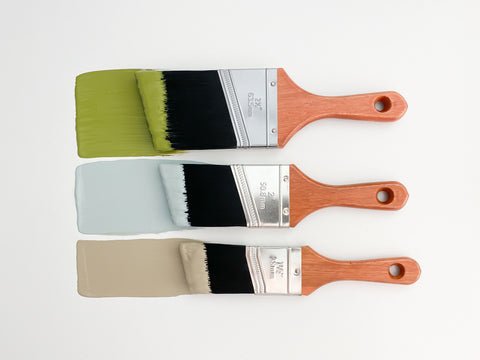
Are you planning to give your kitchen cabinets a fresh new look? Choosing the right paint brush is crucial to achieving a smooth and professional finish.
But with so many options available, how do you know which one is the best for your project? We’ll unravel the mystery behind paint brushes for kitchen cabinets, helping you make the right choice with confidence. Imagine transforming your kitchen effortlessly, with each stroke of the brush bringing you closer to the kitchen of your dreams.
By the end of this read, you’ll know exactly what type of paint brush to use, ensuring a stunning makeover that you’ll be proud to show off. Ready to dive in and discover the secrets to a flawless paint job? Let’s get started!
Brush Types For Cabinets
Choose a synthetic bristle brush for a smooth finish on kitchen cabinets. It works well with water-based paints. Angled brushes are ideal for corners and edges, ensuring clean lines.
Choosing the right paint brush for your kitchen cabinets can make all the difference in achieving that smooth, flawless finish. Whether you’re a DIY enthusiast or a seasoned painter, understanding the different brush types is essential for optimal results. Let’s dive into the various brush types that can elevate your cabinet painting project.Flat Brushes
Flat brushes are a staple in any painter’s toolkit. They’re perfect for wide, flat surfaces like cabinet doors. The broad bristles hold a lot of paint, allowing you to cover large areas quickly and evenly. These brushes are great for applying a consistent coat without leaving streaks. When I tackled my first cabinet project, a flat brush was my go-to for those expansive surfaces. It made the task manageable and satisfying. A flat brush is your best friend when dealing with large panels. Just remember to maintain steady strokes to avoid marks.Angled Brushes
Angled brushes are your secret weapon for detailed work. Their slanted bristles make it easy to reach corners and edges. They’re ideal for painting cabinet frames and the insides of door panels. I found angled brushes incredibly helpful when painting intricate moldings. They allowed me to navigate tricky spots without dripping or smudging. When precision is key, these brushes deliver. Consider using an angled brush for areas requiring finesse. You’ll appreciate the control it offers.Round Brushes
Round brushes are versatile and can be used for both broad strokes and detail work. Their rounded bristles are excellent for blending and creating smooth transitions. On one occasion, I used a round brush to add a distressed look to my cabinets. It gave me the flexibility to layer and blend colors effortlessly. If you’re looking to experiment with textures, a round brush is a fantastic choice. Round brushes are perfect for adding character to your cabinets. Don’t hesitate to try them for creative effects. Choosing the right brush type can transform your kitchen cabinets from ordinary to extraordinary. Which brush will you choose for your next project?
Credit: www.countrychicpaint.com
Material Considerations
Choosing the right paint brush for kitchen cabinets isn’t just about size or shape; the material of the bristles plays a crucial role in the finish you’ll achieve. The type of bristles can affect the paint application, the smoothness of the finish, and how easy it is to clean the brush afterward. Let’s dive into the material considerations for the ideal paint brush for your kitchen cabinets.
Natural Bristles
Natural bristle brushes, often made from animal hair, are excellent for oil-based paints. Their soft texture helps to apply paint smoothly, minimizing streaks and brush marks. If you’re using a glossy oil-based paint for your cabinets, natural bristles can provide a professional finish. However, cleaning these brushes can be a bit challenging and requires solvents instead of just water. Are you ready to commit to the extra care for that perfect finish?
Synthetic Bristles
Synthetic bristles, typically made from nylon or polyester, are versatile and suitable for both water-based and oil-based paints. They are more durable than natural bristles and less prone to wear over time. If you’re planning on using latex paint, synthetic bristles are your best friend. They’re easy to clean with water, making them a practical choice for busy homeowners. Can synthetic bristles be your go-to for all your painting projects, given their adaptability and ease of maintenance?
Size And Width Choices
Choosing the right paint brush size for kitchen cabinets is crucial. Small brushes offer precision in tight spaces, while wider brushes cover larger areas efficiently. Selecting the correct width ensures smooth, even application.
Choosing the right paint brush for your kitchen cabinets can significantly influence the outcome of your project. The size and width of the brush are crucial factors that determine how smooth and uniform your finish will be. Selecting the appropriate brush size and width can make the task easier and more efficient, ultimately saving you time and ensuring professional-looking results.Small For Detail
A small brush is your best friend for detailed work. Think about those intricate corners and edges around cabinet handles and hinges. Using a brush with a narrow width allows you to maneuver into tight spaces effortlessly. This precision is essential for achieving a seamless finish in areas that require a delicate touch. Imagine painting around the decorative moldings of your cabinets; a small brush gives you control, preventing accidental paint smudges on adjacent surfaces.Large For Coverage
For broader surfaces, a large brush is ideal. It covers more area in fewer strokes, making the process quicker and more efficient. Using a wide brush can help you achieve an even coat on large cabinet doors. This minimizes streaks and ensures a consistent finish across expansive surfaces. Consider the time savings when covering large areas; a larger brush reduces the need for constant dipping, allowing you to focus on smooth application without frequent interruptions. What size brush do you currently use for your kitchen cabinets, and how has it affected your painting experience? The right choice could transform your painting task from tedious to enjoyable, giving you the satisfaction of a job well done.Handle Design
Choosing the right paint brush for kitchen cabinets enhances precision and finish quality. Opt for synthetic bristles for smooth paint application. Angular brushes reach corners effectively, ensuring a professional look.
Handle design plays a crucial role in the comfort and control of your paintbrush. Choosing the right handle can make a difference in your painting experience. Kitchen cabinets often need precision and steady strokes. The handle design affects how easily you can maneuver the brush.Short Handles
Short handles offer better control in tight spaces. They are ideal for detailing work on cabinets. A short handle allows for closer grip to the brush head. This design helps achieve more precise strokes. Short handles are less tiring to use for extended periods. Perfect for painting intricate cabinet corners and edges.Long Handles
Long handles provide extended reach for larger surfaces. They are useful for painting cabinet doors and wide panels. A long handle can help in maintaining consistent brush strokes. It offers more leverage and is suitable for sweeping motions. Long handles are great for covering large areas quickly. Choose a comfortable grip for less strain on your hand.Expert Recommendations
Choosing the right paint brush for kitchen cabinets is crucial. Experts have shared their insights to help you make the best choice. With the right tools, your cabinet painting project will look professional and last longer.
Best Brands
Several brands stand out for their quality and reliability. Wooster offers brushes that are durable and easy to clean. Purdy is another trusted name, known for its smooth finish. Both brands provide brushes that hold paint well and minimize streaks.
Professional Tips
Professionals recommend using a brush with synthetic bristles. These bristles work well with water-based paints. Choose an angled brush for detailed work on cabinet edges. A 2.5-inch brush size is ideal for most cabinet surfaces.
Before painting, condition your brush by wetting it slightly. This helps the brush to hold paint better and ensures a smoother application. Clean your brush thoroughly after use to maintain its quality for future projects.
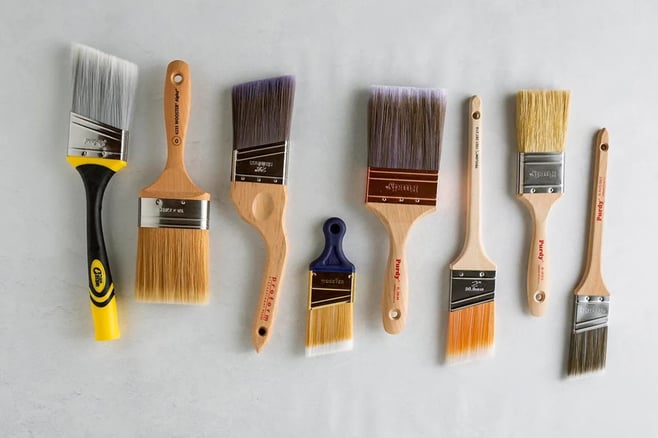
Credit: tomcurrencompanies.com
Maintenance Tips
Choose a high-quality synthetic bristle brush for a smooth finish on kitchen cabinets. It handles latex paint well and offers good control. Ensure the brush is angled for easier application in corners and edges.
Maintaining your paint brushes ensures a smooth finish on kitchen cabinets. Proper care extends their life, saving you money and time. Follow these easy maintenance tips to keep your brushes in top condition. You’ll have a reliable tool every time you decide to refresh your cabinets.Cleaning Brushes
Clean brushes immediately after use with warm, soapy water. Rinse thoroughly to remove all paint residues. Use a brush comb to remove paint trapped in bristles. For oil-based paints, use mineral spirits for cleaning. Dry the brush flat or hang it with bristles downward.Storing Properly
Store brushes in their original packaging to maintain shape. Alternatively, wrap them in paper or cloth. Keep brushes in a dry place to prevent mildew. Avoid storing with bristles touching other surfaces. This prevents damage and bending.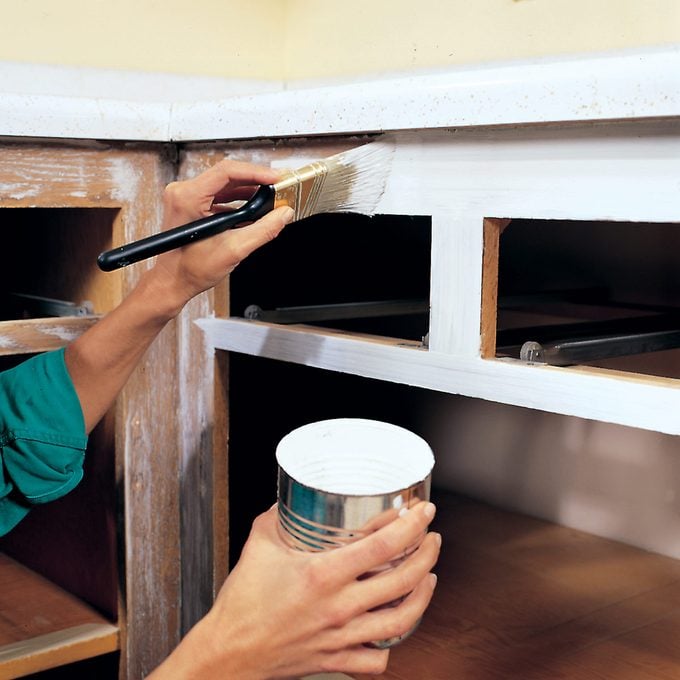
Credit: www.familyhandyman.com
Frequently Asked Questions
What Kind Of Brush Do You Use To Paint Kitchen Cabinets?
Use a high-quality synthetic bristle brush for painting kitchen cabinets. It provides smooth application and excellent coverage. Choose a brush with angled bristles for precise control in corners and edges. Ensure the brush size fits the cabinet’s surface for optimal results.
A 2-2. 5 inch brush is commonly recommended.
How To Avoid Brush Strokes When Painting Kitchen Cabinets?
Use a high-quality brush or roller for smooth application. Sand cabinets thoroughly before painting. Apply a primer to ensure even coverage. Use thin, even coats of paint. Sand lightly between coats for a flawless finish.
Should I Use A Soft Or Firm Brush For Cabinets?
Use a soft brush for cabinets to prevent scratches and preserve their finish. Firm brushes can damage surfaces. Soft bristles ensure gentle cleaning, maintaining the cabinet’s appearance and longevity. Avoid using harsh materials or techniques to keep your cabinets looking pristine and well-maintained.
Is It Better To Paint Kitchen Cabinets With A Roller Or Brush?
Using a roller provides a smooth finish for kitchen cabinets. Brushes are ideal for detailed areas and corners. Combining both tools ensures a professional look. Choose quality materials for the best results.
Conclusion
Choosing the right paintbrush matters for kitchen cabinets. It affects the finish and ease of application. Consider the brush material. Natural bristles suit oil-based paints. Synthetic bristles work well with water-based paints. Size is crucial. Small brushes help with detailed areas.
Wider brushes cover large surfaces quickly. Handle comfort is key for longer projects. Test different types before deciding. Quality brushes last longer and give better results. Proper care extends their lifespan. Happy painting! Your kitchen cabinets will look great with the right brush choice.
