
Imagine pulling a perfectly baked pie from the oven, its golden crust glistening with promise. But what if your pie pan is the unsung hero behind this masterpiece?
Choosing the right pie pan can make all the difference between a soggy bottom and a crispy delight. Whether you’re a seasoned baker or a kitchen newbie, understanding what type of pie pan is best for your needs is crucial.
You’ll discover how different materials can affect your pie’s texture and taste, and learn which features can elevate your baking game. Are you ready to transform your pies into show-stopping creations? Dive into the world of pie pans and uncover the secrets to pie perfection.
Material Options
The type of pie pan you choose can significantly affect your baking results. Material options can enhance or hinder your pie-making process, so selecting the right one is crucial. From classic glass to modern silicone, each material offers distinct benefits and challenges.
Glass Pans
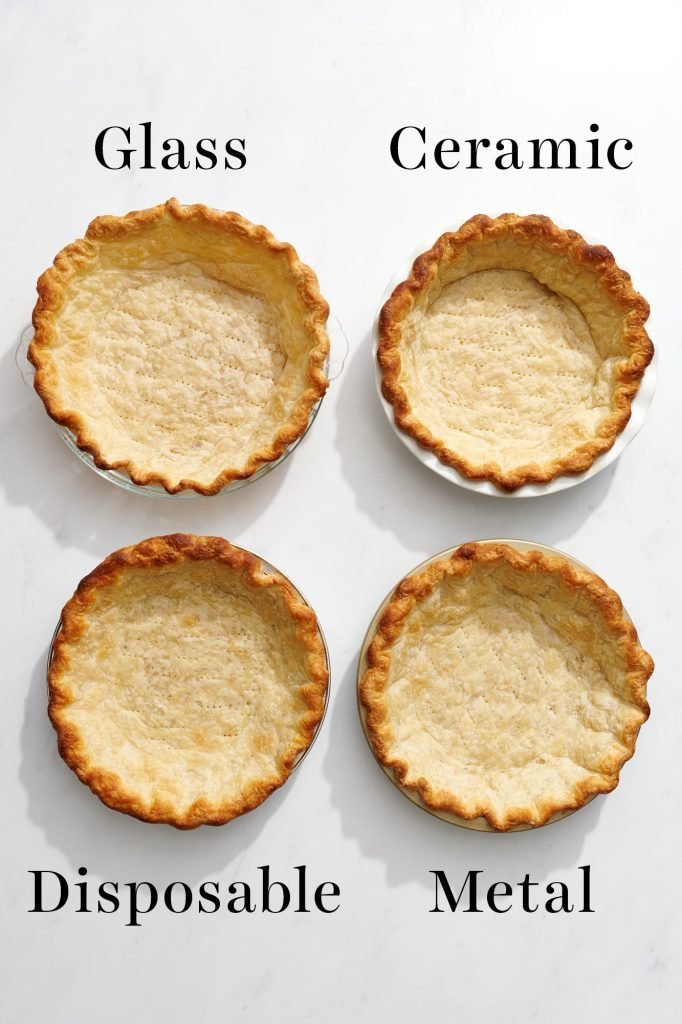
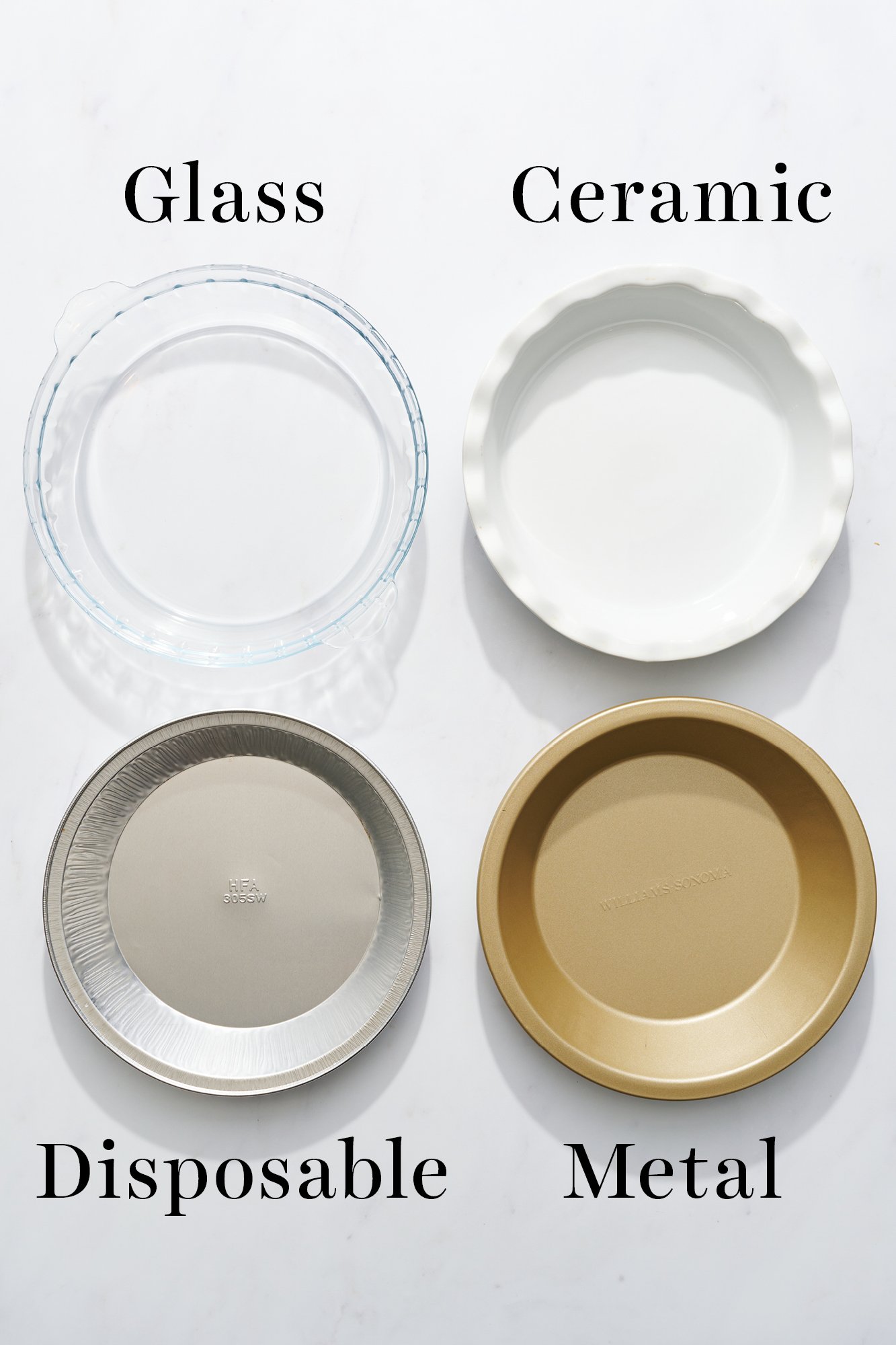
Glass pans are a favorite for their even heat distribution. They allow you to see the bottom of your pie, ensuring the crust is perfectly golden. A downside? They can be fragile. If you’re like me, prone to dropping things, you might want to be careful with these.
Metal Pans
Metal pans are robust and heat up quickly. This makes them ideal for achieving a crispy crust. However, they may not be the best for delicate pies that require slow cooking. If speed is your game, metal pans might be your go-to.
Ceramic Pans
Ceramic pans are not just pretty; they retain heat well. Great for evenly cooked pies, they do take longer to heat up. Their weight can be a drawback, especially if you often bake large pies. But if presentation matters to you, ceramic adds a touch of elegance to your table.
Silicone Pans
Silicone pans are flexible and non-stick, making them a breeze to clean. They might not provide the same crisp crust as other materials. If your priority is easy removal and cleaning, silicone could be your best friend. Have you ever tried using one for a pie? It might change your baking routine!
So, which pie pan material suits your baking style? Consider your priorities – whether it’s the perfect crust, ease of cleaning, or presentation – and choose accordingly. Remember, the best pie pan is the one that fits your needs and makes you excited to bake.
Credit: handletheheat.com
Size And Shape Considerations
Choosing the right pie pan can affect your pie’s outcome. Size and shape play a crucial role in baking perfection. The pan determines how the crust and filling cook. Different sizes and shapes suit different pie types. Understanding these variations helps you make better baking choices.
Standard Sizes
Standard pie pans are typically 9 inches in diameter. They are perfect for most classic pie recipes. These pans provide an even bake and consistent results. Their size makes them versatile for both sweet and savory pies. They are a staple in many kitchens.
Deep-dish Pans
Deep-dish pans are ideal for pies with lots of filling. These pans are deeper than standard pans, often over 2 inches. They are great for pies with rich, thick fillings. Their depth allows for creative pie designs and thick crusts. Consider them for hearty or layered pies.
Mini Pans
Mini pans are perfect for individual servings. These small pans are usually 4 inches wide. They are great for parties or personal treats. Mini pies cook faster and allow for variety. They offer a fun way to serve pies to guests. Experiment with flavors using mini pans.
Heat Conductivity
Choosing the right pie pan affects your pie’s outcome. Heat conductivity is a key factor. It determines how heat spreads through the pan. This impacts how the pie bakes. Different materials conduct heat differently.
Even Baking
A good pie pan ensures even baking. Aluminum pans are excellent for this. They heat up quickly and distribute heat evenly. This prevents undercooked or overcooked spots in your pie. Glass pans also offer uniform heat distribution. They hold heat well, allowing the pie to cook steadily.
Browning And Crust Texture
The right pan affects crust browning and texture. Metal pans, especially dark ones, promote browning. They absorb heat fast, creating a crisp crust. Glass pans let you see the crust as it browns. They help achieve a golden and flaky texture. Ceramic pans heat slowly but evenly. They are great for achieving a tender crust.
Credit: www.kingarthurbaking.com
Non-stick Features
Choosing the right pie pan enhances your baking experience. Non-stick pans offer easy release, preventing crusts from sticking and ensuring perfect slices. For effortless cleaning, non-stick features are ideal, saving time and preserving your pies’ delicate shape.
When deciding on the best pie pan for your baking adventures, non-stick features can make a world of difference. Imagine effortlessly releasing a perfectly baked pie from its pan without any struggle. A non-stick pie pan can offer this delightful experience. But what should you look for? Let’s delve into some key aspects.Ease Of Release
Having a pie stick to the pan can be frustrating and ruin your dessert’s presentation. Non-stick pie pans are designed to minimize this issue. They often feature a special coating that helps the pie slide out smoothly. This means fewer broken crusts and more beautiful pies. Think about the times you’ve struggled with a pie that just wouldn’t come out cleanly. A quality non-stick pan can save you from those moments. Next time, impress your guests with a pie that looks as good as it tastes.Cleaning And Maintenance
Cleaning up after baking should be quick and easy, not a chore. Non-stick pie pans simplify the process. Their surfaces don’t allow food to cling stubbornly, making washing a breeze. A simple rinse or wipe is often enough to get the job done. Consider this: you finish baking, and the last thing you want is to spend ages scrubbing. With a non-stick pan, you can enjoy more time savoring your dessert and less time cleaning up. It’s like having a little helper in the kitchen. Are you ready to make pie baking easier and more enjoyable? Embrace the benefits of non-stick pie pans and transform your culinary experience. Your pies—and your patience—will thank you!Durability And Longevity
Choosing the right pie pan can make a big difference. If you bake often, consider durability and longevity. A sturdy pie pan lasts longer and withstands regular use. You want a pan that maintains its shape and quality over time. This section explores the key aspects of a durable pie pan.
Wear And Tear
Frequent baking can lead to wear and tear on pie pans. A durable pan resists scratches and dents. It should handle heavy use without losing its charm. Stainless steel and ceramic pans often excel in this area. Their tough materials resist damage well.
Resistance To Warping
Pie pans can warp under high heat. Warping affects the pie’s shape and quality. Look for pans that resist warping. Aluminum and cast iron pans are known for their stability. They maintain their form even in hot ovens. This ensures your pies bake evenly every time.
Price Range Considerations
Selecting the right pie pan involves considering the price range. Affordable pans often consist of aluminum or glass. Higher-priced options include durable ceramic or cast iron for better heat distribution.
When choosing the best pie pan, the price range is a crucial consideration. Different pans come at varying costs, and it’s essential to understand how much you’re willing to spend. This can help you decide which type will best suit your baking needs without breaking the bank.Budget-friendly Options
If you’re watching your wallet, there are plenty of pie pans that won’t drain your savings. Glass and aluminum pans are excellent budget-friendly choices. They conduct heat well and are often available for under $10. I once grabbed an aluminum pie pan from a local dollar store when I was in a pinch. Surprisingly, it baked my apple pie evenly, with a golden crust. You don’t always need to spend a fortune to bake a delicious pie. Non-stick options can also be affordable. However, you should check reviews for durability because some may wear out quickly. Remember, it’s not just about the initial cost but how long the pan will last.Premium Choices
If you’re willing to invest a bit more, premium pie pans offer unique benefits. Ceramic pans, for example, often have beautiful designs and are excellent for serving. They retain heat well, ensuring your pie stays warm longer. For those who love baking often, investing in a high-quality stainless steel pan might be worth it. They are durable, resistant to scratches, and provide even cooking. Imagine baking a pie that looks perfect and tastes even better. That’s the promise of a premium pie pan. But think about this: Are the added features worth the extra cost for you? Consider what type of baker you are. If you’re baking daily, the long-term benefits of a premium pan might outweigh the initial price. But if it’s a seasonal activity, budget options could suffice. Ultimately, your choice should align with your baking habits and budget. Whether you go for budget-friendly or premium, the best pie pan is the one that meets your specific needs.Expert Recommendations
Choosing the right pie pan can be a daunting task. Different materials and designs offer varied baking results. Experts often recommend pans based on personal baking needs. Let’s explore what seasoned bakers prefer.
Baker’s Favorite Pans
Aluminum pans are a top choice for many bakers. They provide even heat distribution, ensuring a well-baked crust. Glass pans also rank high for their ability to let you see the crust. This helps in avoiding underbaking or overbaking. Ceramic pans are loved for their aesthetic appeal and heat retention. They keep pies warm longer, perfect for serving.
Professional Tips
Experts suggest using non-stick pans for easy pie removal. Non-stick surfaces prevent crusts from sticking and breaking apart. When using glass pans, reduce the oven temperature slightly. This prevents the crust from browning too quickly. For those using aluminum, consider using a light-colored one. Dark pans absorb more heat, which can lead to burnt crusts.
:max_bytes(150000):strip_icc()/EmileHenry_PiePan_04-d29318890cb94edeaf259cf64f28ecbf.jpg)
Credit: www.thespruceeats.com
Frequently Asked Questions
What Materials Are Used For Pie Pans?
Pie pans are made from various materials, including glass, metal, and ceramic. Glass pans offer even baking and visibility. Metal pans, like aluminum or steel, heat quickly and produce crisp crusts. Ceramic pans provide heat retention and aesthetic appeal. Choose based on your baking preferences and desired pie texture.
Are Glass Pie Pans Better For Baking?
Glass pie pans are ideal for even heat distribution and monitoring. They allow you to see the crust’s progress, ensuring perfect doneness. Glass retains heat well, keeping pies warm longer. However, they may produce softer crusts compared to metal pans.
Consider your preference for crust texture when choosing.
What Is The Advantage Of Metal Pie Pans?
Metal pie pans, often aluminum or steel, heat quickly for a crisp crust. They’re lightweight and durable, making them easy to handle. Metal pans are great for achieving flaky, golden crusts. They may bake faster than glass or ceramic pans, so monitor to prevent over-baking.
Do Ceramic Pie Pans Affect Baking?
Ceramic pie pans offer excellent heat retention and even baking. Their attractive designs make them great for serving directly from oven to table. Ceramic is heavier, providing stability but may need longer baking times. They produce evenly cooked pies with a well-browned crust, ideal for deep-dish pies.
Conclusion
Choosing the right pie pan makes a big difference. Glass pans offer even cooking. Metal pans give crispy edges. Ceramic pans look elegant on the table. Each type has its own strengths. Think about what you need most. Do you want even heat or a pretty presentation?
Consider your favorite type of pie too. Match your pan to your pie and needs. This way, every pie turns out just right. Enjoy baking with the perfect pie pan. Happy pie making!
