
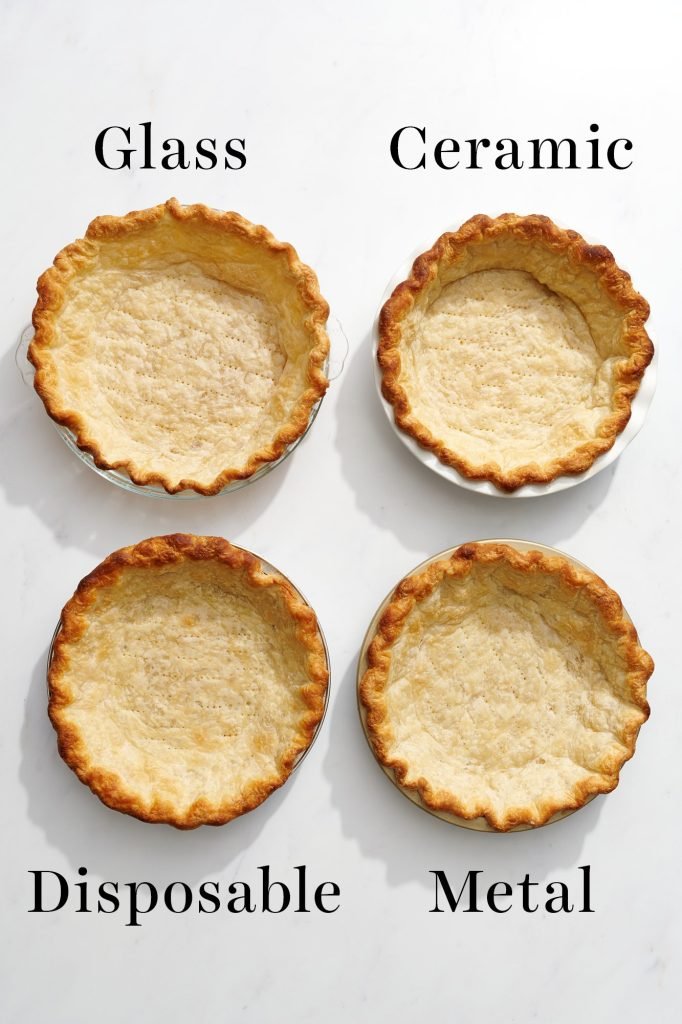
Imagine the perfect pie—golden crust, bubbling filling, and a heavenly aroma wafting through your kitchen. But did you know that the pan you use can make or break your pie-baking success?
Choosing the right pie pan is essential for achieving that flawless bake. With so many options out there, it’s easy to feel overwhelmed. You might wonder if a glass, ceramic, or metal pan is your best bet. You’ll discover the secrets behind selecting the ideal pie pan that suits your baking style and elevates your pie game.
Get ready to uncover the simple yet crucial details that can transform your pies from good to unforgettable.
Material Options
Choosing the right pie pan material can significantly impact your pie’s outcome. Each type of pan has its unique characteristics, affecting everything from crust texture to baking time. Have you ever wondered why your pie crust doesn’t turn out as crispy as you’d like? The answer might lie in the material of your pie pan. Let’s dive into the different material options and discover which one suits your baking needs best.
Glass Pans
Glass pans are a popular choice for many home bakers. They offer the advantage of even heat distribution, which helps your pie cook uniformly. Ever noticed how you can see the crust browning through the glass? It’s a helpful feature that allows you to monitor the baking process without opening the oven. However, remember that glass pans may require a slightly longer baking time compared to other materials.
Metal Pans
Metal pans, particularly those made of aluminum or stainless steel, are great for achieving a crisp crust. They heat up quickly, reducing baking time, but they also cool down fast. This makes them ideal for recipes requiring a quick bake. Consider using a metal pan if you love a golden, flaky crust. However, be cautious with acidic fillings, as they can react with the metal and affect the flavor.
Ceramic Pans
Ceramic pans are perfect for pies that need a slow, gentle bake. They retain heat well, ensuring your pie stays warm even after leaving the oven. Ever baked a pie in a ceramic pan and marveled at its rustic appearance? It’s a bonus for presentation. But keep in mind, ceramic pans can be quite heavy, so handle with care.
Silicone Pans
Silicone pans are the newcomers in the baking world. They offer flexibility, making it easy to remove your pie without damaging the crust. If you’ve ever struggled with sticking, silicone might be your answer. However, they don’t brown the crust as efficiently as other materials. Consider using them for chilled or no-bake pies where browning isn’t crucial.
In your quest for the perfect pie, which material resonates with you the most? Each has its pros and cons, so choose based on your baking style and the type of pie you’re making. Your pie pan isn’t just a vessel; it’s a critical component of your baking success.
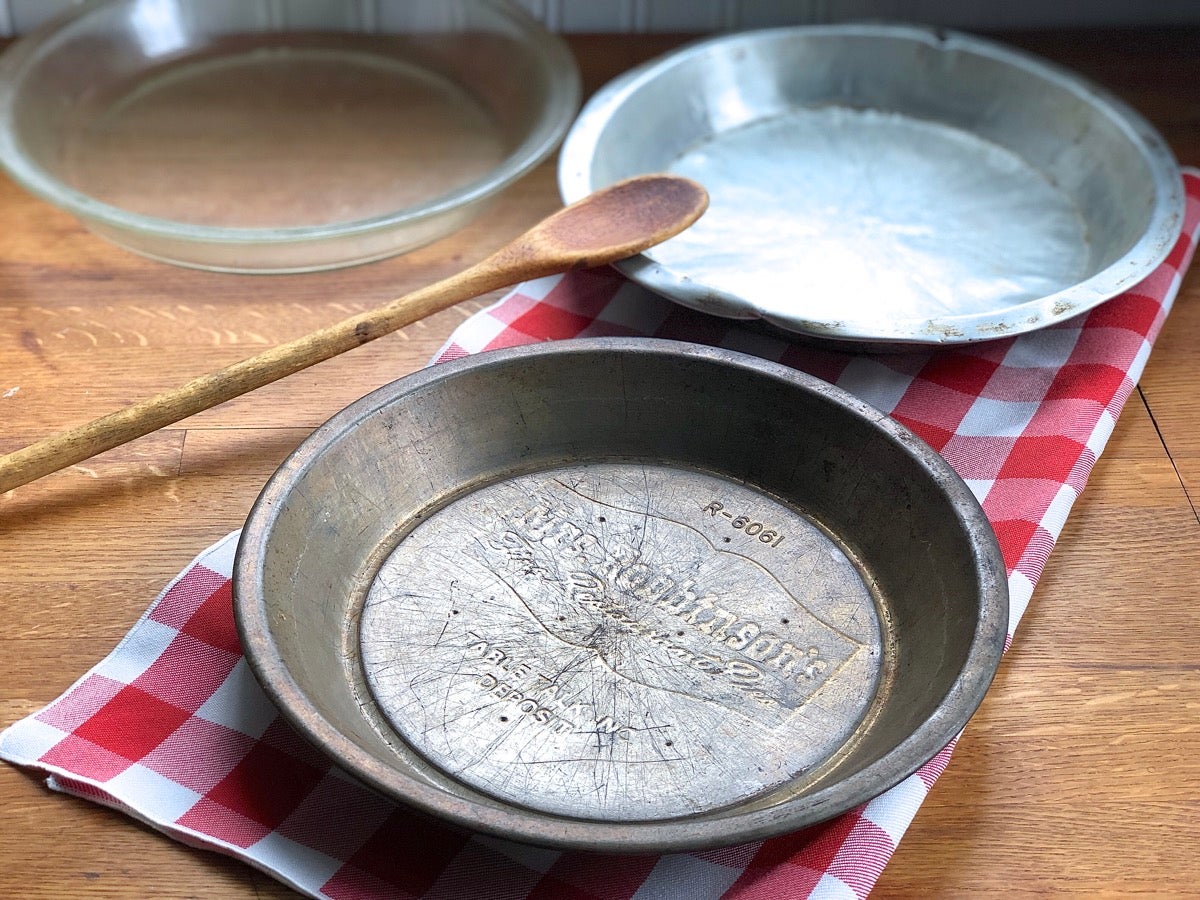
Credit: www.kingarthurbaking.com
Size And Shape
Pie pans come in various sizes and shapes, each affecting baking results. Round pans are popular for even baking. Deep-dish pans suit hearty pies.
When choosing a pie pan, size and shape play a crucial role in determining how your pie turns out. The right pan ensures even baking, proper crust texture, and the perfect filling-to-crust ratio. Let’s dive into the different options to help you find the best fit for your pie-baking adventures.Standard Sizes
Standard pie pans typically measure around 9 inches in diameter. This size is ideal for most traditional pie recipes, like apple or pecan, which often list ingredients for this specific dimension. Using a standard size pan can help ensure your pie cooks evenly, without overflow or undercooked centers. If you’re experimenting with new recipes, this size is a reliable choice, as most cookbooks and online recipes use it as a reference.Deep-dish Variants
Deep-dish pie pans are designed for those who love a generous filling. These pans are usually around 1.5 to 2 inches deep, compared to the standard 1 to 1.25 inches. Imagine biting into a luscious, thick slice of chicken pot pie or a towering fruit pie; deep-dish pans make that possible. They are perfect for recipes that call for more filling, but remember to adjust your baking time accordingly to avoid a soggy bottom.Mini Pie Pans
Mini pie pans are a delightful way to create individual servings. They typically range from 4 to 5 inches in diameter, making them perfect for personal-sized desserts or savory pies. These are great for dinner parties or family gatherings, offering guests their own pie without the need for cutting and serving. Have you considered making a variety of mini pies for a dessert sampler platter? Mini pans can add creativity and fun to your baking repertoire. Think about what type of pie experience you want to create. Are you a fan of deep, hearty slices or do you prefer smaller, more personal pies? Choosing the right size and shape can turn a good pie into a great one.Heat Conductivity
Heat conductivity is crucial in pie baking. It ensures your pie cooks evenly and has a perfect texture. Different materials conduct heat differently, affecting the pie’s outcome. Some pans distribute heat well, while others might not. Understanding heat conductivity helps in choosing the right pie pan for your baking needs.
Even Baking
Aluminum pans conduct heat efficiently. This results in evenly baked pies every time. They are lightweight and easy to handle. Glass pans also offer good heat distribution, visible through the clear material. You can see the pie’s progress, ensuring even baking. Ceramic pans hold and distribute heat evenly. They are ideal for pies requiring slow, consistent baking.
Browning Effect
Metal pans, like aluminum and steel, excel at browning the crust. They heat quickly, creating a crispy, golden finish. Glass pans brown the pie’s bottom beautifully. The heat penetrates through the glass, enhancing the crust’s color. Ceramic pans are perfect for achieving a deep browning effect. Their heat retention allows for a rich, flavorful crust.
Ease Of Use
Baking pies can be a delightful experience with the right tools. Choosing the best pie pan is crucial for ease of use. A good pie pan simplifies the baking process and makes it enjoyable. Let’s explore what makes a pie pan user-friendly.
Non-stick Features
Non-stick pie pans prevent pies from sticking. They ensure pies slide out easily. This feature saves time and avoids frustration during serving. Non-stick surfaces also require less flour or butter. This makes pies healthier and reduces prep time.
Handling And Cleaning
A pie pan should be easy to handle. Comfortable grips help in safe lifting and transporting. Lightweight pans are easier to maneuver. For cleaning, simplicity is key. Non-stick surfaces are usually quick to clean. Some pie pans are dishwasher safe, adding convenience. Hand washing is often simple, requiring minimal effort.
Budget Considerations
Choosing the right pie pan can impact your baking results. Budget considerations play a crucial role in this decision. Whether you’re looking for affordable options or investment pieces, understanding your budget can guide you to the perfect pie pan.
Affordable Options
There are many budget-friendly pie pans available. Aluminum pans are a popular choice. They are lightweight and distribute heat evenly. Glass pie pans offer another affordable option. They let you see the crust as it bakes. This helps avoid overcooking. Ceramic pans are often found at reasonable prices. They add a touch of elegance to your kitchen. Consider these options if you’re on a tight budget.
Investment Pieces
If your budget allows, consider investing in higher-quality pie pans. Stainless steel pans provide durability and a sleek look. Cast iron pans offer excellent heat retention. They ensure your pies bake evenly every time. Both options are long-lasting and worth the investment. Investing in quality pans can enhance your baking experience.
:max_bytes(150000):strip_icc()/EmileHenry_PiePan_04-d29318890cb94edeaf259cf64f28ecbf.jpg)
Credit: www.thespruceeats.com
Specialty Pans
Specialty pans make pie baking a unique experience. They offer features that enhance the look and ease of pie preparation. These pans can elevate your baking skills, turning simple pies into works of art. Whether you’re baking for a special occasion or just for fun, specialty pans can make a big difference.
Fluted Edges
Fluted edge pans add a decorative touch to pies. They create beautiful, scalloped crusts. This design makes pies look elegant and appealing. These pans are great for fruit and custard pies. The edges help hold the filling in place. Fluted edges can make your pie the star of any table.
Removable Bottoms
Pans with removable bottoms simplify pie serving. They help you release the pie without damage. This feature is useful for delicate pies like tarts. You can serve your pie directly from the pan. Removable bottoms make cleaning up easy. They are a practical choice for bakers wanting convenience.
Recommendations
Selecting the right pie pan enhances pie baking. Glass pans offer even heat distribution for perfect crusts. Metal pans heat quickly, creating crispy edges. Ceramic pans provide a beautiful presentation and steady heat.
Choosing the right pie pan can significantly impact your baking results. With so many options, it can be overwhelming to decide which one is best for your needs. Here are some recommendations to guide you, whether you’re just starting out or you’ve been baking pies for years.Best For Beginners
If you’re new to pie baking, a glass pie pan might be your best friend. It allows you to see the bottom of the pie to ensure it’s fully cooked and not overbaked. Pyrex is a trusted brand that offers durability and even heat distribution. Glass pans are forgiving and easy to clean, making them ideal for beginners who are still mastering their technique. They also work well for both sweet and savory pies. Have you ever wondered why your crust isn’t as crispy as you’d like? Glass pans can help you achieve that perfect golden-brown finish.Best For Experienced Bakers
For those who have honed their pie-making skills, a ceramic pie pan offers a bit more challenge and reward. These pans are excellent for maintaining consistent temperatures. They often come in beautiful designs, adding a touch of elegance to your presentation. Ceramic pans can be heavy, but they retain heat well, which can be great for pies that need longer baking times. If you love experimenting with intricate lattice tops or unique fillings, a ceramic pan can provide the stability you need. Have you ever thought about how the weight of a pan can affect the baking process? A ceramic pan’s heft can contribute to an evenly baked crust. Whether you’re just getting started or you’re a seasoned baker, the type of pie pan you choose can make a world of difference. What type of pie pan will you experiment with next?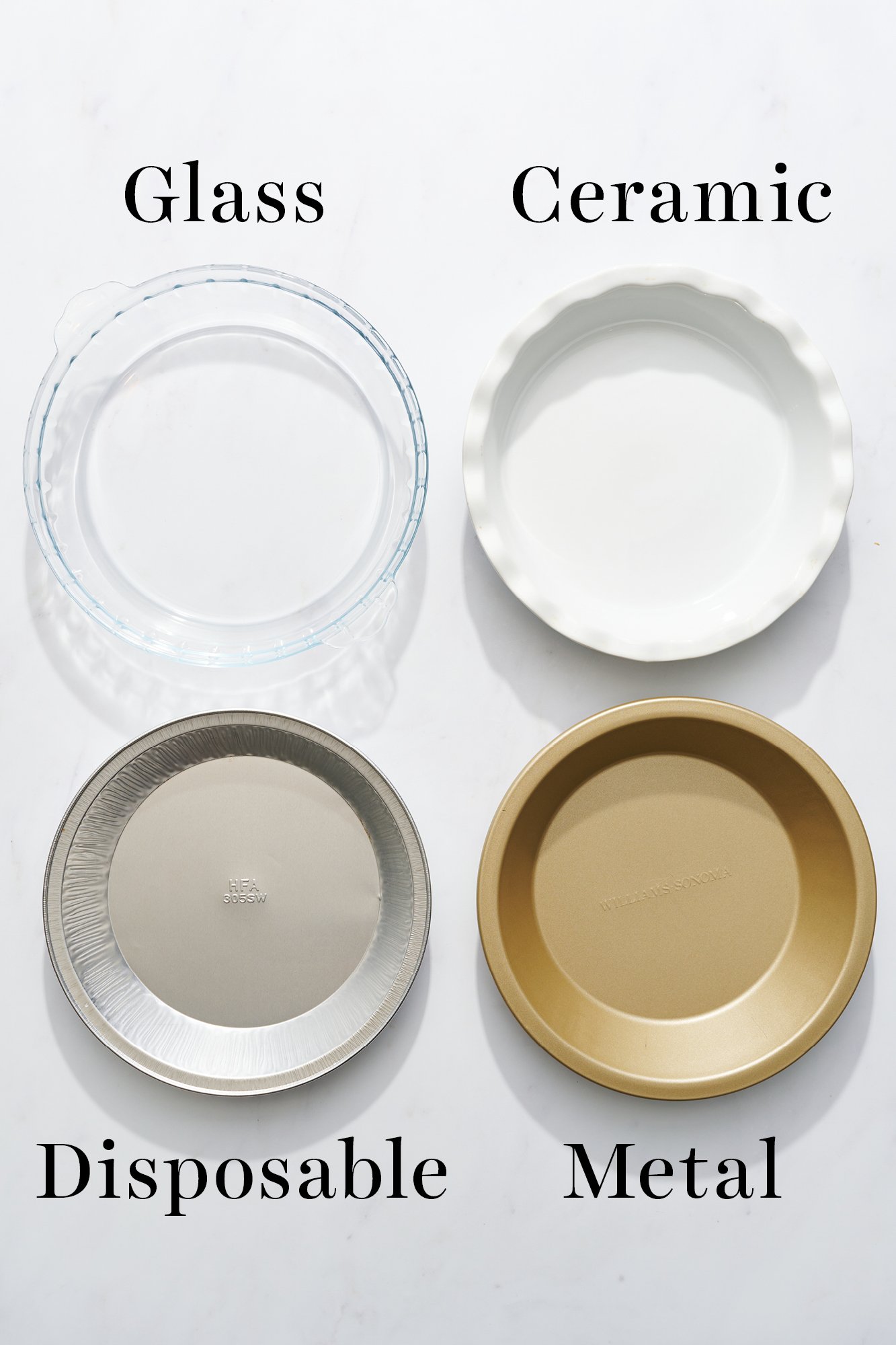
Credit: handletheheat.com
Frequently Asked Questions
What Is The Best Material For Pie Pans?
The best pie pan material depends on your baking needs. Glass pans provide even heat distribution, allowing pies to brown well. Metal pans, especially aluminum, offer durability and quick heat conduction. Ceramic pans retain heat longer, ideal for keeping pies warm.
Consider your preferences and pie type when choosing.
Are Ceramic Pie Pans Good For Baking?
Yes, ceramic pie pans are excellent for baking. They retain heat well, ensuring even cooking and a golden crust. Ceramic’s nonstick surface helps with easy pie release. However, they can be heavy and take longer to heat. They’re perfect for pies requiring longer baking times.
Do Glass Pie Pans Affect Baking Time?
Glass pie pans can affect baking time. They conduct heat evenly, which helps in browning the crust. However, they may require a slightly longer baking time compared to metal pans. Their transparency lets you monitor the crust’s color, preventing over-baking.
Can Metal Pie Pans Cause Uneven Baking?
Metal pie pans can sometimes cause uneven baking. They heat up quickly, which can lead to uneven browning. However, their fast heat conduction is great for achieving crispy crusts. Choose high-quality, heavy-gauge metal pans for more even heat distribution and consistent baking results.
Conclusion
Choosing the right pie pan makes a big difference. Glass pans offer even baking. Metal pans create a crispy crust. Ceramic pans hold heat well. Consider your recipe and baking style. Also, think about the pie’s filling. Each pan type has unique benefits.
Testing different pans can help you find your favorite. Enjoy baking and sharing delicious pies with loved ones. Happy baking!
