
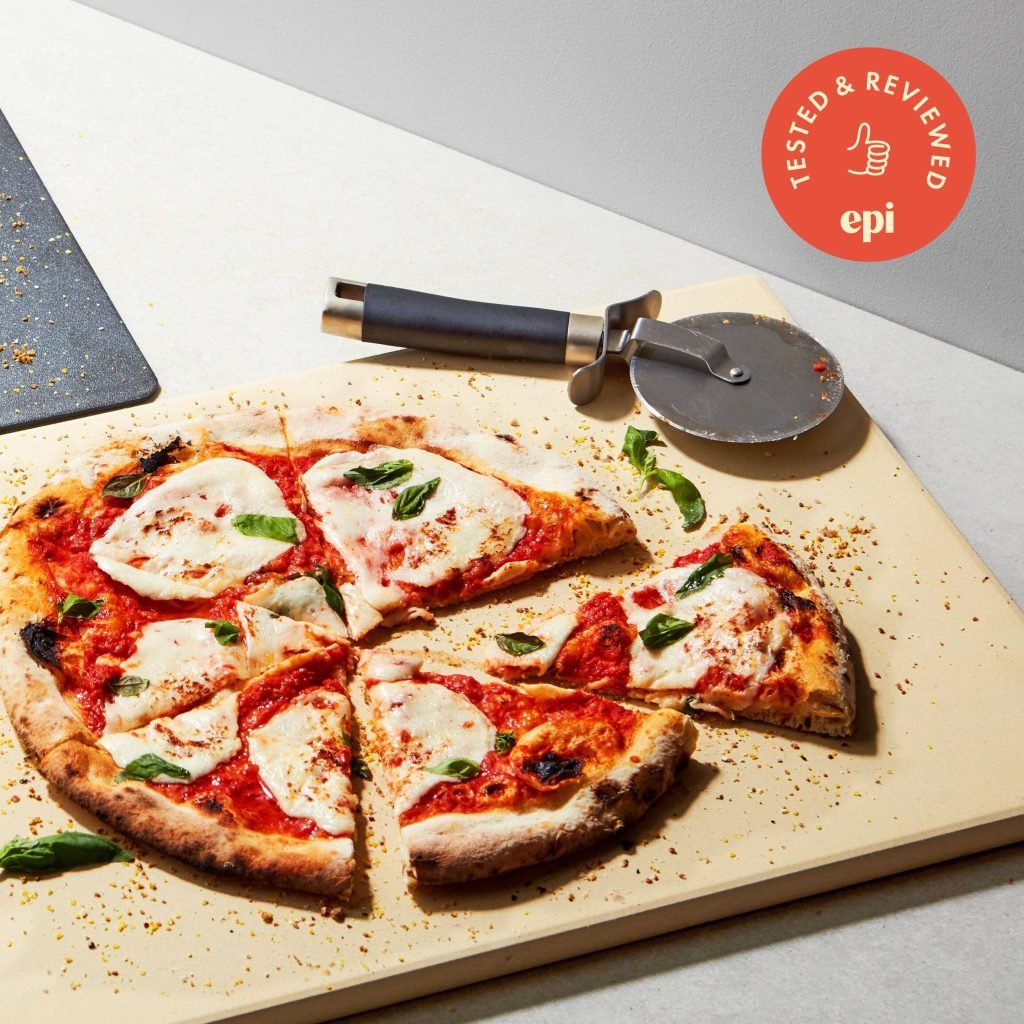
Imagine biting into a slice of homemade pizza with a perfectly crispy crust and gooey cheese. Sounds heavenly, right?
If you’ve ever tried making pizza at home, you know that achieving that restaurant-quality crust can be a challenge. That’s where a pizza stone comes in. But with so many options out there, how do you choose the best one for your kitchen?
You want a tool that will consistently deliver the perfect pie, transforming your homemade efforts into mouth-watering masterpieces. Whether you’re a seasoned chef or a pizza-making newbie, finding the right stone can make all the difference. We’ll explore the different types of pizza stones available and help you decide which one suits your needs. Get ready to elevate your pizza game to the next level!
:max_bytes(150000):strip_icc()/PizzaStonesBiggerIsBetter-23c0c90af9df47aa8e9c6a5632501061.jpg)
Credit: www.seriouseats.com
Types Of Pizza Stones
Choosing the right pizza stone can elevate your homemade pizza. There are various materials used for pizza stones, each offering unique benefits. Understanding these options can help you make the best choice for your kitchen.
Ceramic
Ceramic pizza stones are popular for their ability to evenly distribute heat. They create a crispy crust without burning. Ceramic stones are affordable and widely available. They require careful handling to avoid cracking. Preheat them gradually to prevent damage.
Cordierite
Cordierite stones are known for their durability and thermal stability. They withstand high temperatures and resist thermal shock. This makes them a reliable choice for serious bakers. Cordierite stones are often more expensive than ceramic options. Their longevity makes them a worthwhile investment.
Cast Iron
Cast iron pizza stones offer excellent heat retention. They can be used on the grill or in the oven. These stones are heavy but provide consistent baking results. Cast iron requires seasoning to prevent rust. Proper maintenance ensures a long-lasting cooking tool.
Steel
Steel pizza stones heat up faster than other materials. They are ideal for achieving a crispy crust quickly. Steel is durable and easy to clean. It may be heavier and more expensive than other stones. Its efficiency makes it a favorite for pizza enthusiasts.
Material Benefits
When it comes to choosing the best pizza stone, the material plays a crucial role in determining your cooking experience. Each type of material offers its own set of benefits, impacting how your pizza cooks, tastes, and even how it feels to handle the stone. Whether you’re a seasoned pizza maker or a beginner looking to elevate your homemade pizzas, understanding these material benefits can help you make an informed decision.
Heat Retention
One of the key aspects of a pizza stone is its ability to retain heat. Materials like cordierite and ceramic are renowned for their exceptional heat retention properties. These stones maintain a consistent temperature, ensuring your pizza crust bakes evenly and crisply.
Imagine pulling a perfectly baked pizza out of the oven with a crust that’s crispy on the outside and soft on the inside. That’s the magic of good heat retention. You won’t have to worry about fluctuating temperatures affecting your baking.
If you love having friends over for pizza night, a stone with great heat retention allows you to cook multiple pizzas without waiting for it to reheat. Less waiting, more eating!
Durability
Durability is another crucial factor to consider. You want a pizza stone that can withstand high temperatures and frequent use. Cordierite stones are highly durable, often outlasting other materials due to their thermal shock resistance.
Imagine investing in a pizza stone that cracks after a few uses. It’s frustrating, right? Choosing a durable material means you’ll have a reliable kitchen companion for years to come.
Think about the long-term benefits. A durable stone saves you money and the hassle of frequent replacements. Choose wisely and enjoy countless pizza nights without interruptions.
Ease Of Use
Your pizza-making experience should be enjoyable, not stressful. Materials like ceramic are lighter and easier to handle, making them ideal for those new to using pizza stones.
Are you worried about maneuvering a heavy stone? Ceramic stones offer a practical solution. They’re easier to lift, clean, and store, making your pizza-making process smoother.
Consider the ease of use when selecting a stone. You want something that simplifies your cooking experience, not complicates it. A user-friendly stone can make all the difference between a fun cooking session and a frustrating one.
So, what type of pizza stone material resonates with your needs? Reflect on these benefits and choose a stone that elevates your pizza game. Remember, the right choice can transform your culinary adventures, turning ordinary pizza nights into extraordinary feasts. Enjoy the journey of crafting perfect pizzas with a stone that suits you best!
Size And Thickness
Choosing the right pizza stone involves considering its size and thickness. These factors directly influence the quality of your homemade pizza. A perfectly sized stone ensures even cooking. Thickness impacts heat retention and distribution. Both are essential for a crispy crust and evenly cooked toppings.
Standard Sizes
Pizza stones come in various standard sizes. Common dimensions include 10, 12, and 16 inches. The size you choose should match your oven’s capacity. A larger stone offers more cooking surface. This is ideal for making multiple pizzas at once. Ensure the stone fits well in your oven.
Impact Of Thickness
The thickness of a pizza stone affects its performance. Thicker stones retain heat longer. This results in a crispier crust. They also distribute heat more evenly. Thin stones heat up quickly but lose heat faster. They may not cook the pizza as evenly. Consider how often you make pizza. Choose the thickness that suits your needs.
Surface Texture
The surface texture of a pizza stone can greatly influence baking results. Choosing between smooth and textured surfaces depends on personal preference and baking goals. Understanding the differences can help in selecting the right stone.
Smooth Vs. Textured
Smooth pizza stones provide a uniform surface. They are easy to clean and maintain. A smooth surface allows the dough to spread evenly. It leads to consistent baking results.
Textured pizza stones have a rough surface. They mimic traditional brick ovens. This texture can enhance flavor and crispiness. Some believe they offer a more authentic pizza experience.
Effect On Crust
A smooth stone usually results in a softer crust. It distributes heat evenly across the pizza base. The even heat ensures a well-cooked bottom.
Textured stones produce a crunchier crust. They add crispness to the edges. The rough surface absorbs more moisture. This results in a drier, crispier crust.
Each type affects the crust differently. Decide based on your preferred crust texture. Both types have their unique advantages.
Price Considerations
Choosing the right pizza stone can make all the difference between a crispy crust and a soggy slice. Price is a significant factor in your decision-making process. Whether you’re looking for a budget-friendly option or ready to splurge on a premium choice, understanding price considerations will guide you to the perfect pizza stone for your kitchen.
Budget Options
Are you looking to enhance your pizza nights without breaking the bank? Budget options offer great value and functionality. Ceramic pizza stones are often affordable and provide good heat retention. You might find stones for under $20 that still deliver a decent result.
Consider durability. While cheaper stones can be great starters, they may crack more easily. You may need to replace them sooner than you think. Is it worth saving now if you have to spend more later?
Look for brands with good reviews. Sometimes, price doesn’t equate to quality. A friend’s recommendation led me to a budget stone that exceeded my expectations. You might find similar hidden gems.
Premium Choices
If you’re ready to invest in the ultimate pizza-making experience, premium choices offer superior quality and durability. Cordierite stones are highly recommended for their excellent heat retention and resistance to thermal shock. They can withstand high oven temperatures, ensuring your pizza crust is perfectly crispy.
Premium stones often come with enhanced features. Some have built-in handles for easy maneuvering, while others boast non-stick surfaces. These extras can make your pizza-making process smoother and more enjoyable.
Think about long-term use. Spending more upfront can lead to fewer replacements and repairs. Consider it an investment in your culinary adventures. Are you ready to elevate your homemade pizza game?
Whether you choose budget or premium, the best pizza stone is one that suits your needs and enhances your pizza-making experience. What are you willing to spend for the perfect slice? Your decision could transform your kitchen into your favorite pizzeria.
Maintenance And Care
Maintaining your pizza stone ensures it lasts longer and performs well. Proper care prevents cracks and keeps your stone in prime condition. Handling it with care is essential for consistent, delicious pizzas. Let’s explore how to clean and store your pizza stone effectively.
Cleaning Tips
Cleaning your pizza stone needs a gentle approach. Avoid soap and detergents as they can seep into the stone. Instead, use a scraper or spatula to remove burnt food. A damp cloth can wipe away crumbs. Allow the stone to cool completely before cleaning. This prevents cracks from temperature changes.
Storage Advice
Storing your pizza stone properly protects it from damage. Keep it in a dry place to avoid moisture. Moisture can weaken the stone over time. Store it flat on a shelf or in a drawer. This prevents accidental drops or bumps. Avoid stacking heavy items on top of it. This can cause cracks or chips.
Expert Recommendations
Choosing the best pizza stone can be challenging. Experts have shared their insights on top choices. These recommendations are based on material, heat retention, and user experience. Let’s explore their suggestions for the best pizza stones available today.
Top Picks
Experts often recommend cordierite pizza stones. They withstand high temperatures well. This makes them ideal for crispy crusts. Another favorite is the ceramic pizza stone. It distributes heat evenly, ensuring a well-cooked pizza. Steel pizza stones are also popular. They heat up quickly and retain heat longer. This results in faster cooking times.
User Reviews
Users love cordierite stones for their durability. They report consistent cooking results. Ceramic stones receive praise for their even heat distribution. Many users appreciate the flavor these stones add to the crust. Steel stones get high marks for speed. Many users note the quick preheating time. They also enjoy the crispy results. Each type of stone has its fans, based on personal preferences.
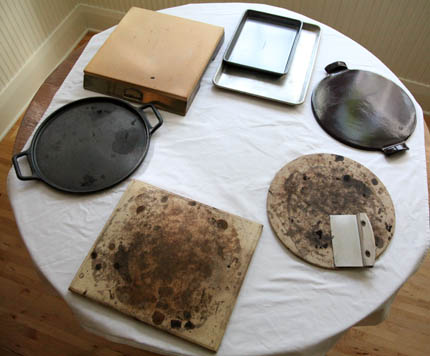
Credit: artisanbreadinfive.com
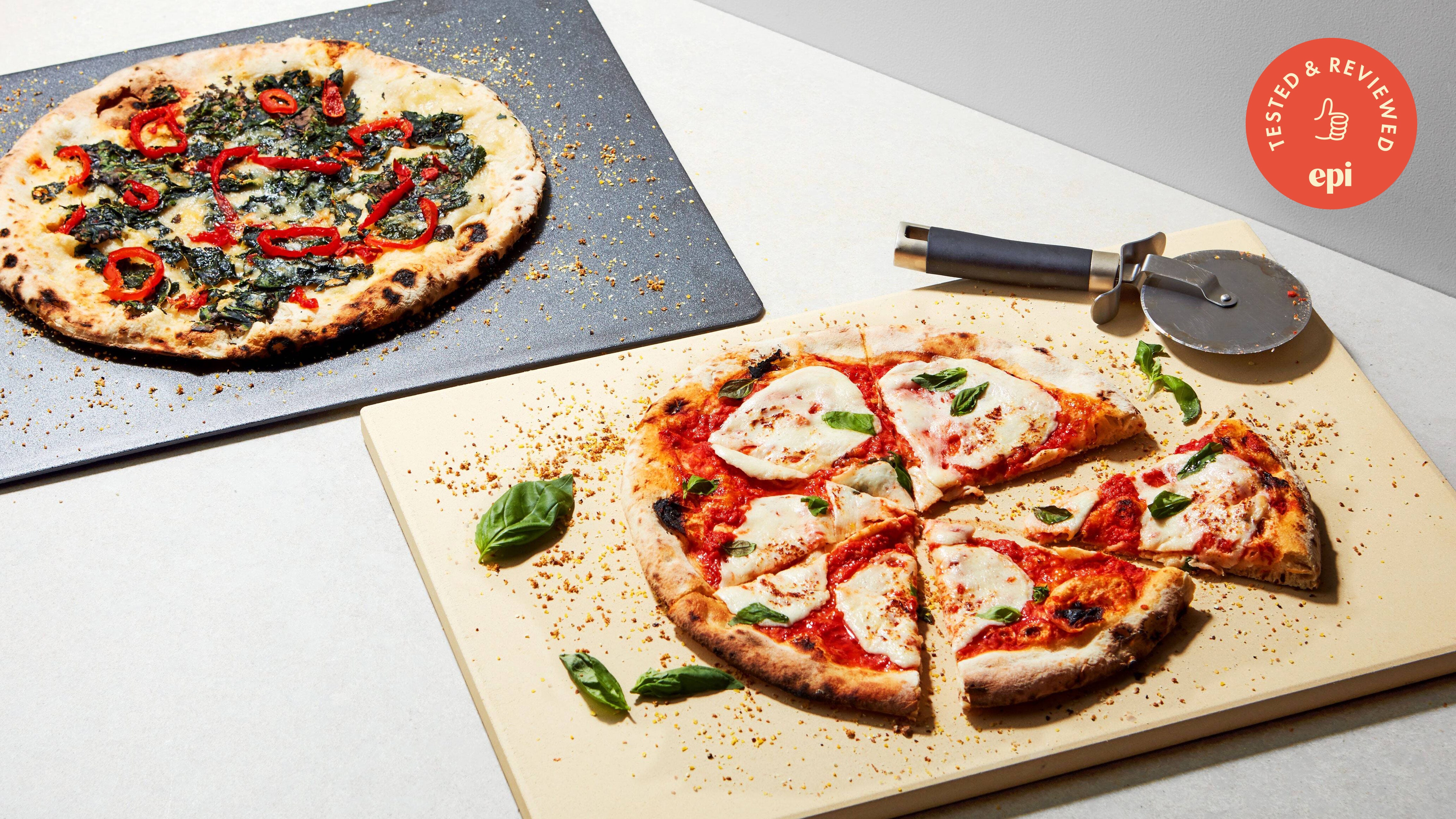
Credit: www.epicurious.com
Frequently Asked Questions
What Material Is Best For Pizza Stones?
The best material for pizza stones is cordierite. It withstands high temperatures and is durable. Cordierite distributes heat evenly, ensuring a crispy crust. It’s also resistant to thermal shock, reducing breakage risk. Other good options include ceramic and cast iron, but they may not offer the same heat retention.
Are Thicker Pizza Stones Better?
Yes, thicker pizza stones retain heat better. They provide even cooking and produce a crispier crust. Thicker stones, however, take longer to heat up. They are also heavier and more expensive. Consider your baking needs and oven capacity when choosing thickness.
Do Pizza Stones Make A Difference?
Pizza stones significantly improve your pizza’s texture. They absorb moisture, preventing soggy crusts. The stone’s heat retention ensures even cooking, resulting in a perfectly crisp base. Using a pizza stone mimics a brick oven environment, enhancing flavor and overall pizza quality.
How To Clean A Pizza Stone Properly?
Clean a pizza stone by scraping off food debris. Use a dry brush or scraper; avoid soap and water. Moisture can cause cracking. For stubborn stains, use a baking soda paste. Rinse it off and let the stone dry completely before storing.
Conclusion
Choosing the best pizza stone depends on your needs and preferences. Consider material, size, and budget. Cordierite stones are durable and heat well. Ceramic stones offer even cooking but can crack. Steel stones heat fast but are heavy. Think about your oven size too.
Baking delicious pizza at home can be easy with the right stone. Experiment to find your favorite. A great stone makes a big difference in your pizza. Enjoy making and tasting your perfect pizza creation!
