
Have you ever found yourself facing the stubborn remains of a baked-on food disaster? Whether it’s lasagna baked into the corners of your casserole dish or a layer of burnt cheese on your favorite baking sheet, dealing with these stubborn residues can be frustrating.
You scrub, soak, and repeat, but nothing seems to work. Imagine having the ultimate cleaning agent at your fingertips, one that effortlessly removes these pesky baked-on bits without the elbow grease. You’re not alone in this struggle, and there’s good news: the solution is simpler than you might think.
You’ll discover which cleaning agents truly shine in tackling baked-on foods. Get ready to reclaim your kitchenware with ease and say goodbye to the scrubbing saga. Keep reading to find out which product will become your new kitchen ally.
Factors Affecting Cleaning Efficiency
Choosing the right cleaning agent boosts efficiency in removing baked-on foods. Baking soda and vinegar excel in breaking down tough residues. Ease of use and affordability make them popular choices among households.
Cleaning baked-on foods can be a daunting task. Yet, understanding the factors affecting cleaning efficiency can make it much easier. These factors determine how effectively a cleaning agent can tackle stubborn residues. Let’s dive into the key elements that influence this process.Type Of Surface
The surface you’re cleaning significantly impacts how well a cleaning agent works. Non-stick surfaces usually require gentle agents to avoid damage. Stainless steel can handle more abrasive cleaners, offering a robust approach to tackling tough residues. Consider the durability and texture of your cookware before choosing a cleaning solution.Nature Of Food Residue
The type of food residue plays a crucial role in determining cleaning efficiency. Greasy residues from meats can be more stubborn than vegetable-based residues. Acidic foods like tomatoes may require a different approach than starchy residues from pasta. Identifying the nature of the residue helps you pick the right agent for effective removal.Water Temperature And Hardness
Water temperature can drastically affect cleaning efficiency. Warm water generally helps dissolve grease and soften stuck-on food faster than cold water. Hard water, on the other hand, can reduce the effectiveness of detergents. Consider using water softeners if you live in an area with hard water. Have you ever noticed how some stains disappear more easily in warm water? This insight can guide you in adjusting your cleaning routine for better results. What challenges do you face when cleaning baked-on foods, and how do you adapt your methods to overcome them? Your experiences may hold the key to discovering the most efficient cleaning strategy.Chemical Cleaning Agents
Cleaning baked-on foods can be a stubborn task, often leaving you frustrated in the kitchen. Chemical cleaning agents come to the rescue when elbow grease simply isn’t enough. These powerful solutions can break down tough residues, making your cleaning routine more efficient. Let’s dive into some effective options.
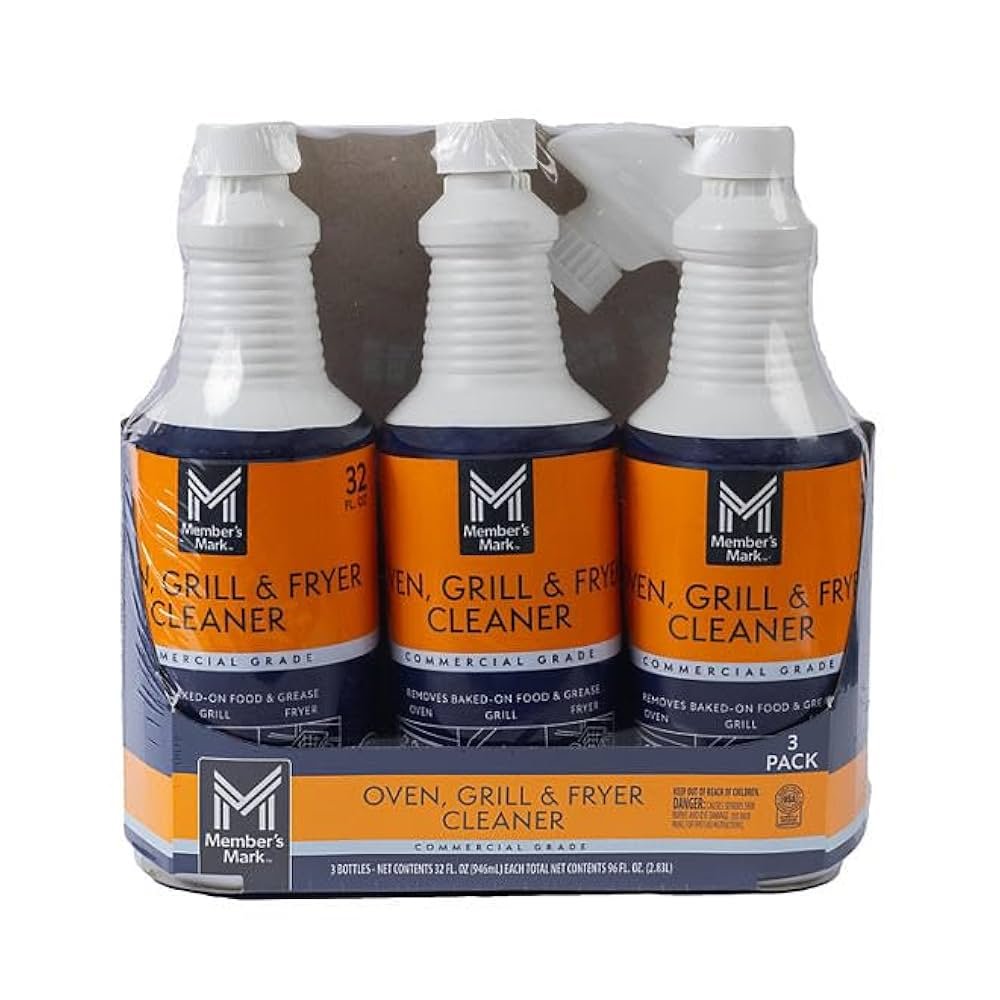
Commercial Degreasers
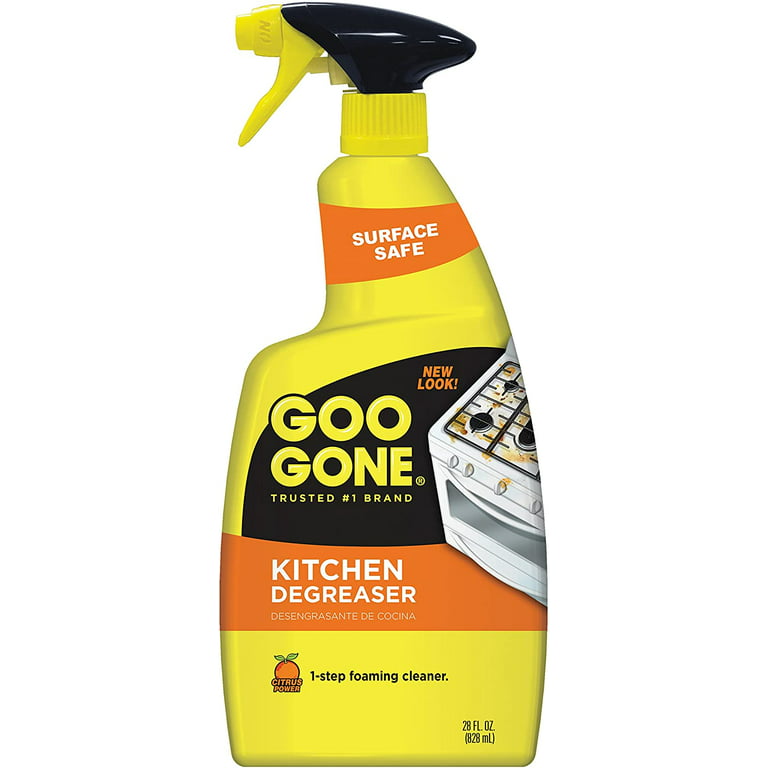
Commercial degreasers are designed to tackle the toughest grime. They are potent, cutting through grease with ease. If you’ve ever battled with baked-on lasagna, you know the struggle.
Using a commercial degreaser can feel like having a secret weapon in your cleaning arsenal. Just spray, wait for a few minutes, and watch the grime dissolve. It’s as if the grease never stood a chance.
However, always read the label carefully. Some degreasers can be harsh on surfaces and should be used with caution. Make sure they are safe for your cookware to avoid any unwanted damage.
Enzyme-based Cleaners
Enzyme-based cleaners offer a different approach. They work by breaking down organic material naturally, which makes them less harsh. These cleaners are particularly effective on protein-based residues.
Imagine having burnt cheese stuck to your favorite casserole dish. An enzyme cleaner can break down the protein bonds, making the residue easier to wipe away. It’s almost magical how nature can lend a hand in cleaning.
If you’re concerned about chemicals in your home, enzyme cleaners are a more eco-friendly choice. They’re gentle on surfaces and safer for the environment, making them an appealing option for conscious consumers.
Baking Soda And Vinegar Solutions
Baking soda and vinegar are kitchen staples that pack a punch when combined. This dynamic duo creates a fizzy reaction that can lift stubborn stains and residues.
Have you ever tried this on a stubborn pan? Sprinkle baking soda over the affected area, then add vinegar and watch the fizz do its magic. It’s a low-cost, effective way to tackle baked-on messes.
While not as fast as commercial products, this method is safe and natural. Plus, it’s satisfying to use everyday items for a tough cleaning task. It’s like bringing a bit of chemistry into your cleaning routine.
So, what’s your go-to cleaning agent for baked-on foods? Have you tried any of these methods, or do you have a hidden gem in your cleaning toolkit? Share your thoughts and experiences in the comments below.
Natural Cleaning Alternatives
Vinegar and baking soda stand out as effective natural cleaning agents. They work wonders on stubborn baked-on foods. These common household items offer a simple, eco-friendly solution for tackling tough kitchen messes.
Natural cleaning alternatives offer an eco-friendly way to clean stubborn baked-on foods. These options use common household items, which are safe and effective. They reduce exposure to harsh chemicals found in commercial cleaners. Let’s explore some of these natural cleaning methods.Lemon Juice And Salt
Lemon juice and salt create a powerful cleaning combination. The acid in lemon juice helps break down food particles. Salt adds an abrasive texture that scrubs away residue. Mix lemon juice with coarse salt for the best results. Apply the mixture to the affected area. Let it sit for several minutes. Scrub gently with a sponge or cloth. Rinse with warm water for a spotless finish.White Vinegar And Baking Soda
White vinegar and baking soda are classic cleaning agents. Vinegar’s acidity loosens baked-on grime. Baking soda acts as a gentle abrasive. Start by sprinkling baking soda over the dirty surface. Pour white vinegar over it to create a fizzing reaction. This reaction helps lift stubborn stains. Allow it to sit for a few minutes. Scrub with a brush or sponge. Rinse thoroughly with water.Castile Soap And Essential Oils
Castile soap and essential oils offer a natural cleaning solution. Castile soap is plant-based and biodegradable. It effectively cuts through grease and grime. Essential oils add fragrance and enhance cleaning power. Combine a few drops of Castile soap with water in a spray bottle. Add a few drops of essential oil, like lemon or tea tree. Spray the mixture on the baked-on food. Let it sit for a few minutes, then scrub and rinse.:max_bytes(150000):strip_icc()/GettyImages-1276133199-2x1-1-8947f232fed64d27ba88fcf80f6ee318.png)
Credit: www.allrecipes.com
Diy Cleaning Mixtures
Are you tired of scrubbing away stubborn, baked-on food from your pots and pans? Finding the right cleaning agent can make a world of difference. Before you head to the store, consider trying some DIY cleaning mixtures right in your kitchen. These homemade solutions not only save you money but also keep harsh chemicals out of your home. Plus, you likely have most of these ingredients in your pantry already. Let’s dive into some easy DIY methods that tackle those tough food residues.
Homemade Scrubbing Paste
Creating a homemade scrubbing paste can be as easy as mixing baking soda and water. It’s a time-tested solution that works wonders on stubborn residues. Simply combine equal parts baking soda and water to form a thick paste. Apply this paste directly to the baked-on food, and let it sit for about 15 minutes.
Ever found yourself in a pinch without baking soda? Try salt instead! Salt’s abrasive texture can help lift stubborn residues. Mix it with a bit of dish soap for extra cleaning power. Spread the mixture over the caked-on food and use a gentle brush to scrub away.
Natural Soaking Solutions
Sometimes, all your pots and pans need is a good soak. Vinegar is a natural powerhouse for loosening baked-on food. Fill your cookware with equal parts water and vinegar, then let it sit for at least an hour. Vinegar’s acidity helps break down stubborn food particles.
If vinegar isn’t your favorite, consider using lemon juice. Its natural acidity is great for tackling tough stains. Add a few tablespoons of lemon juice to warm water and let your cookware soak. Your kitchen will smell fresh, and your pans will look like new.
Effective Scrubbing Tools
The right tools can make scrubbing a breeze. A nylon scrubber or old toothbrush can be your best friend in removing those stubborn bits of food. These tools are gentle on your cookware but tough on residues.
Have you tried using a ball of aluminum foil? It’s surprisingly effective! Crumple a sheet of foil into a ball and gently scrub the surface. It’s a great alternative when you don’t have a scrubbing brush handy.
How do you tackle baked-on foods in your kitchen? Do you have any secret weapons or tips that others might find helpful? Share your experiences and let’s make cleaning less of a chore together!
Tips For Effective Cleaning
Cleaning baked-on foods can be a tough task. The right cleaning agent makes it easier. Knowing the best techniques ensures effective results. Let’s explore some practical tips.
Pre-soaking Techniques
Pre-soaking is crucial for stubborn stains. Fill a container with hot water. Add a few drops of dish soap. Immerse the dish for 30 minutes. This softens the hardened food particles. Vinegar also helps in loosening food residue. Mix equal parts vinegar and water for best results.
Correct Application Methods
Apply the cleaning agent evenly on the surface. Use a sponge or cloth for distribution. Circular motions work best. This helps scrub off the baked-on food. Avoid scrubbing too hard to prevent scratches. For tougher stains, let the cleaner sit for 10 minutes. Rinse thoroughly with warm water.
Safety Precautions
Safety should be a priority. Wear gloves to protect your skin. Ensure proper ventilation in the area. Strong cleaning agents can emit fumes. Keep cleaning solutions away from children. Store them in a safe, dry place. Follow instructions on the product label carefully.
Comparative Analysis
Explore which cleaning agent effectively removes baked-on foods. Compare various cleaners to find the top performer. Gain insights on the best options for tackling tough kitchen messes.
Cleaning baked-on foods can be a daunting task, often leaving you wondering which cleaning agent is truly the best. To make your life easier, let’s dive into a comparative analysis of different methods. You’ll discover which option effectively tackles those stubborn spots while being cost-efficient and environmentally friendly.Effectiveness Of Each Method
When tackling baked-on foods, some cleaners stand out for their effectiveness. Baking soda and vinegar form a powerful duo. After sprinkling baking soda on the area, add vinegar and watch the fizz do its magic. This combination works well for mild residue and is gentle on your cookware. Commercial oven cleaners, although more potent, can quickly break down tough grime. They contain chemicals that dissolve stubborn residue, saving you time and effort. However, they might require you to use gloves and ensure proper ventilation due to strong fumes. Dish soap and hot water work wonders if you prefer something less intense. Soak the item overnight to loosen the food particles. While not as fast as commercial cleaners, this method is effective for those not in a rush and looking to preserve cookware quality.Cost And Accessibility
Price and availability play a significant role in choosing a cleaning agent. Baking soda and vinegar are budget-friendly and can be found in almost any household. Most likely, you have these items in your pantry right now, making them a convenient go-to solution. On the other hand, commercial oven cleaners might cost more, but they save you time and effort. You can find them in most supermarkets or online, making accessibility relatively easy. However, you might find yourself buying them less frequently due to their specialized use. Dish soap is a staple in every home, making it both accessible and inexpensive. You use it daily, so it’s always on hand when you need a simple soaking method. This method might not be the fastest, but it’s gentle on your wallet.Environmental Impact
Considering the environmental impact of cleaning agents is crucial. Baking soda and vinegar are natural and biodegradable, making them an eco-friendly choice. They leave no harmful residues, so you can clean without guilt. Commercial oven cleaners, while effective, often contain harsh chemicals. These can be hazardous to the environment when not disposed of properly. Using them sparingly and following disposal instructions helps mitigate their impact. Dish soap varies in its environmental friendliness, depending on the brand. Look for biodegradable or eco-friendly labels to minimize the impact. You can keep your kitchen clean and green with a little attention to product labels. Which method resonates with you? Do you prioritize effectiveness, cost, or environmental impact? Your choice might depend on the situation, but armed with this information, you’re ready to tackle baked-on foods with confidence.Expert Recommendations
Choosing the right cleaning agent tackles stubborn baked-on foods effectively. Experts suggest using baking soda and vinegar for natural solutions. For stronger residue, commercial products like Bar Keepers Friend show excellent results in breaking down tough grease.
When it comes to tackling stubborn baked-on food stains, the right cleaning agent can make all the difference. With countless options on the market, it can be overwhelming to decide which one to choose. That’s why turning to expert recommendations can help you make an informed decision. Professionals in the cleaning industry have tested and tried numerous solutions, and their insights can guide you toward the most effective choices.Best Practices From Professionals
Professionals emphasize the importance of patience and technique. Letting a cleaning agent sit on the stain for a few minutes can often enhance its effectiveness. Scrubbing too hard right away can be counterproductive. Instead, use gentle, circular motions to lift the baked-on grime without damaging your cookware. Another tip from the pros is to use hot water when possible. Heat can help loosen stubborn residues, making them easier to remove. Just be careful not to burn yourself in the process. Have you ever used a cleaning hack that seemed too good to be true? Professionals suggest sticking to tried-and-true methods for the best results.Common Mistakes To Avoid
One common mistake is using harsh abrasives that can scratch and damage surfaces. While it might seem like a quick fix, it often leads to more problems in the long run. Opt for non-abrasive pads or brushes instead. Another error is mixing different cleaning agents. Combining products can create harmful fumes or reduce effectiveness. Stick to one cleaner at a time, and always read the label instructions. Have you ever wondered why a solution didn’t work as expected? It might be due to improper use. Over-soaking is another pitfall. Leaving a pot to soak for too long can lead to rust or other damage. If soaking is necessary, keep it brief and follow up with a thorough rinse.Top Picks For Different Scenarios
For everyday cookware with light stains, a simple mixture of baking soda and water can work wonders. It’s gentle yet effective for most surfaces. For tougher, baked-on messes, professionals often recommend a commercial degreaser. Brands like Dawn Powerwash or Bar Keepers Friend are popular for their strong cleaning power. Are you dealing with a particularly stubborn stain on a glass dish? Try a paste of baking soda and vinegar, letting it sit before wiping clean. In busy kitchens where speed is essential, a product like Magic Eraser can be a lifesaver. It requires minimal effort and delivers quick results. The next time you’re faced with a stubborn food stain, remember these expert recommendations. With the right cleaning agent and approach, you’ll save time and keep your cookware looking its best. Have you identified your go-to cleaning solution yet?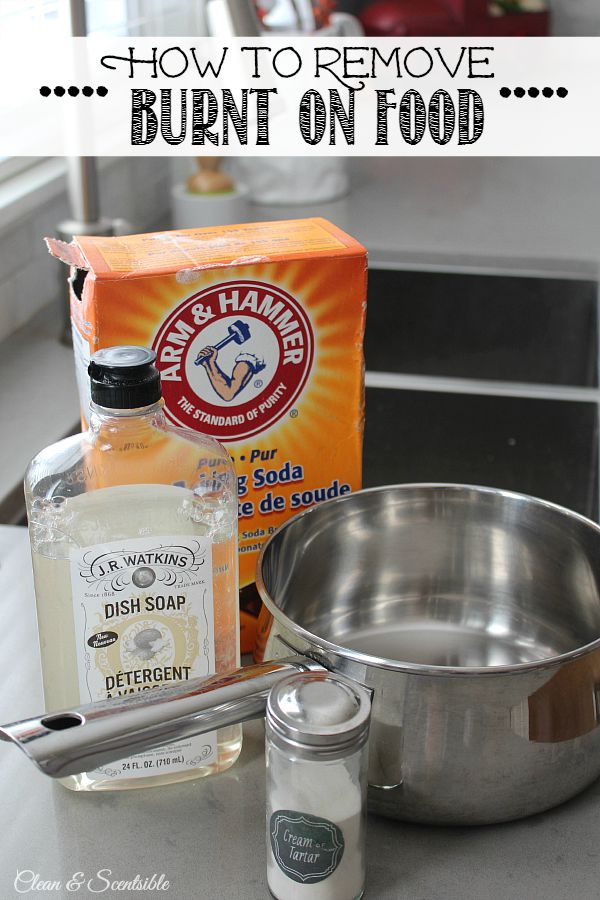
Credit: www.cleanandscentsible.com
Credit: www.walmart.com
Frequently Asked Questions
What Is The Best Cleaning Agent For Baked-on Foods?
The best cleaning agent for baked-on foods is usually a combination of baking soda and vinegar. Baking soda’s abrasive nature helps loosen food particles, while vinegar’s acidity breaks down stubborn residues. This combination is eco-friendly and effective for tackling tough, baked-on grime without harsh chemicals.
Can Vinegar Remove Baked-on Food Stains?
Yes, vinegar can effectively remove baked-on food stains. Its acidic properties help dissolve stubborn residues and grime. For enhanced cleaning power, combine vinegar with baking soda. This natural solution is safe for most surfaces and ideal for removing tough stains without resorting to harsh chemicals.
Does Baking Soda Clean Stuck-on Food Effectively?
Baking soda is effective for cleaning stuck-on food. Its mild abrasive texture helps scrub away residues without damaging surfaces. When combined with vinegar, it creates a powerful cleaning reaction. This eco-friendly method is ideal for tackling tough baked-on food, ensuring surfaces are clean without harsh chemicals.
Is Commercial Cleaner Better For Baked-on Food?
Commercial cleaners can be effective for baked-on food, but they may contain harsh chemicals. Natural alternatives like baking soda and vinegar are often safer and eco-friendly. They provide effective cleaning without harmful residues, making them a preferred choice for many households.
Conclusion
Choosing the right cleaning agent matters. Baked-on foods can be stubborn. Different agents offer unique benefits. Vinegar and baking soda are natural options. They work well on mild stains. For tougher grime, try commercial cleaners. They often have stronger formulas.
Always follow instructions for best results. Consider safety and environment too. Some agents are eco-friendly, others are not. Testing a small area helps avoid damage. Clean regularly to prevent buildup. This saves time and effort. Now you’re ready for a cleaner kitchen.
Happy cleaning!
