
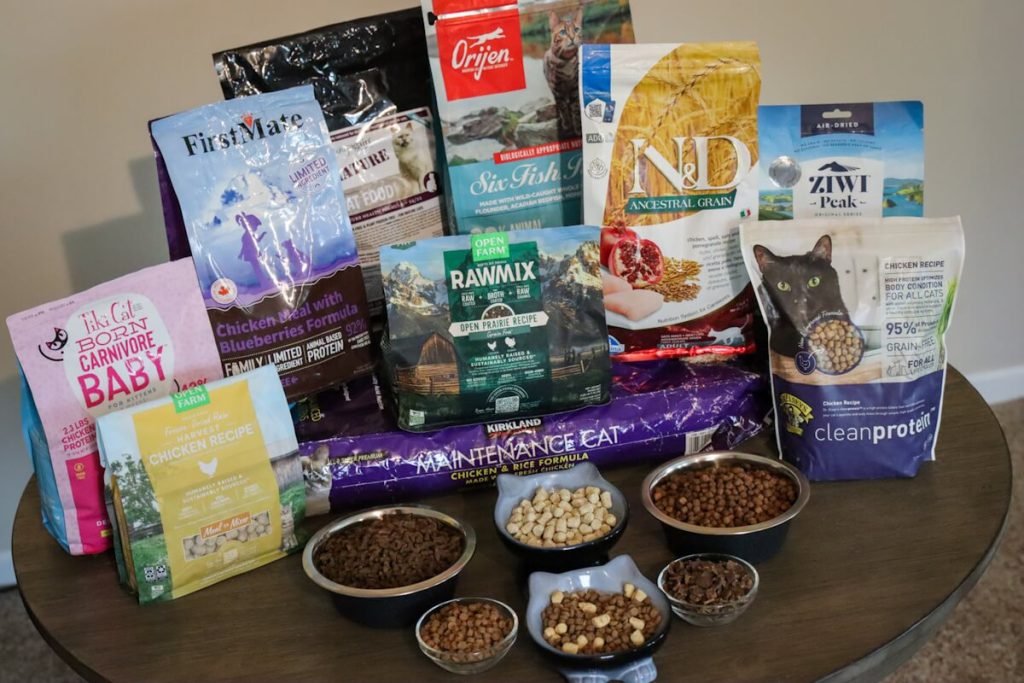
If you’ve noticed blood in your cat’s stool, you’re likely worried and looking for answers fast. One of the first things you might wonder is which dry food can help ease this problem and support your cat’s health.
Choosing the right food isn’t just about nutrition—it can make a real difference in your cat’s comfort and recovery. You’ll discover the best dry food options designed to address this specific issue. Keep reading to learn how to make the best choice for your furry friend’s wellbeing.
Causes Of Blood In Cat Stool
Blood in a cat’s stool is a sign that something is wrong in their digestive system. It can be alarming for pet owners and needs careful attention. Understanding the causes helps in choosing the right dry food and treatment. Causes range from simple diet issues to serious medical problems.
Dietary Factors
Diet changes can upset a cat’s stomach and cause blood in stool. Low-quality or unsuitable dry food may irritate the intestines. Food allergies or intolerances often lead to inflammation and bleeding. Poor fiber content in food can cause constipation or diarrhea, both causing blood. Feeding table scraps or spoiled food also risks digestive upset.
Medical Conditions
Several medical problems cause blood in cat stool. Inflammatory bowel disease (IBD) causes chronic gut inflammation and bleeding. Tumors or polyps in the intestines can lead to bleeding. Ulcers from stomach acid damage may cause blood loss. Anal gland issues or injuries to the rectal area also show blood in stool.
Parasites And Infections
Parasites like worms often cause bleeding in the digestive tract. Hookworms and whipworms latch onto the gut wall, causing irritation and bleeding. Bacterial infections can inflame the intestines, leading to bloody diarrhea. Viral infections sometimes damage intestinal lining, causing blood in stool. Regular deworming and hygiene reduce these risks.
Importance Of Choosing The Right Dry Food
Choosing the right dry food for your cat is more than just picking a brand off the shelf. It directly affects your cat’s health, especially when dealing with sensitive issues like blood in stool. The right food can support healing and prevent further complications, while the wrong choice might worsen the problem.
Nutritional Needs Of Cats
Cats require a balanced diet rich in protein, moderate fats, and minimal carbohydrates. Their bodies are designed to digest animal-based proteins efficiently, which means dry food should reflect this need.
When your cat shows signs like blood in stool, it often points to digestive irritation or allergies. Foods free from artificial additives and fillers, such as corn or soy, reduce this risk.
Have you checked the ingredient list lately? Avoid foods with vague terms like “meat by-products” or excessive grains, which can trigger digestive issues and worsen symptoms.
Impact On Digestive Health
Digestive health is fragile, especially when blood appears in your cat’s stool. Selecting dry food with added fiber and probiotics can support gut healing and maintain a healthy balance of bacteria.
Low-quality dry foods often contain ingredients that irritate the gut lining, causing inflammation and bleeding. On the other hand, specialized formulas made for sensitive digestion promote recovery and comfort.
Consider how your cat reacts after eating certain foods. Does their stool improve or worsen? This observation can guide you toward the best dry food choice that supports their digestive system effectively.
Key Ingredients To Look For
Choosing the right dry food for a cat with blood in its stool can feel overwhelming. Focus on the ingredients that support gut health and reduce irritation. Knowing what to look for helps you make a confident choice that benefits your cat’s recovery and overall wellbeing.
High-quality Proteins
Your cat’s digestive system needs protein that is easy to digest and free from fillers. Look for named animal proteins like chicken, turkey, or fish listed as the first ingredient. Avoid vague terms like “meat by-products” which can be harder to digest and may trigger sensitivities.
High-quality proteins help repair the gut lining and support immune function. Have you noticed how some cats do better on limited protein sources? This can be a clue to what protein works best for your furry friend.
Fiber Content
Fiber plays a crucial role in managing stool consistency and promoting healthy digestion. Soluble fibers like beet pulp and psyllium help absorb excess water and reduce diarrhea. Insoluble fibers add bulk, supporting regular bowel movements.
Too little fiber can worsen stool issues, but too much can cause discomfort. Look for balanced fiber levels in dry food, around 3-5%, to soothe your cat’s digestive tract without overloading it.
Essential Vitamins And Minerals
Vitamins like A, E, and B-complex support your cat’s immune system and gut health. Minerals such as zinc and iron aid in tissue repair and prevent anemia from blood loss. Check the label to ensure the food contains these nutrients in adequate amounts.
Sometimes, adding a supplement can help, but the base food should cover these essentials first. Have you checked whether your cat’s current food meets these vital nutritional needs?
Common Ingredients To Avoid
Cats with blood in their stool need special care in their diet. Choosing dry food without harmful ingredients can help reduce digestive issues. Some common ingredients can irritate your cat’s stomach and worsen symptoms. Knowing what to avoid makes a big difference for your cat’s health.
Artificial Additives
Artificial additives include colors, flavors, and preservatives. These chemicals do not provide any nutrition. They can cause allergies or stomach upset in sensitive cats. Avoid foods with names like:
- Artificial colors (e.g., Red 40, Yellow 5)
- Synthetic flavors
- Preservatives such as BHA, BHT, and ethoxyquin
Natural ingredients are always safer and easier to digest.
Fillers And By-products
Fillers add bulk but little nutrition. They can be hard to digest and may irritate your cat’s gut. Common fillers include corn, wheat, and soy. Animal by-products are low-quality parts not fit for human consumption. These by-products may cause allergic reactions or digestive problems.
- Corn and wheat gluten
- Soy protein
- Animal by-products like feet, beaks, and organs
Choose dry foods with whole meat and limited fillers for better gut health.
Top Safe Dry Food Picks
Choosing the right dry food for a cat showing blood in stool is crucial. The wrong diet can worsen digestive issues or delay healing. Here’s a look at some top dry food picks that prioritize your cat’s gut health and overall well-being.
Veterinarian Recommended Brands
Brands like Hill’s Science Diet, Royal Canin, and Purina Pro Plan often come up in vet recommendations. These companies invest in research to create balanced, digestible formulas that support digestive health.
I once switched my cat to Hill’s Science Diet Sensitive Stomach & Skin after noticing blood in her stool. The change helped reduce her symptoms in just a few weeks. Would you consider a vet-approved brand as your first choice?
Grain-free Options
Some cats develop sensitivities to grains, which can cause digestive upset and blood in stool. Grain-free dry foods exclude ingredients like corn, wheat, and soy, which may irritate your cat’s gut.
- Blue Buffalo Freedom Grain-Free
- Merrick Grain-Free
- Wellness CORE Grain-Free
Switching to grain-free options might ease symptoms, but always watch for any new reactions. How sensitive is your cat to common fillers in dry food?
Specialized Formulas For Sensitive Stomachs
Some dry foods are designed specifically for cats with sensitive stomachs or digestive issues. These formulas often include prebiotics, probiotics, and highly digestible protein sources.
- Natural Balance L.I.D. Limited Ingredient Diet
- Blue Buffalo Basics Limited Ingredient
- Royal Canin Digestive Care
These options can help reduce inflammation and improve stool quality. Have you tried a limited ingredient diet to pinpoint what triggers your cat’s digestive problems?
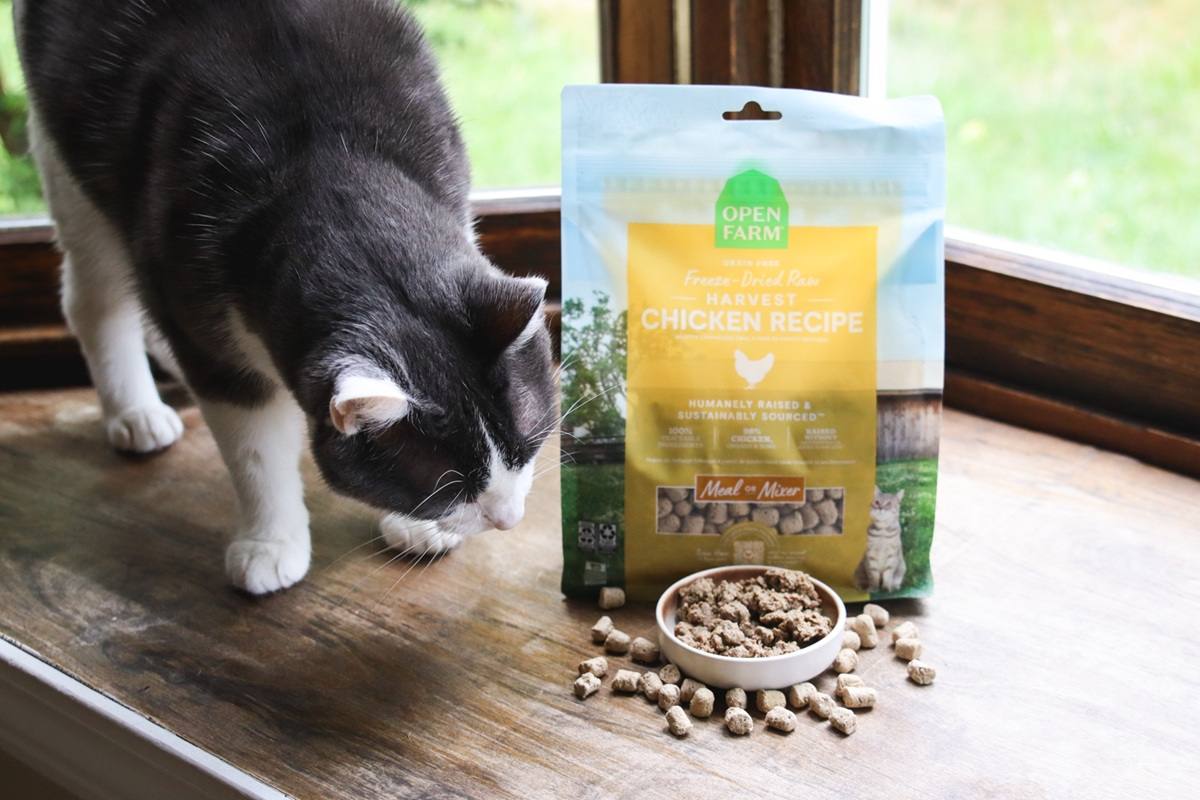
Credit: cats.com
Tips For Transitioning Your Cat’s Diet
Changing your cat’s diet needs care and patience. Sudden changes can upset their stomach. This is especially true if your cat has blood in stool. A smooth transition helps your cat adjust to new dry food without stress. It also helps you spot any problems early.
Gradual Introduction
Start by mixing a small amount of new dry food with the old food. Use about 25% new food and 75% old food. Feed this mix for three to five days. Slowly increase the new food to 50%, then 75%, and finally 100%. This slow change helps the cat’s digestive system adapt.
Watch if your cat eats the new mix well. Some cats may refuse new food at first. Patience is key. Keep the feeding times regular. Avoid mixing too many new foods at once.
Monitoring Health And Stool Changes
Observe your cat daily after starting new food. Check for any changes in behavior or appetite. Look closely at the stool. Note any blood, color changes, or softness. Keep a journal to track these changes. This record helps your vet understand your cat’s health.
If blood in stool continues or worsens, stop the new food and visit the vet. Early detection prevents serious health issues. Regular monitoring is critical during diet changes for cats with sensitive digestion.
Consulting A Veterinarian
Noticing blood in your cat’s stool is alarming. You might wonder if changing their dry food will help. Before making any decisions, consulting a veterinarian is essential. A professional can diagnose the cause and guide you to the safest, most effective diet for your cat’s recovery.
Importance Of Professional Guidance
Every cat is unique, and so are the reasons behind blood in their stool. A veterinarian can pinpoint the exact cause—whether it’s a dietary issue, infection, or something more serious. Without this knowledge, switching dry food blindly might worsen your cat’s condition.
Veterinarians also recommend specific foods based on your cat’s health status. For example, they might suggest hypoallergenic dry food if your cat has food sensitivities. This targeted advice saves you time and prevents unnecessary stress for your pet.
Regular Health Check-ups
Keeping up with routine vet visits helps catch problems early, before symptoms like blood in stool appear. Regular check-ups allow your vet to monitor your cat’s digestive health and adjust dietary recommendations as needed.
During these visits, you can discuss any changes in your cat’s behavior or appetite. This ongoing dialogue makes it easier to spot warning signs and find the best dry food options to support your cat’s well-being.
Have you ever hesitated to see a vet because you thought you could manage your cat’s diet on your own? Remember, expert advice can make all the difference when your cat’s health is on the line.

Credit: www.petsmart.ca
Frequently Asked Questions
What Dry Food Helps With Cat Blood In Stool?
High-quality, easily digestible dry foods with limited ingredients often help. Look for formulas with novel proteins and added fiber to support digestion and reduce irritation.
Can Dry Food Cause Blood In A Cat’s Stool?
Yes, some dry foods with allergens or low-quality ingredients can cause inflammation. Always choose hypoallergenic or sensitive stomach formulas to avoid digestive upset.
How To Choose Dry Food For Cats With Digestive Issues?
Select foods with limited ingredients, high fiber, and added probiotics. These support gut health and reduce symptoms like blood in stool effectively.
Is Grain-free Dry Food Better For Cats With Blood In Stool?
Grain-free options may help if your cat has grain sensitivities. However, consult your vet to find the best formula based on your cat’s needs.
Conclusion
Choosing the right dry food helps support your cat’s health. Foods with gentle ingredients can ease stomach issues. High-quality protein and fiber aid digestion well. Avoid foods with fillers or artificial additives. Watch your cat closely for any changes. Always consult a vet for serious symptoms.
Healthy food supports healing and comfort. Keep your cat’s diet simple and balanced. This helps prevent blood in stool from returning. Your cat deserves care and the best nutrition.

Hi, I’m Daniel Harper, a senior editor here at KitchenBucks.com. For over 10 years, I’ve been exploring kitchen gadgets and appliances to help people find tools that truly add value without breaking the bank. I love simplifying product choices so you can focus more on cooking and less on worrying about what to buy. When I’m not reviewing the latest gadgets, you’ll usually find me experimenting with coffee brewing or firing up the grill for a weekend barbecue.