
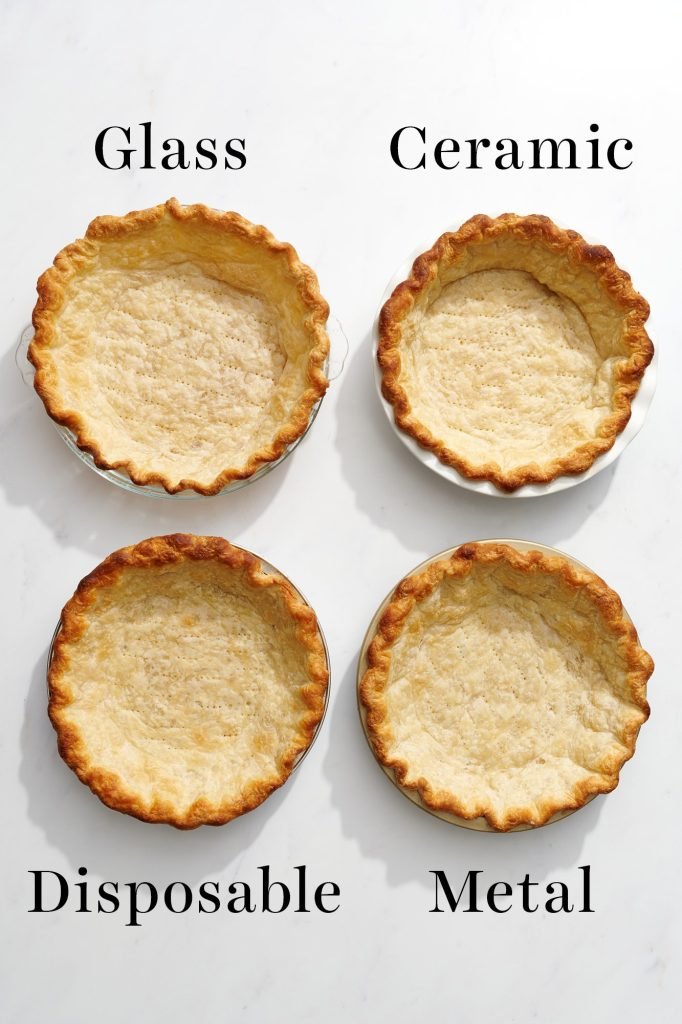
Choosing the right pie pan can make all the difference in your baking success. You want your pies to turn out perfectly golden, with a flaky crust and a delicious filling that holds its shape.
But with so many options available, how do you decide which pie pan is best for you? Whether you’re a seasoned baker or just starting out, the right pie pan can elevate your baking game and make pie-making a breeze.
We’re going to explore the different types of pie pans, their pros and cons, and help you discover which one suits your baking needs perfectly. By the end, you’ll have all the knowledge you need to make an informed decision and bake pies that impress every time. So, let’s dive in and find the pie pan that will become your new favorite kitchen companion!
Types Of Pie Pans
Choosing the right pie pan can enhance your baking experience. Each type offers unique benefits. Whether you’re baking an apple pie or a savory quiche, understanding different pie pans helps make the best choice.
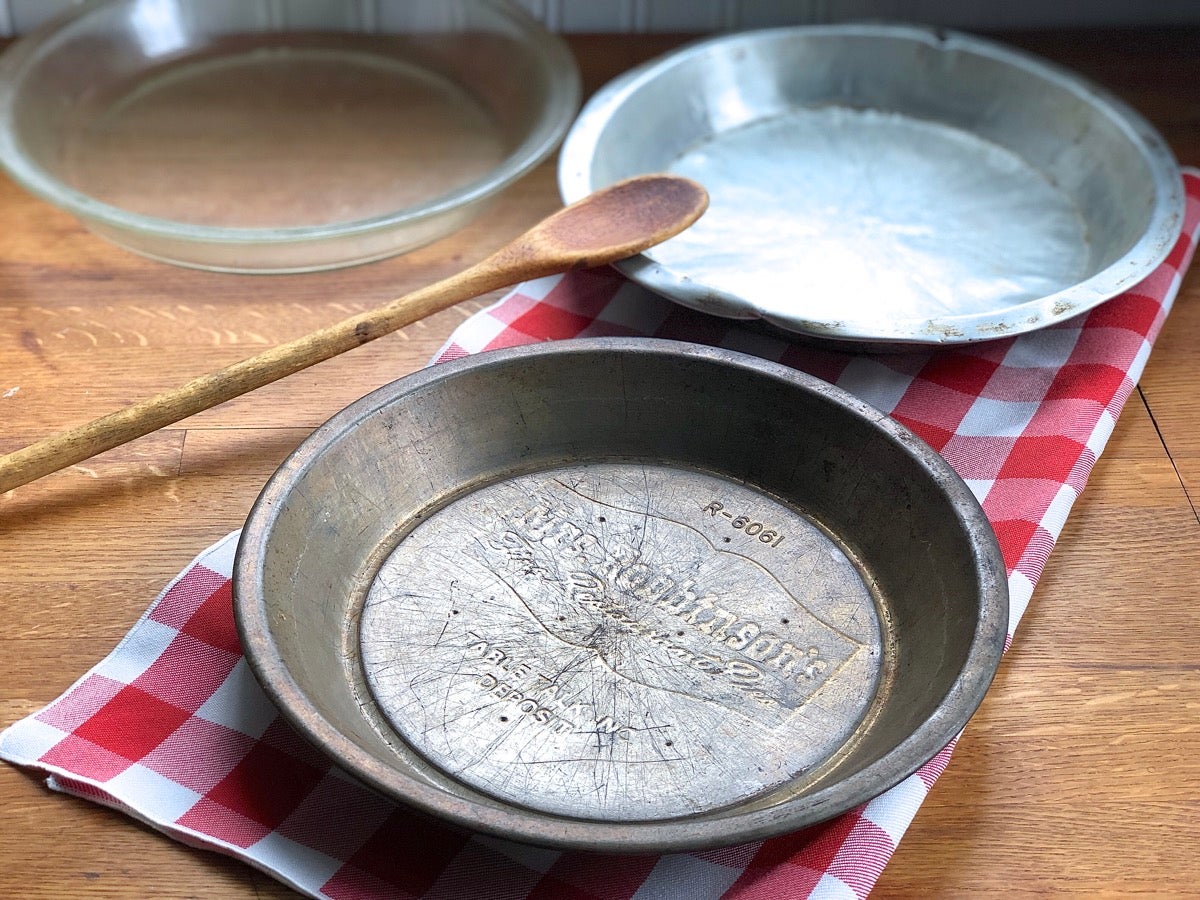
Metal Pans
Metal pans are popular for their durability. They heat quickly and evenly. This ensures a golden-brown crust. Metal pans are lightweight and easy to handle. Non-stick options are available, making cleanup simple. They are perfect for quick baking.
Glass Pans
Glass pans allow you to monitor the pie’s progress. You can see the crust browning through the clear material. They distribute heat evenly, resulting in a well-cooked pie. Glass pans are heavier than metal ones. They require gentle handling to avoid breakage.
Ceramic Pans
Ceramic pans bring elegance to your kitchen. They retain heat well, keeping pies warm longer. Their non-reactive surface is safe for acidic fillings. Ceramic pans are heavier than other options. They offer attractive designs for serving directly from the oven.
Silicone Pans
Silicone pans are flexible and non-stick. They make releasing pies easy without damaging the crust. Silicone pans are lightweight and easy to store. They withstand high temperatures without warping. Perfect for baking creative shapes and designs.
Size And Shape Considerations
Choosing the right pie pan can greatly influence your baking results. Size and shape are key factors to consider. The pan you choose affects how your pie bakes and its final appearance. Let’s explore different options to find the best fit for your baking needs.
Standard Sizes
Standard pie pans usually measure around 9 inches in diameter. They are perfect for most traditional pie recipes. A standard size ensures even baking and a good crust-to-filling ratio. These pans are widely available and come in various materials like glass, metal, or ceramic. Each material offers unique baking benefits. Metal pans heat quickly, while glass provides visibility to monitor crust browning.
Deep-dish Options
Deep-dish pans are ideal for pies with more filling. They are deeper than standard pans, typically measuring around 2 inches in depth. This extra space allows for generous layers of fruit or custard. Deep-dish pans work well for hearty pies like apple or chicken pot pie. These pans may require longer baking times due to their depth. Choose a deep-dish pan if you love a pie with lots of filling.
Mini And Specialty Shapes
Mini and specialty-shaped pans offer creative baking possibilities. Mini pans are great for individual servings or small gatherings. They come in sets, making it easy to bake multiple pies at once. Specialty shapes like hearts or stars add fun to festive occasions. These pans can turn a simple pie into a centerpiece. Consider these options for unique presentations and personal-sized desserts.
Material Advantages
Selecting the best pie pan depends on the material. Glass pans offer even heat distribution. Metal pans provide quick heat up and a crisp crust. Ceramic pans keep pies warm longer. Each material has distinct benefits for baking. Choose based on your baking needs.
When choosing the best pie pan, material plays a crucial role. Each material offers distinct advantages that impact your baking results. Understanding these can help you make an informed decision.Heat Conductivity
Different materials heat up at varying rates. Metal pans, especially aluminum, conduct heat efficiently. This ensures your pie crust bakes quickly. Glass pans, while slower, offer even heat distribution. This allows for a more controlled baking process. Ceramic pans retain heat longer. This keeps your pie warm after baking.Even Baking
For a perfect pie, even baking is essential. Glass pans provide an advantage here. You can see the crust’s progress. This helps prevent under or over-baking. Metal pans often have a tendency to brown the crust well. This gives a crisp finish. Ceramic pans distribute heat evenly. This ensures the filling cooks thoroughly.Non-stick Properties
Non-stick surfaces simplify pie removal. Metal pans often come with non-stick coatings. This makes cleaning easier. Glass pans usually require greasing. This can prevent sticking. Ceramic pans often have a naturally non-stick surface. This reduces the need for additional greasing. Choosing the right material depends on your baking needs. Consider these properties for a delightful pie experience.:max_bytes(150000):strip_icc()/EmileHenry_PiePan_04-d29318890cb94edeaf259cf64f28ecbf.jpg)
Credit: www.thespruceeats.com
Durability And Longevity
Choosing the right pie pan is not just about the perfect crust; it’s about how long the pan will serve you in your culinary adventures. Durable pie pans promise longevity, ensuring you don’t need to replace them frequently. They withstand the hustle and bustle of your kitchen, offering reliable performance for years.
Imagine investing in a pie pan that loses its luster after a few uses. Disappointing, right? Let’s explore some key factors that contribute to the durability and longevity of pie pans.
Scratch Resistance
Scratch resistance is crucial for maintaining the integrity of your pie pan. Every time you slice through a pie, the pan faces potential damage. A scratch-resistant surface ensures that your pan remains smooth and intact, minimizing wear and tear.
Consider pans made from ceramic or glass, known for their robust surfaces. They resist scratches better than metals, keeping your pan in pristine condition. This means fewer scratches, less sticking, and more beautiful pies.
Thermal Shock Resistance
Thermal shock resistance refers to a pan’s ability to withstand sudden temperature changes. Picture moving your pie from the fridge directly into a hot oven without cracking or warping. That’s what thermal shock resistance offers.
Glass pans excel in this aspect, allowing you to bake confidently without worrying about breakage. Ensure your pan can handle these shifts, ensuring longevity in your baking endeavors.
Ease Of Cleaning
Cleaning your pie pan shouldn’t feel like a chore. A pan with easy cleaning features saves time and effort, prolonging its life. Non-stick surfaces or smooth finishes make cleaning a breeze, preventing food residue from sticking.
Ask yourself: do you dread scrubbing your pie pan? If yes, it might be time to look for options that offer effortless cleaning. This keeps your pan ready for the next baking session, without the hassle.
In the quest for the best pie pan, durability and longevity are crucial. Scratch resistance, thermal shock resistance, and ease of cleaning are all factors that ensure your pie pan serves you well over the years. So, what qualities do you prioritize when choosing a pie pan?
Impact On Crust Texture
Choosing the right pie pan can profoundly impact the texture of your pie crust. Whether you’re aiming for a golden brown finish or trying to avoid the dreaded soggy bottom, the material and design of your pie pan play a crucial role. Let’s dive into how your choice of pie pan affects the texture of your crust.
Golden Brown Crust
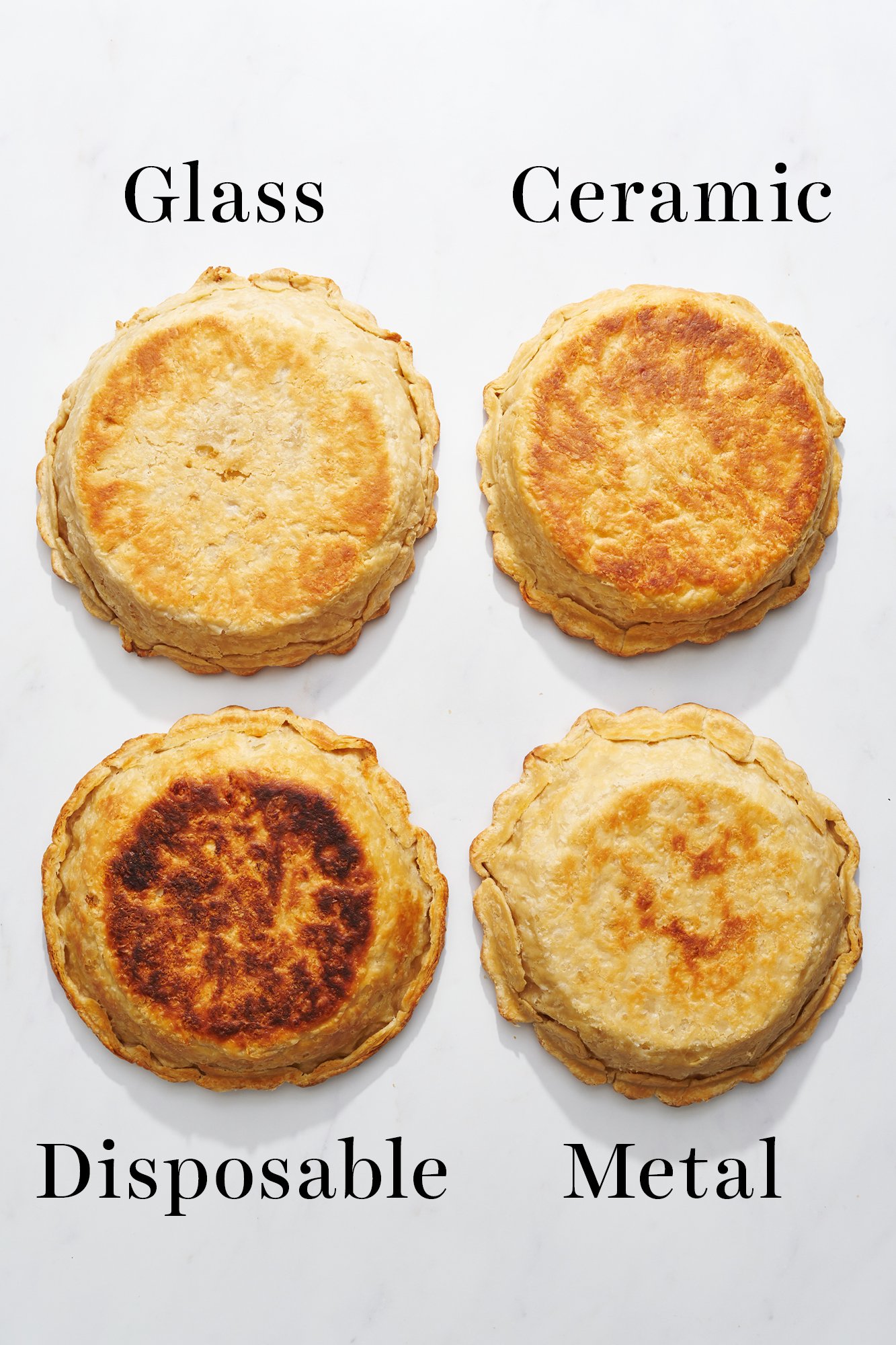
Achieving a golden brown crust is often the goal for any pie enthusiast. Metal pans, especially aluminum, heat up quickly, allowing the crust to brown evenly. Glass pans, on the other hand, let you monitor the browning process through their transparent sides. Did you ever notice how your pie crust turns out differently depending on the pan? Those variations are not just about the recipe; they’re about the pan material too.
Soggy Bottom Prevention
No one likes a soggy bottom crust. Ceramic and glass pans retain heat well, helping the crust cook thoroughly. The key is ensuring the bottom crust bakes fully without the filling seeping in. Have you ever cut into a pie, only to find a wet, uncooked base? Choosing a pan that distributes heat evenly can be your first line of defense against this common problem.
Flaky Vs. Crisp Crusts
Do you prefer a flaky, buttery crust or a crispy, sturdy one? Metal pans tend to yield crispier crusts due to their superior heat conduction. If flakiness is your goal, consider a glass pan where slower heat distribution gives the dough more time to form delicate layers. How does your choice of crust texture affect your pie’s overall appeal? It’s something worth pondering the next time you bake.
Choosing the right pie pan is more than just picking a vessel for your pie; it’s about creating a texture that complements your filling perfectly. What kind of crust texture do you aim for, and how does your pie pan choice help you achieve it?
Credit: handletheheat.com
Budget And Investment
Choosing the right pie pan involves considering your budget and investment. Knowing where to save and where to splurge is key. Not all pie pans are created equal. Some offer value without breaking the bank. Others require a bit more investment for quality baking results.
Affordable Options
For those on a budget, many pie pans deliver great results. Aluminum pans are lightweight and conduct heat well. They are often the most cost-effective choice. Glass pie pans are another affordable option. They allow you to see the bottom of your pie. This helps you avoid overbaking. Ceramic pans can also be budget-friendly. They offer even heat distribution for delicious pies.
High-end Investments
If quality is your priority, consider investing in high-end pie pans. Stainless steel pans offer durability and even heat distribution. They are a solid investment for serious bakers. Copper pans are another high-end choice. They provide superior heat conductivity. This leads to perfectly baked crusts. Non-stick pans can be worthwhile for those who bake often. They ensure easy release and cleanup.
Long-term Savings
Investing in quality pie pans can lead to long-term savings. Durable materials mean fewer replacements. This saves money over time. High-quality pans often offer better baking results. This can reduce waste from failed attempts. They also tend to be more versatile. You can use them for different types of pies, reducing the need for multiple pans.
Versatility And Multi-use
Choosing the right pie pan can make a big difference in your baking. Versatility and multi-use are key factors to consider. A versatile pie pan saves space and money. It also makes baking more enjoyable. Let’s explore the benefits of a versatile pie pan.
From Oven To Table
A pie pan that looks good on the table is a great choice. You can bake in it and serve straight from it. This saves time and makes clean-up easier. Look for pans with elegant designs. These can enhance your dining experience.
Freezer To Oven
A pan that goes from freezer to oven is very useful. It allows you to prepare pies in advance. You can store them in the freezer until needed. This feature is perfect for busy schedules. It ensures your pies are always fresh and ready to bake.
Beyond Pies: Quiches And More
A versatile pie pan is not just for pies. You can use it for quiches, tarts, and even casseroles. This broadens your cooking options. It makes the pie pan a valuable kitchen tool. Explore different recipes with your multi-use pan.
Care And Maintenance Tips
Choosing the best pie pan depends on your baking needs. Glass pans provide even cooking and let you check the bottom crust. Metal pans heat quickly and are ideal for crisp crusts. Proper care involves gentle washing and thorough drying to prevent rust or damage.
Choosing the right pie pan is only half the battle; maintaining it is crucial for lasting performance and delightful pies. A well-maintained pie pan ensures consistent baking results and saves you money in the long run. Let’s dive into some practical care and maintenance tips to help you keep your pie pan in top shape.Cleaning Techniques
Cleaning your pie pan properly can extend its lifespan and keep it looking new. Non-stick pans should be washed with a soft sponge and mild detergent to avoid scratching the surface. Avoid using harsh scrubbers that can ruin the finish. For glass or ceramic pans, soak them in warm water to loosen any stubborn baked-on residue. A gentle scrub should do the trick. Remember, extreme changes in temperature can cause these materials to crack, so let your pan cool before cleaning. Have you ever tried using baking soda and vinegar for cleaning stubborn stains? It works wonders and it’s eco-friendly too. Mix equal parts and let it sit in the pan for a few minutes before wiping it clean.Storage Tips
Proper storage prevents damage and saves space in your kitchen. Stack pans carefully, placing a soft cloth or paper towel between them to prevent scratching. If you have limited space, consider hanging pans on a rack. Do you have a designated place for your pie pans? It’s worth creating one. This not only keeps them safe but also makes them easy to find when the baking mood strikes. Store glass and ceramic pans separately from metal ones to avoid accidental chips and cracks. Keep the environment dry to prevent rust on metal pans. A little moisture can lead to corrosion, so ensure your storage area is well-ventilated.Handling And Safety
Handling your pie pan with care can prevent accidents and prolong its life. Use oven mitts when handling hot pans to avoid burns. This simple step can save you a trip to the emergency room. Avoid placing your pie pan on cold surfaces right after taking it out of the oven. Sudden temperature changes can cause glass and ceramic pans to crack. Instead, let them cool gradually on a cooling rack. Consider safety when using metal pans; they can have sharp edges. Have you ever accidentally cut yourself while washing a pan? Being mindful of these edges can prevent such mishaps. Taking these simple steps can make all the difference. How do you maintain your pie pans? Share your tips and experiences below!Expert Recommendations
Choosing the right pie pan can transform your baking experience. Experts offer valuable insights to help you select the best pie pan. In this section, we will explore recommendations from bakers, chefs, and consumers.
Baker Favorites
Professional bakers often prefer ceramic pie pans. They provide even heat distribution. Ceramic pans are ideal for achieving crispy crusts. Glass pie pans are another favorite. They allow bakers to monitor browning. Metal pans are durable and versatile. They are excellent for high-temperature baking.
Chef Endorsements
Chefs recommend using metal pie pans for their versatility. They heat quickly, ensuring a well-baked pie. Some chefs favor glass pans for their transparency. This helps in checking the crust’s readiness. Ceramic pans are admired for their aesthetic appeal. They can go from oven to table seamlessly.
Consumer Reviews
Consumers praise glass pie pans for their durability. They appreciate the ability to see the crust as it cooks. Ceramic pans are lauded for their beautiful designs. Many find them perfect for serving. Metal pans receive high marks for their efficiency. They are easy to clean and store.
Credit: www.kingarthurbaking.com
Frequently Asked Questions
What Materials Are Pie Pans Made Of?
Pie pans are commonly made from glass, metal, ceramic, and silicone. Each material offers different benefits. Glass provides even heat distribution, metal is durable and heats quickly, ceramic retains heat well, and silicone is non-stick and flexible. Choose based on your baking needs and preferences.
Is A Glass Pie Pan Better Than Metal?
Glass pie pans are excellent for even heat distribution. They allow you to see the browning of the crust. Metal pans, on the other hand, heat up faster and are more durable. Your choice depends on your baking preferences and desired results.
Can I Use A Ceramic Pie Pan For Baking?
Yes, ceramic pie pans are great for baking. They retain heat well, offering consistent baking results. Ceramic also adds an aesthetic appeal for serving. However, they are heavier and take longer to heat. Ensure it’s oven-safe before use.
Are Non-stick Pie Pans Worth It?
Non-stick pie pans are worth it for easy release and cleanup. They prevent sticking and require less greasing. However, they may wear over time. If you bake frequently, they can be a convenient choice, saving time and effort.
Conclusion
Choosing the best pie pan depends on your needs. Glass pans offer even heat. Metal pans brown crusts beautifully. Ceramic pans are perfect for presentation. Each type has its own advantages. Consider what matters most for your baking. Size, material, and weight play roles.
Make your choice based on these factors. Think about your favorite pies. The right pan enhances your baking experience. Experiment and find your favorite. Happy pie making!
