
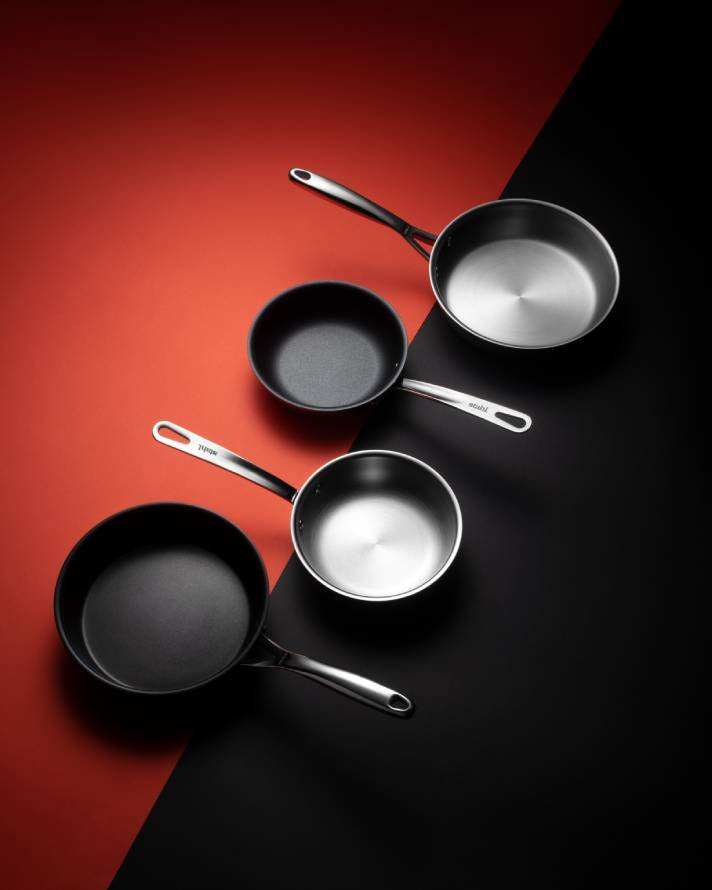
Are you tired of your cookware not living up to your culinary ambitions? Choosing the right stainless steel for your kitchen can make all the difference in your cooking experience.
Imagine whipping up a delicious meal without the frustration of food sticking or uneven heating. The secret lies in selecting the best stainless steel that suits your needs. We delve into the different types of stainless steel, highlighting their unique benefits and helping you make an informed decision.
Discover the key to transforming your cooking with cookware that enhances your skills and makes every meal a delight.

Credit: americankitchen.com
Types Of Stainless Steel
Understanding the types of stainless steel is vital for choosing cookware. Stainless steel varies in composition, affecting its performance in the kitchen. Different types offer unique benefits for cooking.
Austenitic Stainless Steel
Austenitic stainless steel is popular for cookware. It contains nickel and chromium. These elements make it resistant to rust. This type is non-magnetic and retains heat well. It is often found in pots and pans. Its durability makes it a favorite in many kitchens.
Ferritic Stainless Steel
Ferritic stainless steel is another option. It contains chromium but no nickel. This makes it less expensive than austenitic steel. It offers moderate resistance to corrosion. Ferritic steel is magnetic. This makes it suitable for induction cooking. It’s often used for kitchen utensils.
Martensitic Stainless Steel
Martensitic stainless steel is strong and tough. It contains more carbon than other types. This gives it a hard structure. It is magnetic and can be hardened by heat treatment. This steel is often used for knives. It provides good edge retention and sharpness.
Key Properties For Cooking
Choosing the right stainless steel for cooking ensures durability and safety. Grade 304 is a popular choice due to its resistance to rust and corrosion. It provides a balance of strength and easy maintenance, making it ideal for kitchen use.
Choosing the right stainless steel for cooking can transform your culinary experience. It’s not just about aesthetics or brand names; it’s about understanding the key properties that make stainless steel an ideal material for cookware. Let’s dive into what makes stainless steel a top choice for your kitchen.Heat Conductivity
Ever wondered why your food sometimes sticks to the pan or cooks unevenly? Heat conductivity might be the answer. Stainless steel is known for its ability to distribute heat evenly, ensuring your dishes cook uniformly. However, not all stainless steels are created equal. Some grades incorporate other metals like aluminum or copper to improve heat distribution. Next time you’re cooking, notice how quickly your pan heats up and how evenly it maintains temperature. This can save you from those frustrating cooking mishaps.Corrosion Resistance
Nobody likes the sight of rusty kitchenware. Stainless steel excels in resisting corrosion, making it a popular choice for cooking. This property is particularly important if you’re preparing acidic foods like tomatoes or citrus fruits. Stainless steel’s ability to withstand moisture and acidic ingredients means your pots and pans will last longer without rusting. Consider how often you use and wash your cookware. The frequency can affect the longevity of your items, especially if they are exposed to harsh conditions.Durability
How often have you replaced a kitchen tool because it wore out too quickly? Stainless steel’s durability is one of its strongest selling points. This material can withstand high temperatures and frequent use without losing its shape or effectiveness. When you invest in stainless steel cookware, you’re investing in longevity and reliability. Think about how this durability can save you money and effort in the long run. Would you rather replace a cheap pan every year or have a reliable one that lasts a decade? When choosing stainless steel for your kitchen, keep these key properties in mind. Each one contributes to a better cooking experience and can help you achieve those culinary masterpieces you’ve been dreaming of. Which property is most important to you, and how does it influence your choice in cookware? Consider these aspects to make informed decisions that align with your cooking style and needs.Popular Grades For Cookware
Choosing stainless steel for cooking involves considering durability and heat distribution. Grade 304 is popular for its corrosion resistance. Meanwhile, grade 316 offers higher resistance to acids and salts, making it ideal for cookware. Both grades ensure long-lasting, safe cooking experiences.
When selecting stainless steel for your cookware, it’s essential to know which grades offer the best performance. Each type has unique characteristics, making it suitable for different cooking needs. Let’s explore some of the most popular grades used in cookware.Grade 304
Grade 304 stainless steel is among the most commonly used in cookware. Known for its durability and resistance to rust, it’s a favorite in many kitchens. Have you noticed how some of your pots and pans stay shiny even after years of use? That’s likely due to the presence of Grade 304. Containing 18% chromium and 8% nickel, this grade is also referred to as 18/8 stainless steel. It offers great corrosion resistance, making it perfect for everyday cooking. Next time you’re shopping for a frying pan or stockpot, look out for Grade 304. It’s a reliable choice that can handle most of your cooking tasks.Grade 316
Grade 316 is a step up from Grade 304 in terms of resistance to corrosion. It includes molybdenum, which enhances its ability to withstand saltwater and acidic foods. If you love whipping up dishes with tomatoes or citrus, 316 stainless steel might be your best bet. This grade is often used in high-end cookware and is sometimes called marine-grade stainless steel. Its superior performance comes with a higher price tag, but many chefs swear by its durability and resilience. Do you cook frequently with salty or acidic ingredients? Investing in Grade 316 could be a wise choice to ensure your cookware lasts longer.Grade 430
Grade 430 stainless steel is different from the other two as it is magnetic. This makes it suitable for induction cooking, a popular method in modern kitchens. If you have an induction cooktop, you’ll want cookware made from Grade 430 for optimal performance. It contains less nickel than 304 and 316, making it more affordable. However, it also means it’s less resistant to corrosion. If you’re seeking budget-friendly options and have an induction stove, 430 could serve you well. While it may not boast the same longevity as other grades, 430 stainless steel offers functionality that fits a specific need—induction compatibility. Consider your cooking style and appliance compatibility when choosing this grade. Choosing the right stainless steel for your cookware can significantly impact your cooking experience. By understanding these popular grades, you can make an informed decision that suits your culinary needs. What grade aligns with your cooking habits?Comparing Stainless Steel Grades
Choosing the right stainless steel for cooking is essential. Grade 304 is popular due to its durability and resistance to rust. Grade 316 offers extra protection against corrosion, making it ideal for high-heat cooking. Each grade has unique benefits suited for different culinary needs.
When you’re selecting stainless steel for cooking, understanding the different grades can make all the difference in your culinary experience. You may wonder why some pans seem to last forever while others rust or warp. The grade of stainless steel plays a huge role in performance, price, and maintenance. Let’s compare the most common stainless steel grades to see which might be the best fit for your kitchen.Performance In Cooking
The performance of stainless steel in cooking largely depends on its composition. Grade 304 is one of the most popular and is known for its excellent corrosion resistance and durability. Chefs often prefer 316 stainless steel, which contains molybdenum, for its superior resistance to acids found in foods like tomatoes and citrus. If you’ve ever had a pan develop hot spots, it might be due to the type of stainless steel used. Higher-grade steels like 316 provide more even heat distribution, which can improve your cooking results. Consider the type of meals you prepare most often—this can guide you in choosing between grades like 304 and 316.Price And Availability
Price and availability are critical when selecting kitchen materials. Grade 304 stainless steel is widely available and affordable, making it a popular choice for home cooks. It’s often found in everyday cookware and appliances. On the other hand, 316 stainless steel tends to be more expensive due to its additional elements and enhanced properties. You might find it in high-end cookware or professional kitchens. The higher cost can be worth it for those who frequently cook with acidic ingredients. If you are on a budget, grade 430 stainless steel could be a viable option. It’s less expensive but offers good resistance to corrosion, though it may not last as long as higher grades.Maintenance Needs
Maintaining your stainless steel can be a breeze or a chore, depending on the grade. Grade 304 is relatively low-maintenance and generally resists rust and stains, which can save you time in the kitchen. Regular cleaning with mild soap and water usually keeps it looking great. Grade 316 requires similar upkeep, though it may handle more aggressive cleaning products without damage. If you’re someone who doesn’t mind spending a little more time on maintenance, the longevity and performance of 316 might appeal to you. You might find grade 430 requires more careful maintenance to prevent corrosion, especially if you live in a humid environment. Always dry your cookware thoroughly after washing, regardless of the grade, to extend its life. Which grade of stainless steel do you think suits your cooking style best? Considering factors like performance, price, and maintenance can help you make an informed decision. The right choice will enhance your kitchen experience and perhaps even inspire you to try new recipes!Choosing The Right Stainless Steel
Choosing the right stainless steel for cooking can make a world of difference in your culinary adventures. Not all stainless steel is created equal, and the best choice depends on several factors. Whether you’re a seasoned chef or a home cook, understanding these factors will help you select the perfect stainless steel for your needs.
Budget Considerations
Stainless steel varies in price, and your budget plays a crucial role. While high-end options like 316 stainless steel offer exceptional durability and resistance to corrosion, they come with a hefty price tag. On the other hand, 304 stainless steel is more affordable and still provides excellent performance for everyday cooking.
Think about how much you’re willing to spend. Is it worth investing in premium quality if you only cook occasionally? Or would a mid-range option suffice? Evaluate your financial comfort zone and decide accordingly.
Cooking Style And Frequency
Your cooking habits matter when choosing stainless steel. If you’re a fan of acidic foods like tomato sauce, you might benefit from the corrosion-resistant properties of 316 stainless steel. It’s less likely to react with acids compared to other types.
How often do you cook? Frequent cooks need durable, versatile stainless steel that can handle daily use. Occasional chefs might prioritize cost over durability. Match your choice to your lifestyle for the best results.
Environmental Impact
Have you considered the environmental implications of your choice? Stainless steel is generally considered eco-friendly, but some types are better than others. 304 stainless steel is highly recyclable, making it a greener option.
Consider how your choice affects the planet. Would you prefer materials that align with sustainable practices? Every decision counts toward reducing your carbon footprint. Make a choice that reflects your environmental values.
What does your choice of stainless steel say about you? Are you investing in quality, prioritizing budget, or choosing based on environmental impact? Each decision tells a story of your cooking journey. Make it a meaningful one.
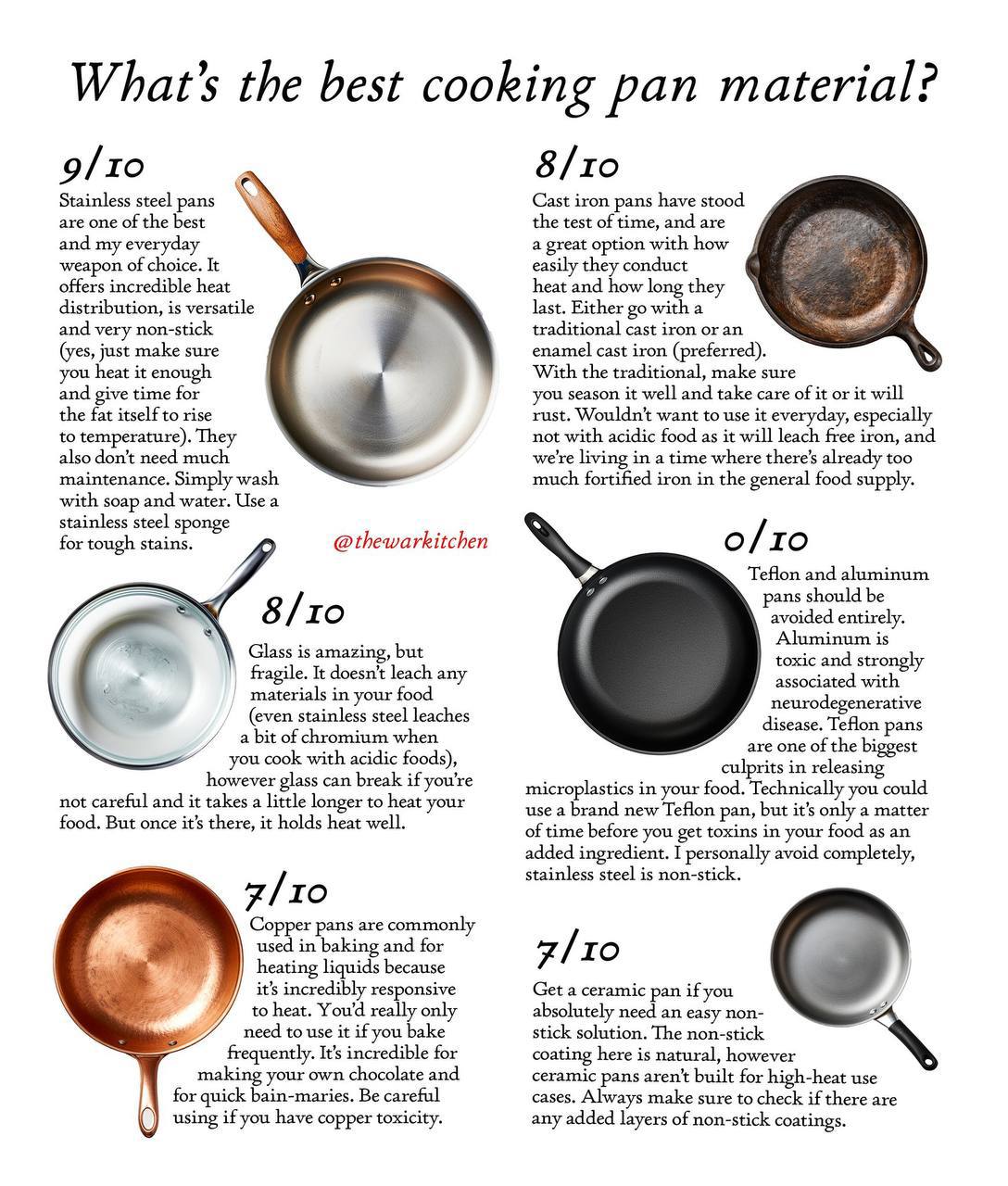
Credit: www.facebook.com
Expert Tips For Stainless Steel Cookware
Choosing the right stainless steel cookware can transform your cooking experience. With its durability and sleek appearance, it’s a favorite among both home cooks and professional chefs. But to truly make the most of your investment, you need to know how to care for it properly. Here are some expert tips to ensure your stainless steel cookware remains in top condition, meal after meal.
Proper Cleaning Techniques
Cleaning stainless steel cookware requires a gentle touch. While it may seem tough, using abrasive scrubbers can scratch the surface. Opt for a soft sponge and mild detergent instead.
Have you noticed stubborn spots or discoloration? A simple paste of baking soda and water works wonders. Rub it gently onto the affected area, rinse, and your pot will shine like new.
Always dry your cookware immediately after washing. This prevents water spots and maintains its pristine appearance. A quick wipe with a towel is all it takes.
Avoiding Common Mistakes
Have you ever overheated your pan only to find burnt food stuck to it? Overheating is a common mistake that can damage stainless steel. Always preheat your pan on medium heat before adding oil or food.
Using metal utensils can also cause scratches. Stick to wooden or silicone tools to keep the surface smooth. This simple switch can significantly extend the life of your cookware.
Avoid cooking acidic foods for long periods. Ingredients like tomatoes or vinegar can cause discoloration. If you do, clean the cookware promptly to prevent lasting marks.
Enhancing Longevity
Investing in high-quality stainless steel is just the beginning. To enhance its longevity, consider seasoning your cookware occasionally. This creates a natural non-stick layer and protects the surface.
Store your cookware properly to prevent dents or scratches. If stacking is necessary, place a soft cloth between each piece. This small step makes a big difference.
Think about how you can pass down your cookware to the next generation. With proper care, stainless steel can last a lifetime. Wouldn’t it be wonderful to share not just recipes, but the tools that created them?
:max_bytes(150000):strip_icc()/sea-primary-stainless-steel-skillets-jan-25-rkilgore-0699-4df4b200ea9e420080bbe1fc47c3faee.jpeg)
Credit: www.seriouseats.com
Frequently Asked Questions
What Is The Best Quality Stainless Steel For Cooking?
The best quality stainless steel for cooking is 18/10, containing 18% chromium and 10% nickel. It offers excellent corrosion resistance, durability, and a shiny finish, making it ideal for cookware. This type ensures even heat distribution and is safe for food contact.
Is 304 Or 316 Stainless Steel Better For Food?
316 stainless steel is better for food due to its higher corrosion resistance. It’s ideal for acidic or salty environments. 304 is also food-safe but less resistant to corrosion. Both are durable and suitable, but 316 offers superior performance in harsh conditions, making it preferable for food applications.
Which Is Better, 18 0 Or 18 10 Stainless Steel?
18/10 stainless steel is better for durability and corrosion resistance. It contains 18% chromium and 10% nickel. 18/0 stainless steel has no nickel, making it less resistant to rust. For long-lasting quality and shine, choose 18/10 stainless steel.
Is 304 Or 18/8 Stainless Steel Better?
304 stainless steel is the same as 18/8, offering excellent corrosion resistance and durability. It suits kitchen use. Both are ideal for food-related applications, making them equally good. Choose based on specific needs, but both perform well in most environments.
Conclusion
Choosing the right stainless steel for cooking matters. It affects food taste and safety. Stainless steel grades vary in quality. Some resist rust better. Others conduct heat more evenly. Popular choices include 304 and 316 stainless steel. They offer good durability and food safety.
Remember, your cooking needs determine the best choice. Consider how often you cook. Think about what you cook. These factors guide your decision. Choose wisely for a better cooking experience. Stainless steel can enhance your kitchen adventures. Enjoy cooking with the right tools!
